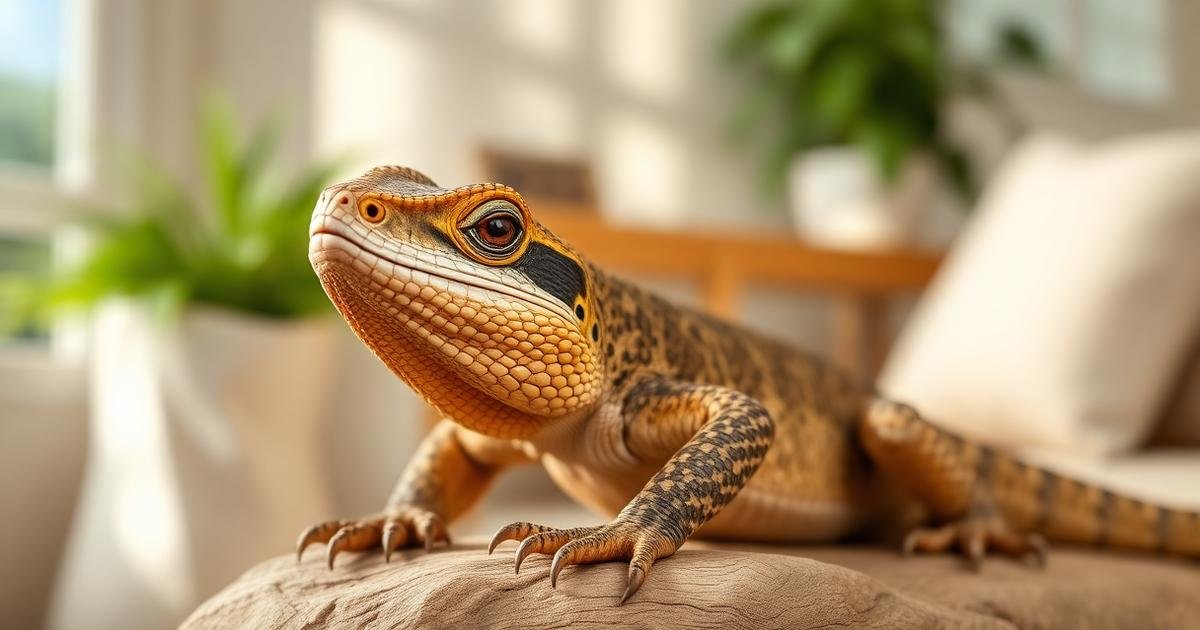
If you're asking "do reptiles make good pets," the short answer is yes—for the right person. Reptiles can be fascinating, low allergen companions that don't require daily walks or constant attention, but they come with very specific husbandry needs that many new owners underestimate. A well-cared for reptile can thrive for decades, but a poorly set up enclosure leads to stress, illness, and expensive vet visits.
Do reptiles make good pets: Reptiles make good pets for dedicated owners who can commit to precise temperature, humidity, and lighting requirements—but they are not low-maintenance. Most species need specialized enclosures, live or frozen prey, and exotic vet care that costs 2-3 times more than a dog or cat visit. If you want
Quick Answer: Do reptiles make good pets?
Reptiles make good pets for dedicated owners who can commit to precise temperature, humidity, and lighting requirements—but they are not low-maintenance. Most species need specialized enclosures, live or frozen prey, and exotic vet care that costs 2-3 times more than a dog or cat visit. If you want a hands off pet you can observe, a reptile works well. If you want cuddles and interaction, choose a mammal.
For a complete guide on this topic, see the Reptile Care Guide.
This do reptiles make good pets decision works best when the owner compares daily fit, tolerance, and practical consistency together.
What does daily life with a pet reptile actually look like?
Your morning starts with checking temperatures and humidity levels. Most reptiles need a basking spot of 90-110°F and a cool side 10-20 degrees lower. You'll mist enclosures, replace water bowls, and remove waste daily.
For many homes, the right do reptiles make good pets choice is the one that stays reliable under ordinary daily conditions.
Feeding schedules vary wildly. A leopard gecko eats 4-6 insects every other day. A ball python eats one appropriately sized rodent every 1-2 weeks. A bearded dragon needs fresh greens daily plus insects 3-4 times weekly.
You'll also need to deep clean the enclosure monthly, replace UVB bulbs every 6-12 months (they stop emitting UVB even if the light still turns on), and monitor for signs of metabolic bone disease, respiratory infections, or parasites.
Pro Tip: Set a daily phone alarm for temperature checks. A $20 infrared thermometer gun saves you from guessing and catches equipment failures before your reptile gets sick.
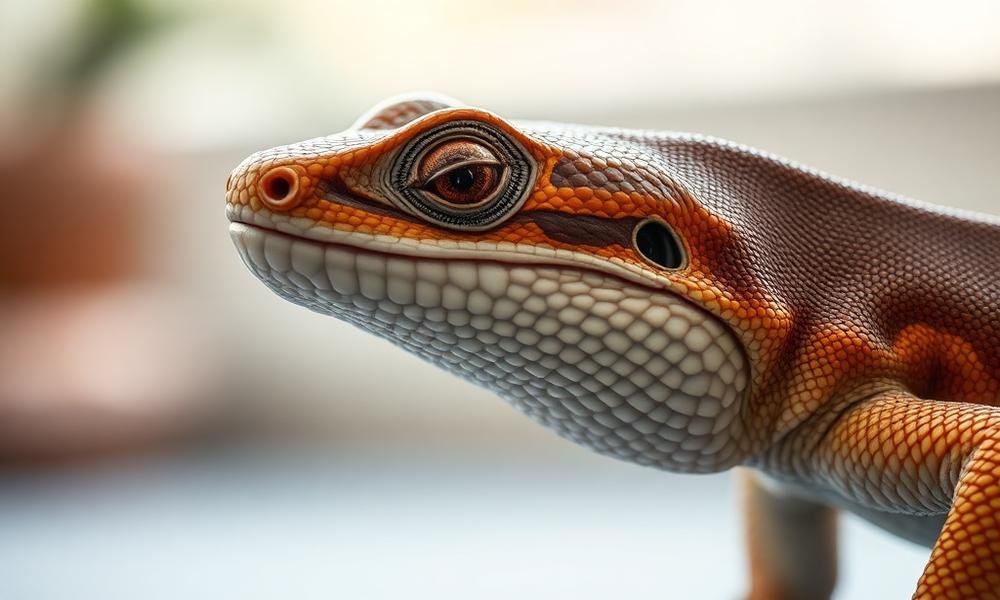
Which reptiles are best for first time owners?
Not all reptiles make good pets for beginners. The best starter species tolerate handling, have forgiving temperature requirements, and eat readily in captivity. Your top three options are leopard geckos, bearded dragons, and corn snakes.
Leopard geckos
These nocturnal lizards are hardy, docile, and don't need UVB lighting. They reach 7-10 inches and live 15-20 years with proper care. Their main drawback: they only eat live insects, so you'll keep a cricket colony or make weekly pet store trips.
Bearded dragons
Bearded dragons are diurnal, handle well, and eat both insects and vegetables. They need a 40-gallon minimum tank as adults, intense UVB lighting, and live 8-12 years. Their friendly personality makes them the most "dog-like" reptile option.
Corn snakes
Corn snakes are calm, easy to feed (frozen thawed mice), and tolerate handling better than most snakes. They need a 20-gallon tank as juveniles and 40 gallons as adults. With proper care, they live 15-20 years.
Pro Tip: Avoid iguanas, chameleons, and Burmese pythons as first reptiles. Iguanas need massive enclosures and become aggressive. Chameleons die from stress easily. Burmese pythons grow 12+ feet and require experienced handlers.
What are the hidden costs of reptile ownership?
Many people ask "do reptiles make good pets" without realizing the upfront investment. A proper setup for a bearded dragon costs $300-600 minimum: $100-200 for the tank, $50-100 for lighting and heating, $30-50 for substrate and decor, and $50-100 for thermostat and thermometer controllers.
Ongoing costs add up. UVB bulbs cost $20-40 and need replacement every 6 months. Live insects cost $20-50 monthly. Exotic vet visits run $75-150 for an exam, plus $200-500 for diagnostics like blood work or X-rays. Emergency surgery can exceed $1,000.
Electricity costs increase significantly. A 40-gallon tank with heat lamps running 12-14 hours daily adds $15-30 to your monthly bill. Larger enclosures for monitors or tegus cost even more.
Pro Tip: Before buying any reptile, call three exotic vets within driving distance. Ask about new patient exam pricing and availability. If no vet is within 30 minutes, reconsider—emergencies don't wait.
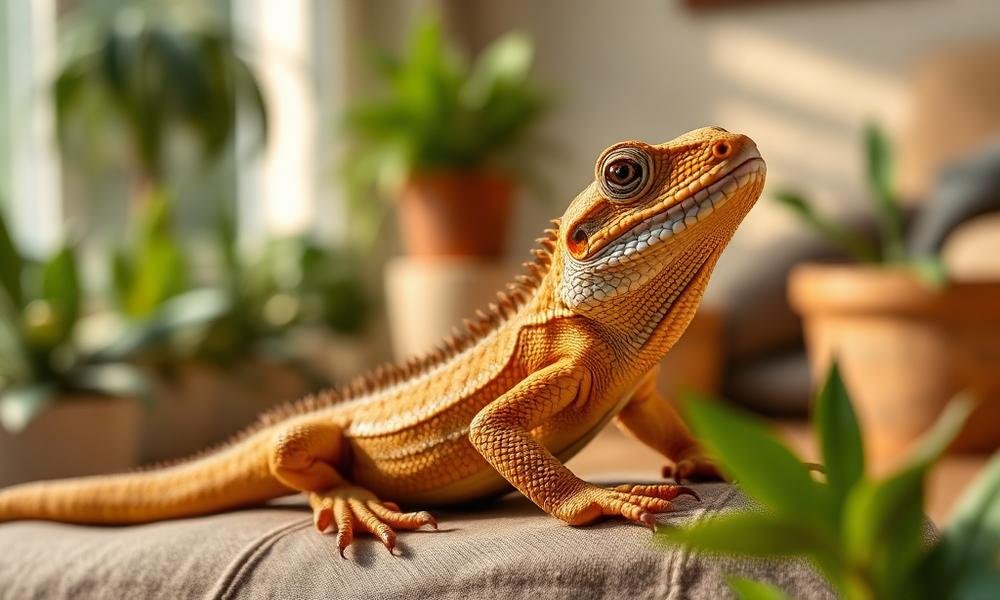
How much handling and interaction do reptiles need?
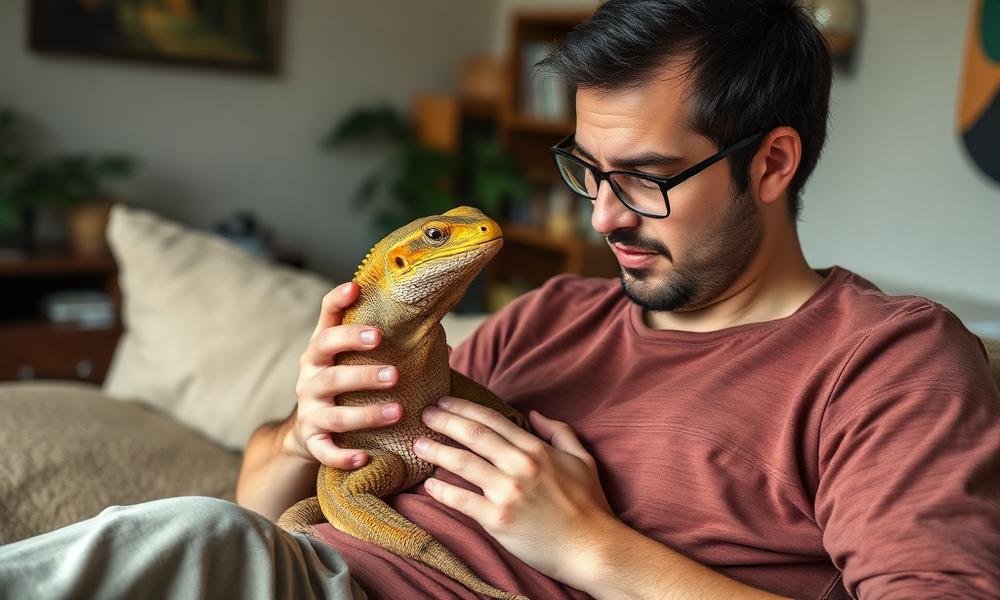
Reptiles do not bond with owners like dogs or cats. They tolerate handling at best, and some species actively dislike it. Leopard geckos and bearded dragons handle well after acclimation. Most snakes tolerate handling but don't seek it out.
Handling sessions should be short—5-10 minutes for lizards, 10-15 minutes for snakes—and never happen within 48 hours of feeding. Reptiles experience stress from handling, which suppresses their immune system. Signs of stress include tail twitching, hissing, puffing up, or trying to escape.
If you want a pet you can interact with daily, a reptile likely isn't your best choice. But if you enjoy watching natural behaviors—basking, hunting, burrowing—reptiles provide endless fascination from outside the glass.
What health problems do pet reptiles commonly face?
Metabolic bone disease is the most common killer in captive reptiles. It's caused by insufficient UVB lighting or improper calcium-to phosphorus ratios in their diet. Symptoms include swollen limbs, a soft jaw, and tremors. This condition is preventable with proper UVB bulbs and calcium supplementation.
Respiratory infections happen when temperatures drop too low or humidity is wrong. You'll notice bubbles from the nose, open mouth breathing, or wheezing. Treatment requires exotic vet care and often antibiotics.
Parasites—both internal and external—are common in pet reptiles. Mites look like tiny moving specks on the skin. Internal parasites cause weight loss, regurgitation, and lethargy. A fecal exam at your vet every 6-12 months catches problems early.
According to the
How do I set up a proper reptile enclosure from scratch?
Setting up an enclosure correctly from day one determines whether your reptile thrives or struggles. Start with the tank size: a 20-gallon long is the minimum for most beginner species, but 40-gallon breeders work better for adults. Screen lids allow ventilation and UVB penetration.
You need three temperature zones: a basking spot, a warm side, and a cool side. Use a thermostat controlled heat lamp for basking and an under tank heater for belly heat. Never rely on heat rocks—they cause severe burns. Place digital thermometers at both ends of the enclosure.
Humidity depends on species. Desert reptiles like bearded dragons need 30-40%. Tropical species like crested geckos need 60-80%. Use a hygrometer to measure accurately. Misting systems or foggers automate humidity for tropical setups.
Substrate choices matter. Paper towels or reptile carpet work best for beginners—they're easy to clean and prevent impaction. Avoid sand, wood shavings, or loose substrates until you have experience. Loose substrates can cause fatal intestinal blockages if swallowed.
Provide at least two hides: one on the warm side and one on the cool side. Reptiles need secure places to retreat. Add climbing branches, artificial plants, and a water bowl large enough for soaking. The
Pro Tip: Run your full setup for 3-5 days before bringing your reptile home. Monitor temperature and humidity fluctuations. This "trial period" catches equipment problems before they harm your pet.
What should I feed my pet reptile to keep it healthy?
Diet varies dramatically by species, but a few rules apply to all reptiles. Gut load feeder insects for 24 hours before feeding—this means feeding them nutritious foods like carrots, sweet potatoes, and commercial gut load diets. Dust insects with calcium powder at every feeding and a multivitamin once weekly.
For insectivores like leopard geckos and bearded dragons, offer a variety of feeders: crickets, dubia roaches, mealworms, and black soldier fly larvae. Variety prevents nutritional deficiencies and keeps your reptile interested in eating. Never feed wild caught insects—they carry pesticides and parasites.
Herbivorous reptiles like uromastyx and tortoises need dark leafy greens daily. Collard greens, mustard greens, dandelion greens, and squash work well. Avoid spinach, kale, and iceberg lettuce—they bind calcium or provide no nutrition. Chop vegetables into bite sized pieces.
Snakes eat whole prey, typically rodents. Frozen thawed prey is safer than live because live rodents can bite and injure your snake. Thaw rodents in warm water (never microwave) and feed with tongs to avoid accidental bites. Feed appropriately sized prey: the prey should be no wider than the widest part of your snake's body.
Fresh water must be available 24/7. Change water daily and scrub the bowl weekly to prevent bacterial growth. Some reptiles, like chameleons, won't drink from bowls—they need dripping water systems or daily misting.
Pro Tip: Keep a feeding log for the first 3 months. Note what your reptile ate, how much, and whether it defecated. This log helps your vet diagnose problems quickly if your reptile stops eating or shows weight loss.
How do I handle shedding problems in pet reptiles?
Shedding is a normal process, but problems arise when humidity is too low. Incomplete sheds—where skin sticks to toes, tail tips, or eyes—can cause constriction and loss of digits. A stuck shed on the eyes can lead to blindness if untreated.
To prevent shedding problems, maintain proper humidity for your species. Provide a humid hide: a plastic container with damp sphagnum moss placed inside the enclosure. Your reptile will use it when ready to shed. Misting the enclosure once or twice daily also helps.
If your reptile has stuck shed, soak it in shallow warm water (85-90°F) for 15-20 minutes. Gently rub the skin with a soft cloth. Never pull off stuck shed—you'll damage the new skin underneath. For eye caps, consult your exotic vet; attempting removal yourself can cause permanent eye damage.
Healthy reptiles shed in one complete piece. Snakes shed their entire skin inside out. Lizards shed in patches. If shedding takes longer than 7-10 days or your reptile seems distressed, check your humidity levels and consider a vet visit.
For broader reference and guidance, akc.org provides useful context on pet health and care decisions.
Frequently Asked Questions
Are reptiles good pets for children?
Most reptiles are not good pets for children under 10. Kids lack the consistency needed for temperature checks and feeding schedules. Bearded dragons and leopard geckos work for responsible teenagers, but supervision is essential. Reptiles also carry Salmonella, so hand washing after every interaction is non-negotiable.
Do reptiles smell bad?
Healthy reptiles in clean enclosures have minimal odor. The smell comes from waste, not the animal itself. Spot clean daily and deep clean monthly to prevent ammonia buildup. Proper ventilation in the enclosure also reduces smells. A smelly reptile usually means the enclosure needs cleaning or humidity is too high.
How long do pet reptiles live compared to dogs and cats?
Reptiles generally outlive traditional pets. Leopard geckos live 15-20 years. Bearded dragons live 8-12 years. Corn snakes live 15-20 years. Tortoises can outlive their owners, reaching 50-100+ years. This longevity means reptiles are a multi decade commitment, not a short term pet.
Can reptiles be potty trained?
No, reptiles cannot be potty trained. They lack the brain structure for learned elimination behaviors. Some owners use a "bath method" where soaking triggers defecation, but this isn't reliable. You will clean the entire enclosure regularly. Plan for this commitment before asking if reptiles make good pets.
What happens if my reptile escapes its enclosure?
Escaped reptiles are dangerous to themselves and your home. Snakes can get into walls and appliances. Lizards can overheat or dehydrate within hours. Search warm, dark places first—behind refrigerators, inside cabinets, under furniture. Check the ASPCA's lost pet resources for additional recovery tips. Secure all enclosure lids with clips or locks.
Do reptiles recognize their owners?
Reptiles do not form emotional bonds or recognize individual humans by face. They may associate you with food delivery or warmth, but this is conditioning, not recognition. Your reptile might approach the glass when you enter the room—that's anticipation of feeding, not affection. Accept this difference before getting a reptile.
How often should I take my reptile to the vet?
Schedule a wellness exam within the first week of ownership, then annually. Yearly fecal tests catch parasites early. Blood work every 1-2 years monitors organ health in older reptiles. Find an exotic vet before you need one—emergencies don't wait. The
Can I keep multiple reptiles together in one enclosure?
Most reptiles are solitary and should live alone. Cohabitation causes stress, competition for resources, and fighting. Some species like green anoles or mourning geckos can live in same sex groups with enough space, but this is advanced husbandry. Stick to single reptile enclosures as a beginner.
Ready to find your perfect reptile companion? We've curated starter kits and beginner friendly species just for you.
Browse Reptile Options →