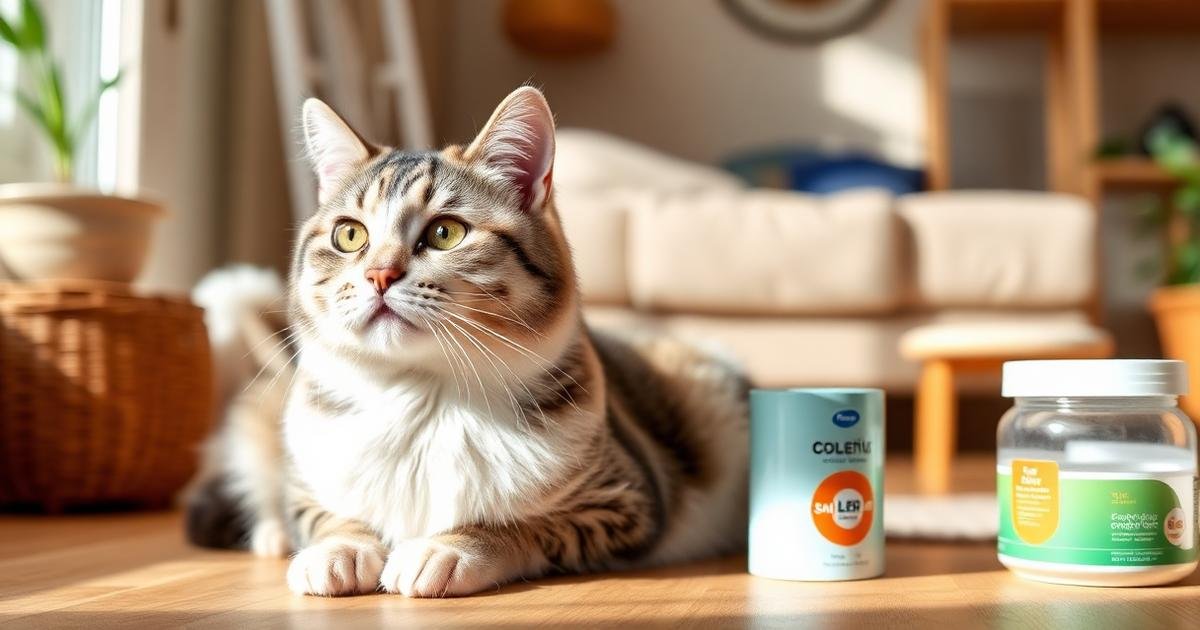
You love your cat. But finding shredded curtains at 3 AM or watching your usually calm kitty hide under the bed during thunderstorms is exhausting. You've tried everything, and you're searching for the best cat calming products to bring peace back into your home. The right solution starts with understanding why your cat is stressed in the first place — not just buying the first diffuser you see.
Best cat calming products: The best cat calming products address the root cause of your cat's stress — not just the symptoms. For most cats, synthetic feline pheromone diffusers (like Feliway), calming treats with L-theanine or tryptophan, and anxiety wraps that provide gentle pressure work best. But no product replaces a pro
This guide walks you through the root causes of feline anxiety, when to see a vet, and exactly what to look for in a calming product. You'll get a clear decision tree, a troubleshooting matrix, and a complete enrichment protocol so you can help your cat feel safe again.
Quick Answer: What Are the Best Cat Calming Products?
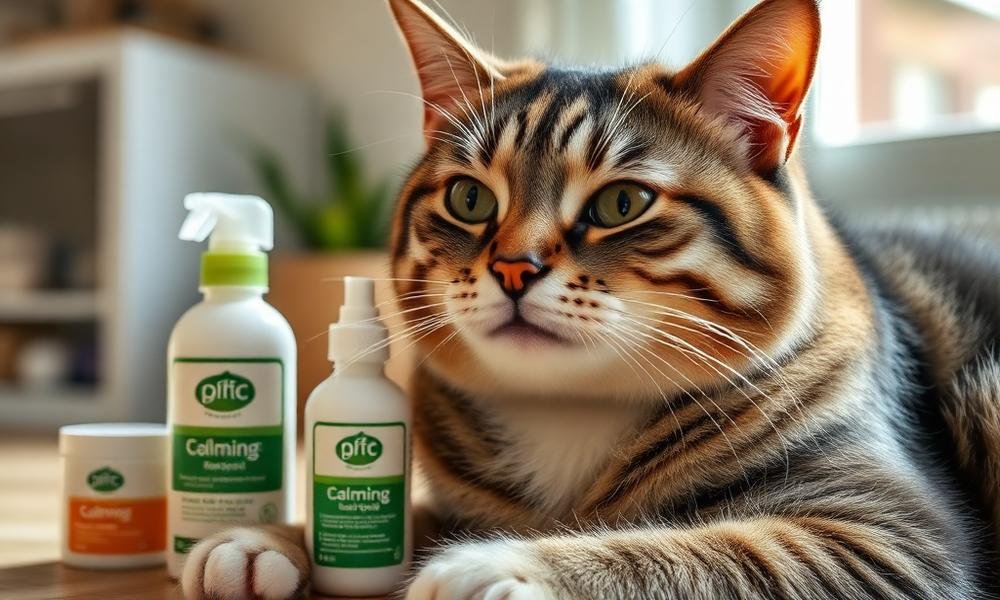
The best cat calming products address the root cause of your cat's stress — not just the symptoms. For most cats, synthetic feline pheromone diffusers (like Feliway), calming treats with L theanine or tryptophan, and anxiety wraps that provide gentle pressure work best. But no product replaces a proper diagnosis of why your cat is stressed in the first place.
For a complete guide on this topic, see the Cat Behavior Guide.
Why Your Cat Does This
It feels personal when your cat sprays on your favorite sweater or hisses at visitors. But it's not. Your cat is communicating the only way she knows how. Here are the most common root causes of stress driven behavior in cats.
Environmental Changes
Cats are creatures of habit. Moving to a new home, rearranging furniture, or even adding a new piece of furniture can trigger anxiety. Your cat's world is small and predictable — any disruption feels like a threat.
Territorial Insecurity
Indoor cats need to feel their space is safe. If a new pet enters the home, or if stray cats are visible outside a window, your cat may feel her territory is under siege. This often leads to spraying, hiding, or aggressive guarding of specific rooms.
Boredom and Under-Stimulation
An under stimulated cat is a stressed cat. Without enough play, hunting simulations, and vertical climbing space, your cat's natural instincts have no outlet. That energy turns into destructive behavior like scratching furniture or excessive meowing.
Separation Anxiety
Contrary to popular belief, cats do experience separation anxiety. If your cat becomes destructive or vocal only when you're away, she may be struggling with your absence. This is especially common in cats adopted during the pandemic who grew accustomed to constant human presence.
Medical Discomfort
Pain is a major stressor. Dental disease, arthritis, urinary tract infections, and hyperthyroidism can all cause behavioral changes that look like anxiety. Never assume it's "just" a behavioral issue without ruling out physical causes first.
Pro Tip: Keep a stress journal for one week. Note the time, location, and what was happening just before your cat showed signs of anxiety. Patterns will emerge that point directly to the root cause.
Root Cause Decision Tree
Match your cat's specific behavior to find the fastest fix:
| What you observe | Likely root cause | First fix to try |
|---|---|---|
| Urine spraying on vertical surfaces near doors or windows | Territorial insecurity from outdoor cats or new pets | Block visual access to windows, add pheromone diffuser near entry points |
| Excessive hiding under beds or in closets for days | Environmental change or fear based anxiety | Provide multiple safe hiding spots with two exits, use calming treats with L-theanine |
| Destructive scratching of furniture or carpets | Boredom and lack of appropriate scratching outlets | Add 2-3 scratching posts of different materials, schedule 15-minute play sessions twice daily |
| Aggression toward other household cats | Resource competition or redirected aggression | Separate cats completely, then reintroduce slowly with separate feeding stations and litter boxes |
| Excessive vocalization or pacing at night | Under stimulation during the day or hyperthyroidism | Increase active play sessions before bedtime, rule out medical causes with a vet |
| Sudden litter box avoidance in a previously well trained adult | Medical issue (UTI, arthritis) or litter box aversion | Vet visit first to rule out infection, then evaluate litter type and box location |
When This Is NOT Just Behavior
Before you spend a cent on the best cat calming products, you need to rule out medical causes. According to the
These red flags mean it's time for a vet visit, not a calming supplement:
- Sudden onset of anxiety in a cat over 7 years old — arthritis or cognitive dysfunction are common culprits
- Obsessive grooming or chewing of one specific spot on the body — could indicate skin irritation, allergies, or nerve pain
- Litter box avoidance accompanied by straining or crying — urinary tract infection or blockage
- Rapid weight loss or increased appetite with anxiety — hyperthyroidism is common in senior cats
- Any behavioral change that appeared literally overnight in an otherwise stable cat
Your vet can run basic bloodwork and a urinalysis to rule out the most common medical causes. This step is non negotiable before starting any behavioral modification plan.
Enrichment Protocol: The Foundation of Calm
No calming product will work long term if your cat's environment doesn't meet her needs. This enrichment protocol addresses the most common root causes of stress. Follow it consistently for 2–3 weeks before judging results.
- Physical exercise: At least 15 minutes of active play twice daily. Use wand toys that mimic prey — darting, hiding, and pouncing. End each session with a treat to simulate a successful hunt.
- Mental stimulation: Puzzle feeders for at least one meal per day. Food dispensing balls, snuffle mats, and treat dispensing puzzles keep your cat's brain engaged and reduce anxiety by providing a sense of control.
- Vertical territory: Every cat needs at least one high perch — a cat tree, shelf, or window hammock. Vertical space allows your cat to observe her territory from safety, which reduces territorial insecurity.
- Appropriate scratching outlets: Provide at least two scratching posts in different materials (sisal rope, cardboard, carpet). Place one near where your cat sleeps and one near where she scratches inappropriately.
- Predictable routine: Feed, play, and interact at the same times every day. Cats thrive on predictability. Even small changes in your schedule can trigger anxiety in sensitive cats.
- Safe hiding spots: Provide at least one covered hiding spot per cat, with two exits so your cat never feels trapped. Cardboard boxes, cat caves, and covered beds all work well.
Pro Tip: Try the "hunt-catch-kill-eat" sequence before bed. Use a wand toy for 10 minutes, let your cat catch the toy, then immediately offer a small meal or treat. This triggers your cat's natural sleep cycle and reduces nighttime anxiety.
What to Look For in the Best Cat Calming Products
Once you've addressed the environment and ruled out medical causes, the right product can make a real difference. But not all calming products are created equal. Here's what to look for.
Synthetic Pheromone Diffusers
These mimic the facial pheromones cats use to mark safe territory. Feliway is the most clinically studied option. Look for diffusers that cover at least 700 square feet and replace the refill every 30 days. Plug them in rooms where your cat spends the most time, not just where the problem occurs.
Calming Treats and Supplements
Effective ingredients include L-theanine (an amino acid found in green tea), tryptophan, and colostrum based products. Avoid treats with melatonin for cats — it's not well studied in felines and can cause drowsiness rather than true calm. Look for treats with at least 50mg of L theanine per serving.
Anxiety Wraps and Thundershirts
These apply gentle, constant pressure that has a calming effect on many cats. Make sure the wrap fits snugly but not tightly — you should be able to slip two fingers between the wrap and your cat's body. Introduce the wrap slowly with treats and positive association over 3–5 days.
Calming Collars
These release pheromones or herbal scents continuously. They're less effective than diffusers for widespread anxiety but can help for specific situations like car rides or vet visits. Replace collars monthly as the active ingredients degrade.
What to Avoid
Stay away from products containing essential oils like tea tree, peppermint, or citrus — these are toxic to cats. Avoid any product that makes vague claims without listing specific active ingredients. And never use products designed for dogs on your cat.
Pro Tip: Introduce any new calming product one at a time, with at least 5–7 days between additions. This way you'll know exactly which product is helping — or not helping — your cat.
Ready to find the right calming solution for your stressed cat? We've curated the most effective products based on vet recommendations and real owner reviews.
Browse Cat Products →
Troubleshooting Matrix
Use this matrix to identify your cat's specific pattern and find the most effective fix:
| Behavior pattern | Likely cause | What to do |
|---|---|---|
| Cat only shows anxiety when you leave the house | Separation anxiety | Practice short departures (2–5 minutes), leave a pheromone diffuser running, provide puzzle toys with treats before you leave. Expect improvement in 2–4 weeks. |
| Cat is anxious only during thunderstorms or fireworks | Noise phobia | Create a safe room with white noise, provide a covered hiding spot, use an anxiety wrap during events. Improvement can be immediate with the right setup. |
| Cat sprays urine on walls near windows and doors | Territorial insecurity | Block visual access to outdoors with frosted window film, add pheromone diffuser near entry points, provide more vertical territory. Expect reduced spraying in 2–3 weeks. |
| Cat is aggressive toward one specific household cat | Resource competition or redirected aggression | Separate cats completely, then reintroduce using the "scent swap" method over 2–4 weeks. Add separate feeding stations, litter boxes, and resting areas. |
| Cat hides and refuses to eat for more than 24 hours | Severe stress or medical issue | Vet visit immediately — this can indicate illness. After medical clearance, provide a quiet recovery space with food, water, and litter box within 3 feet. |
| Cat excessively grooms one spot until bald or raw | Pain, skin allergy, or stress | Vet visit to rule out skin conditions and pain. If medical causes are ruled out, increase environmental enrichment and consider a calming supplement with L-theanine. |
| Cat meows excessively at night but is calm during the day | Under stimulation or hyperthyroidism | For cats under 7, increase active play before bedtime. For cats over 7, vet visit to check thyroid levels. Expect improvement in 1–2 weeks with proper enrichment. |
For broader reference and guidance, aspca.org provides useful context on pet health and care decisions.
For broader reference and guidance, petmd.com provides useful context on pet health and care decisions.
Frequently Asked Questions
My cat only shows anxiety at night — why?
Cats are naturally crepuscular, meaning they're most active at dawn and dusk. If your cat is anxious at night, she likely has pent up energy from an under stimulating day. Increase active play sessions in the evening and provide puzzle feeders to tire her mind before bed.
Will my cat's anxiety stop on its own as she gets older?
No, it usually won't. In fact, anxiety often worsens with age as cognitive function declines and arthritis sets in. Senior cats need more environmental support, not less. Address the root cause now rather than waiting for it to resolve naturally.
Is this a sign of separation anxiety in my cat?
It could be. Cats with separation anxiety show distress specifically when you leave — not when you're home. Signs include destructive behavior that only happens in your absence, excessive meowing when you grab your keys, or waiting by the door for your return. A home camera can help you confirm this pattern.
How long until I see improvement with calming products?
Pheromone diffusers typically show noticeable improvement within 2–4 weeks of continuous use. Calming treats with L theanine can work within 30–60 minutes but are short-acting. Anxiety wraps provide immediate calming during specific events. Give any new product at least 3 weeks before deciding it doesn't work.
Should I punish or ignore my cat's anxious behavior?
Never punish your cat for stress related behavior. Punishment increases fear and makes the anxiety worse. Ignoring the behavior can help if it's attention-seeking, but most anxious behaviors need active intervention. Address the root cause instead of reacting to the symptom.
My cat only destroys one specific piece of furniture — what does this mean?
Your cat is likely marking that item with scent glands on her paws or face. She may be claiming it as part of her territory, especially if it's near a window or door. Place a scratching post next to the item and cover the furniture with a textured material like sisal to redirect her scratching instinct.
Learn more in our detailed guide on cat body language guide.