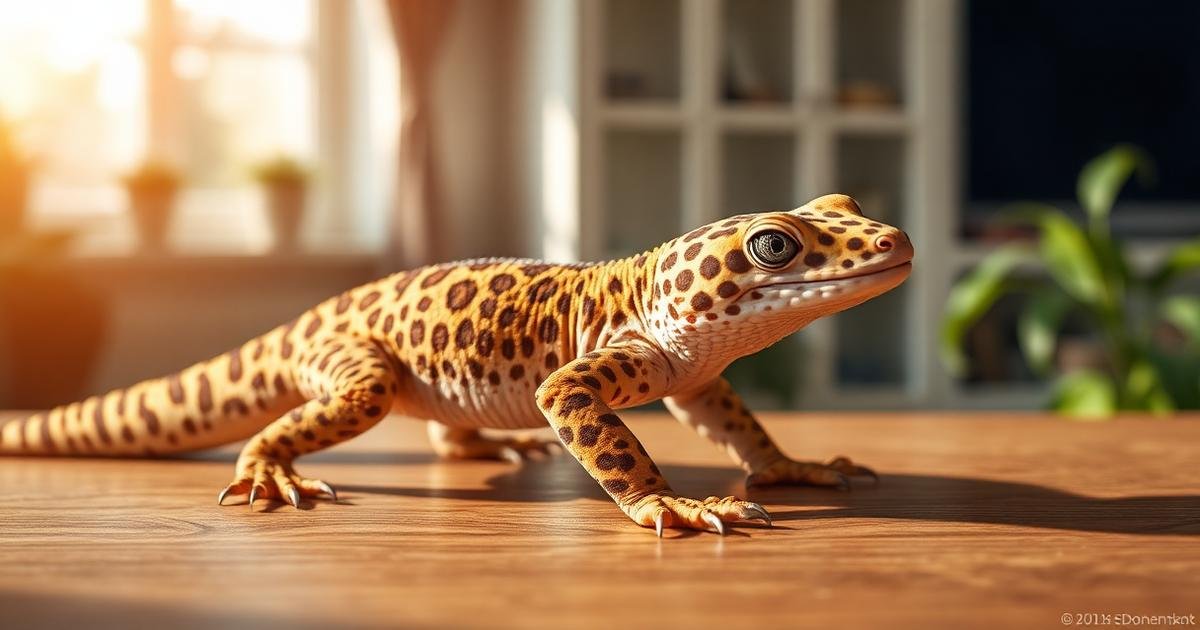
Leopard geckos are insectivores, meaning their diet consists entirely of live insects. In short, what do leopard geckos eat is a simple answer: a variety of gut loaded and dusted live insects, primarily crickets, dubia roaches, and black soldier fly larvae. This complete guide will walk you through every aspect of feeding your leopard gecko, from staple insects to essential supplements, feeding schedules, and common health pitfalls.
What do leopard geckos eat: Leopard geckos eat live insects exclusively. The best staple feeders are crickets, dubia roaches, and black soldier fly larvae. All insects must be gut-loaded (fed nutritious food for 24 hours before feeding) and dusted with calcium powder (without D3) at every feeding, plus a multivitamin once a we
Quick Answer: What Do Leopard Geckos Eat?
Leopard geckos eat live insects exclusively. The best staple feeders are crickets, dubia roaches, and black soldier fly larvae. All insects must be gut-loaded (fed nutritious food for 24 hours before feeding) and dusted with calcium powder (without D3) at every feeding, plus a multivitamin once a week. Feed adults 5–8 insects every other day, and juveniles daily. Never feed fruits, vegetables, or dead insects.
For a complete guide on this topic, see the Reptile Care Guide.
This what do leopard geckos eat decision works best when the owner compares daily fit, tolerance, and practical consistency together.
What Are the Best Staple Insects for Leopard Geckos?
The foundation of a healthy leopard gecko diet is variety. No single insect provides complete nutrition, so rotating between three to four staple feeders is critical for long term health. A monotonous diet leads to nutritional deficiencies and picky eating habits.
For many homes, the right what do leopard geckos eat choice is the one that stays reliable under ordinary daily conditions.
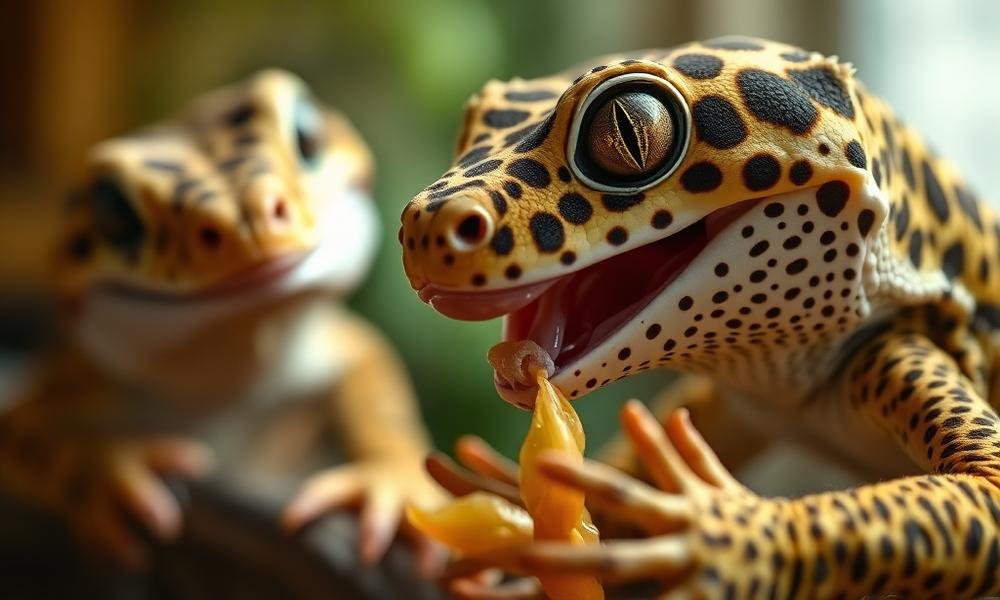
Crickets are the most popular choice because they're widely available and easy to gut-load. They're high in protein but relatively low in fat, making them ideal for adult geckos. Always buy from a reputable source to avoid parasites. Crickets from big box pet stores sometimes carry pathogens, so quarantine new feeders for 24 hours.
A well matched what do leopard geckos eat option should support the pet clearly without making the routine harder to maintain.
Dubia roaches are arguably the best staple feeder. They have a better calcium-to phosphorus ratio than crickets, are less likely to escape, and don't smell. Many leopard geckos prefer them over crickets once they've tried them. Dubias are also quieter and live longer in storage, which makes them convenient for weekly meal prep.
Black soldier fly larvae (also called CalciWorms or Phoenix Worms) are naturally high in calcium, which reduces the need for supplementation. They're small and soft-bodied, perfect for juveniles or geckos recovering from illness. Their soft exoskeleton makes them easy to digest, and they're one of the few feeders that don't need dusting at every meal.
Pro Tip: Never feed your leopard gecko wild caught insects. They can carry pesticides, parasites, or diseases that can be fatal. Always purchase feeder insects from a pet store or reputable online breeder. A single wild cricket can introduce a parasite load that takes months to treat.
Mealworms are a common staple, but use them in moderation. Their hard exoskeleton can be difficult to digest, and they're higher in fat than crickets or roaches. For adult geckos, limit mealworms to 25–research suggests 30% of the diet. If you notice undigested mealworm pieces in your gecko's stool, reduce frequency immediately.
Hornworms are an excellent occasional treat. They're high in moisture, which helps with hydration, but they're low in calcium. Offer one hornworm per week as a reward or to encourage a picky eater. Their bright color and movement often trigger a strong feeding response.
How Often Should You Feed a Leopard Gecko?
Feeding frequency depends entirely on your gecko's age. Hatchlings and juveniles (under 6 months) need daily feedings to support rapid growth. Offer as many appropriately sized insects as they'll eat in 10–15 minutes. Juvenile geckos can consume 8–12 small insects per session without overeating.
Sub-adults (6–12 months) can transition to feeding every other day. Reduce the portion size to 6–8 insects per feeding. This prevents obesity while still supporting continued growth. Watch their tail thickness closely during this transition — a thin tail means you're underfeeding.
Adult leopard geckos (over 12 months) should eat 5–8 insects every 2–3 days. Many owners make the mistake of overfeeding adults, which leads to fatty liver disease and shortened lifespan. A healthy adult gecko has a tail that's as wide as its body. If the tail exceeds the neck width, cut back portions by research suggests 20%.
Seasonal changes matter too. During winter months, many leopard geckos naturally eat less due to brumation instincts. If your gecko refuses food for 1–2 weeks during winter, don't panic — this is normal as long as they maintain a healthy weight. Offer food every 4–5 days instead of forcing daily feedings.
Pro Tip: Always feed your leopard gecko in the evening, 1–2 hours after their lights turn off. They're crepuscular, meaning they're most active at dawn and dusk. Feeding at the wrong time can stress them out and lead to food refusal. Use a timer for consistent lighting cycles.
Breeding females have different nutritional needs. A gravid (egg-carrying) female should eat every day with extra calcium dusting. Increase portion sizes by 30–research suggests 40% to support egg production. After laying, reduce feedings back to normal to prevent obesity.
What Supplements Do Leopard Geckos Need?
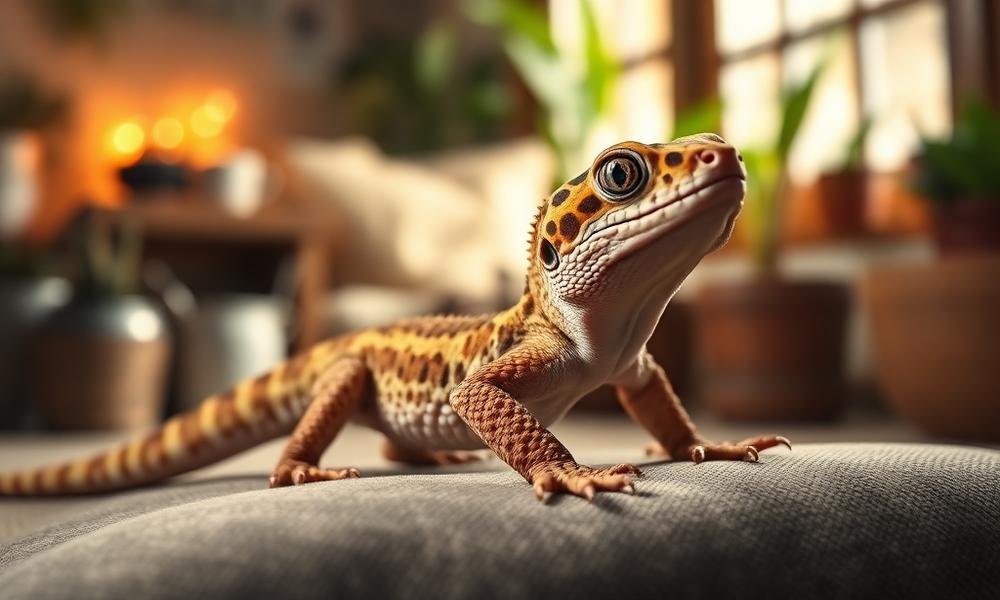
Supplementation is non negotiable for captive leopard geckos. In the wild, they eat a diverse range of insects that provide balanced nutrition. Captive bred insects lack this diversity, so you must add essential vitamins and minerals. Skipping supplements for even 2–3 weeks can trigger early signs of metabolic bone disease.
Calcium powder without vitamin D3 should be dusted on every feeding. Leopard geckos need calcium for bone health, egg production (in females), and proper nerve function. Without it, they develop metabolic bone disease, which is irreversible. Use a shaker bottle to apply a light, even coating — not clumps.
A multivitamin with vitamin D3 should be used once a week. Vitamin D3 helps your gecko absorb calcium. Since they get UVB from their enclosure's lighting, the D3 in supplements provides an extra safety net. Over-supplementing D3 is dangerous, so stick to the weekly schedule.
Gut loading is equally important. Feed your feeder insects a high quality gut-load diet (like Fluker's or Repashy) for 24–48 hours before offering them to your gecko. This passes essential nutrients directly to your pet. Gut loading with fresh vegetables like collard greens, sweet potatoes, and carrots is also effective.
Calcium with D3 should only be used once or twice per month, not daily. Too much D3 causes hypercalcemia, which damages the kidneys and soft tissues. Label your supplement containers clearly to avoid confusion during rushed feedings.
Ready to upgrade your leopard gecko's feeding setup?
Browse Reptile Options →
What Foods Are Toxic to Leopard Geckos?
Many new owners wonder if leopard geckos can eat fruits, vegetables, or human food. The answer is a definitive no. Leopard geckos lack the digestive enzymes to process plant matter, and feeding it can cause serious health problems. Their digestive tract is designed exclusively for insect protein and chitin.
Never feed your leopard gecko: fruits (including bananas, berries, or melons), vegetables (lettuce, carrots, spinach), meat (chicken, beef, eggs), or dairy products. These foods can cause impaction, diarrhea, or pancreatitis. Even a single grape can cause fatal bloating in a small gecko.
Fireflies are deadly to leopard geckos. They contain a toxin called lucibufagins that is fatal even in tiny amounts. Never let your gecko near wild insects, especially fireflies or lightning bugs. A single firefly can kill an adult gecko within 30 minutes.
Waxworms and superworms should be treated as treats, not staples. Waxworms are extremely high in fat (around research suggests 30% fat content) and can cause obesity if fed more than 1–2 per week. Superworms have a hard exoskeleton that can cause impaction in smaller geckos. Offer these no more than once weekly.
Pro Tip: If you're unsure whether an insect is safe, err on the side of caution. Stick to the five proven staple feeders: crickets, dubia roaches, black soldier fly larvae, mealworms (in moderation), and hornworms (as occasional treats). Avoid pinky mice — they're too high in fat and protein for leopard geckos.
Pinky mice are sometimes recommended for breeding females, but this is outdated advice. Modern reptile nutrition research from the

How to Tell If Your Leopard Gecko Is Eating Enough
Monitoring your gecko's body condition is more reliable than counting insects. A healthy leopard gecko has a thick, rounded tail that stores fat reserves. The tail should be as wide as the neck or slightly wider. Check tail thickness weekly and note any changes.
Signs of underfeeding include: a thin, narrow tail, visible ribs or spine, lethargy, and sunken eyes. If you notice these signs, increase feeding frequency or portion size immediately. Consult a reptile veterinarian if the condition doesn't improve within 1–2 weeks. Weight loss of more than research suggests 10% body mass is an emergency.
Signs of overfeeding include: an excessively fat tail (wider than the body), difficulty moving, and fat pads under the armpits. Overweight geckos need reduced feeding frequency and smaller portions. Obesity is a leading cause of early death in captive leopard geckos, cutting lifespan by 3–5 years.
| Behavior | Likely Cause | Solution |
|---|---|---|
| Refusing food for 1–2 weeks | Brumation or stress | Check enclosure temperature (88–92°F hot spot). Wait 1 week before offering again. Reduce handling. |
| Eating but losing weight | Parasites or illness | Schedule a fecal exam with a reptile vet immediately. Bring a fresh stool sample. |
| Only eating one insect type | Pickiness or boredom | Try different feeder insects. Rub a cricket on a dubia roach to transfer scent. Fast for 1–2 days before offering variety. |
| Regurgitating food | Too large insects or cold enclosure | Feed smaller insects. Verify hot spot temperature with a thermometer. Wait 48 hours before next feeding. |
Juvenile geckos should eat daily and grow visibly within 2–3 weeks. If a juvenile refuses food for more than 3 days, check your enclosure temperatures and humidity. Low temperatures (below 75°F) slow digestion and suppress appetite. Also check for stuck shed on toes or eyes, which causes stress.
Weigh your gecko monthly with a kitchen scale. A healthy adult should maintain a stable weight between 45–80 grams depending on genetics. Sudden drops of 5 grams or more warrant a vet visit. Track weights in a notebook to spot trends early.
How to Properly Gut Load Feeder Insects
Gut loading is the practice of feeding nutritious food to your feeder insects so those nutrients pass to your gecko. This is one of the most overlooked aspects of leopard gecko nutrition. Without proper gut-loading, even dusted insects provide incomplete nutrition.
Start gut-loading 24–48 hours before feeding. Place your feeder insects in a ventilated container with a commercial gut load diet or fresh vegetables. Good options include collard greens, sweet potatoes, carrots, and squash. Avoid iceberg lettuce — it has zero nutritional value and fills insects with water only.
Provide a moisture source like a carrot slice or water crystals. Dehydrated insects have lower nutrient content and can cause constipation in your gecko. Replace gut load food every 12 hours to prevent spoilage. Remove any uneaten vegetables before they rot.
Never gut load with dog food, cat food, or fish flakes. These contain too much protein and fat for feeder insects, which then passes to your gecko and causes kidney strain. Stick to reptile specific gut-load products or fresh vegetables recommended by the
Pro Tip: Keep a separate container of "gut-loading" insects and "feeding" insects. This way, you always have a fresh batch ready. Rotate your gut load ingredients weekly — variety in the insect's diet means variety in your gecko's nutrition.
The results of proper gut loading are visible within 2–3 weeks. Your gecko will have brighter colors, more energy, and a healthier shed cycle. If you notice dull coloration or incomplete sheds, review your gut loading routine first before changing supplements.
Can Leopard Geckos Eat Pinky Mice or Eggs?
This is a common question from new owners, especially those with breeding females. The short answer is no. Leopard geckos are insectivores, not carnivores. Their digestive system is designed for insects, not vertebrate protein.
Pinky mice are extremely high in fat and protein. Feeding them to a leopard gecko can cause obesity, pancreatitis, and kidney failure within months. Even breeding females don't need them — extra calcium and protein from gut loaded insects is sufficient for egg production.
Eggs (scrambled or raw) are also dangerous. Leopard geckos cannot digest egg whites properly, and raw eggs carry salmonella risk. Stick to insects for all nutritional needs. If your gecko is underweight, increase insect frequency and variety rather than adding inappropriate foods.
The only exception is for geckos with severe medical conditions under veterinary supervision. Some reptile vets recommend occasional pinky mice for geckos recovering from surgery or illness, but this is rare and always temporary. Never attempt this without professional guidance.
For broader reference and guidance, akc.org provides useful context on pet health and care decisions.
For broader reference and guidance, petmd.com provides useful context on pet health and care decisions.
Frequently Asked Questions
Can leopard geckos eat fruits or vegetables?
No. Leopard geckos are strict insectivores and cannot digest plant matter. Feeding fruits or vegetables can cause digestive upset, impaction, or malnutrition. Stick to live insects only. Even small amounts of fruit sugar can disrupt their gut flora.
How many crickets should I feed my leopard gecko per day?
For adults: 5–8 crickets every 2–3 days. For juveniles: 8–12 crickets daily. Adjust based on your gecko's body condition — the tail should be thick but not wider than the body. If crickets remain uneaten after 15 minutes, reduce portion size next time.
Can leopard geckos eat dead insects?
No. Leopard geckos are instinctual hunters and only eat moving prey. Dead insects don't trigger their feeding response and can harbor bacteria that cause illness. Always offer live insects. If you must pre kill for a sick gecko, offer within 5 minutes of death.
What is the best calcium supplement for leopard geckos?
Use a calcium powder without vitamin D3 for every feeding, and a multivitamin with D3 once weekly. Repashy Calcium Plus and Zoo Med Repti Calcium are widely recommended by reptile veterinarians. Avoid calcium blocks or liquid supplements — powders provide the most control over dosage.
Can leopard geckos eat mealworms every day?
No. Mealworms are high in fat and have a hard exoskeleton that can cause impaction if fed too often. Limit them to 25–research suggests 30% of the diet and rotate with crickets, dubia roaches, and black soldier fly larvae. If you see undigested mealworm shells in stool, cut back immediately.
How do I know if my leopard gecko is overweight?
An overweight gecko has a tail wider than its body, fat pads under the armpits, and difficulty climbing or moving. Reduce feeding to every 3 days and switch to lower fat insects like crickets or dubia roaches. Weigh monthly — a healthy adult should not exceed 80 grams.
Do leopard geckos need water if they eat insects?
Yes. Always provide a shallow water dish with fresh, dechlorinated water. Change it daily. Leopard geckos drink by lapping water, and dehydration causes shedding problems and kidney stress. Place the dish on the cool side of the enclosure to prevent evaporation.
Can leopard geckos eat hornworms?
Yes, as an occasional treat. Hornworms are high in moisture and low in calcium. Offer one per week maximum. They're excellent for hydration but shouldn't replace staple feeders. Their bright green color often entices picky eaters who refuse crickets.
For more on this topic, see our guide to what do bearded dragons eat.
For more on this topic, see our guide to do reptiles make good pets.