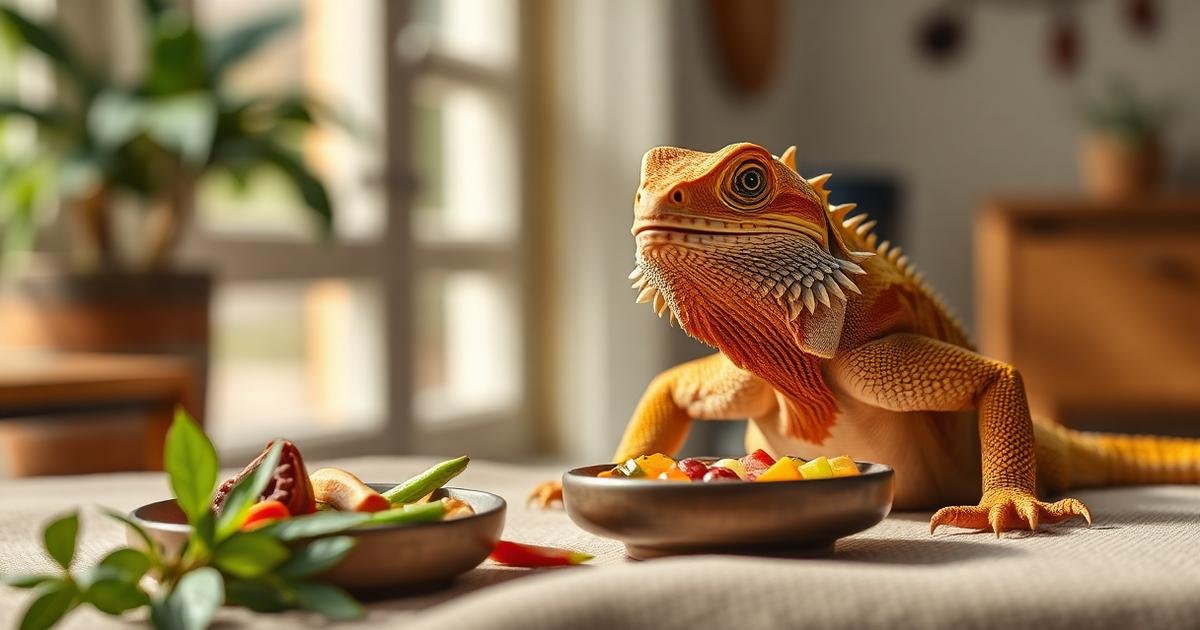
Finding the best bearded dragon food is crucial for your reptile's health and longevity. The ideal diet combines live insects, fresh vegetables, and a high quality commercial pellet, with the specific ratio depending on your dragon's age. For the most balanced nutrition, a combination of Dubia roaches, collard greens, and a reputable pellet like Repashy or Zoo Med is your safest bet.
Best bearded dragon food: The best bearded dragon food is a varied diet of 80% live insects and 20% greens for juveniles, flipping to 20% insects and 80% greens for adults. Top insect choices are Dubia roaches and black soldier fly larvae. Best greens are collard, mustard, and turnip greens. Always dust with calcium and vita
Quick Answer: What is the best food for a bearded dragon?
The best bearded dragon food is a varied diet of research suggests 80% live insects and research suggests 20% greens for juveniles, flipping to research suggests 20% insects and research suggests 80% greens for adults. Top insect choices are Dubia roaches and black soldier fly larvae. Best greens are collard, mustard, and turnip greens. Always dust with calcium and vitamin D3 powder.
For a complete guide on this topic, see the Reptile Care Guide.
What Nutrients Does Your Bearded Dragon Actually Need?
Bearded dragons are omnivores, meaning they need both animal protein and plant matter. The exact ratio shifts dramatically as they age. A juvenile dragon (under 12 months) needs about research suggests 80% protein from insects to fuel rapid growth, while an adult (over 18 months) needs only research suggests 20% insects and research suggests 80% vegetables to prevent obesity and organ strain.
The critical nutrients are calcium and vitamin D3. Without adequate calcium, your dragon develops metabolic bone disease (MBD), which causes soft jaws, tremors, and paralysis. According to the
Protein quality matters too. The best insects have a low-fat, high calcium profile. Avoid feeding mealworms or superworms as staples—they are too high in fat and chitin (hard exoskeleton) which can cause impaction. Stick to Dubia roaches, black soldier fly larvae (NutriGrubs), and crickets.
Pro Tip: Gut load your feeder insects for 24 hours before feeding them to your dragon. Feed the insects high calcium greens like collard greens or a commercial gut load formula. This doubles the nutritional value your dragon gets from each bite.
How to Choose the Best Bearded Dragon Food: A Buying Guide
When you search for the best bearded dragon food, you'll find pellets, freeze dried insects, and canned options. But not all are created equal. Here's what to look for on the label.
Check the Calcium-to Phosphorus Ratio
The ideal calcium-to phosphorus ratio for bearded dragons is 2:1 or higher. Phosphorus binds to calcium in the gut, preventing absorption. If a pellet or vegetable has more phosphorus than calcium (like spinach or kale), it's not suitable as a staple. Look for products that explicitly state the calcium content on the label.
Read the Ingredient List
The first ingredient should be a whole protein source (like chicken meal or insect meal), not grains or fillers. Avoid foods with added sugars, artificial colors, or ethoxyquin (a preservative linked to health issues). The
Consider the Form
Pellets are convenient but should never be the sole diet. They lack moisture and variety. Freeze dried insects are good for convenience but lose some nutrients in processing. Canned insects are fine as treats but are low in calcium. The best approach is a rotation: fresh greens daily, live insects 3–5 times per week (depending on age), and pellets as a supplemental base.
Top 5 Best Bearded Dragon Foods Compared
| Product | Best For | Key Features | Calcium:Phosphorus |
|---|---|---|---|
| Repashy Grub Pie | Juveniles & picky eaters | Insect based gel, high moisture, balanced | 2:1 |
| Zoo Med Natural Adult Bearded Dragon Food | Adults | Low protein, high fiber, pellet form | 1.5:1 |
| Fluker's Buffet Blend | Variety seekers | Freeze dried insects, pellets, dried fruit | 1:1 (supplement needed) |
| Dubia Roaches (live) | Protein staple | High calcium, low fat, easy to gut-load | 2:1 |
| Black Soldier Fly Larvae (NutriGrubs) | Calcium boost | Naturally high in calcium, no dusting needed | 1.5:1 |
All these options can form part of the best bearded dragon food rotation. The key is to use them in the right proportions for your dragon's life stage. For a juvenile, prioritize the live insects and Repashy. For an adult, lean heavily on Zoo Med pellets and fresh greens.
How to Safely Transition Your Bearded Dragon to a New Diet
Switching your dragon's food abruptly can cause stress, refusal to eat, or digestive upset like diarrhea. A slow transition over 1–2 weeks is essential for success. Start by mixing research suggests 25% of the new food with research suggests 75% of the old food for the first 3–4 days.
If your dragon refuses the new food entirely, try offering it first thing in the morning when they are hungriest. You can also mash or soften pellets with a bit of warm water to make them more appealing. For picky eaters, hand feeding a single live insect dusted with calcium can build trust and encourage exploration of new options.
Monitor your dragon's stool during the transition. Healthy droppings should have a formed brown part (feces) and a white or off white urate. If you see undigested food or runny stool, slow the transition down. Most dragons fully accept a new diet within 10–14 days with consistent gentle exposure.
Pro Tip: Never starve your dragon into accepting a new food. Bearded dragons can go several days without eating, but forcing a hunger strike stresses their immune system. Patience and variety are more effective than withholding food.
Which Vegetables and Fruits Are Safe for Bearded Dragons?
Not all greens are created equal. The best staples are dark, leafy greens with high calcium and low oxalates. Oxalates bind calcium, so you want minimal amounts. Safe daily staples include collard greens, mustard greens, turnip greens, dandelion greens, and butternut squash. You can feed these every day without issue.
Occasional treats (once or twice a week) include bell peppers, blueberries, raspberries, and shredded carrots. Avoid spinach, kale, and Swiss chard as staples—they are high in oxalates. Also avoid lettuce (no nutritional value), avocado (toxic), and rhubarb (toxic).
Always chop vegetables into pieces smaller than the space between your dragon's eyes to prevent choking. For babies, this means finely shredded. For adults, you can offer larger chunks they can bite. Wash all produce thoroughly to remove pesticide residue before serving.
Pro Tip: Use a kitchen scale to measure portions. For an adult dragon, a serving of greens should be about the size of their head. For insects, offer as many as they can eat in 10–15 minutes. Remove uneaten insects to prevent them from biting your dragon while it sleeps.
How Often Should You Feed Your Bearded Dragon?
Feeding frequency depends entirely on age. Hatchlings (under 3 months) need 3–4 feedings per day of small insects. Juveniles (3–12 months) need 2–3 feedings per day. Adults (over 18 months) need only 1 feeding per day, and some keepers feed every other day to prevent obesity.
A common mistake is overfeeding adults. Bearded dragons are opportunistic eaters—they will eat until they are sick. Obesity leads to fatty liver disease, which is often fatal. According to
For greens, offer a fresh bowl daily. Remove any uneaten greens after 24 hours. For insects, feed them in a separate enclosure (like a plastic tub) to prevent your dragon from eating substrate and to make cleanup easier. This also allows you to accurately count how many insects your dragon actually consumed.
What About Supplements and Gut-Loading?
Supplements are non negotiable for captive bearded dragons. Without UVB lighting and proper supplementation, they cannot synthesize vitamin D3, which is required to absorb calcium. You need two powders: a calcium powder (without D3) for daily use, and a multivitamin powder (with D3) used 2–3 times per week.
Gut loading is the practice of feeding your feeder insects a nutritious diet for 24–48 hours before feeding them to your dragon. This dramatically increases the nutritional value of the insects. You can use commercial gut load formulas or feed them the same greens your dragon eats. Never feed insects carrots or potatoes—these are high in beta carotene but low in calcium.
The best bearded dragon food routine includes dusting insects with calcium at every feeding for juveniles, and 3 times per week for adults. Use the multivitamin powder on alternate days. Store all supplements in a cool, dark place and replace them every 6 months to ensure potency.
Common Feeding Mistakes That Harm Your Dragon
Even experienced owners make errors that compromise their dragon's health. One of the most common is relying too heavily on a single food source. Feeding only crickets, for example, creates a protein imbalance and can lead to gout. Always rotate at least two insect types and three green varieties each week.
Another frequent mistake is ignoring the temperature of the food. Bearded dragons are cold blooded and digest food best at basking temperatures of 95–105°F. If your enclosure is too cold, your dragon cannot properly digest its meal, leading to regurgitation or impaction. Always check your basking spot temperature with a digital thermometer before feeding.
Finally, many owners forget to remove uneaten live insects from the enclosure at night. Crickets and roaches will bite your sleeping dragon, causing stress, wounds, and potential infections. Remove all live insects after 15 minutes of feeding time. This simple habit prevents countless health problems.
For broader reference and guidance, akc.org provides useful context on pet health and care decisions.
For broader reference and guidance, petmd.com provides useful context on pet health and care decisions.
Frequently Asked Questions
Can bearded dragons eat only pellets?
No, pellets should not be the sole diet. They lack moisture, variety, and live enzymes. A diet of only pellets can lead to dehydration, obesity, and nutritional deficiencies. Always supplement with fresh greens and live insects.
Is it safe to feed my bearded dragon wild caught insects?
No. Wild caught insects may carry parasites, pesticides, or toxic chemicals. They can also bite your dragon. Only feed commercially raised insects from reputable suppliers to ensure safety.
How do I know if my bearded dragon is getting enough calcium?
Signs of calcium deficiency include lethargy, soft or swollen jaw, tremors, and difficulty walking. If you notice these symptoms, increase calcium dusting immediately and consult a reptile vet. Regular fecal exams can also check for underlying issues.
Can bearded dragons eat fruit every day?
No. Fruit is high in sugar and should be limited to once or twice a week as a treat. Too much fruit can cause diarrhea, obesity, and metabolic issues. Stick to low sugar options like blueberries and raspberries.
What is the best insect for a baby bearded dragon?
For babies, the best insects are small (1/4 inch) Dubia roaches or pinhead crickets. They are high in protein and low in fat. Avoid mealworms and superworms until your dragon is over 12 months old to prevent impaction.
How long can a bearded dragon go without food?
Adult bearded dragons can go 1–2 weeks without food, though this is not recommended. Juveniles need food every 24–48 hours. If your dragon stops eating for more than a few days, check temperatures and UVB levels first, then consult a vet.
Can I feed my bearded dragon frozen thawed insects?
Yes, but only as an occasional supplement. Frozen thawed insects lose some nutritional value and moisture during processing. They are convenient but should not replace live insects as the primary protein source.
Why does my bearded dragon refuse to eat greens?
Many dragons are picky about greens, especially if they were raised on insects only. Try mixing finely chopped greens with a small amount of fruit like mashed blueberries to entice them. Persistence over 2–3 weeks usually works.
Ready to upgrade your dragon's diet with top quality pellets and live feeder insects?
Browse Reptile Options →