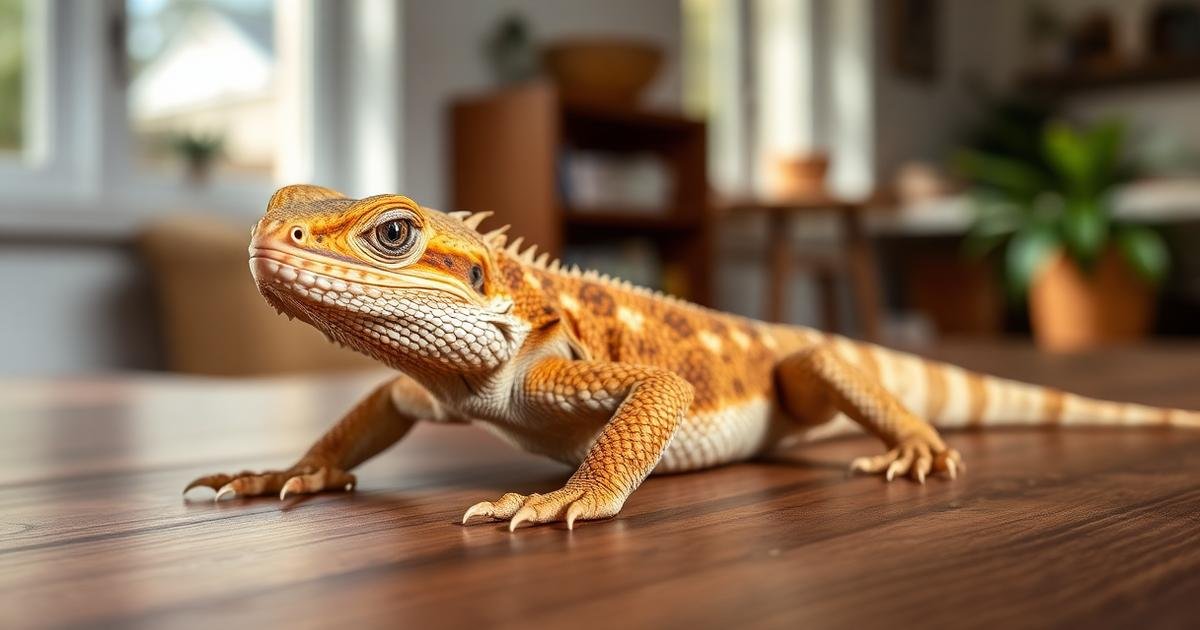
Bearded dragons make fantastic reptile companions, but they require specific care to thrive. This bearded dragon care guide covers everything you need to know — from setting up the perfect enclosure to feeding, health monitoring, and handling. By following these expert backed steps, you can give your bearded dragon a long, healthy life of 8–12 years.
Bearded dragon care guide: The most critical aspect of bearded dragon care is providing the correct temperature gradient (95–105°F basking spot, 75–85°F cool side) and proper UVB lighting for 10–12 hours daily. Without this, your dragon cannot digest food, absorb calcium, or regulate its body temperature — leading to metaboli
Quick Answer: What is the most important thing for bearded dragon care?
The most critical aspect of bearded dragon care is providing the correct temperature gradient (95–105°F basking spot, 75–85°F cool side) and proper UVB lighting for 10–12 hours daily. Without this, your dragon cannot digest food, absorb calcium, or regulate its body temperature — leading to metabolic bone disease and other serious health issues. Start with a 40-gallon tank, linear UVB tube, and digital thermometers to get it right.
For a complete guide on this topic, see the Reptile Care Guide.
This bearded dragon care guide decision works best when the owner compares daily fit, tolerance, and practical consistency together.
Setting Up the Perfect Bearded Dragon Enclosure
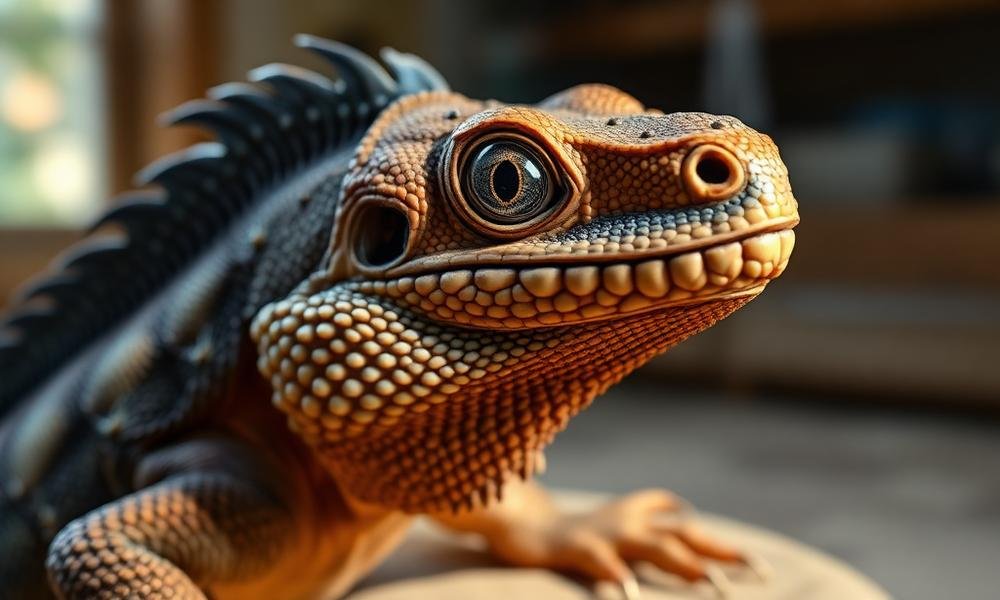
Your bearded dragon's tank is its entire world. Get this wrong, and nothing else matters. A 40-gallon breeder tank (36 x 18 x 18 inches) is the absolute minimum for an adult. Bigger is always better — a 75-gallon or 120-gallon enclosure gives your dragon room to explore, climb, and thermoregulate properly.
For many homes, the right bearded dragon care guide choice is the one that stays reliable under ordinary daily conditions.
Juveniles can start in a 20-gallon tank, but they grow fast. Within 6–12 months, you'll need the adult setup. Save yourself money and stress by starting with the full sized enclosure from day one.
A well matched bearded dragon care guide option should support the pet clearly without making the routine harder to maintain.
Pro Tip: Use a front opening enclosure rather than a top opening one. Bearded dragons see movement from above as a predator threat. Front doors reduce stress and make handling easier.
Substrate choice matters more than most owners realize. For juveniles under 6 months, paper towels or reptile carpet are safest — loose substrate can cause impaction if swallowed. Adults can use tile, slate, or a sand soil mix (research suggests 70% organic topsoil, research suggests 30% washed play sand) if husbandry is perfect. Avoid calcium sand, walnut shells, or wood shavings — these cause serious digestive blockages.
Furniture matters too. Provide at least two hiding spots — one on the warm side and one on the cool side. Add climbing branches, basking platforms, and a rough surface for nail trimming. A water dish large enough for soaking but shallow enough to prevent drowning is essential. Change the water daily and scrub the dish weekly to prevent bacterial growth.
What Temperature and Lighting Does a Bearded Dragon Need?
Bearded dragons are ectothermic — they rely entirely on external heat to function. Your enclosure needs a clear temperature gradient. The basking spot should hit 95–105°F (measured with a digital thermometer at the dragon's back level). The cool side stays at 75–85°F. Nighttime temperatures can drop to 65–75°F.
UVB lighting is non-negotiable. Without it, your dragon cannot synthesize vitamin D3, which means it cannot absorb calcium. This directly causes metabolic bone disease — a painful, often fatal condition. Use a linear UVB tube (not a coil bulb) covering at least two thirds of the enclosure. Replace the bulb every 6–12 months even if it still lights up — UVB output degrades over time.
Set a timer for 10–12 hours of light daily. Bearded dragons need a distinct day/night cycle. At night, turn off all lights — including colored "night bulbs" which disrupt sleep. If temps drop below 65°F, use a ceramic heat emitter on a thermostat for supplemental heat.
Pro Tip: Place the UVB bulb directly above the basking spot, not off to the side. In the wild, bearded dragons bask in direct sun. The UVB must hit the same area as the heat for proper absorption.
According to the AVMA's pet owner resources, improper lighting and temperature are the most common causes of illness in captive reptiles. Invest in quality equipment upfront — it's cheaper than emergency vet visits. Use a thermostat for all heat sources to prevent burns and temperature spikes.
What Should You Feed a Bearded Dragon?
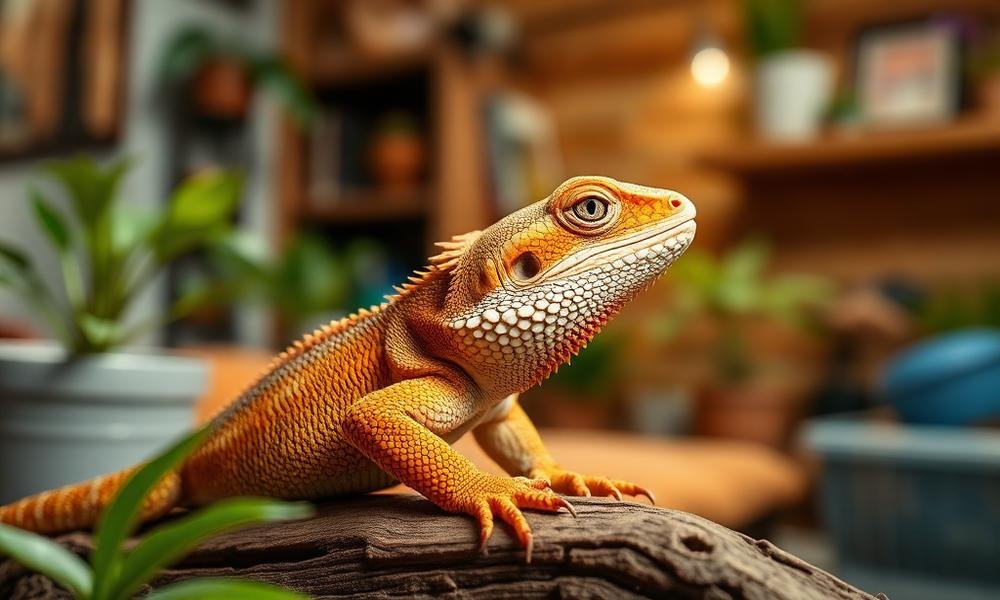
Bearded dragons are omnivores, and their diet changes as they grow. Juveniles (under 18 months) need about research suggests 80% insects and research suggests 20% greens. Adults shift to research suggests 80% greens and research suggests 20% insects. This is a common mistake new owners make — feeding too many bugs to an adult dragon leads to obesity and fatty liver disease.
Insects: The Protein Source
Staple feeders include dubia roaches, black soldier fly larvae, and crickets. Mealworms and superworms are treats only — they're high in fat and low in nutrition. Feed insects that are no larger than the space between your dragon's eyes to prevent impaction. Gut load your insects (feed them nutritious food) for 24 hours before offering them to your dragon. Dust them with calcium powder immediately before feeding.
Greens and Vegetables
Offer a daily salad of dark leafy greens — collard greens, mustard greens, dandelion greens, and turnip greens are excellent. Avoid spinach, kale, and Swiss chard in large amounts — they bind calcium. Add chopped vegetables like squash, bell peppers, and carrots. Fruits (berries, mango, papaya) are treats, making up less than research suggests 5% of the diet.
Pro Tip: Dust insects with calcium powder (without vitamin D3) at every feeding for juveniles, and 3–4 times weekly for adults. Use a multivitamin powder once a week. This prevents metabolic bone disease and vitamin deficiencies.
Feed juveniles 2–3 times daily for 10–15 minutes each session. Adults eat once daily. Remove uneaten insects after 15 minutes — they can bite your dragon and cause stress. Offer greens in the morning and insects in the afternoon to mimic natural foraging patterns.
How Do You Set Up a Proper Hydration and Humidity Routine?
Bearded dragons come from arid Australian deserts, but they still need access to water. Provide a shallow water dish at all times — change it daily and scrub it weekly. Many dragons won't drink from standing water, so misting is essential. Mist your dragon's face and enclosure walls 1–2 times daily, especially during shedding.
Humidity should stay between 30–research suggests 40%. Too low (under research suggests 20%) causes dehydration and stuck shed. Too high (over research suggests 50%) promotes respiratory infections and scale rot. Use a digital hygrometer to monitor levels. If humidity is too low, add a larger water dish or mist more frequently. If too high, increase ventilation by switching to a screen top or adding a small fan near the enclosure.
Bathing is another hydration tool. Give your dragon a warm bath (85–95°F, water up to the elbows) 2–3 times per week for 15–20 minutes. Supervise constantly — bearded dragons can drown in shallow water. Bathing also encourages drinking, stimulates bowel movements, and helps loosen stuck shed. Many dragons will drink during baths, so this is an excellent way to boost hydration.
Watch for dehydration signs — wrinkled skin, sunken eyes, thick urates (the white part of their waste), and lethargy. If you notice these, increase misting and bathing frequency immediately. Persistent dehydration requires a vet visit to rule out underlying kidney issues.
How Often Should You Handle and Bathe a Bearded Dragon?
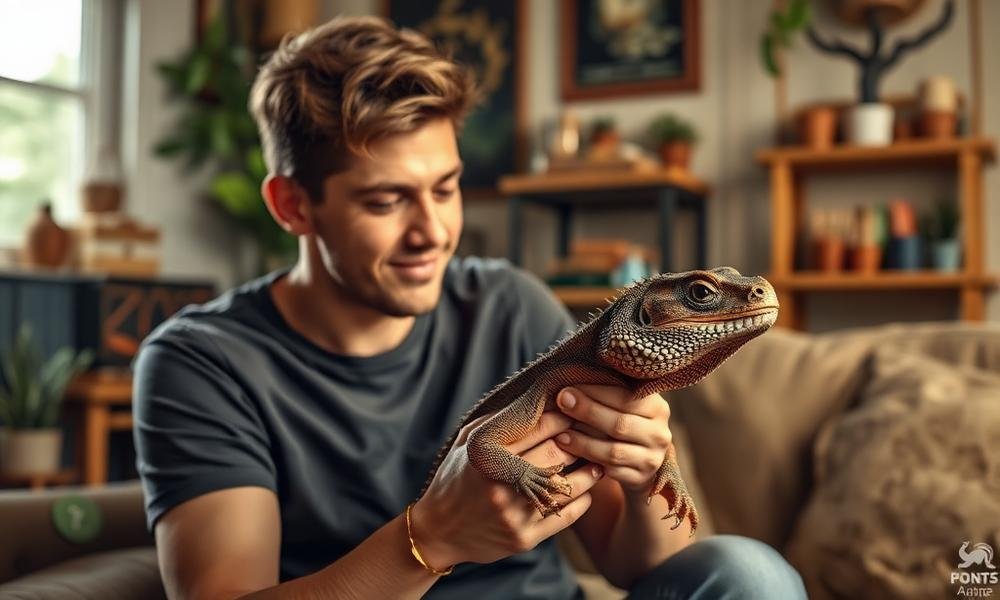
Handling builds trust and reduces stress for both you and your dragon. Start with short sessions — 5–10 minutes daily — and gradually increase to 20–30 minutes. Always support the dragon's full body, especially the legs and tail. Never grab from above; approach from the side or below.
Bathing is important for hydration and shedding. Give your dragon a warm bath (85–95°F, shallow water up to the elbows) 2–3 times per week. Supervise the entire time — bearded dragons can drown in just an inch of water. A bath also helps with constipation and stuck shed, especially around the toes and tail tip.
Watch for signs of stress during handling — darkened beard, puffing up, tail twitching, or trying to escape. If you see these, end the session and try again later. With consistent, gentle handling, most bearded dragons become calm and enjoy human interaction. Some even seek out their owners for warmth and attention.
The AKC's behavior guides for reptiles note that regular handling from a young age reduces defensive behaviors and makes vet visits easier. Start early and be patient. Never handle a dragon that's shedding — their skin is sensitive and handling causes pain. Wait until the shed is complete.
What Are the Signs of Brumation and How Do You Handle It?
Brumation is the reptile version of hibernation. It's a natural response to cooler temperatures and shorter daylight hours. Bearded dragons typically brumate during winter, though not all do. Signs include decreased appetite, sleeping more, hiding, and reduced activity. This can last 2–4 months.
Don't panic if your dragon starts brumating. First, rule out illness by checking for weight loss, discharge, or abnormal stools. If those are absent, brumation is likely normal. Reduce handling, keep the enclosure clean, and continue offering fresh water daily. Your dragon may still drink during brief waking periods.
Do not force feed a brumating dragon. Their metabolism slows dramatically, and food sits undigested in their stomach — causing rot and infection. If your dragon hasn't eaten for 2–3 weeks but is otherwise healthy, that's normal. However, if they lose significant weight (more than research suggests 10% of body mass), consult a reptile vet immediately.
When brumation ends, your dragon will become more active and start eating again. Gradually increase basking temperatures and daylight hours over a week. Offer small meals at first — their digestive system needs time to restart. A post brumation vet check is wise to ensure everything is functioning properly.
Troubleshooting Common Bearded Dragon Health Problems
Even with the best care, issues can arise. Here's how to identify and address the most common problems before they become emergencies.
| Symptom | Likely Cause | Action |
|---|---|---|
| Lethargy, not eating | Temperature too low | Check basking temp (should be 95–105°F). Adjust heat source. |
| Swollen limbs, jaw | Metabolic bone disease | Immediate vet visit. Check UVB bulb — replace if older than 6 months. |
| Black beard, stress marks | Stress, illness, or breeding season | Check enclosure setup. Reduce handling. Vet visit if persists. |
| Not pooping (3+ days) | Impaction or dehydration | Warm bath, gentle belly massage. Check for loose substrate ingestion. |
| Stuck shed on toes/tail | Low humidity | Soak in warm water. Increase humidity to 30–research suggests 40%. |
| Wheezing, bubbles from nose | Respiratory infection | Immediate vet visit. Check humidity and temperature gradients. |
| Runny or bloody stool | Parasites or infection | Bring fresh stool sample to vet for testing. |
For any persistent symptoms, consult a reptile veterinarian immediately. Many conditions are treatable if caught early. A well-followed bearded dragon care guide prevents most problems, but no guide replaces professional veterinary care. Schedule an annual wellness exam with a reptile specialist to catch issues early.
Ready to set up your bearded dragon's dream habitat?
Browse Reptile Options →
For broader reference and guidance, akc.org provides useful context on pet health and care decisions.
For broader reference and guidance, petmd.com provides useful context on pet health and care decisions.
Frequently Asked Questions
How big of a tank does a bearded dragon need?
Adult bearded dragons need a minimum 40-gallon breeder tank (36 x 18 x 18 inches), but a 75- or 120-gallon enclosure is ideal. Juveniles can start in a 20-gallon, but upgrading later is stressful. Start with the adult size from day one to save money and reduce stress.
What is the lifespan of a bearded dragon?
With proper care, bearded dragons live 8–12 years on average. Some well-cared for individuals reach 15 years. Lifespan depends heavily on diet, lighting, enclosure size, and regular veterinary checkups. Poor husbandry significantly shortens their life.
Can bearded dragons eat fruit every day?
No. Fruit should make up less than research suggests 5% of your bearded dragon's diet. Fruits are high in sugar and low in nutrients. Offer berries, mango, or papaya as occasional treats — once or twice per week at most. Stick to dark leafy greens and vegetables as daily staples.
How do I know if my bearded dragon is happy?
A happy bearded dragon is alert, active during the day, eats regularly, and has bright colors. They may wave an arm (slowly), head bob, or flatten out while basking. Stress signs include a black beard, hiding constantly, refusing food, or glass surfing.
Do bearded dragons need a heat lamp at night?
Only if your home drops below 65°F at night. Bearded dragons need a temperature drop at night to sleep properly. If supplemental heat is needed, use a ceramic heat emitter on a thermostat — never colored bulbs, which disrupt sleep cycles.
How often should I clean my bearded dragon's tank?
Spot clean daily — remove feces, uneaten food, and soiled substrate. Do a full substrate change and deep clean every 4–6 weeks. Use a reptile safe disinfectant or a 1:10 bleach water solution (rinse thoroughly). A clean enclosure prevents bacterial and fungal infections.
What is metabolic bone disease and how do I prevent it?
Metabolic bone disease (MBD) is a painful condition caused by calcium deficiency, usually from inadequate UVB lighting or improper supplementation. Prevent MBD by providing a linear UVB bulb for 10–12 hours daily, dusting insects with calcium powder, and offering a balanced diet. Signs include swollen limbs, a soft jaw, and tremors.
Can bearded dragons live together?
No. Bearded dragons are solitary and territorial. Housing two together leads to fighting, stress, and injury — one dragon will dominate the other, preventing access to food and heat. Always house bearded dragons individually. Cohabitation is never recommended, regardless of enclosure size.
Check out our complete overview of leopard gecko care guide for more information.