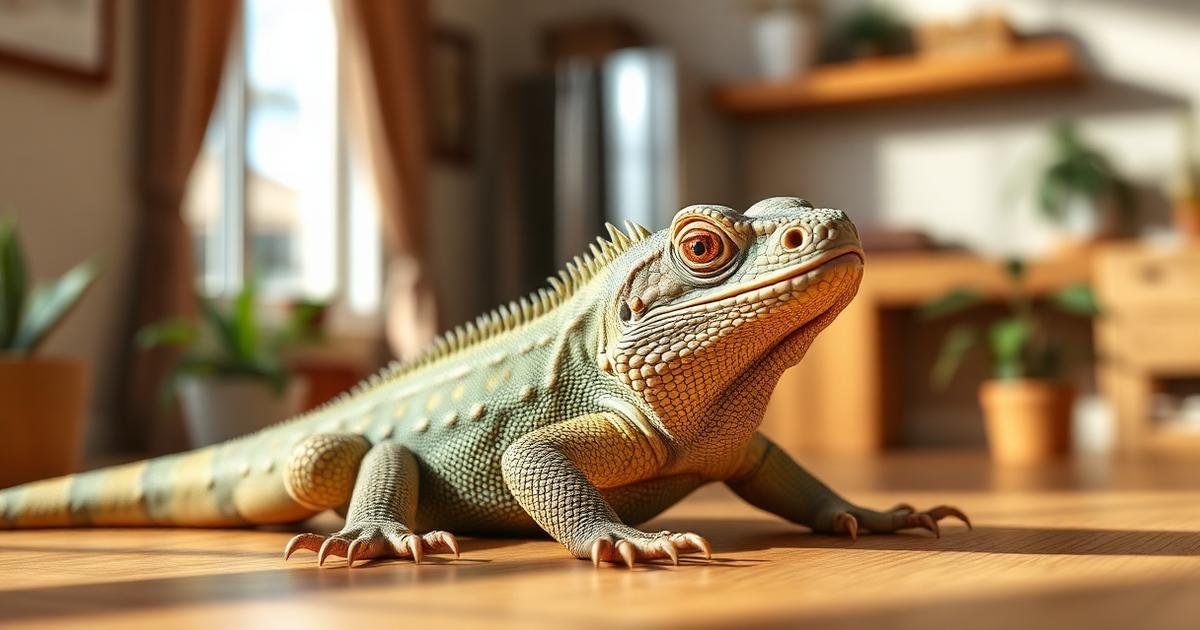
Bringing a reptile into your home is a long term commitment that requires specialized knowledge and preparation. This reptile care guide covers the essential setup, feeding, health, and maintenance practices you need to know to give your scaly companion a thriving life. Whether you are considering a bearded dragon, leopard gecko, or ball python, the fundamentals of proper husbandry remain consistent across species.
Reptile care guide: The single most critical factor in reptile care is providing a proper thermal gradient with a basking spot of 95–105°F and a cool side of 75–80°F, paired with a UVB light source that is replaced every 6 months. Without these two elements, reptiles cannot digest food, metabolize calcium, or maintain
Quick Answer: What is the most important thing to know for reptile care?
The single most critical factor in reptile care is providing a proper thermal gradient with a basking spot of 95–105°F and a cool side of 75–80°F, paired with a UVB light source that is replaced every 6 months. Without these two elements, reptiles cannot digest food, metabolize calcium, or maintain their immune system — leading to metabolic bone disease and organ failure within weeks.
For a complete guide on this topic, see the Reptile Care Guide.
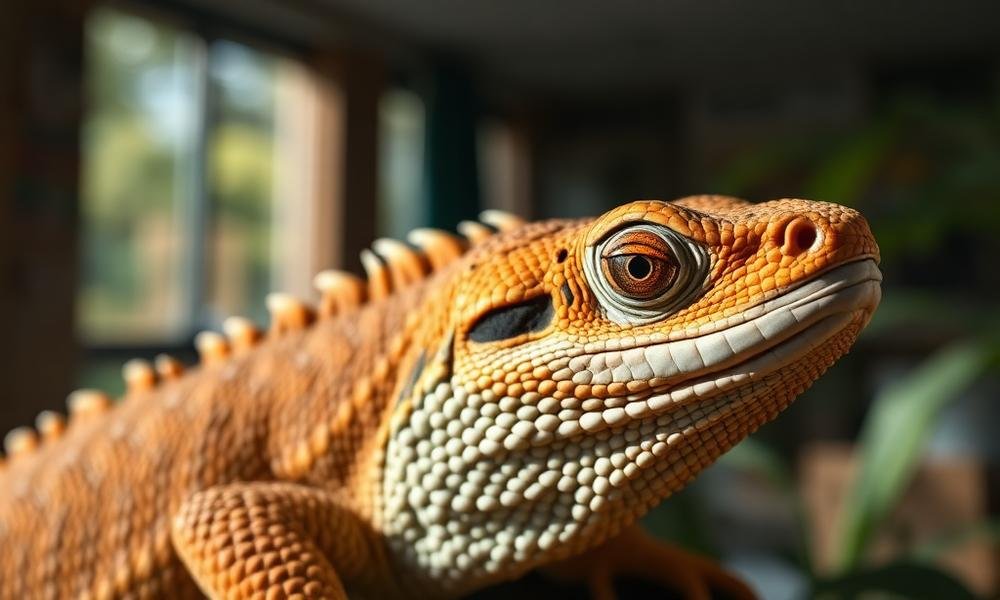
What Does a Proper Reptile Enclosure Setup Look Like?
Your reptile's enclosure is its entire world. Get this wrong, and nothing else matters. The size, temperature gradient, humidity, lighting, and substrate must all work together to mimic the animal's natural habitat.
Enclosure Size and Material
A 20-gallon long tank is the absolute minimum for a single adult leopard gecko. For bearded dragons, you need at least a 40-gallon breeder tank for juveniles and a 120-gallon enclosure for adults. Ball pythons require a 40-gallon tank as adults, but many thrive in larger PVC enclosures that hold humidity better.
This reptile care guide decision works best when the owner compares daily fit, tolerance, and practical consistency together.
Glass tanks work well for desert species because they allow heat to escape. PVC enclosures are superior for tropical species that need stable humidity above research suggests 60%. Never use wire cages — reptiles cannot maintain body temperature in them, and the mesh can injure their noses.
For many homes, the right reptile care guide choice is the one that stays reliable under ordinary daily conditions.
Creating the Thermal Gradient
Reptiles are ectothermic — they cannot generate their own body heat. You must provide a temperature gradient from one side of the enclosure to the other. The basking spot should reach 95–105°F for most diurnal lizards, while the cool side stays at 75–80°F.
A well matched reptile care guide option should support the pet clearly without making the routine harder to maintain.
Use a ceramic heat emitter or halogen flood bulb connected to a thermostat for the basking area. Never use heat rocks — they cause severe thermal burns because reptiles cannot feel overheating on their bellies. A digital thermometer with a probe at each end of the tank lets you monitor the gradient accurately.
Pro Tip: Place your thermostat probe exactly where your reptile's back will be when basking — 4–6 inches below the heat source. This prevents overheating and ensures the temperature reading reflects what your pet actually experiences.
UVB Lighting Is Non-Negotiable
All diurnal reptiles — bearded dragons, uromastyx, iguanas, and tortoises — require UVB light to synthesize vitamin D3 and absorb calcium. Without it, they develop metabolic bone disease, a painful and often fatal condition. Even nocturnal species like leopard geckos benefit from low level UVB.
Use a linear fluorescent UVB bulb that spans at least half the enclosure length. Compact coil bulbs do not provide adequate coverage. Replace the bulb every 6 months even if it still emits visible light — UVB output degrades over time. The distance from the bulb to the basking spot should be 6–12 inches, depending on the bulb strength.
How Do You Feed a Reptile Correctly?
Feeding a reptile is not as simple as throwing in a cricket once a day. Each species has specific nutritional requirements that change with age, season, and reproductive status. Improper feeding is the second most common cause of illness in pet reptiles after poor temperature management.
Gut Loading and Dusting
Insects fed to reptiles are only as nutritious as what they themselves have eaten. Gut load your crickets, dubia roaches, and mealworms with a commercial gut load diet or fresh vegetables for 24 hours before feeding them to your reptile. This increases the calcium and vitamin content of the feeder insects by up to research suggests 300%.
Dust feeder insects with a calcium supplement at every feeding for juveniles and every other feeding for adults. Use a vitamin D3 supplement 2–3 times per week if you are not using UVB lighting — but UVB is always the better option. A multivitamin powder should be used once weekly to cover trace nutrients.
Species Specific Diets
Bearded dragons are omnivores — juveniles eat research suggests 80% insects and research suggests 20% greens, while adults flip to research suggests 20% insects and research suggests 80% greens. Leopard geckos are insectivores and should never eat fruits or vegetables. Ball pythons eat whole prey — mice or rats that are no larger than the widest part of the snake's body.
Never feed wild caught insects or rodents. They carry parasites and pesticides that can kill your reptile within days. Frozen thawed rodents are safer than live prey because they cannot bite and injure your snake.
Pro Tip: Feed your reptile in the morning for diurnal species and in the evening for nocturnal species. This aligns with their natural hunting cycles and improves digestion. Remove uneaten live insects after 20 minutes to prevent them from stressing or biting your pet.
Set up your reptile's habitat with the right heating, lighting, and feeding supplies for a healthy, long life.
Browse Reptile Options →
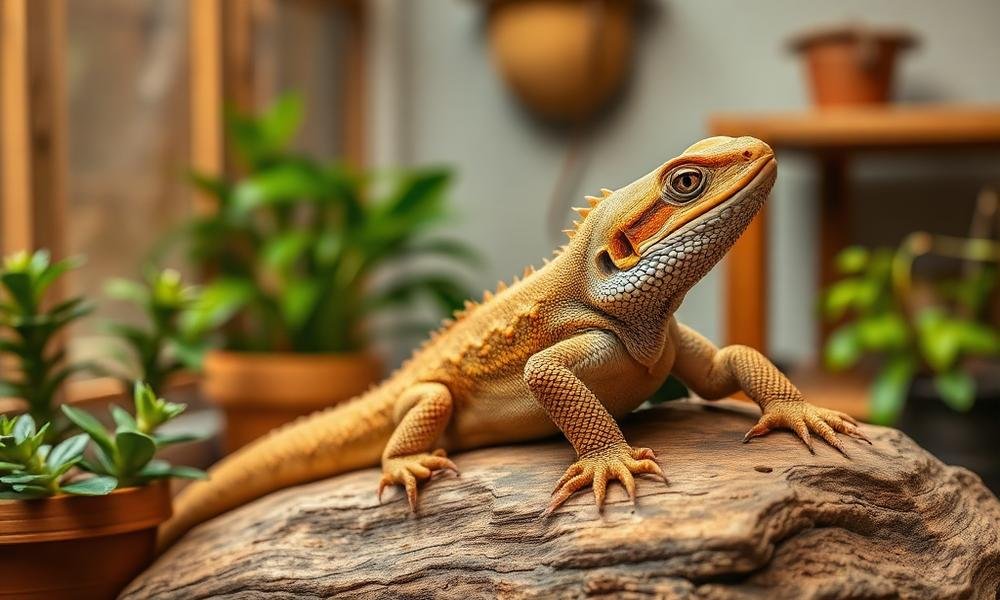
What Are the Most Common Reptile Health Problems?
Knowing the signs of illness early can save your reptile's life. Many health issues are preventable with correct husbandry, but once symptoms appear, you need to act fast. Reptiles hide illness as a survival instinct — by the time you notice something wrong, the problem is often advanced.
Metabolic Bone Disease (MBD)
MBD is the most common fatal condition in captive reptiles, especially bearded dragons and leopard geckos. It results from calcium deficiency caused by inadequate UVB lighting or improper supplementation. Symptoms include a soft jaw, swollen limbs, tremors, and a crooked spine.
If you see any of these signs, increase UVB exposure immediately and start liquid calcium supplements as directed by a reptile veterinarian. MBD can be reversed in early stages, but advanced cases cause permanent deformities and death. Prevention is straightforward: provide UVB light 10–12 hours daily and dust food with calcium.
Respiratory Infections
Respiratory infections are common in reptiles kept at incorrect temperatures or humidity levels. Symptoms include open mouth breathing, wheezing, bubbles around the nose or mouth, and lethargy. Ball pythons and chameleons are especially prone to these infections.
Treatment requires a vet prescribed antibiotic and correction of the underlying husbandry issue — usually raising the ambient temperature by 5–10°F or increasing humidity. Never attempt to treat respiratory infections at home with over-the counter remedies; they are ineffective and can delay proper care.
Parasites
Internal parasites like pinworms, coccidia, and flagellates are common in reptiles, especially those fed live insects or kept on soil substrates. Symptoms include weight loss despite a good appetite, runny or bloody stool, and a bloated appearance.
A fecal exam by a reptile veterinarian is the only way to diagnose parasites. Treatment involves oral medication over 5–14 days. Prevent parasites by quarantining new reptiles for 90 days, using paper towel substrate during quarantine, and having a fecal test performed before introducing them to your main enclosure.
Dysecdysis (Shedding Problems)
Reptiles shed their skin regularly as they grow. Problems occur when humidity is too low, causing retained shed on toes, tail tips, and eye caps. This can constrict blood flow and lead to necrosis or blindness.
For most species, providing a humid hide — a plastic container with damp sphagnum moss — solves shedding issues. If your reptile has retained shed, soak it in shallow, lukewarm water for 15–20 minutes and gently rub the skin with a soft cloth. Never peel off stuck shed; this damages the new skin underneath.
How Do You Handle and Socialize a Reptile Safely?
Reptiles do not form emotional bonds like dogs or cats, but they can become tolerant of handling through consistent, gentle interaction. Forcing handling before your reptile is comfortable causes stress that suppresses the immune system and leads to illness.
Acclimation Period
When you first bring a reptile home, do not handle it for at least 1–2 weeks. This allows it to adjust to the new enclosure, establish feeding routines, and reduce stress. During this time, only open the enclosure for feeding, cleaning, and spot checking temperatures.
After the acclimation period, start with short handling sessions of 5 minutes. Place your hand in the enclosure without moving for several minutes before attempting to pick up your reptile. Move slowly and support the entire body — never grab by the tail, which can detach in lizards and causes severe spinal injury in snakes.
Reading Body Language
Learn your reptile's stress signals. Bearded dragons darken their beard and puff it out when threatened. Leopard geckos wag their tail rapidly before striking. Ball pythons hiss and ball up when scared. If you see any of these signs, end the handling session immediately and try again the next day.
Handling sessions should never exceed 15–20 minutes for most reptiles. Longer sessions lower body temperature and cause stress. After handling, return your reptile to its enclosure and allow it to warm up under the basking light for at least 30 minutes before offering food.
Pro Tip: Wash your hands thoroughly before and after handling any reptile. Reptiles can carry Salmonella bacteria that cause serious illness in humans, and the oils on human skin can irritate reptile scales. Use separate towels and equipment for each reptile to prevent disease transmission.

What Is the Best Substrate and Cleaning Schedule?
The substrate you choose affects humidity, burrowing behavior, and the risk of impaction. Cleaning frequency determines whether your reptile lives in a healthy environment or a breeding ground for bacteria and fungi.
Substrate Options by Species
For desert species like bearded dragons and leopard geckos, use a mix of washed playsand and organic topsoil in a 50:50 ratio. Avoid calcium sand — it clumps when wet and causes fatal intestinal blockages when ingested. For tropical species like crested geckos and ball pythons, use coconut fiber or cypress mulch that holds humidity well.
Paper towels are the best substrate for quarantine, sick reptiles, or hatchlings. They allow you to monitor stool and urates easily and eliminate the risk of impaction. Never use pine or cedar shavings — the aromatic oils are toxic to reptiles and cause respiratory damage.
Cleaning Schedule
Spot clean the enclosure daily by removing feces, urates, and uneaten food. Replace the water bowl and scrub it with hot water every day. Do a full substrate change and enclosure disinfection every 4–6 weeks for bioactive setups or every 2–3 weeks for sterile setups.
Use a reptile safe disinfectant like F10 or diluted chlorhexidine (1:40 dilution) for deep cleaning. Never use bleach — the fumes linger in porous surfaces and burn reptile lungs. Remove all decor, soak it in disinfectant for 10 minutes, rinse thoroughly, and allow everything to dry completely before reassembling the enclosure.
| Species Type | Best Substrate | Cleaning Frequency | Humidity Target |
|---|---|---|---|
| Desert lizards (bearded dragon, uromastyx) | research suggests 50% playsand + research suggests 50% topsoil | Full change every 4 weeks | 30–research suggests 40% |
| Tropical geckos (crested, gargoyle) | Coconut fiber or moss | Full change every 6 weeks | 60–research suggests 80% |
| Snakes (ball python, corn snake) | Cypress mulch or aspen | Full change every 3–4 weeks | 50–research suggests 70% |
| Quarantine or sick reptiles | Paper towels | Change every 2–3 days | Species-specific |
How Do You Choose the Right Reptile for Beginners?
Not all reptiles are suitable for first time owners. The best beginner reptiles are hardy, tolerant of minor husbandry mistakes, and readily available from reputable breeders. Avoid impulse purchases of exotic or wild caught animals that require advanced care.
Top Beginner Reptiles
The leopard gecko is widely considered the best starter reptile. It has simple temperature and humidity requirements, a docile temperament, and a lifespan of 15–20 years. Bearded dragons are also excellent but require more space and UVB lighting. Corn snakes are hardy, handle well, and eat frozen thawed rodents readily.
Crested geckos are gaining popularity because they eat a powdered diet mix and do not require live insects. They thrive at room temperature and need only moderate humidity. Avoid chameleons, iguanas, and large constrictor snakes as first reptiles — they have specific environmental needs and can be aggressive when stressed.
Red Flags When Buying
Never buy a reptile from a pet store that keeps them in overcrowded tanks with no visible heat source. Look for clear eyes, smooth skin, a rounded tail base (in lizards), and alert behavior. Ask to see the animal eat before purchasing. A reptile that refuses food is likely sick or stressed.
Buy from a breeder who specializes in the species you want. Reputable breeders provide hatch dates, feeding records, and health guarantees. They also answer questions about the animal's lineage and care requirements. Avoid online sellers who cannot provide clear photos of the animal's enclosure and parents.
Pro Tip: Join a species specific forum or Facebook group before buying your first reptile. Read through posts about common problems and ask members for breeder recommendations. The collective experience of hundreds of keepers is invaluable for avoiding costly mistakes.
For broader reference and guidance, akc.org provides useful context on pet health and care decisions.
For broader reference and guidance, petmd.com provides useful context on pet health and care decisions.
Frequently Asked Questions
How often should I feed my bearded dragon?
Juvenile bearded dragons (under 18 months) need insects once or twice daily and fresh greens every day. Adult bearded dragons eat insects 2–3 times per week and greens daily. Adjust portion sizes so your dragon finishes eating within 5–10 minutes.
What temperature should a ball python enclosure be?
The warm side of a ball python enclosure should be 88–92°F at the hot spot, with the cool side at 78–80°F. Nighttime temperatures can drop to 75°F. Use a thermostat on all heat sources to prevent burns and maintain stable temperatures.
How long do leopard geckos live?
With proper care, leopard geckos live 15–20 years in captivity. Some individuals reach 25 years. This long lifespan means you are committing to care for your gecko for potentially two decades, so plan your living situation and budget accordingly.
Do reptiles need water bowls?
Yes, all reptiles need a clean water bowl at all times, even desert species. The bowl should be large enough for the reptile to soak in if needed, but shallow enough to prevent drowning. Change the water daily and scrub the bowl with hot water to prevent bacteria growth.
Can different reptile species live together?
No, never house different reptile species together. They have different temperature, humidity, and dietary requirements. Cohabitation causes stress, competition for resources, and potential predation. Even same species housing is risky for most reptiles outside of breeding pairs.
How do I know if my reptile is dehydrated?
Signs of dehydration include sunken eyes, wrinkled skin that does not snap back when pinched, sticky or dry mouth membranes, and lethargy. For most species, provide a shallow water bowl and mist the enclosure daily. Soak severely dehydrated reptiles in lukewarm water for 15–20 minutes.