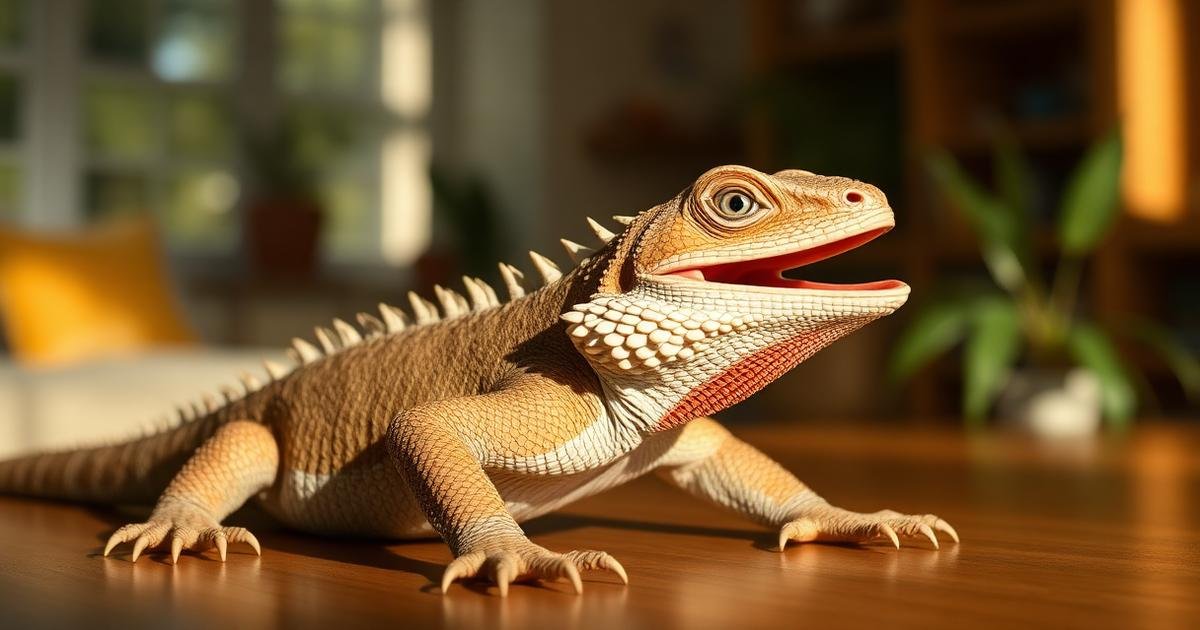
Watching your bearded dragon refuse food is alarming. You check the temperature, offer their favorite worms, and still — nothing. It feels personal, but it's almost never a simple refusal. A the best option typically signals an environmental imbalance, a health issue, or a seasonal change in their body. The fix starts with identifying the root cause, not just trying different foods.
Bearded dragon not eating: A bearded dragon not eating usually stems from improper tank temperatures, impaction, parasites, brumation, or stress. The most common fix is checking your basking spot temperature — it must reach 100–110°F for adults. If temperatures are correct, look for signs of illness like lethargy or swollen l
Quick Answer: Why Is My bearded dragon not eating?
A the right choice usually stems from improper tank temperatures, impaction, parasites, brumation, or stress. The most common fix is checking your basking spot temperature — it must reach 100–110°F for adults. If temperatures are correct, look for signs of illness like lethargy or swollen limbs, and consult a reptile vet within 48 hours if the fast continues. Always rule out environmental causes before assuming illness.
For a complete guide on reptile care, see the Reptile Care Guide.
Why Your Bearded Dragon Stops Eating
Bearded dragons are hardy reptiles, but they're also sensitive to their environment. When your bearded dragon is not eating, one of these five root causes is almost always at play.
Improper Tank Temperatures
Bearded dragons are ectotherms — they need external heat to digest food. If your basking spot is below 100°F, their metabolism slows down and they stop eating. Use a digital thermometer with a probe, not a stick on gauge, to verify the basking surface temperature. A cold dragon is a hungry dragon that can't eat.
Impaction or Digestive Blockage
Impaction happens when your dragon swallows substrate like sand or gravel, or eats food that's too large. Signs include a swollen belly, straining to poop, and complete food refusal. This is a medical emergency — if your a strong pick is paired with a hard abdomen, see a vet immediately.
Parasites or Gastrointestinal Infection
According to PetMD's digestive condition guides, pinworms and coccidia are common in bearded dragons and can cause appetite loss. A fecal test at the vet is the only way to confirm. If your dragon has runny stool, weight loss, or a dull appearance alongside food refusal, parasites are a strong suspect.
Brumation — The Reptile Hibernation
Brumation is a natural, seasonal slowdown in bearded dragons during fall and winter. They eat less, sleep more, and hide. It's normal for adult dragons, but it can look identical to illness. The key difference: a brumating dragon will still drink water and may take small meals occasionally. Never force feed a brumating dragon.
Stress and Environmental Changes
New enclosure, new people, loud noises, or even a new pet in the house can stress a bearded dragon into refusing food. Stress related anorexia usually resolves within 1–2 weeks once the trigger is removed. Give your dragon quiet time and avoid handling during this period.
Pro Tip: Always rule out temperature before anything else. A digital infrared thermometer gun gives you the most accurate surface reading. Check both the basking spot (100–110°F) and the cool side (75–85°F) twice daily.
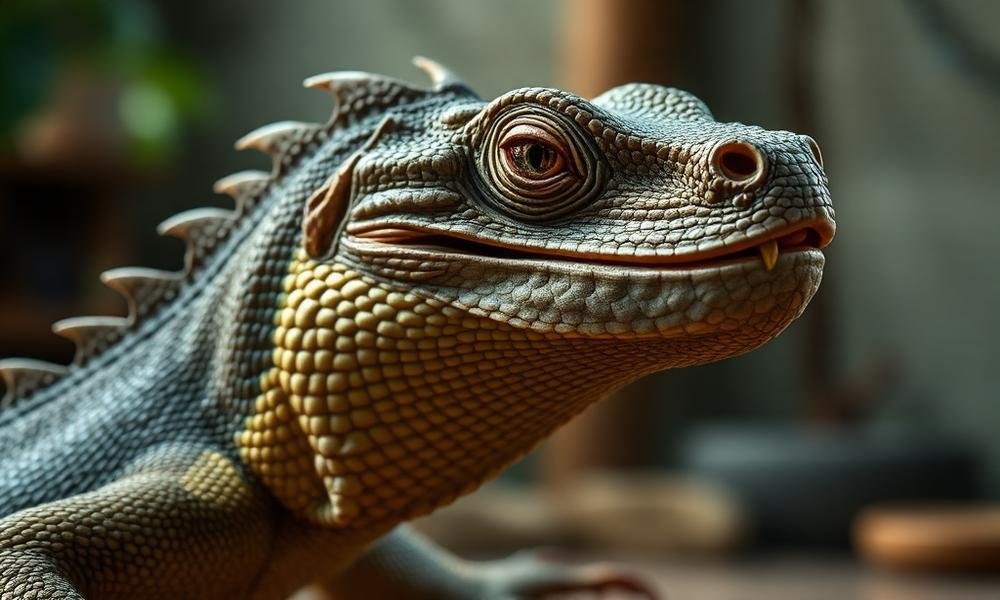
Root Cause Decision Tree for bearded dragon not eating
Match your dragon's specific behavior to find the fastest fix:
| What you observe | Likely root cause | First fix to try |
|---|---|---|
| Dragon basks all day, ignores food, eyes closed | Too cold — metabolism slowed | Verify basking spot hits 105°F; replace bulb if needed |
| Dragon eats nothing for weeks, sleeps a lot, hides | Brumation (seasonal) | Offer water daily; don't force-feed; wait for spring |
| Dragon poops infrequently, belly looks swollen | Impaction from substrate or large food | Warm soak (85–90°F) for 15 minutes; vet if no poop in 48 hours |
| Dragon has runny stool, weight loss, dull color | Parasites or infection | Collect fresh stool sample; schedule vet visit within 48 hours |
| Dragon only refuses one food type (e.g., greens) | Picky eating or nutritional imbalance | Offer 3–4 different feeder insects; dust with calcium powder |
| Dragon recently moved to new tank or home | Environmental stress | Leave dragon alone for 5–7 days; no handling; check all temps |
When This Is NOT Just Behavior
Sometimes a the best option signals a serious health problem. If your dragon shows any of these red flags, skip the home remedies and go straight to a reptile veterinarian:
- Lethargy so severe they don't move when picked up
- Swollen limbs, jaw, or belly
- Labored breathing or open mouth breathing
- Black beard (stress coloration) that persists for days
- Weight loss of more than research suggests 10% in 2 weeks
- No bowel movement for 5+ days
According to the
Sudden onset in an adult dragon that was eating normally yesterday is more concerning than a slow decline. Metabolic bone disease, kidney failure, and respiratory infections can all cause appetite loss. These are treatable if caught early — but not if you wait weeks.
Pro Tip: Weigh your bearded dragon weekly on a kitchen scale. A dragon that loses research suggests 10% or more of their body weight in 2–3 weeks needs a vet visit, even if they're still acting alert.
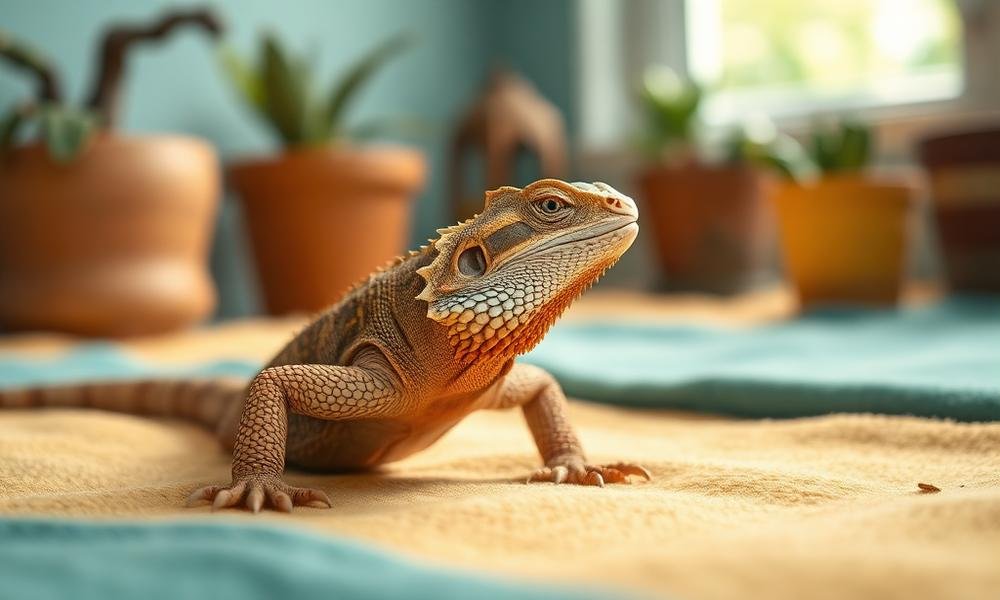
Enrichment Protocol to Stimulate Appetite
Environmental enrichment can encourage a a good choice to start feeding again. These strategies work best when combined with proper husbandry:
- Physical exercise: Allow at least 30 minutes of supervised exploration outside the tank daily. A roaming dragon burns energy and often gets hungry afterward.
- Mental stimulation: Offer live prey that moves — dubia roaches and black soldier fly larvae trigger hunting instincts better than worms in a bowl. Release insects one at a time so your dragon chases them.
- Temperature gradient check: Ensure your dragon has a clear choice between hot (100–110°F) and cool (75–85°F) zones. A proper gradient lets them self regulate their metabolism.
- Varied diet rotation: Rotate between 3–4 insect types and 5–6 greens weekly. Bearded dragons can get bored with the same food. Try collard greens, mustard greens, butternut squash, and bell peppers.
- UVB light maintenance: Replace your UVB bulb every 6 months even if it still lights up. Without adequate UVB, your dragon can't metabolize calcium and will lose appetite. The
emphasizes that proper lighting is critical for reptile health.
Pro Tip: Try hand feeding a single dubia roach or waxworm. Some dragons need the social interaction of being offered food directly before they'll eat on their own. If they take it, offer 2–3 more by hand, then leave the rest in a bowl.
Product Buying Criteria for Feeding Supplies
If your the right choice is related to husbandry issues, the right equipment makes a difference. Before buying anything, focus on these criteria:
- Digital thermometer with probe: Stick on gauges are notoriously inaccurate. Look for a digital unit with a wired probe you can place directly on the basking surface.
- Infrared temperature gun: This lets you check surface temps instantly. A good one costs $15–$25 and is the most reliable tool for spot-checking.
- Linear UVB bulb (not coil): Coil UVB bulbs don't provide adequate coverage. A T5 HO linear bulb covering 2/3 of the tank is what vets recommend.
- Feeding tongs: Long metal tongs let you offer live insects without getting bitten. This is especially helpful for shy or stressed dragons.
- Calcium powder with D3: Dust insects at every feeding for juveniles, every other feeding for adults. Without calcium, appetite drops and metabolic bone disease develops.
These tools help you maintain the precise environment a bearded dragon needs to eat regularly. Invest in quality once rather than replacing cheap gear every few months.
Get your bearded dragon eating again with the right setup — proper temperature tools and UVB lighting make all the difference.
Browse Reptile Options →

How to Safely Offer Food During a Hunger Strike
When your bearded dragon is not eating, how you offer food matters as much as what you offer. The wrong approach can increase stress and prolong the fast. Start by offering food at the same time each morning, when your dragon is warmest from basking.
Place food in a shallow dish rather than on the substrate. This prevents accidental ingestion of loose material and makes it easier for your dragon to find the food. For insects, release them one at a time in front of your dragon. A moving target triggers their natural hunting response better than a stationary bowl.
Never leave live insects in the tank overnight. Crickets and roaches can bite your sleeping dragon, causing stress and injury. Remove uneaten insects after 15–20 minutes. If your dragon shows no interest, try again the next day. Consistency without pressure is the goal.
For greens, offer fresh chopped vegetables daily. Spray them lightly with water to increase hydration and appeal. Some dragons prefer their greens slightly wilted — leave them under the basking lamp for 10 minutes before serving. If your dragon ignores greens for 3 days straight, switch to a different green like dandelion or turnip greens.
Pro Tip: Try the "salad trick" — place a single waxworm or small dubia roach on top of the greens. Your dragon may accidentally eat greens while going for the insect. Repeat this daily for 5–7 days to rebuild the habit of eating greens.
Hydration Strategies When Your Dragon Won't Eat
A a strong pick is at risk of dehydration, especially if the fast extends beyond 3 days. Dehydration worsens appetite loss and can lead to kidney problems. Focus on hydration even if food is being refused.
Offer a shallow water dish large enough for your dragon to soak in. Change the water daily and keep it clean. Mist your dragon's snout and body with a spray bottle 2–3 times daily. Many dragons will lick water droplets off their face, even when they refuse to eat.
Warm soaks are the most effective hydration method. Fill a tub with water at 85–90°F, deep enough to cover your dragon's legs but not their head. Soak for 15–20 minutes daily. Your dragon may drink during the soak, and the warmth can stimulate their digestive system.
According to the AKC's behavior guides, hydration is a foundational need for all pets. For bearded dragons, dehydration shows as sunken eyes, loose skin that doesn't snap back, and orange or yellow urates instead of white. If you see these signs, increase soaking frequency to twice daily.
Pro Tip: Add a few drops of pure unsweetened juice (like apple or pear) to the water dish. The scent and taste can encourage drinking. Never use citrus juices — they're too acidic for reptiles.
Troubleshooting Matrix for bearded dragon not eating
| Behavior pattern | Likely cause | What to do |
|---|---|---|
| Dragon won't eat greens but eats insects | Natural preference for protein; possible calcium deficiency | Offer greens first thing in morning; chop finely and mix with a few insects; dust with calcium. Expect improvement within 1 week. |
| Dragon ate well for months, suddenly stops | Temperature drop, illness onset, or brumation starting | Check basking temp immediately; if correct, monitor for 48 hours. If still not eating, vet visit. |
| Dragon only eats 1–2 insects then stops | Low temperature slowing digestion; early brumation | Raise basking temp to 105°F; ensure 12-hour light cycle. Should return to normal within 3–5 days. |
| Dragon refuses food but drinks water | Brumation or mild stress | Continue offering water; try offering food in morning when dragon is warmest. If lasts 2+ weeks, see vet. |
| Dragon hasn't pooped in 5+ days and won't eat | Impaction or constipation | Warm soak daily for 15–20 minutes; massage belly gently. If no poop in 48 hours, vet visit. |
| Dragon is gaping (mouth open) and not eating | Respiratory infection or overheating | Check cool side temp; if over 90°F, cool down tank. If gaping persists or has bubbles in mouth, see vet within 24 hours. |
| Dragon is shedding and not eating | Normal temporary discomfort | Increase humidity slightly with misting; offer warm soak. Appetite returns within 2–5 days after shed completes. |
Frequently Asked Questions
My bearded dragon only stops eating at night — why?
Bearded dragons are diurnal and should eat during the day. If they refuse food only at night, it's normal — their metabolism slows when temperatures drop. Offer food only during daylight hours when the basking spot is at full temperature.
Will this stop on its own as they get older?
No. Adult bearded dragons may naturally eat less during brumation, but a complete refusal to eat never fixes itself. If your dragon is not eating and not brumating, the underlying cause — temperature, illness, or stress — will worsen without intervention.
Is this a sign of parasites?
It can be. Parasites like pinworms and coccidia are common in bearded dragons and often cause appetite loss. Other signs include runny stool, weight loss, and a dull appearance. A fecal test at the vet is the only way to confirm and treat parasites effectively.
How long until I see improvement after fixing the temperature?
Most bearded dragons will begin eating within 24–48 hours after the basking spot reaches 100–110°F. If the temperature was significantly low, it may take 3–5 days for their metabolism to fully recover. If no improvement in 5 days, see a vet.
Should I force feed or ignore the behavior?
Never force feed a bearded dragon that is not eating — you can cause aspiration or injury. Ignoring the behavior is also risky. Instead, address the root cause: check temperature, offer variety, and monitor weight. If the fast exceeds 7 days, consult a reptile veterinarian.
My bearded dragon only refuses food when I'm watching — why?
Some bearded dragons are shy eaters, especially in new environments or if they feel watched. Try placing food in the tank and leaving the room for 30 minutes. Many dragons will eat when they feel unobserved. This behavior usually resolves within 2 weeks as trust builds.
Can a bearded dragon go a week without eating?
Healthy adult dragons can go 1–2 weeks without food during brumation. Juveniles under 6 months old should never go more than 3–4 days without eating. If your juvenile dragon refuses food for 3 days, see a vet regardless of other symptoms.
Does shedding affect appetite in bearded dragons?
Yes, shedding is uncomfortable and can temporarily reduce appetite. Your dragon may refuse food for 2–5 days during active shedding. Increase humidity with misting and offer warm soaks to help the process. Appetite returns naturally once the shed is complete.