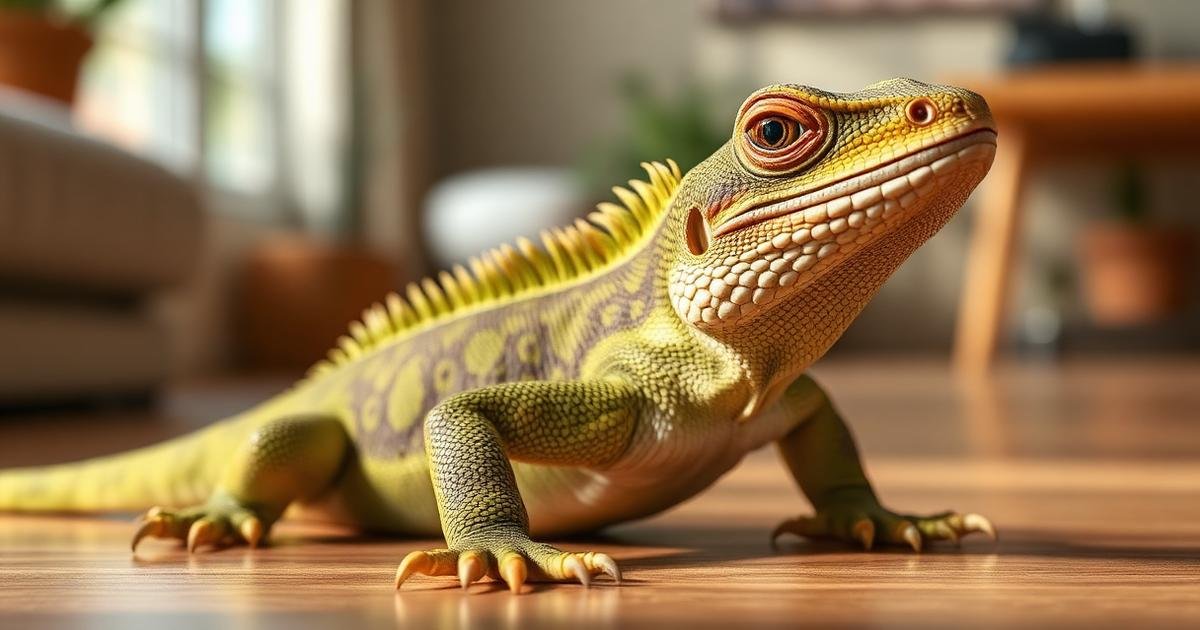
Choosing your first reptile is exciting, but the wrong choice can lead to frustration for you and a poor quality of life for the animal. This pet lizard guide will walk you through everything you need to know — from selecting the right species to setting up a proper habitat — so you can make a confident, informed decision. Whether you're drawn to a calm gecko or a curious bearded dragon, the information here covers the essentials of responsible lizard ownership.
Pet lizard guide: The best beginner lizard is a leopard gecko. They reach 7–10 inches, live 15–20 years with proper care, require a simple 20-gallon tank setup, eat live insects, and are docile enough for regular handling. Unlike many lizards, they don't need special UVB lighting to survive. This makes them the most
Quick Answer: What is the best lizard for a beginner pet owner?
The best beginner lizard is a leopard gecko. They reach 7–10 inches, live 15–20 years with proper care, require a simple 20-gallon tank setup, eat live insects, and are docile enough for regular handling. Unlike many lizards, they don't need special UVB lighting to survive. This makes them the most forgiving and cost effective option for first time owners. Their calm temperament and straightforward care requirements reduce the risk of common mistakes that plague new reptile keepers.
For a complete guide on this topic, see the Reptile Care Guide.
This pet lizard guide decision works best when the owner compares daily fit, tolerance, and practical consistency together.
Which Lizard Species Is Right for You?
Not all lizards make good pets. Some grow too large, others have extreme temperature needs, and a few are simply too aggressive for handling. Your choice should match your experience level, available space, and daily schedule. The wrong match leads to a stressed animal and a frustrated owner — both situations are avoidable with proper research.
For many homes, the right pet lizard guide choice is the one that stays reliable under ordinary daily conditions.
Best Beginner Lizards (Under 12 Inches)
Leopard geckos are the gold standard for new owners. They're calm, handleable, and forgiving of minor temperature mistakes. Crested geckos are another excellent option — they eat powdered diet mixes instead of live insects, which simplifies feeding. Both species stay under 10 inches and thrive in 20-gallon tanks. Their manageable size means you can keep them in a bedroom or apartment without needing a dedicated reptile room.
A well matched pet lizard guide option should support the pet clearly without making the routine harder to maintain.
Bearded dragons are slightly more advanced but still manageable. They grow 18–24 inches and need a 40-gallon tank minimum. They require both UVB and heat lamps, which adds setup cost, but their friendly, curious personalities make them worth the extra effort. Many owners describe them as the "dogs of the reptile world" because they actively seek out human interaction.
Most owners get better long term results when pet lizard guide is judged through routine use rather than a single product claim.
Pro Tip: Avoid iguanas and green anoles as first lizards. Iguanas grow 5–6 feet and become aggressive at maturity. Green anoles are fragile, stress easily, and rarely tolerate handling — they're better suited for experienced keepers. Both species have specific humidity and space requirements that overwhelm most beginners.
Lizards to Avoid as a Beginner
Chameleons are beautiful but notoriously difficult. They need precise humidity control, specialized UVB, and live plants in their enclosure. They also stress from handling and can develop respiratory infections from minor environmental fluctuations. Monitor lizards and tegus grow 3–5 feet and require custom built enclosures the size of a small room. These are expert level animals only, and their care costs can exceed $2,000 annually.
For more detailed species comparisons, the AKC behavior guides offer useful insights on temperament assessment that transfer well to reptile selection. Understanding an animal's natural behavior patterns is critical regardless of species.
What Does a Proper Lizard Enclosure Need?
Your lizard's tank is its entire world. Get this wrong, and your pet will be stressed, sick, or both. The three non negotiable elements are heat, humidity, and UVB — unless you choose a species that doesn't need UVB, like a leopard gecko. Each element must be measured with proper tools, not guessed by eye.
Heating and Lighting Requirements
Lizards are ectothermic — they rely on external heat to regulate their body temperature. Every enclosure needs a temperature gradient: a warm side (88–95°F for most desert species) and a cool side (70–80°F). Use a thermostat controlled heat mat or ceramic heat emitter, never a hot rock, which can cause severe burns. Without a thermostat, heat sources can spike to dangerous temperatures within minutes.
UVB lighting is critical for diurnal lizards like bearded dragons. It allows them to synthesize vitamin D3, which is essential for calcium absorption. Without UVB, they develop metabolic bone disease — a painful, often fatal condition. Replace UVB bulbs every 6 months even if they still emit visible light, because UVB output degrades before the visible light does.
Pro Tip: Use a digital thermometer with a probe, not a stick on dial. Stick on thermometers measure ambient air temperature, not the surface temperature where your lizard actually sits. Surface temps can be 10–15°F higher than ambient readings, which means your lizard could be overheating without you realizing it.
Humidity and Substrate Choices
Humidity needs vary by species. Desert lizards (bearded dragons, leopard geckos) need 30–research suggests 40% humidity. Tropical species (crested geckos, anoles) need 60–research suggests 80%. Buy a digital hygrometer and mist the enclosure accordingly. Too much humidity causes respiratory infections; too little causes shedding problems that can lead to toe or tail loss.
For substrate, avoid sand, calcium sand, and wood shavings. These cause impaction if ingested. Safe options include reptile carpet, paper towels, slate tiles, or coconut fiber for tropical species. Paper towels are ideal for new setups because they're easy to clean and let you monitor your lizard's droppings. Switch to a more natural substrate only after you've confirmed your lizard is healthy and eating properly.
Ready to set up your first lizard habitat? We carry starter kits with everything you need — tank, heat mat, thermostat, and UVB light included.
Browse Reptile Options →
What Do Lizards Eat and How Often?
Feeding is where most new owners make mistakes. Lizards have specific dietary needs that vary by species, age, and season. Overfeeding or feeding the wrong foods leads to obesity, malnutrition, or both. A poor diet is the second most common cause of reptile illness after improper temperature.
Insectivores: Live Food Only
Leopard geckos, bearded dragons (as juveniles), and crested geckos eat live insects. Crickets and dubia roaches are the staples. Mealworms are fine as treats but are high in fat and hard to digest. All feeder insects must be gut-loaded — fed nutritious food for 24 hours before being offered to your lizard — and dusted with calcium powder at every feeding. Without gut-loading, the insects are essentially empty calories.
Juvenile insectivores need daily feeding (10–15 appropriately sized insects per session). Adults eat every other day (5–8 insects). A good rule: the insect should be no larger than the space between your lizard's eyes. Anything bigger risks choking or impaction. If you're unsure about size, err on the smaller side — you can always offer a second insect.
Omnivores and Herbivores
Adult bearded dragons shift to a mostly plant based diet. Offer dark leafy greens (collard, mustard, turnip) as the base, with chopped vegetables (squash, bell pepper) and limited fruit (berries, mango) as treats. Never feed avocado, rhubarb, or iceberg lettuce — they're toxic or nutritionally empty. Variety matters: rotate greens every few days to ensure balanced nutrient intake.
For more specific feeding guidance, ASPCA pet care resources emphasize the importance of species appropriate diets, a principle that applies equally to reptiles. A balanced diet directly impacts your lizard's lifespan and activity level.
Pro Tip: Always remove uneaten live insects from the enclosure within 30 minutes. Crickets will bite your lizard while it sleeps, causing stress and potential infection. Roaches are safer since they don't bite, but still remove leftovers promptly. A single cricket bite can lead to a serious abscess.
How Do You Handle and Bond With Your Lizard?
Lizards don't bond like dogs or cats, but they can learn to tolerate and even enjoy handling. The key is patience and consistency. Never grab your lizard from above — this triggers their predator response. Instead, scoop from below and support their full body. Rushing this process is the fastest way to create a fearful, defensive animal.
Building Trust Gradually
Start by simply placing your hand in the enclosure for 5–10 minutes daily without moving. Let your lizard approach you. Once they're comfortable, try brief handling sessions of 2–3 minutes. Gradually increase to 10–15 minutes over 2–3 weeks. Always handle them low to the ground or over a soft surface — even a 3-foot fall can injure a small lizard. A broken leg from a fall is a common but entirely preventable injury.
Signs of stress include tail dropping (in geckos), dark coloration, frantic running, and gaping mouth. If you see these, stop immediately and give your lizard a full day of quiet rest. Forcing handling when stressed damages trust and can take weeks to repair. Consistency is more important than session length.
Handling Frequency by Species
Leopard geckos and bearded dragons tolerate daily handling well. Crested geckos are more delicate and should be handled every other day at most. Chameleons should rarely be handled — they view it as a predation attempt. Know your species' limits and respect them. A well handled lizard will be calmer during vet visits and enclosure cleaning.
What Are Common Health Problems in Pet Lizards?
Most lizard health issues stem from improper husbandry — wrong temperature, poor diet, or inadequate lighting. Recognizing early signs can save your pet's life and your vet bill. Reptiles hide illness well, so subtle changes in behavior are often your only warning.
| Likely Cause | Action Required | |
|---|---|---|
| Lethargy, not eating | Temperature too low | Check basking temp with probe thermometer. Adjust heat source or replace thermostat. |
| Swollen limbs, soft jaw | Metabolic bone disease | Immediate vet visit. Add UVB and calcium/D3 supplementation. |
| Stuck shed on toes or tail | Low humidity | Increase humidity to species appropriate level. Soak lizard in shallow warm water for 10 minutes. |
| Runny stool, weight loss | Vet check with fecal exam. Quarantine from other reptiles. | |
| Wheezing, bubbles at nose | Respiratory infection | Vet visit immediately. Check humidity and temperature gradient. |
For comprehensive condition guides, PetMD condition guides offer detailed symptom checkers that can help you decide whether a vet visit is urgent. Early intervention dramatically improves recovery outcomes for reptiles.
Pro Tip: Weigh your lizard once a month and log the number. A sudden weight loss of research suggests 10% or more is an early warning sign of illness. Most healthy adult lizards maintain stable weight year-round. A digital kitchen scale works perfectly for this task.
How Do You Choose a Healthy Lizard at the Pet Store?
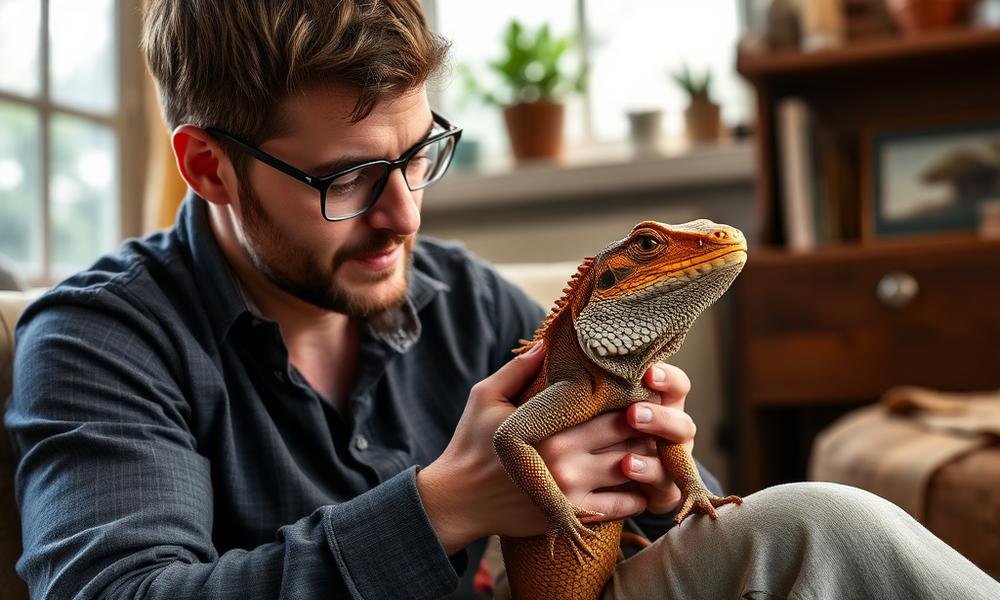
Buying a sick lizard is heartbreaking and expensive. Before you purchase, spend 10 minutes observing the animal and asking questions. A healthy lizard will have clear eyes, smooth skin, and a plump tail (for geckos) or tail base (for bearded dragons). Sunken eyes or a visible spine are red flags you should never ignore.
Watch the lizard move. It should be alert and responsive, not sluggish or wobbly. Check the enclosure conditions — if the store's tank is dirty or has incorrect temperatures, the lizard is likely stressed. Ask to see the lizard eat. A healthy juvenile should eagerly take food. Ask about the store's return policy and whether they offer a health guarantee. Reputable stores typically provide a 7–14 day health guarantee.
For responsible ownership guidance, AVMA pet owner resources recommend purchasing from reputable breeders rather than chain pet stores, as breeders typically provide better care documentation and genetic history. Breeders can also answer specific questions about the animal's lineage and health history.
How Do You Set Up a Bioactive Enclosure for Your Lizard?
A bioactive enclosure uses live plants, clean up crews (isopods and springtails), and a drainage layer to create a self cleaning ecosystem. This setup reduces the frequency of full substrate changes and provides a more natural environment for your lizard. It's an intermediate level approach but worth considering once you've mastered basic husbandry.
The key components include a drainage layer (clay balls or lava rock), a barrier fabric, a deep soil substrate (2–4 inches), leaf litter, and live plants like pothos, snake plants, or bromeliads. The clean up crew consumes waste and mold, keeping the enclosure healthy. Temperatures and humidity must remain stable for the plants and invertebrates to thrive. Expect a 4–6 week establishment period before introducing your lizard.
Bioactive setups work best for tropical species like crested geckos and arboreal anoles. Desert bioactive enclosures are more challenging because the dry conditions limit plant and clean up crew options. Start with a tropical species if you want to try bioactive — the margin for error is wider.
Pro Tip: Quarantine all plants for 2 weeks before adding them to your bioactive enclosure. Store bought plants often contain pesticides or fertilizers that are toxic to reptiles. Rinse the roots thoroughly and repot in organic soil before introducing them.
What Are the Legal and Ethical Considerations of Lizard Ownership?
Not all lizards are legal to own in every state or country. Some species are regulated to protect native ecosystems from invasive populations. For example, green iguanas are illegal to own in certain parts of Florida because released pets have established breeding populations. Always check your local wildlife regulations before purchasing any reptile.
Ethical ownership means sourcing your lizard from a captive bred breeder rather than wild caught specimens. Wild caught lizards are often stressed, carry parasites, and have unknown health histories. They also contribute to population declines in their native habitats. Captive bred animals are healthier, more acclimated to enclosure life, and typically easier to handle. Ask your seller directly whether the animal is captive bred or wild-caught — reputable sellers will be transparent.
The AVMA pet owner resources recommend supporting breeders who participate in conservation programs and maintain ethical breeding practices. Your purchasing decision has real consequences for both individual animals and wild populations.
Frequently Asked Questions
How long do pet lizards live?
Lifespan varies dramatically by species. Leopard geckos live 15–20 years. Bearded dragons live 8–12 years. Crested geckos live 15–20 years. Smaller species like anoles live only 3–5 years. Always factor lifespan into your commitment before purchasing. A 20-year commitment is not unusual for many popular species.
Do pet lizards need a companion?
Most lizards are solitary and should be housed alone. Bearded dragons can live together only if they're similar size and sex, but fighting is common. Leopard geckos and crested geckos must be housed separately. Cohabitation causes stress, injury, and competition for resources. A single lizard is almost always happier than one forced to share space.
Can you potty train a lizard?
Some lizards, particularly bearded dragons, can learn to defecate in a specific spot like a shallow water dish. This isn't true potty training but a learned habit. Most lizards will go wherever they are. Expect to spot clean the enclosure daily and do a full substrate change weekly. Consistency in cleaning prevents bacterial buildup and odor.
What size tank does a bearded dragon need?
A juvenile bearded dragon can start in a 40-gallon tank, but adults need a 75-gallon minimum. Larger is always better — 120 gallons is ideal for full grown dragons. The tank should be wider than it is tall to allow proper horizontal movement and temperature gradient. A tall, narrow tank restricts movement and makes temperature regulation difficult.
Do lizards need water bowls?
Yes, all lizards need a clean water source. Desert species may rarely drink from bowls but still need access. Misting the enclosure provides drinking water for species that prefer droplets. Change water daily and scrub the bowl weekly to prevent bacterial growth. Stagnant water is a breeding ground for harmful bacteria.
How much does it cost to own a lizard per year?
Initial setup costs $200–$500 for a beginner species. Annual costs run $300–$600 for food, bulb replacements, substrate, and routine vet checkups. Emergency vet visits for reptiles cost $100–$300. Budget for at least one vet visit per year to catch problems early. Reptile savvy vets charge a premium over general practice vets.
Can lizards recognize their owners?
Lizards don't form emotional bonds like mammals, but they can learn to associate you with positive experiences like food and safety. Many lizards will approach the enclosure door when their owner enters the room. This is learned recognition, not affection. It still makes handling easier and more enjoyable for both of you.
What is the easiest lizard to care for?
The leopard gecko is widely considered the easiest lizard for beginners. They don't need UVB lighting, tolerate a wider temperature range than most species, and have simple dietary requirements. Their docile nature means they rarely bite or attempt to escape during handling. For these reasons, they remain the most recommended starter lizard among reptile experts.