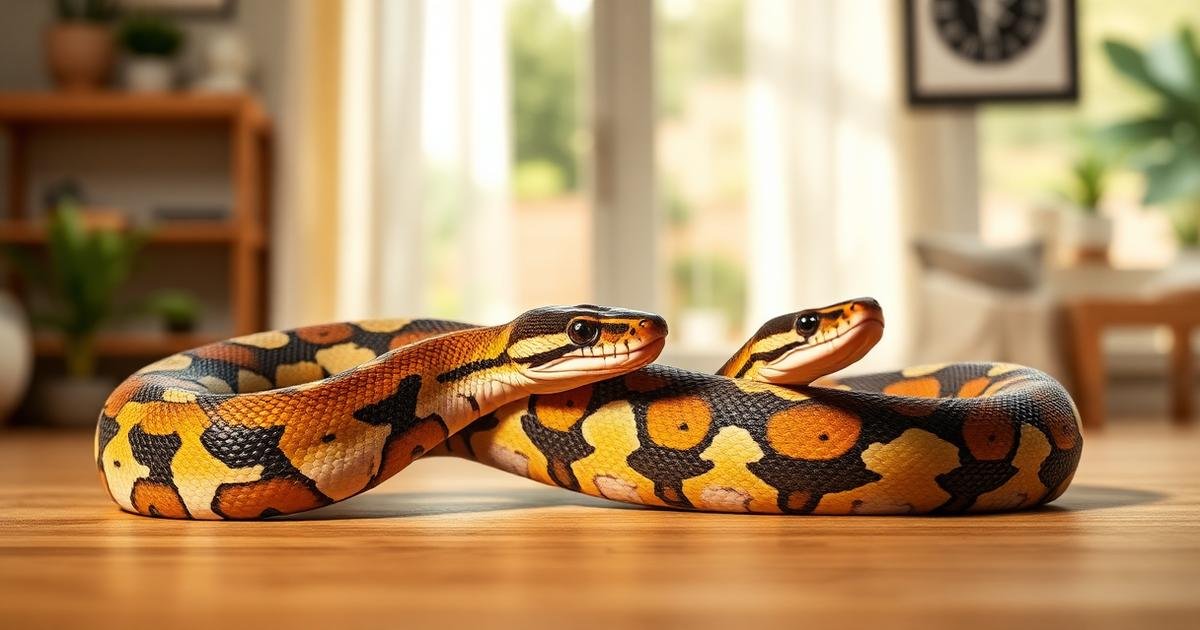
Choosing between a ball python vs corn snake for beginners comes down to temperament and feeding habits. For most first time snake owners, the corn snake is the more forgiving choice due to its reliable feeding response and less specific humidity needs. However, the ball python wins if you want a slower-moving, more handleable snake that stays smaller overall. This guide breaks down every difference so you can make the right decision for your home and lifestyle.
Ball python vs corn snake for beginners: The corn snake is generally better for absolute beginners because it eats reliably in captivity, tolerates a wider range of humidity and temperature, and is less prone to stress-related feeding strikes. Ball pythons are also suitable but require stricter humidity control (50–60%) and may refuse food
Quick Answer: Which snake is better for a beginner, a ball python or a corn snake?
The corn snake is generally better for absolute beginners because it eats reliably in captivity, tolerates a wider range of humidity and temperature, and is less prone to stress related feeding strikes. Ball pythons are also suitable but require stricter humidity control (50–research suggests 60%) and may refuse food for weeks without a clear cause.
For a complete guide on this topic, see the Reptile Care Guide.
What makes a snake beginner friendly in the first place?
Before diving into the ball python vs corn snake for beginners debate, you need to know what "beginner-friendly" actually means in reptile keeping. It is not about how cute the snake looks or how small it stays.
A beginner friendly snake must eat frozen thawed prey readily, tolerate handling without excessive stress, and survive minor husbandry mistakes without getting sick. It should also have a predictable temperament that does not change dramatically during shedding or breeding seasons.
Both ball pythons and corn snakes meet most of these criteria, but they differ significantly in the margin of error they offer. The corn snake gives you a wider safety net. The ball python demands more precision.
Pro Tip: If you live in a dry climate (below research suggests 40% ambient humidity), a corn snake will be significantly easier to keep healthy than a ball python. You will spend less time misting and troubleshooting respiratory issues.
How do their temperaments compare for handling?
Temperament is often the deciding factor in the ball python vs corn snake for beginners comparison. Ball pythons are famously docile. They rarely bite, and when they do, it is usually a feeding response or a defensive ball up posture rather than a strike.
Corn snakes are more active and curious. They do not ball up — they musk (release a foul smelling liquid) and may rattle their tails when scared. Young corn snakes can be flighty and may nip if startled, but adults typically calm down with regular handling.
If you want a snake you can sit with while watching TV for an hour, a ball python wins. If you want a snake that actively explores your hands and arms, a corn snake is more engaging.
Handling frequency and duration
Both species benefit from handling 2–3 times per week for 10–15 minutes. Ball pythons tolerate longer sessions (up to 30 minutes) because they are less active. Corn snakes may become restless after 15 minutes and try to explore beyond your hands.
Never handle either snake within 48 hours of feeding. Regurgitation is a serious health risk that can lead to dehydration and death.
What are the enclosure and setup differences?
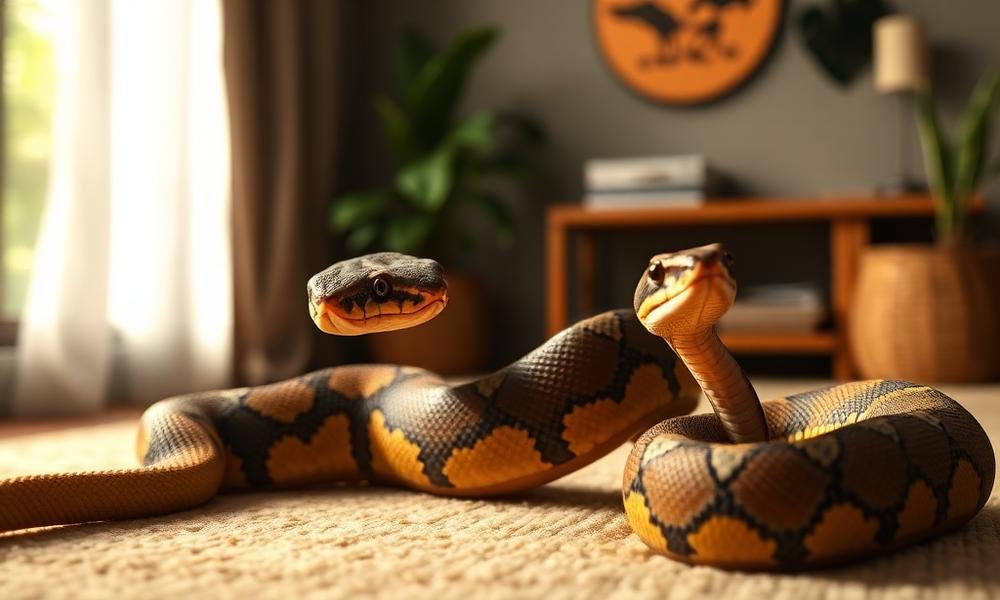
This is where the ball python vs corn snake for beginners comparison gets practical. Both need a secure enclosure — snakes are escape artists — but their environmental requirements differ.
Enclosure size
A baby snake starts in a 10–20 gallon tank. An adult corn snake needs a 40-gallon breeder tank (36x18x18 inches minimum). An adult ball python needs the same floor space but benefits from a 40-gallon or larger enclosure because they are heavier-bodied.
Temperature gradients
Both species need a warm side (88–92°F for ball pythons, 85–90°F for corn snakes) and a cool side (75–80°F). The difference is in the heat source. Ball pythons are sensitive to belly heat and do well with under tank heaters. Corn snakes tolerate overhead heating better.
Humidity requirements
This is the biggest difference. Ball pythons require 50–research suggests 60% humidity, with a spike to research suggests 70% during shedding. Corn snakes need 40–research suggests 60% humidity. In many homes, corn snake humidity is achieved without any extra equipment. Ball python humidity often requires daily misting, a humid hide, or a fogger.
| Ball Python | Corn Snake | |
|---|---|---|
| Adult size | 3–5 feet | 3–5 feet |
| Humidity range | 50–research suggests 60% (strict) | 40–research suggests 60% (forgiving) |
| Feeding reliability | Can fast for months | Eats reliably year-round |
| Docile, sedentary | Active, curious | |
| Handling ease | Excellent for calm sessions | Good for active exploration |
| Average lifespan | 20–30 years | 15–20 years |
| Feeding difficulty | May refuse frozen-thawed | Eats frozen thawed readily |
| Cost to set up | $300–$500 | $200–$400 |
Pro Tip: Use a digital hygrometer with a probe, not the stick on analog ones. Analog hygrometers are often inaccurate by 10–research suggests 15%, which can lead to humidity related health problems in ball pythons within 2–3 weeks.
How do feeding habits differ between the two?
Feeding is often the most frustrating part of the ball python vs corn snake for beginners experience. Corn snakes are opportunistic feeders in the wild and almost always accept frozen thawed mice without hesitation.
Ball pythons, on the other hand, are notoriously picky. They may refuse food for 4–8 weeks during winter, breeding season, or even for no apparent reason. This is called "fasting" and is normal, but it is terrifying for a new owner who does not know if their snake is sick.
If you are squeamish about feeding live prey, the corn snake is the clear winner. Ball pythons sometimes require live prey to initiate feeding, especially if they were raised on live food as babies. Converting a ball python to frozen thawed can take weeks of effort.
Feeding schedule
Both species eat every 5–7 days as juveniles (pinkies or fuzzies) and every 10–14 days as adults (adult mice or small rats). Ball pythons typically move up to rats as adults because mice alone may not provide enough nutrition for their heavier bodies.
Corn snakes stay on mice their entire lives. This makes feeding simpler and cheaper over the snake's lifespan.
What about health problems and lifespan?
Both species are hardy when kept properly, but they have different common health issues. Understanding these can help you decide which snake's care routine you can realistically maintain.
Ball python health concerns
Respiratory infections are the most common issue, almost always caused by low humidity. You will see open mouth breathing, wheezing, and excess mucus. Stomatitis (mouth rot) and scale rot from wet substrate are also risks if humidity is too high or the enclosure is not cleaned weekly.
Obesity is another concern. Ball pythons are sedentary and will overeat if offered food too frequently. Stick to the 10–14 day adult schedule strictly.
Corn snake health concerns
Corn snakes are less prone to respiratory issues but can develop mites more easily because they are active and explore their environment thoroughly. Regular quarantine of new snakes and thorough cleaning of accessories prevents most mite outbreaks.
Corn snakes also live 15–20 years, while ball pythons can live 20–30 years. That decade difference matters if you are not ready for a 30-year commitment.
Pro Tip: Join a species specific forum (like r/ballpython or r/cornsnakes on Reddit) before buying. Read 10 posts about health emergencies. If the problems sound manageable to you, you have your answer on which snake fits your lifestyle.
Which snake costs more to set up and maintain?
The ball python vs corn snake for beginners cost comparison favors the corn snake slightly. Initial setup costs are similar — both need a tank, heat source, thermostat, hides, water bowl, and substrate.
Ball pythons cost more in the long run because they need larger rats (more expensive than mice) and often require a humidifier or fogger in dry climates. A fogger adds $40–$80 to ball python vs corn snake for beginners and requires weekly cleaning to prevent bacterial growth.
Corn snakes eat mice exclusively. A bag of 50 frozen adult mice costs about $40 and lasts 6–8 months for one snake. Ball python rats cost roughly double per feeder.
How do their activity levels and daily care differ?
Activity level is a factor many beginners overlook in the ball python vs corn snake for beginners decision. Corn snakes are diurnal and crepuscular, meaning they are active during the day and at dawn or dusk. You will see them exploring, climbing, and interacting with their environment regularly.
Ball pythons are primarily nocturnal and spend most of the day coiled up in a hide. They become active after lights out, which means you may rarely see your snake moving if you keep a standard day schedule. This can be disappointing for owners who want an interactive pet.
Daily care also differs. Corn snakes need their water bowl cleaned and refilled every 2–3 days. Ball pythons require daily humidity checks and spot cleaning of urates more frequently due to their larger waste output. You will spend about 5–10 minutes per day on corn snake maintenance versus 10–15 minutes for a ball python.
Breeding season behavior changes
During breeding season (winter to early spring), male corn snakes become more restless and may refuse food for 2–4 weeks. Female ball pythons may become defensive during ovulation and refuse food for up to 3 months. These seasonal changes are normal but can alarm new owners who do not expect them.
What about space and housing considerations for apartments?
If you live in an apartment, the ball python vs corn snake for beginners choice becomes more about space and noise. Both species are quiet and do not require outdoor access, making them ideal for apartment living.
However, ball pythons need a larger enclosure footprint because of their heavier bodies. A 40-gallon tank takes up about 4.5 square feet of floor space. Corn snakes can thrive in a 40-gallon breeder tank too, but some adults do well in 20-gallon long tanks if they are not overly active.
Humidity control in apartments is another factor. Apartments with central heating or air conditioning often have very dry air (20–research suggests 30% humidity). This makes ball python care significantly harder. Corn snakes handle dry air much better and may only need a larger water bowl to maintain adequate humidity.
Ready to bring home your first snake? Compare enclosures, heating equipment, and feeding supplies side by side.
Browse Reptile Options →
For broader reference and guidance, akc.org provides useful context on pet health and care decisions.
For broader reference and guidance, petmd.com provides useful context on pet health and care decisions.
Frequently Asked Questions
Can a ball python and corn snake live together in the same enclosure?
No. Never house different snake species together. They have different temperature and humidity needs, and cohabitation causes chronic stress, competition for resources, and potential injury. Each snake needs its own properly sized enclosure.
Which snake is more likely to bite a beginner?
Young corn snakes are more likely to nip when frightened, but the bites are harmless (like Velcro scratches). Ball pythons rarely bite but have stronger jaw pressure when they do. Neither species is dangerous to humans.
How long can a ball python go without eating?
Healthy adult ball pythons can fast for 4–6 months without significant weight loss. Juveniles should not fast longer than 4–6 weeks. If your ball python refuses food for more than 8 weeks, consult a reptile veterinarian to rule out illness.
Do corn snakes need a heat lamp or under tank heater?
Corn snakes can use either, but under tank heaters are preferred because they provide belly heat for digestion. A thermostat is mandatory with any heat source to prevent burns. Overhead heat lamps can dry out the enclosure too quickly.
Are ball pythons good for children?
Ball pythons are generally safe for supervised children because they are slow moving and rarely strike. However, children under 8 may not understand the snake's body language. Corn snakes are too fast and flighty for young children and may cause the child to drop them.
Which snake is better for someone with allergies?
Neither snake produces dander like mammals, but corn snakes produce less urate waste (the solid part of their droppings) relative to their body size. Ball pythons produce more waste and require more frequent enclosure cleaning, which may aggravate dust allergies.
How often should I clean the enclosure for each species?
Spot clean both enclosures as soon as you see waste — typically every 2–3 days for ball pythons and every 4–5 days for corn snakes. A full substrate change should happen every 4–6 weeks for corn snakes and every 3–4 weeks for ball pythons due to their higher waste output.
Which snake is more handleable for a nervous first time owner?
Ball pythons are more handleable for nervous owners because they move slowly and stay in your hands. Corn snakes are faster and may try to escape your grip, which can startle someone who is not confident handling snakes. Start with a ball python if you are nervous about handling.