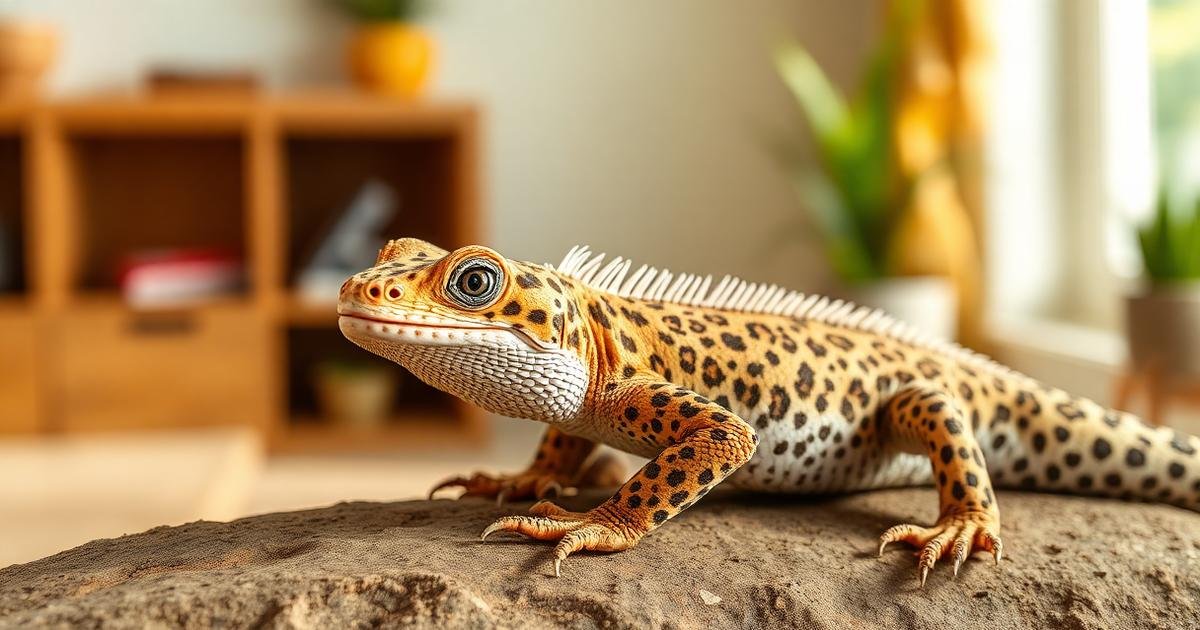
Choosing between a bearded dragon vs leopard gecko comes down to space, handling, and daily care commitment. Bearded dragons need large enclosures, intense UVB lighting, and live insects daily, while leopard geckos thrive in smaller tanks with simpler heating and eat less frequently. This guide breaks down every difference so you can pick the right reptile for your home and lifestyle.
Bearded dragon vs leopard gecko: If you have space for a 75–120 gallon tank, can commit to daily live insect and vegetable feeding, and want a calm, handleable pet, choose a bearded dragon. If you have limited space, a tighter budget, and prefer a low-maintenance pet that eats every 2–3 days, choose a leopard gecko. Bearded dragons
Quick Answer: Bearded Dragon vs Leopard Gecko — Which Is Better for Me?
If you have space for a 75–120 gallon tank, can commit to daily live insect and vegetable feeding, and want a calm, handleable pet, choose a bearded dragon. If you have limited space, a tighter budget, and prefer a low maintenance pet that eats every 2–3 days, choose a leopard gecko. Bearded dragons suit experienced owners or dedicated beginners; leopard geckos are ideal for first time reptile keepers.
For a complete guide on this topic, see the Reptile Care Guide.
This bearded dragon vs leopard gecko decision works best when the owner compares daily fit, tolerance, and practical consistency together.
What Are the Key Differences in Enclosure Size and Setup?
Enclosure size is one of the biggest practical differences between these two reptiles. A bearded dragon needs a minimum of 75 gallons (48" x 18" x 18") as an adult, with many owners opting for 120 gallons. Leopard geckos are comfortable in a 20-gallon long tank (30" x 12" x 12") for their entire lives.
For many homes, the right bearded dragon vs leopard gecko choice is the one that stays reliable under ordinary daily conditions.
Bearded dragons require a UVB strip light covering at least two thirds of the enclosure, plus a basking bulb reaching 95–105°F on the hot side. Leopard geckos need an under tank heater or heat mat set to 88–92°F on the warm side, with UVB being optional but beneficial according to the AVMA pet owner resources.
A well matched bearded dragon vs leopard gecko option should support the pet clearly without making the routine harder to maintain.
The substrate also differs significantly. Bearded dragons do best on tile, reptile carpet, or paper towels to prevent impaction from loose substrate. Leopard geckos can use calcium sand, excavator clay, or paper towels — though loose substrate carries some risk if accidentally ingested.
Pro Tip: If you're tight on floor space, a leopard gecko setup fits on a standard dresser or desk. A bearded dragon enclosure needs a dedicated stand or table — it's heavy and bulky at 75+ gallons.
How Do Their Diet and Feeding Schedules Compare?
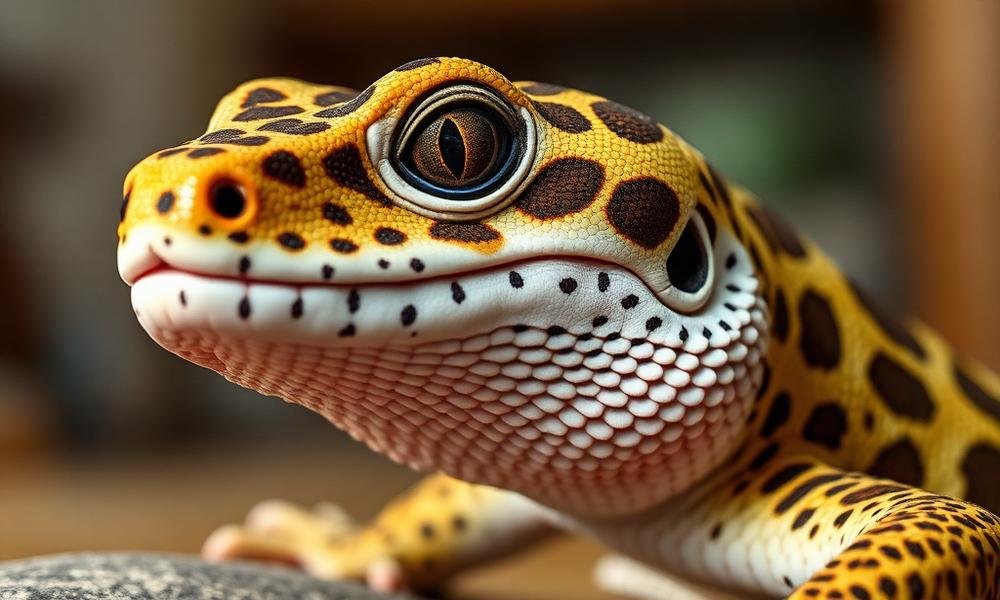
Bearded dragons are omnivores, requiring a mix of live insects and fresh vegetables daily. Juveniles eat 2–3 times per day, while adults eat once daily. Their staple feeders include dubia roaches, crickets, and black soldier fly larvae, with greens like collard greens, mustard greens, and butternut squash making up 50–research suggests 80% of their diet as adults.
Leopard geckos are strictly insectivorous, eating only live insects. Adult leopard geckos need feeding every 2–3 days, with 5–8 appropriately sized crickets or mealworms per feeding. Juveniles eat daily. This simpler diet means less prep time and fewer trips to the pet store for fresh produce.
Both species require calcium and vitamin D3 supplementation. Bearded dragons need calcium powder on insects daily and a multivitamin 2–3 times per week. Leopard geckos require calcium with D3 on every feeding and a multivitamin once weekly. The PetMD condition guides note that metabolic bone disease is the most common nutritional issue in both species when supplementation is neglected.
Pro Tip: Set up a dubia roach colony 8–12 weeks before bringing home either reptile. It saves 40–research suggests 60% on feeder costs and ensures you always have appropriately sized insects on hand.
Which Reptile Is Easier to Handle and Tame?
Bearded dragons are generally more tolerant of handling and can be held for 20–30 minutes at a time once acclimated. They rarely bite and will sit calmly on your shoulder or lap. Their calm demeanor makes them excellent for families with children aged 6 and up, provided handling is supervised.
Leopard geckos are more delicate and can be skittish, especially when young. They tolerate handling for 10–15 minutes but may drop their tail as a defense mechanism if stressed — a tail that never fully regenerates. Leopard geckos are better suited to older children or adults who understand gentle, slow movements.
Both species need a 2–3 week adjustment period after coming home before regular handling begins. Start with 5-minute sessions and gradually increase duration. Never grab either reptile from above — approach from the side and scoop from underneath to build trust.
What Are the Long Term Costs and Lifespan Differences?
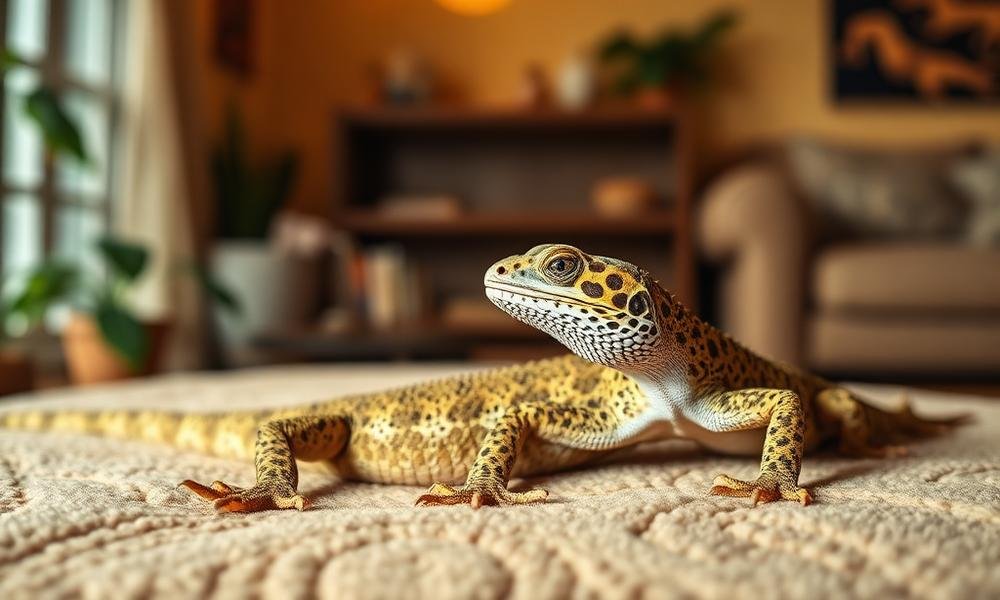
Bearded dragons live 8–12 years in captivity, while leopard geckos can reach 15–20 years with proper care. Initial setup for a bearded dragon costs $400–$800 for the tank, lighting, heating, and décor. Leopard gecko setup runs $150–$300 for a complete habitat.
Monthly ongoing costs also differ significantly. Bearded dragons require $30–$60 per month for live insects, fresh greens, and electricity for high output UVB and basking bulbs. Leopard geckos cost $15–$30 per month for insects and heat mat electricity. Bulb replacement is a hidden cost — bearded dragon UVB bulbs need replacing every 6–12 months at $20–$40 each.
Veterinary care is similar for both species, with exotic vet visits costing $50–$150 per checkup. Common issues include parasites, respiratory infections, and metabolic bone disease. The ASPCA behavior resources note that annual wellness exams are recommended for all reptiles to catch problems early.
| Bearded Dragon | Leopard Gecko | |
|---|---|---|
| Initial setup cost | $400–$800 | $150–$300 |
| Monthly cost | $30–$60 | $15–$30 |
| 8–12 years | 15–20 years | |
| Daily time commitment | 45–60 minutes | 15–20 minutes |
| Handling tolerance | ||
| Space requirement | 75+ gallons | 20 gallons |
Which Species Has More Complex Health Requirements?
Bearded dragons have more demanding health needs due to their UVB and temperature gradient requirements. Improper UVB exposure leads to metabolic bone disease within 4–8 weeks, causing lethargy, tremors, and limb deformities. They also need a distinct cool side (75–80°F) and basking spot (95–105°F) to regulate body temperature properly.
Leopard geckos are hardier in terms of environmental tolerance but have their own vulnerabilities. They are prone to impaction from ingesting loose substrate, especially if fed large prey items. They also commonly develop retained shed on toes and tail tips, which can restrict blood flow and lead to necrosis if not addressed.
Both species need humidity management. Bearded dragons require 30–research suggests 40% humidity — too high causes respiratory infections. Leopard geckos need a humid hide (70–research suggests 80% humidity inside) for proper shedding, while the rest of the enclosure stays at 40–research suggests 50%. A hygrometer is essential for both setups.
Pro Tip: Install a thermostat on every heat source. For bearded dragons, use a dimming thermostat for basking bulbs. For leopard geckos, use a proportional thermostat for heat mats. This prevents overheating and extends bulb life by 3–6 months.

How Do Their Activity Levels and Enrichment Needs Differ?
Bearded dragons are naturally curious and need daily enrichment outside their enclosure. Plan for 20–30 minutes of supervised exploration time in a reptile safe room or on a playpen. They enjoy climbing on driftwood, basking on elevated platforms, and digging in a dig box filled with clean soil or play sand.
Leopard geckos are more sedentary but still need enrichment within their tank. Provide 3–4 hides (warm, cool, and humid), cork bark tunnels, and low branches for climbing. They also benefit from a shallow water dish and a calcium dish available at all times. Change the layout every 4–6 weeks to encourage natural foraging behavior.
Both species show stress if under-stimulated. Signs include glass surfing (bearded dragons), tail waving (leopard geckos), and reduced appetite. Rotating enrichment items prevents boredom and keeps your pet active. A bored reptile is more likely to develop health issues like obesity or repetitive stress behaviors.
Pro Tip: For bearded dragons, set up a basking spot with a flat rock that holds heat. For leopard geckos, use a humid hide with sphagnum moss — mist it every 2–3 days to maintain 70–research suggests 80% humidity inside.
Which Reptile Is Better for Apartment Living?
Leopard geckos are far better suited to apartments. Their 20-gallon tank fits on a desk or dresser, and they make minimal noise. The under tank heater runs quietly and doesn't disturb neighbors. You can keep a leopard gecko in a studio apartment without issues.
Bearded dragons need more space and produce more noticeable heat from their basking lamps. The UVB strip light and basking bulb can raise room temperature by 3–5°F, which might be uncomfortable in small apartments during summer. Their enclosure also requires a dedicated stand that takes up floor space.
Both species are quiet and won't bark or meow — a big plus for apartment dwellers. However, bearded dragons need daily roaming time, which requires a reptile proofed room. If you live in a small space, a leopard gecko is the more practical choice for long term happiness.
How Do Their Shedding and Grooming Needs Compare?
Bearded dragons shed in patches rather than all at once. Young dragons shed every 2–4 weeks, while adults shed every 6–8 weeks. You can help by providing a rough surface like a rock or branch for them to rub against. Never peel stuck shed — soak your dragon in shallow warm water (85–90°F) for 10–15 minutes instead.
Leopard geckos shed their entire skin in one piece every 4–6 weeks as juveniles and every 8–12 weeks as adults. They eat their shed skin to reclaim nutrients, so you may not even notice it happened. Problems arise when humidity is too low — retained shed on toes or tail tips can cut off circulation.
Both species need nail trims every 4–6 weeks if they don't wear them down naturally on rough surfaces. Use small animal nail clippers and avoid the quick (the pink vein inside the nail). If you're unsure, ask your exotic vet to demonstrate during your first wellness visit.
Ready to set up your new reptile's habitat? Find the right tank, lighting, and feeders for either species.
Browse Reptile Options →
Frequently Asked Questions
Can bearded dragons and leopard geckos live together?
No, never house them together. Bearded dragons are larger and may injure or eat leopard geckos. They also have different temperature, humidity, and UVB requirements. Each species needs its own enclosure to thrive.
Which reptile is better for a child's first pet?
Bearded dragons are generally better for children aged 8 and up because they tolerate handling well and rarely bite. Leopard geckos are more fragile and may drop their tails if squeezed. Always supervise children during handling sessions.
Do bearded dragons or leopard geckos smell more?
Both species are clean and produce minimal odor when properly maintained. Bearded dragons have slightly more noticeable waste because they eat more volume. Spot cleaning every 2–3 days and a full substrate change monthly prevents any smell.
How often do I need to replace UVB bulbs for each species?
Bearded dragons need UVB bulb replacement every 6–12 months, even if the bulb still emits visible light. Leopard geckos benefit from UVB but don't strictly require it; if you provide UVB, replace bulbs every 12 months. UVB output drops before the bulb burns out.
Which reptile is more active during the day?
Bearded dragons are diurnal and active during the day, basking, exploring, and eating. Leopard geckos are crepuscular, most active at dawn and dusk. If you want a pet you can interact with during daytime hours, choose a bearded dragon.
Can I feed both species the same insects?
Yes, both species eat crickets, dubia roaches, mealworms, and black soldier fly larvae. However, bearded dragons also need vegetables and greens, while leopard geckos eat only insects. Never feed leopard geckos plant matter — they cannot digest it.
How long does it take to tame a bearded dragon versus a leopard gecko?
Bearded dragons usually tame within 2–4 weeks of daily, gentle handling sessions lasting 5–10 minutes. Leopard geckos may take 4–8 weeks to become comfortable being held. Patience and consistency are key for both species.
Which reptile lives longer?
Leopard geckos typically live 15–20 years, while bearded dragons live 8–12 years. If you want a longer term commitment, choose a leopard gecko. Be prepared for a 15–20 year responsibility when selecting either species.