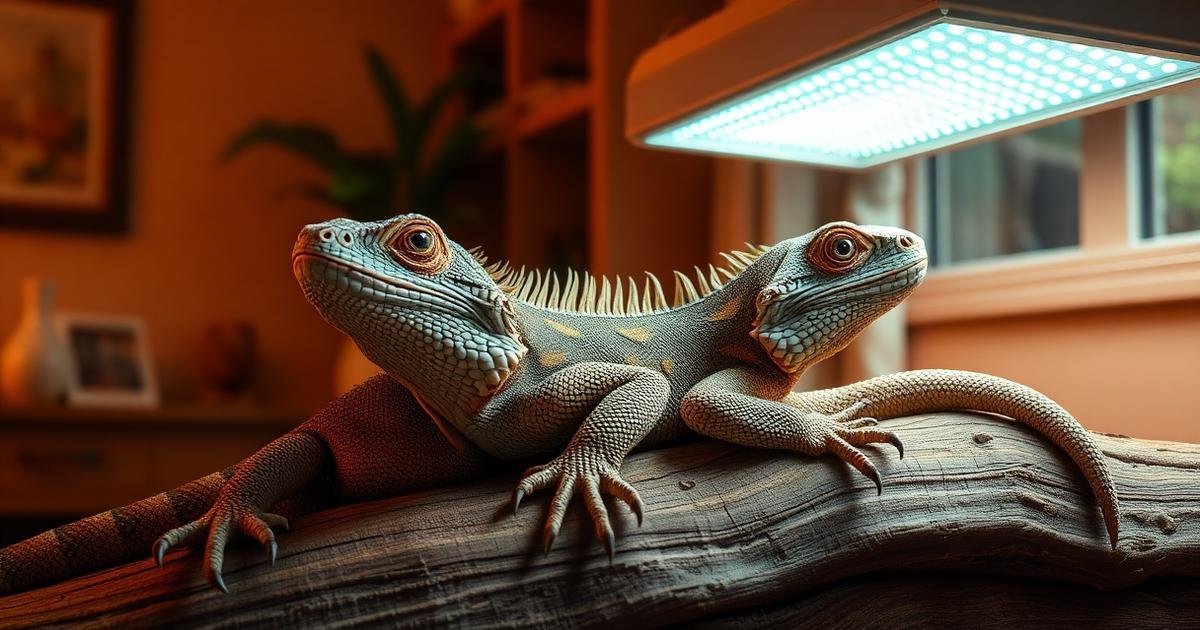
Choosing the best heat lamp for reptiles is critical for your pet's health and survival. The right lamp provides the essential basking temperature and UVB radiation your reptile needs for proper digestion, calcium absorption, and immune function. For most diurnal reptiles like bearded dragons and leopard geckos, a combination of a high quality basking bulb and a separate UVB fluorescent tube is the gold standard, as it mimics natural sunlight most effectively.
Best heat lamp for reptiles: The best heat lamp for reptiles is a 75-150 watt halogen flood bulb paired with a linear T5 HO UVB fluorescent tube. This combination delivers intense, focused basking heat and consistent UVB output, accurately replicating the sun's spectrum and thermal gradient for desert and tropical species alike
Quick Answer: What is the best heat lamp for reptiles?
The best heat lamp for reptiles is a 75-150 watt halogen flood bulb paired with a linear T5 HO UVB fluorescent tube. This combination delivers intense, focused basking heat and consistent UVB output, accurately replicating the sun's spectrum and thermal gradient for desert and tropical species alike.
For a complete guide on this topic, see the Reptile Care Guide.
Why the right heat lamp matters for your reptile
Reptiles are ectotherms—they rely entirely on external heat sources to regulate their body temperature. Without a proper heat lamp, your reptile cannot digest food, absorb calcium, or mount an effective immune response. This leads to metabolic bone disease, impaction, and a slow, painful decline.
A good basking lamp creates a temperature gradient inside the enclosure. One side should be hot (95-110°F for desert species) and the other side cooler (75-85°F). Your reptile moves between these zones to self-regulate. The best heat lamp for reptiles makes this gradient possible and stable throughout the day.
You also need to consider UVB output. Many heat lamps produce heat but no UVB. Without UVB, your reptile cannot synthesize vitamin D3, which is essential for calcium metabolism. According to the AVMA reptile care resources, improper lighting is one of the most common causes of illness in captive reptiles.
Pro Tip: Always use a thermostat or dimmer switch with your heat lamp. A lamp running at full power can easily overheat a small enclosure, causing burns or heat stroke. A simple dimmer gives you precise control over basking temperatures.
What to look for in the best heat lamp for reptiles
Heat output and bulb type
Halogen bulbs produce the most intense, focused heat of any standard bulb type. They emit a bright white light that closely mimics the sun, which encourages natural basking behavior. Incandescent bulbs are cheaper but less efficient and produce a warmer, yellower light that may not trigger the same basking response.
Ceramic heat emitters (CHEs) produce no light at all—only heat. These are excellent for nighttime heating because they won't disrupt your reptile's day/night cycle. However, they should never be your primary heat source for diurnal species since reptiles need visible light to establish a circadian rhythm.
Mercury vapor bulbs combine heat, visible light, and UVB in a single bulb. While convenient, they produce very intense heat and UVB that can be difficult to control in smaller enclosures. They work best in large (4-foot or longer) enclosures for high UVB species like bearded dragons.
UVB output
This is where many owners go wrong. A heat lamp that produces no UVB is insufficient for most diurnal reptiles. You need a separate UVB source. Linear fluorescent tubes (T5 HO) are the most effective and reliable option. Compact coil bulbs produce inconsistent UVB and are not recommended by most herpetologists.
The ASPCA reptile care page emphasizes that UVB bulbs should be replaced every 6-12 months, even if they still emit visible light. The UVB output degrades over time, and your reptile may be getting little to no UVB from an old bulb.
Fixture and mounting
The fixture matters as much as the bulb. A deep dome fixture with a ceramic socket can handle higher wattages and focuses the heat downward into the basking spot. A wire cage clamp lamp is cheaper but less safe—it can overheat and poses a fire risk if knocked over.
You need a fixture that positions the bulb at the correct distance from the basking surface. For most halogen bulbs, 8-12 inches is ideal. For UVB tubes, 6-8 inches for T5 HO bulbs is the sweet spot. Always check the manufacturer's guidelines.
Pro Tip: Use a temperature gun to measure surface temperatures at the basking spot, not ambient air temperature. The surface temperature is what your reptile actually feels and uses to thermoregulate. Air temperature alone can be misleading.
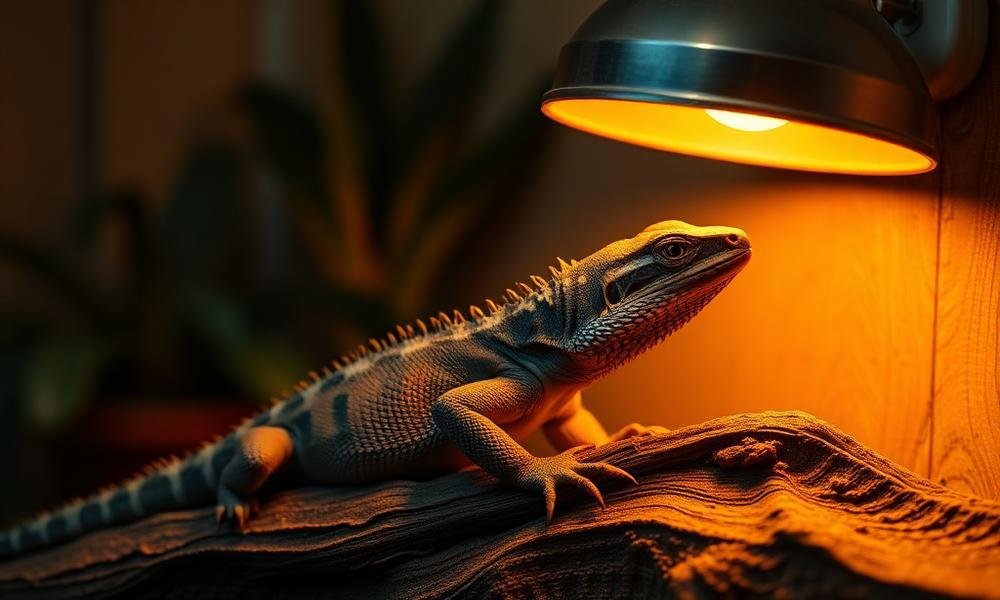
How to set up your heat lamp correctly
Position the basking lamp at one end of the enclosure, never in the middle. This creates a thermal gradient. The basking spot should be a flat rock or branch placed directly under the lamp. Ensure your reptile cannot touch the bulb itself—burns are a common and preventable injury.
Use a thermostat to regulate temperature. A simple on/off thermostat works for most setups. A proportional thermostat (dimming thermostat) provides finer control and extends bulb life. Set the thermostat probe at the basking spot, not on the cool side.
For UVB, mount the tube fixture inside the enclosure (not on top of a screen) for maximum output. Screens block 30-50% of UVB rays. If you must use a screen, choose a bulb with higher UVB output or mount the fixture closer.
Run the heat lamp for 12-14 hours daily. Use a timer to automate the schedule. Your reptile depends on consistent day/night cycles for proper hormone regulation and behavior. A timer removes human error and ensures your pet gets the right photoperiod every day.
Species specific heat lamp requirements
Bearded dragons
Bearded dragons need a basking surface temperature of 100-110°F with a cool side around 75-85°F. A 100-150 watt halogen flood bulb works well for most adult enclosures (75-120 gallons). Pair this with a T5 HO 10.0 UVB tube mounted inside the enclosure. Without this setup, metabolic bone disease develops within weeks.
Leopard geckos
Leopard geckos are crepuscular and need a basking spot of 88-92°F. A 50-75 watt halogen bulb is usually sufficient for a 20-gallon long tank. They require lower UVB levels—a T5 HO 5.0 or research suggests 6% UVB tube is appropriate. Provide plenty of hides on both the warm and cool sides so your gecko can thermoregulate without stress.
Ball pythons
Ball pythons need a basking spot of 88-92°F with ambient temperatures around 78-82°F. A 75-100 watt ceramic heat emitter or deep heat projector works better than a bright basking bulb for these nocturnal snakes. They don't require UVB, but a low level UVB tube (5.0 or research suggests 2%) can still benefit their overall health by supporting natural behaviors.
Tropical species (crested geckos, chameleons)
Crested geckos need temperatures no higher than 78-82°F—anything above 85°F can be fatal. A low-wattage (25-40 watt) halogen bulb or even ambient room heating may be sufficient. Chameleons need a basking spot of 85-90°F with high humidity and excellent ventilation. Use a 50-75 watt halogen bulb with a T5 HO 5.0 UVB tube, and mist the enclosure twice daily.
Pro Tip: Research your specific species' temperature and humidity requirements before buying any equipment. A heat lamp that works perfectly for a bearded dragon can kill a crested gecko. The best heat lamp for reptiles is always species-appropriate.
Ready to upgrade your reptile's lighting setup? Find the perfect heat lamp and UVB combination for your species.
Browse Reptile Options →
Comparison of top heat lamp types
| Bulb Type | Best For | UVB Output | Heat Intensity | Night Use |
|---|---|---|---|---|
| Halogen Flood | Desert species (bearded dragons, uromastyx) | High, focused | 1,000-2,000 hours | |
| Ceramic Heat Emitter | Nighttime heating for all species | Medium, diffuse | 5,000-10,000 hours | |
| Mercury Vapor | Large enclosures (4+ feet), high UVB species | Very high, intense | 6,000-10,000 hours | |
| Incandescent Basking | Small enclosures, budget setups | Low to medium | 1,000-2,000 hours | |
| T5 HO UVB Tube | UVB supplementation for all diurnal species | High, consistent | 6-12 months |
Common mistakes when choosing a heat lamp
Using a single bulb for heat and UVB
Mercury vapor bulbs seem convenient, but they produce very intense heat and UVB that's difficult to control. In most enclosures under 4 feet, these bulbs create a dangerously hot basking zone with UVB levels that can cause eye damage and skin burns. Stick to separate heat and UVB sources for better control.
Placing the lamp on a screen lid
Screen lids block 30-50% of UVB rays and reduce heat penetration. Your reptile may not be getting enough UVB even with a new bulb. Mount UVB tubes inside the enclosure whenever possible. For heat lamps, use a mesh with wide openings or mount the lamp inside.
Not replacing UVB bulbs regularly
UVB output degrades over time. After 6 months, a T5 HO bulb may produce only research suggests 50% of its original UVB. Your reptile may appear fine but could be developing metabolic bone disease slowly. Mark your calendar and replace UVB bulbs every 6-12 months, depending on the brand.
Ignoring nighttime temperature drops
Most reptiles need a nighttime temperature drop of 10-15°F. Leaving a bright heat lamp on all night disrupts sleep cycles and causes chronic stress. Use a ceramic heat emitter or deep heat projector for nighttime heating if needed. These produce no light and allow your reptile to rest.
Overlooking enclosure size and ventilation
A large enclosure with high ventilation may require a higher wattage bulb than a small, enclosed tank. Glass tanks lose heat faster than PVC or wooden enclosures. Always test your setup over 24-48 hours before introducing your reptile. Adjust wattage or distance until temperatures stabilize within the target range.
Pro Tip: Before buying any heat lamp, measure your enclosure's dimensions and identify your reptile's specific temperature requirements. A leopard gecko needs a basking spot of 88-92°F, while a bearded dragon needs 100-110°F. The best heat lamp for reptiles is the one that meets your species' exact needs.
Frequently Asked Questions
Can I use a regular household bulb as a heat lamp for my reptile?
You can use a standard incandescent bulb in a pinch, but it's not ideal. Household bulbs produce less intense heat and a different light spectrum than reptile specific basking bulbs. They also may not last as long under continuous use. A halogen flood bulb designed for reptiles is a much better investment.
How far should the heat lamp be from my reptile?
The distance depends on the bulb wattage and enclosure setup. For a 75-watt halogen bulb, 8-10 inches is typical. For a 150-watt bulb, 12-14 inches. Always measure the surface temperature at the basking spot with a temperature gun and adjust the distance until you reach the target temperature for your species.
Do I need a heat lamp at night for my reptile?
Most reptiles benefit from a nighttime temperature drop of 10-15°F. If your home stays above 65-70°F at night, you likely don't need supplemental heat. For tropical species or homes that get cold, use a ceramic heat emitter or deep heat projector, which produce no visible light and won't disrupt sleep.
What wattage heat lamp do I need for a 40-gallon tank?
A 75-100 watt halogen bulb is usually sufficient for a 40-gallon breeder tank (36 inches long). The exact wattage depends on room temperature and enclosure ventilation. Start with 75 watts and measure the basking temperature. If it's too low, move up to 100 watts. Always use a thermostat for precise control.
How often should I replace my reptile heat lamp bulb?
Replace basking bulbs (halogen, incandescent) every 6-12 months or when they burn out. Replace UVB bulbs every 6-12 months regardless of whether they still emit visible light. UVB output degrades over time, and your reptile may be getting insufficient UVB from an old bulb. Mark your calendar for regular replacements.
Can I use a red or blue heat lamp for my reptile?
Veterinarians generally recommend against colored heat lamps. Red and blue bulbs were once marketed for nighttime use, but research suggests reptiles can see these colors, and the constant light disrupts their circadian rhythms. Use a ceramic heat emitter for nighttime heat instead—it produces no light at all.
Should I use a thermostat with my heat lamp?
Yes, absolutely. A thermostat prevents temperature spikes that can burn or kill your reptile. On/off thermostats are affordable and effective for most setups. Dimming thermostats provide finer control and are better for halogen bulbs, as they extend bulb life by reducing power gradually instead of switching on and off.
What's the difference between a basking bulb and a ceramic heat emitter?
A basking bulb produces visible light and intense, focused heat—ideal for creating a basking spot during the day. A ceramic heat emitter produces only heat with no light, making it perfect for nighttime use. Both serve different purposes, and a complete setup often includes both for day and night temperature management.