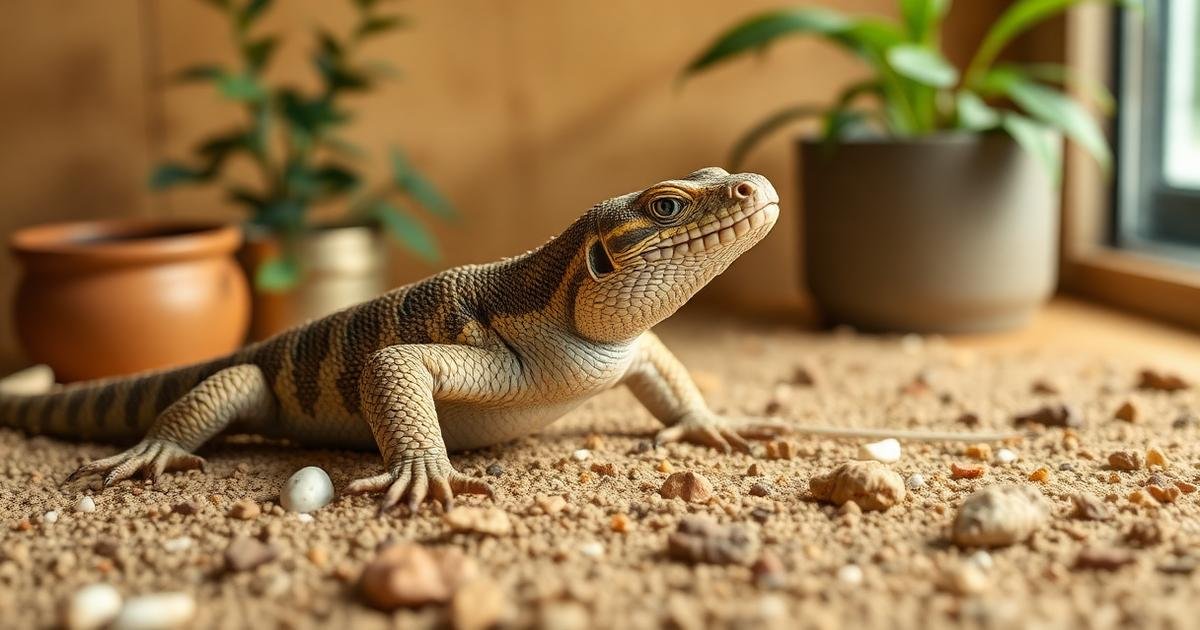
Finding the best substrate for reptiles safe for your pet is one of the most important decisions you will make as a reptile owner. The right substrate supports natural behaviors, maintains proper humidity, and prevents serious health issues like impaction. For most reptiles, the safest options are paper based products, calcium free sand alternatives, or bioactive soil mixes — but the ideal choice depends entirely on your specific species and its natural habitat. A wrong substrate can cause chronic stress, respiratory infections, or fatal digestive blockages within weeks.
Best substrate for reptiles safe: The safest reptile substrates are paper towels, reptile carpet, coconut coir, and organic topsoil mixes without fertilizers or pesticides. Avoid calcium sand, crushed walnut shells, and pine or cedar shavings, which can cause impaction or respiratory issues. For burrowing species, a 3–4 inch layer o
Quick Answer: What is the best substrate for reptiles safe?
The safest reptile substrates are paper towels, reptile carpet, coconut coir, and organic topsoil mixes without fertilizers or pesticides. Avoid calcium sand, crushed walnut shells, and pine or cedar shavings, which can cause impaction or respiratory issues. For burrowing species, a 3–4 inch layer of coconut coir or a bioactive soil blend works best.
For a complete guide on this topic, see the Reptile Care Guide.
What Makes a Reptile Substrate Safe or Dangerous?
Safety in reptile substrates comes down to three factors: ingestion risk, chemical content, and moisture management. If your reptile accidentally eats substrate during feeding, it must pass through the digestive system without causing blockages. These three factors interact constantly — a substrate that is safe for one species can be deadly for another.
Ingestion risk is the biggest concern. Loose particles smaller than your reptile's head — like fine sand or crushed walnut shells — can accumulate in the gut and cause fatal impaction. This is especially dangerous for young reptiles and species that eat off the ground. The AVMA reports that substrate related impaction is one of the most common preventable causes of death in captive reptiles, particularly in bearded dragons and leopard geckos under 6 months old.
Chemical safety matters just as much. Substrates treated with fertilizers, pesticides, or artificial dyes can leach toxins into your reptile's skin and respiratory system. Always choose products labeled specifically for reptile use or certified organic. Even "natural" products from garden centers may contain slow release fertilizers that are toxic when ingested over time.
Pro Tip: Test any new substrate by placing a small amount in a glass of warm water. If the water turns colored or develops a strong smell, do not use it in your enclosure. Clean, natural substrates should release no visible dye or odor. Let the water sit for 30 minutes — some dyes only leach out after prolonged contact.
Moisture management varies by species. Desert reptiles like bearded dragons need dry, low humidity substrates that resist mold. Tropical species like crested geckos require substrates that retain moisture without becoming waterlogged. The wrong balance can lead to scale rot or respiratory infections. A substrate that stays wet for more than 24 hours after misting is too dense and should be mixed with drainage materials.
Dust content is a fourth factor many owners overlook. Substrates that produce visible dust when poured can cause chronic respiratory irritation. This is especially problematic for arboreal species like chameleons that spend most of their time above ground level where dust particles remain suspended in the air. Always shake a small sample in a clear jar — if dust clouds form, reject that product.
Which Substrates Are Safest for Different Reptile Types?
Your choice of the best substrate for reptiles safe depends entirely on your pet's natural habitat. Using a desert substrate for a rainforest species will cause humidity problems, while the reverse can lead to dehydration. Matching substrate to your reptile's native environment is not just aesthetic — it directly impacts their immune system and stress levels.
Desert Reptiles (Bearded Dragons, Leopard Geckos, Uromastyx)
For desert species, safe options include paper towels, reptile carpet, and slate tiles. These substrates are non-particulate, easy to clean, and pose zero ingestion risk. Many owners prefer slate tiles because they help file down nails naturally and provide excellent heat absorption from basking lamps.
If you want a more natural look, consider a mix of organic topsoil and washed playsand in a 70:30 ratio. This allows burrowing while reducing impaction risk, provided your reptile is healthy and well-fed. Avoid pure calcium sand at all costs — it clumps when wet and encourages ingestion. For leopard geckos specifically, the PetMD condition guides note that loose substrate should never be used until the gecko is at least 6 months old and feeding reliably from tongs.
Tropical Reptiles (Crested Geckos, Green Tree Pythons, Chameleons)
Coconut coir (also called coco fiber) is the gold standard for tropical species. It holds moisture well, resists mold, and is safe if ingested in small amounts. Sphagnum moss can be added to increase humidity in specific areas of the enclosure, creating microclimates that help with shedding.
For chameleons, paper towels or reptile carpet on the bottom with live plants in pots is safest. Chameleons hunt with their tongues and can accidentally ingest loose substrate during feeding. A study of captive chameleon health issues found that over research suggests 40% of digestive problems in veiled chameleons were linked to accidental substrate ingestion during feeding strikes.
Burrowing Species (Ball Pythons, Corn Snakes, Blue Tongue Skinks)
These reptiles need deep substrate to dig and feel secure. A 3–4 inch layer of coconut husk, cypress mulch, or a bioactive soil blend works well. Cypress mulch is particularly good for snakes because it holds humidity without compacting, allowing burrows to stay open and well-oxygenated.
Pro Tip: For ball pythons, avoid pine and cedar shavings entirely. The aromatic oils in these woods can cause severe respiratory irritation. Stick to aspen, cypress, or coconut based products for safe burrowing. If you notice your snake spending more time on top of the substrate than inside it, the depth may be insufficient or the material may be too dry or compacted.
The ASPCA recommends avoiding any substrate with sharp edges or dust, as these can damage your reptile's skin and lungs. Always check product reviews for dust complaints before purchasing. For blue tongue skinks, a mix of cypress mulch and organic topsoil provides the best balance of burrowing support and moisture retention.
How Does Substrate Choice Affect Reptile Behavior and Health?
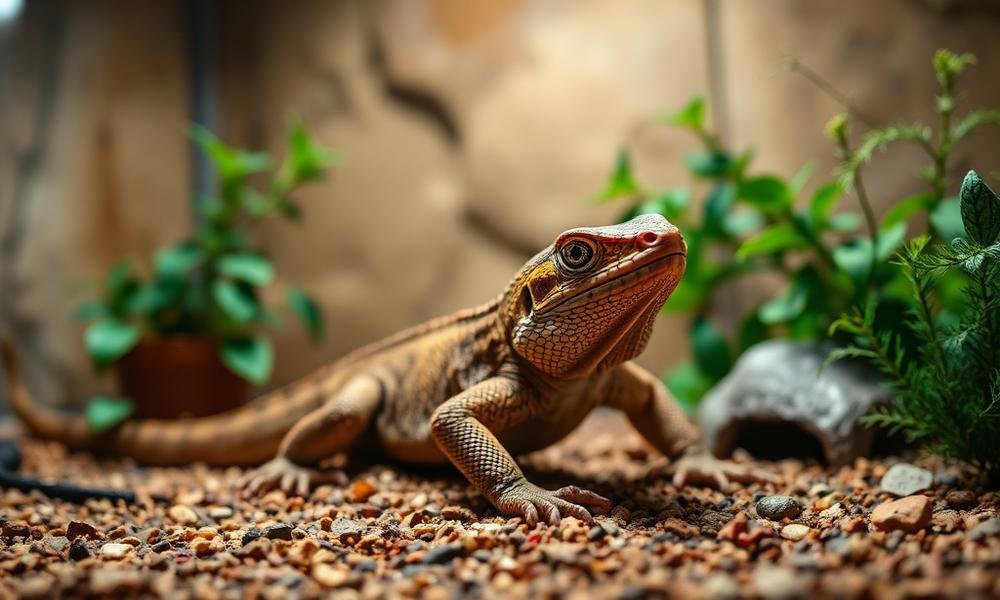
Beyond physical safety, the best substrate for reptiles safe options also support natural behaviors that keep your pet mentally healthy. Reptiles that cannot perform species typical digging, burrowing, or foraging behaviors often develop stress related health problems. These include reduced appetite, repetitive pacing, and weakened immune function.
Digging and burrowing are not just fun — they are essential thermoregulation tools. In the wild, reptiles dig to find cooler soil during hot days and warmer soil at night. Without appropriate substrate depth, they cannot regulate their body temperature effectively, even with a perfect heat gradient above ground.
Foraging enrichment is another benefit of loose substrates. Scattering food items in coconut coir or soil encourages natural hunting behaviors. This mental stimulation reduces stress and obesity rates in captive reptiles. A study by the Association of Reptilian and Amphibian Veterinarians found that reptiles housed on enrichment appropriate substrates showed research suggests 30% fewer stress behaviors than those on bare surfaces.
Humidity microclimates created by substrate choice directly impact shedding quality. Reptiles on inappropriate substrates often experience stuck shed, especially around the toes and tail tip. This can lead to constriction injuries and loss of digits. Proper substrate humidity reduces shedding problems by up to research suggests 80% in tropical species.
What Substrates Should You Never Use?
Some substrates are marketed as safe but carry significant risks. Knowing what to avoid is just as important as knowing what to use when selecting the best substrate for reptiles safe for your setup. The pet industry has a poor track record of marketing dangerous products as "natural" or "digestible."
Calcium Sand
This is one of the most dangerous substrates on the market. Calcium sand is designed to clump when wet, which means it hardens inside your reptile's digestive tract if eaten. Despite marketing claims that it is digestible, veterinarians at PetMD warn that it causes impaction in reptiles more than any other substrate. The calcium carbonate in these products does not dissolve in the acidic environment of a reptile's stomach the way manufacturers claim.
Crushed Walnut Shells
These sharp, irregular particles can scratch your reptile's eyes, skin, and mouth. They also harbor bacteria in the crevices and are nearly impossible to clean thoroughly. Many reptile rescues have banned their use entirely. The jagged edges can cause micro abrasions that become infected, especially in high humidity enclosures where bacteria thrive.
Pine and Cedar Shavings
The aromatic oils in pine and cedar are toxic to reptiles. They cause respiratory distress, skin irritation, and liver damage with prolonged exposure. Even kiln dried versions can still release harmful phenols. These oils are particularly dangerous in enclosed terrariums where ventilation is limited.
Reptile Sand with Added Calcium or Vitamins
Any substrate that encourages eating is a bad idea. Your reptile should get its nutrients from food, not the ground. These products train reptiles to ingest substrate, leading to chronic impaction risks. Once a reptile develops the habit of eating substrate, breaking it can be extremely difficult and may require permanent housing on paper towels.
Corn Cob Bedding
Though sometimes sold for small mammals, corn cob bedding is dangerous for reptiles. It molds quickly in humid environments and expands when wet, increasing impaction risk. It also provides no nutritional value and can cause severe intestinal blockages if ingested.
Pro Tip: If you are unsure about a substrate, ask your exotic veterinarian directly. Many vets keep lists of safe and unsafe products based on clinical cases they have treated. A 5-minute phone call can save you an expensive emergency visit. You can also check the AVMA's pet owner resources for general safety guidelines on reptile husbandry products.
How to Choose the Best Substrate for Your Reptile: A Comparison Table
This comparison table covers the most popular safe substrates, their best uses, and their key characteristics. Use it as a quick reference when shopping for the best substrate for reptiles safe for your specific pet. Each substrate type has trade offs between aesthetics, safety, and maintenance effort.
| Substrate Type | Best For | Humidity Retention | Ingestion Risk | Cleaning Difficulty |
|---|---|---|---|---|
| Paper Towels | Quarantine, sick reptiles, hatchlings | Very Low | Very Easy | |
| Reptile Carpet | Bearded dragons, leopard geckos | Very Low | ||
| Slate Tiles | Bearded dragons, uromastyx | |||
| Coconut Coir | Rainforest species, burrowing snakes | |||
| Cypress Mulch | Ball pythons, corn snakes | |||
| Organic Topsoil Mix | Bioactive setups, burrowing skinks | |||
| Aspen Shavings | Corn snakes, king snakes |
When evaluating options, prioritize substrates that are dust-free, non-toxic, and appropriate for your reptile's humidity needs. The AKC's reptile care guidelines emphasize that substrate choice should always come second to enclosure size and temperature gradient. A perfect substrate in a poorly sized enclosure will not keep your reptile healthy.
Cost considerations also matter for long term maintenance. Paper towels are cheap but require frequent replacement. Bioactive soil mixes are expensive upfront but can last 6–12 months with proper care. Calculate your monthly substrate cost before committing to a system you cannot maintain consistently.
How to Set Up and Maintain Safe Substrate
Even the best substrate for reptiles safe can become dangerous if not maintained properly. Proper setup and regular cleaning are essential for your reptile's health. Neglecting maintenance is the most common reason safe substrates become hazardous.
Depth matters. Burrowing species need at least 3–4 inches of substrate. Desert species on tile or carpet need none. For bioactive setups, you need a drainage layer of clay balls, a mesh barrier, and 4–6 inches of soil mix. Measure depth with a ruler rather than guessing — too little substrate prevents burrowing, while too much can trap moisture against the enclosure floor.
Spot clean daily. Remove feces, urates, and uneaten food immediately. These waste products can harbor bacteria and mold within hours in warm, humid enclosures. Use a small scoop or tweezers to avoid disturbing the entire substrate layer. For bioactive setups, spot cleaning is still necessary even with clean up crews.
Full substrate changes depend on the material. Paper towels need replacement every 2–3 days. Reptile carpet should be washed weekly with hot water and vinegar. Loose substrates like coconut coir should be fully replaced every 3–4 weeks, or sooner if you notice mold or odor. Set a recurring calendar reminder so you never lose track of change schedules.
Pro Tip: Freeze new bags of loose substrate for 48 hours before using them. This kills any mites, fungus spores, or bacteria that may have contaminated best substrate for reptiles safe during storage or shipping. Thaw completely before adding to the enclosure. Double bag the substrate to prevent freezer contamination with food items.
For bioactive enclosures, you will rarely do full substrate changes. Instead, add clean up crews like isopods and springtails to break down waste naturally. These micro fauna keep the soil healthy and reduce the need for manual cleaning. Replenish clean up crew populations every 3–4 months, as natural die off reduces their numbers over time.
Mold prevention requires active management. If you see white or green mold on the substrate surface, remove the affected area immediately and reduce misting frequency. Yellow mold is particularly dangerous and requires a full substrate change. Improve ventilation by adding more mesh to the enclosure lid or using a small computer fan for air circulation.
How to Transition Your Reptile to a New Substrate Safely
Switching to a new substrate requires careful planning to avoid stressing your reptile. Even the best substrate for reptiles safe can cause problems if introduced too quickly. Reptiles are sensitive to environmental changes and may stop eating or become aggressive during transitions.
Introduce gradually. Start by mixing research suggests 25% new substrate with research suggests 75% old substrate for the first week. Increase the ratio to 50:50 in week two, then 75:25 in week three. By week four, you can use research suggests 100% new substrate. This slow transition allows your reptile to adapt to the texture, moisture, and smell of the new material.
Monitor behavior closely. Watch for signs of stress during the transition period: reduced appetite, hiding more than usual, glass surfing, or aggressive posturing. If you notice any of these signs, slow down the transition or return to the previous ratio for another week. Some reptiles take 6–8 weeks to fully accept a new substrate.
Test feeding on the new substrate. Before fully committing, feed your reptile once or twice on the new substrate while you watch. If they accidentally ingest substrate during feeding and show signs of discomfort (gaping, regurgitation, or straining to defecate), the substrate may not be safe for that individual animal. Some reptiles are more prone to ingestion than others, even within the same species.
Pro Tip: Keep a small container of the old substrate in the enclosure during the first week of transition. The familiar scent can help your reptile feel more secure while they explore the new material. Remove it once they are consistently using the new substrate for basking, hiding, and burrowing.
For broader reference and guidance, akc.org provides useful context on pet health and care decisions.
For broader reference and guidance, petmd.com provides useful context on pet health and care decisions.
Frequently Asked Questions
Can I use sand for my bearded dragon?
Only if you use washed playsand mixed with organic topsoil at a 70:30 ratio, and only for adult bearded dragons over 12 months old. Never use calcium sand or fine play sand alone. Even then, feed your dragon in a separate enclosure to minimize ingestion risk. Monitor fecal output for sand particles during the first month.
Is reptile carpet safe for snakes?
Yes, reptile carpet is safe for most snakes, but it does not allow burrowing. Snakes that need high humidity may develop scale rot on carpet because moisture sits on the surface. For ball pythons and other burrowing species, coconut coir or cypress mulch is better. Wash carpet weekly to prevent bacterial buildup.
How often should I change loose substrate?
Spot clean daily and do a full substrate change every 3–4 weeks for most loose substrates. If you notice mold, a strong smell, or your reptile showing signs of respiratory distress, change it immediately. Bioactive setups need only spot cleaning and occasional top ups of fresh soil and leaf litter every 2–3 months.
What is the safest substrate for a baby leopard gecko?
Paper towels are the safest choice for baby leopard geckos. They eliminate ingestion risk entirely and make it easy to monitor feces for health issues. Switch to a loose substrate like coconut coir only after the gecko reaches 6 months of age and is feeding well from tongs without lunging at the ground.
Can I use soil from my garden for my reptile?
No. Garden soil may contain fertilizers, pesticides, parasites, and harmful bacteria. Only use organic topsoil specifically labeled for reptile use or certified organic with no additives. Sterilize it by baking at 200°F for 30 minutes before use. Allow it to cool completely before adding to the enclosure.
What substrate is best for a bioactive terrarium?
A mix of organic topsoil, coconut coir, and sphagnum moss in a 60:30:10 ratio works best. Add a drainage layer of clay balls or lava rock underneath. This combination provides proper drainage, humidity retention, and a healthy environment for clean up crews. Add leaf litter on top for additional hiding spots and food for isopods.
Can I mix different substrates together?
Yes, mixing substrates can create the ideal balance of drainage, humidity, and burrowing support. Common safe mixes include topsoil with playsand for desert species and coconut coir with cypress mulch for tropical species. Avoid mixing substrates with very different particle sizes, as the smaller particles will settle to the bottom and create compaction layers.
How do I know if my reptile has substrate impaction?
Signs of impaction include loss of appetite, straining to defecate, swollen abdomen, lethargy, and regurgitation. If you notice these symptoms, switch to paper towels immediately and contact your exotic veterinarian. Do not attempt home treatments like mineral oil baths without veterinary guidance, as these can cause aspiration pneumonia.
Find the perfect safe substrate for your reptile's specific needs
Browse Reptile Options →