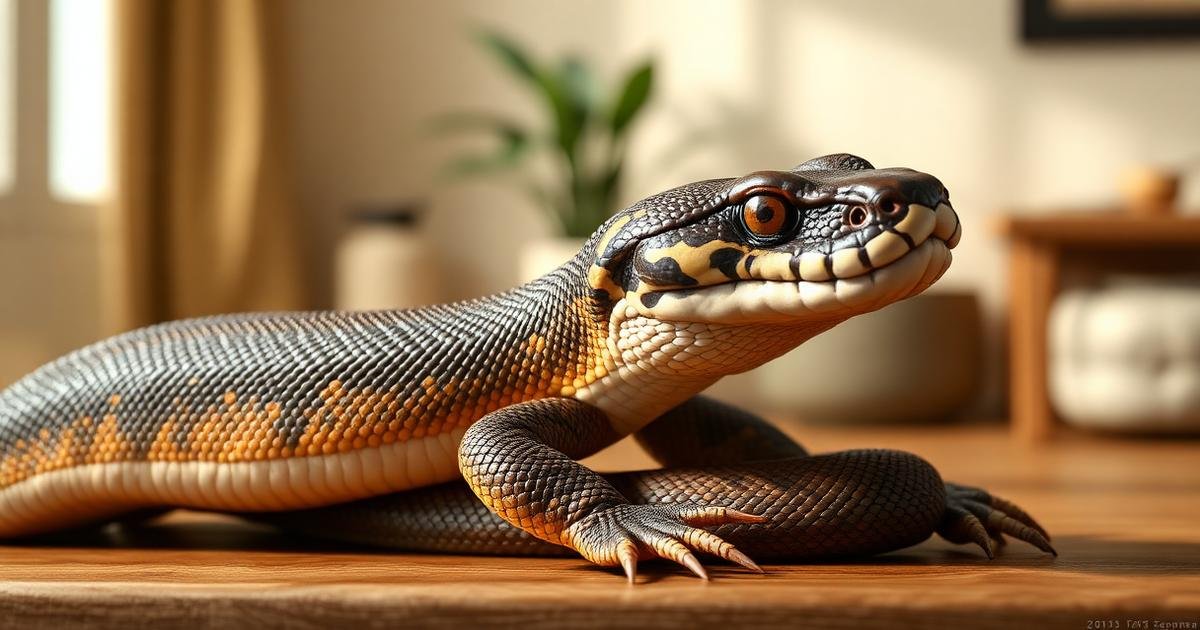
Bringing a snake into your home is a big decision. This pet snake guide covers everything you need to know to give your scaly friend a healthy, thriving life—from choosing the right species to setting up a proper enclosure. The key is preparation: research your species, set up the habitat before you bring the snake home, and commit to a consistent care routine. With the right knowledge, snake keeping becomes a deeply rewarding experience that connects you to an ancient, fascinating lineage of reptiles.
Pet snake guide: Start with a beginner-friendly species like a corn snake or ball python. Set up a secure 20-40 gallon terrarium with a temperature gradient (75-85°F cool side, 85-90°F warm side), a proper humidity level (40-60% for most species), and a hide box. Feed pre-killed frozen rodents every 7-14 days, and h
Quick Answer: How do I care for a pet snake for the first time?
Start with a beginner friendly species like a corn snake or ball python. Set up a secure 20-40 gallon terrarium with a temperature gradient (75-85°F cool side, 85-90°F warm side), a proper humidity level (40-60% for most species), and a hide box. Feed pre killed frozen rodents every 7-14 days, and handle your snake 2-3 times per week for 10-15 minutes to build trust.
For a complete guide on this topic, see the Reptile Care Guide.
This pet snake guide decision works best when the owner compares daily fit, tolerance, and practical consistency together.
Which snake species is best for a beginner?
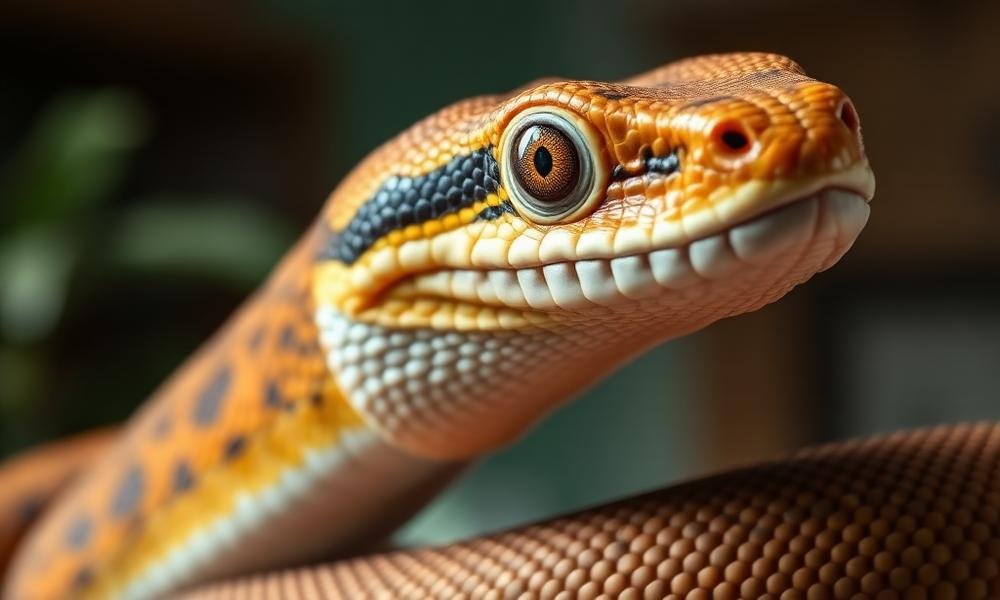
Not all snakes make good first pets. Corn snakes, ball pythons, and king snakes are widely recommended by herpetologists for their docile temperaments and forgiving care requirements. These species rarely exceed 5 feet in length and adapt well to captive life. They also have straightforward feeding responses, which reduces stress for new owners.
For many homes, the right pet snake guide choice is the one that stays reliable under ordinary daily conditions.
Corn snakes are especially forgiving of temperature and humidity fluctuations. Ball pythons are slightly more demanding with humidity (need 50-60%) but are famously gentle. Avoid species like green tree pythons or reticulated pythons until you have 2-3 years of experience. Those species require precise environmental control and can be defensive when stressed.
A well matched pet snake guide option should support the pet clearly without making the routine harder to maintain.
According to the AVMA pet owner resources, the most common reasons for snake surrender are underestimating adult size and lifespan. Ball pythons can live 20-30 years, so this is a long term commitment. A corn snake's 15-20 year lifespan is still substantial—plan your living situation and budget accordingly.
Pro Tip: Visit a local reptile rescue or reputable breeder before buying. Handle the snake yourself for 5-10 minutes. A calm, curious snake that doesn't musk (release a foul smell) or strike is a good first pet. Avoid snakes that are hissing or balling up tightly—those are stress signals.
What does a proper snake enclosure look like?
A secure enclosure is non-negotiable. Snakes are escape artists. A 20-gallon tank works for juvenile corn snakes, but adults need 40 gallons minimum. Screen lids with clips are essential—snakes can push up lightweight lids with surprising force. Check all gaps around the lid and any cable openings.
Substrate matters. Aspen shavings work well for corn snakes and king snakes. Cypress mulch or coconut husk holds humidity better for ball pythons. Never use cedar or pine—the oils are toxic to snakes. Provide at least 2 inches of substrate for burrowing. Deeper substrate also helps maintain humidity levels more consistently.
You need two hide boxes: one on the warm side and one on the cool side. Snakes feel secure when they can thermoregulate without being exposed. A water dish large enough for soaking (but shallow enough to prevent drowning) should always be available. Place the dish on the cool side to avoid raising humidity near the heat source.
Temperature and lighting setup
Snakes are ectothermic—they rely on external heat to regulate their body temperature. Use an under tank heater on one side, controlled by a thermostat. The warm side should be 85-90°F, the cool side 75-80°F. Nighttime drops to 70°F are fine. Never use heat rocks—they cause severe thermal burns because snakes can't sense localized heat well.
UVB lighting isn't strictly necessary for nocturnal species like ball pythons, but low level UVB (2-5%) can improve immune function and vitamin D synthesis. A 12-hour light cycle helps maintain natural rhythms. Always use a thermostat—unregulated heat mats can cause severe burns. Digital thermometers with probes are far more accurate than stick on dials.
Pro Tip: Buy a temperature gun ($15-20) to check surface temperatures. Stick on thermometers are often inaccurate by 5-10°F. Check the warm hide directly—if it's over 92°F, your snake could overheat. Also check the cool hide—if it's below 72°F, your snake may stop eating.
How do I set up the perfect humidity gradient?
Humidity is often overlooked by new keepers, but it's critical for proper shedding and respiratory health. For corn snakes, aim for 40-50%. For ball pythons, 50-60% is ideal, with a slight increase to 60-70% during shedding. Too much humidity causes scale rot; too little causes stuck sheds and dehydration.
Measure humidity with a digital hygrometer placed at the cool end of the enclosure. If humidity is too low, try these fixes: use a larger water dish, mist the enclosure lightly each morning, or switch to a humidity retaining substrate like coconut husk. If humidity is too high, increase ventilation by adding more screen top area or using a small fan nearby.
During shedding, your snake's eyes will turn blue or cloudy. At this stage, raise humidity by 10-15% for 3-5 days. Provide a humid hide—a plastic container with damp sphagnum moss and a small entrance hole. This gives your snake a microclimate to help the shed come off in one clean piece.
Pro Tip: If your snake has a stuck shed, don't peel it off yourself. Soak the snake in shallow, lukewarm water (80-85°F) for 15-20 minutes, then let it crawl through a damp towel. The shed should come off naturally within 24 hours.
Ready to set up your first snake enclosure? We've curated the essential gear for beginners.
Browse Reptile Options →
What and how often should I feed my pet snake?
Feed pre killed frozen rodents. Live prey can injure your snake—a rat can bite, scratch, or even kill a snake during feeding. Thaw frozen rodents in warm water (never microwave) until they reach 100-105°F, about the temperature of a live rodent. Always use tongs to offer the prey to prevent accidental bites.
Feeding frequency depends on age and size. Hatchlings eat every 5-7 days. Juveniles (6-18 months) eat every 7-10 days. Adults eat every 10-14 days. The prey item should be roughly 1-1.5 times the width of your snake's thickest body part. A meal that's too large can cause regurgitation or digestive issues.
Ball pythons are notorious for refusing food, especially during winter or breeding season. If your snake skips 2-3 meals, check temperatures and humidity first. If those are correct, try braining the rodent (making a small incision in the skull to release scent) or offering it at dusk. Some ball pythons go off food for 2-4 months without health issues—this is normal for the species.
Pro Tip: Feed your snake inside its enclosure, not a separate container. Moving a snake after feeding increases regurgitation risk. Use tongs to offer the prey—this prevents accidental bites when your snake strikes. Wait 48 hours after feeding before handling to allow digestion.

How do I handle and bond with my snake?
Wait 7-10 days after bringing your snake home before handling. This gives it time to acclimate. Start with short sessions (5-10 minutes) every other day. Support the snake's body with both hands—never grab or restrain it tightly. Let the snake move through your hands rather than gripping it.
Signs of stress include rapid tongue flicking, hissing, tail rattling, or musking. If your snake shows these, end the session and try again the next day. Over time, most snakes become calm and curious during handling. Some species, like corn snakes, rarely bite. Ball pythons may ball up when nervous—this is a defensive posture, not aggression.
According to the ASPCA behavior resources (while dog-focused, the principles of positive reinforcement apply), rewarding calm behavior works across species. Handle your snake after it has eaten and digested (48 hours post-feeding) when it's most relaxed. Never handle during shedding—your snake will be irritable and its skin is sensitive.
What are the most common health problems in pet snakes?
Respiratory infections are the most common issue. Symptoms include open mouth breathing, wheezing, and bubbles around the nostrils. These are usually caused by incorrect humidity or temperature. A vet visit is essential—snakes hide illness until they're very sick. If caught early, antibiotics can resolve the infection within 2-3 weeks.
Mites are another common problem. You'll see tiny black dots moving on your snake's scales, especially around the eyes and under the chin. Mites cause itching, stress, and can transmit disease. Treatment involves thorough cleaning of the enclosure and a reptile safe miticide. Quarantine any new snakes for 30-60 days to prevent mite outbreaks.
Scale rot appears as red, blistered, or peeling scales, usually on the belly. It's caused by prolonged contact with wet substrate. Keep the enclosure dry, spot clean daily, and do a full substrate change monthly. A betadine solution soak (diluted to weak tea color) can help mild cases. Severe scale rot requires veterinary antibiotics.
When to see a veterinarian
Find a reptile experienced vet before you need one. The PetMD condition guides emphasize that snakes can deteriorate quickly. Seek help if your snake hasn't eaten in 4+ weeks, has discharge from its mouth or nose, shows lethargy, or has visible injuries. Weight loss is a serious sign—a snake that looks thin may have parasites or organ issues.
Annual checkups are recommended even for healthy snakes. A fecal exam can detect internal parasites like roundworms or coccidia, which are common even in well-cared for snakes. Blood work can catch early kidney or liver problems. The cost of a reptile vet visit ranges from $75-150, plus medication costs.
| Likely Cause | ||
|---|---|---|
| Not eating | Low temperatures, stress, or breeding season | Check temps; offer brained prey; wait 2 weeks |
| Wheezing/bubbles | Respiratory infection | Increase warmth; see vet within 48 hours |
| Red belly scales | Scale rot from wet substrate | Dry enclosure; betadine soak; vet if severe |
| Small black dots on scales | Full enclosure clean; reptile safe miticide | |
| Lethargy, sunken eyes | Dehydration or illness | Check water; increase humidity; vet visit |
| Stuck shed | Low humidity | Increase humidity; provide humid hide; soak snake |
How do I set up a bioactive enclosure for my snake?
A bioactive enclosure uses live plants, beneficial insects, and a drainage layer to create a self cleaning ecosystem. This setup reduces the frequency of full cleanings and provides more natural enrichment for your snake. It's more work to set up initially but easier to maintain long-term.
Start with a drainage layer of 2 inches of clay balls or lava rock, covered with a mesh barrier. Add 3-4 inches of bioactive soil mix (organic topsoil, coconut coir, and play sand). Include springtails and isopods as your cleanup crew—they eat waste and mold. Choose hardy plants like pothos, snake plants, or bromeliads that tolerate low light and high humidity.
Bioactive enclosures work best for species that thrive in higher humidity, like ball pythons or Amazon tree boas. For corn snakes, you'll need a drier setup with succulents and arid adapted isopods. Expect to spend $150-300 more on a bioactive setup compared to a standard enclosure, but you'll save time on cleaning.
Pro Tip: Wait 4-6 weeks after setting up a bioactive enclosure before introducing your snake. This gives the plants time to root and the cleanup crew to establish. Test the humidity and temperature daily during this period to ensure stability.
How do I handle shedding problems?
Shedding problems are one of the most common issues new owners face. A healthy shed comes off in one complete piece, including the eye caps and tail tip. If your snake has retained shed, especially around the eyes or tail, it can lead to serious complications like blindness or constricted blood flow.
For stuck eye caps, never try to peel them off. Increase humidity to 60-70% for 3-5 days and provide a humid hide. If the eye caps don't come off with the next shed, a veterinarian can gently remove them. For stuck tail tips, soak the snake's tail in warm water for 10-15 minutes, then gently roll the shed off with your fingers.
Prevent shedding problems by maintaining proper humidity year-round. During shedding, mist the enclosure twice daily and provide a rough surface like a piece of driftwood or a rough rock for your snake to rub against. A snake that has trouble shedding consistently needs a humidity adjustment in its enclosure.
Pro Tip: Keep a log of your snake's shedding dates. Most snakes shed every 4-8 weeks as juveniles and every 8-12 weeks as adults. If your snake sheds more frequently than every 3 weeks, it may be a sign of mites, rapid growth, or a health problem.
Frequently Asked Questions
How long do pet snakes live?
Lifespan varies by species. Corn snakes live 15-20 years. Ball pythons can reach 20-30 years with proper care. King snakes average 10-15 years. This pet snake guide emphasizes that snakes are a long term commitment—plan for at least 15 years of care. Some larger species like boa constrictors can live 25-35 years.
Do pet snakes recognize their owners?
Snakes don't form emotional bonds like dogs or cats. They learn to associate your scent and presence with safety, not affection. Over time, a well handled snake will become calm and relaxed around you, but this is habituation, not recognition. Your snake won't seek you out for comfort, but it won't fear you either.
What size enclosure does a full grown ball python need?
A 40-gallon breeder tank (36" x 18" x 16") is the minimum for an adult ball python. Larger is always better. The enclosure should be longer than the snake's body length. A 5-foot snake needs at least a 48" x 24" footprint. Front opening enclosures are easier to access and less stressful for the snake.
Can I house two snakes together?
Most snakes are solitary and should be housed alone. Exceptions include garter snakes, which can be kept in same sex groups. Housing two snakes together risks competition for heat, food, and hides, and one snake may stress or injure the other. Even breeding pairs should only be together briefly and under supervision.
How often should I clean my snake's enclosure?
Spot clean daily: remove feces, urates, and shed skin. Do a full substrate change and enclosure disinfection every 4-6 weeks. Use a reptile safe cleaner like chlorhexidine or a 1:10 bleach solution (rinse thoroughly). A clean enclosure prevents respiratory infections and scale rot. Bioactive enclosures need full cleaning only every 6-12 months.
What do I do if my snake bites me?
Stay calm. Most snake bites are defensive, not aggressive. Gently run cool water over the snake's head to encourage it to release. Do not pull—this can damage teeth. Clean the wound with soap and water, apply antibiotic ointment, and bandage. Seek medical attention if the bite is deep or from a large constrictor. Snake bites rarely require stitches but can become infected.
Can I use tap water for my snake's water dish?
Yes, but let it sit for 24 hours to allow chlorine to evaporate, or use a dechlorinator. Some snakes are sensitive to heavy metals in tap water. Bottled spring water is a safe alternative. Change the water daily and scrub the dish weekly to prevent bacterial buildup.
How do I know if my snake is happy?
A healthy, content snake eats regularly, sheds in one piece, explores its enclosure, and shows curiosity during handling. It should have clear eyes, smooth scales, and a relaxed body posture. Signs of stress include hiding constantly, refusing food, and defensive behavior. A snake that's active at night and rests during the day is following its natural rhythm.
For more on this topic, see our guide to lizard-guide/">pet lizard guide.
For more on this topic, see our guide to bearded dragon care guide.
Check out our complete overview of leopard gecko care guide for more information.