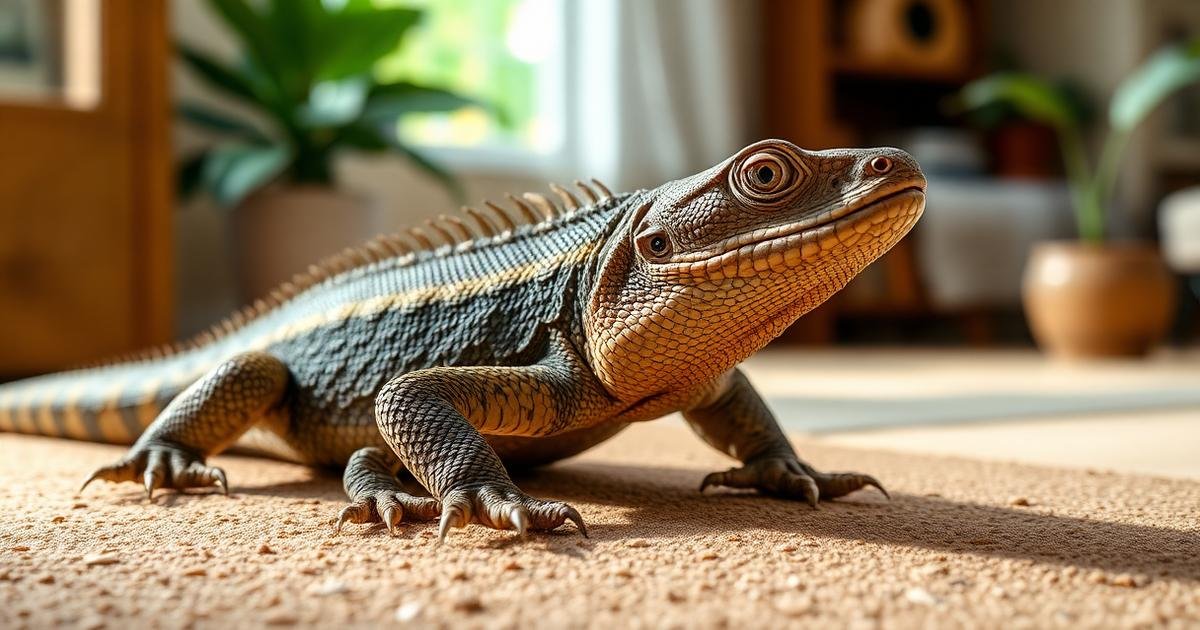
If you're researching the the best option, you want a pet that's hardy, manageable, and forgiving of minor mistakes. The top choices are the leopard gecko, bearded dragon, corn snake, and crested gecko — each requiring specific but straightforward care. This guide breaks down exactly what to look for, what each species needs, and how to set up for success from day one.
Best reptiles for beginners: The best reptiles for beginners are leopard geckos, bearded dragons, corn snakes, and crested geckos. These species are hardy, have simple dietary needs, tolerate handling well, and thrive in standard enclosure setups. Expect to spend 15–30 minutes daily on care and $200–$500 on initial setup.
Quick Answer: What Are the best reptiles for beginners?
The the right choice are leopard geckos, bearded dragons, corn snakes, and crested geckos. These species are hardy, have simple dietary needs, tolerate handling well, and thrive in standard enclosure setups. Expect to spend 15–30 minutes daily on care and $200–$500 on initial setup.
For a complete guide on this topic, see the reptile-care-guide/">Reptile Care Guide.
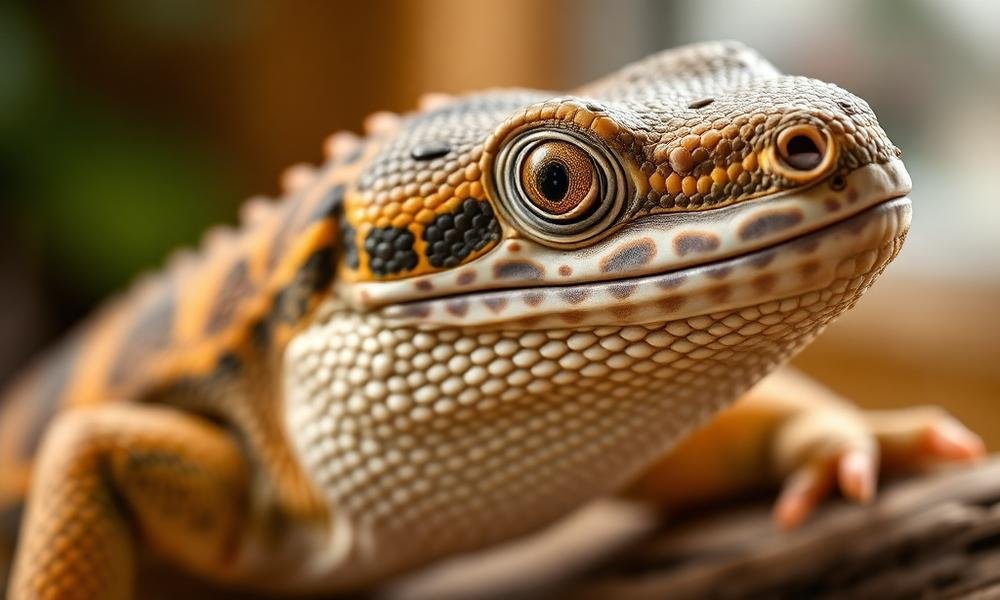
What Makes a Reptile Good for a First Time Owner?
Not every reptile makes a good starter pet. The a strong pick share three key traits: they tolerate handling without extreme stress, they eat readily available food, and they don't require complex environmental controls that can kill them if slightly off.
You should look for species with a docile temperament, low aggression, and predictable behavior. Diurnal species (active during the day) are easier to observe and bond with than nocturnal ones. A reptile that reaches manageable adult size — under 5 feet for snakes and under 24 inches for lizards — is far easier to house.
Hardiness matters most. Beginner reptiles should survive minor temperature or humidity fluctuations without getting sick. According to AVMA reptile ownership guidelines, species that adapt well to captive conditions are ideal for new owners.
Pro Tip: Avoid wild caught reptiles as a beginner. They often carry parasites, refuse food, and never tame down. Always buy captive bred from a reputable breeder or rescue.
Key Buying Criteria to Evaluate
When comparing a reliable option options, evaluate these five factors: enclosure requirements (size, heating, lighting), diet complexity (live prey vs. prepared diets), handling tolerance (frequency and duration), lifespan commitment (some live 20+ years), and veterinary availability (exotic vets aren't everywhere).
Prioritize species with simple heating needs (one heat source, no UVB requirement) and straightforward diets. Bearded dragons need UVB lighting, which adds cost and complexity. Leopard geckos do not require UVB, making them slightly easier for absolute beginners.
Leopard Gecko: The Ultimate Beginner Reptile
Leopard geckos are widely considered the the best option for good reason. They're small (7–10 inches), docile, and don't need UVB lighting. Their diet consists entirely of live insects — crickets and mealworms — fed every other day for adults.
These lizards thrive in a 20-gallon long tank with a heat mat on one side creating a 88–92°F hot spot. They need three hides: one warm, one cool, and one humid for shedding. Handle them for 10–15 minutes daily to keep them tame, but avoid grabbing their tail — they can drop it as a defense mechanism.
Leopard geckos live 15–20 years with proper care. They're nocturnal, so you'll see them active in the evening. Their simple setup and forgiving nature make them the #1 recommendation for first time reptile owners. For more detail, check our Reptile Care Guide.
Pro Tip: Always dust feeder insects with calcium powder (with D3) at every feeding. Without it, leopard geckos develop metabolic bone disease within 3–6 months. It's the most common preventable health issue.
Comparison: Leopard Gecko vs. Bearded Dragon
| Leopard Gecko | Bearded Dragon | |
|---|---|---|
| Adult Size | 7–10 inches | 18–24 inches |
| Tank Size | 20 gallons | 40–75 gallons |
| UVB Required | ||
| Insects only | Insects + vegetables | |
| Gentle, slow | Active, curious | |
| 15–20 years | 10–15 years | |
| Daily Care Time | 15 minutes | 30 minutes |
Bearded Dragon: Interactive and Personable
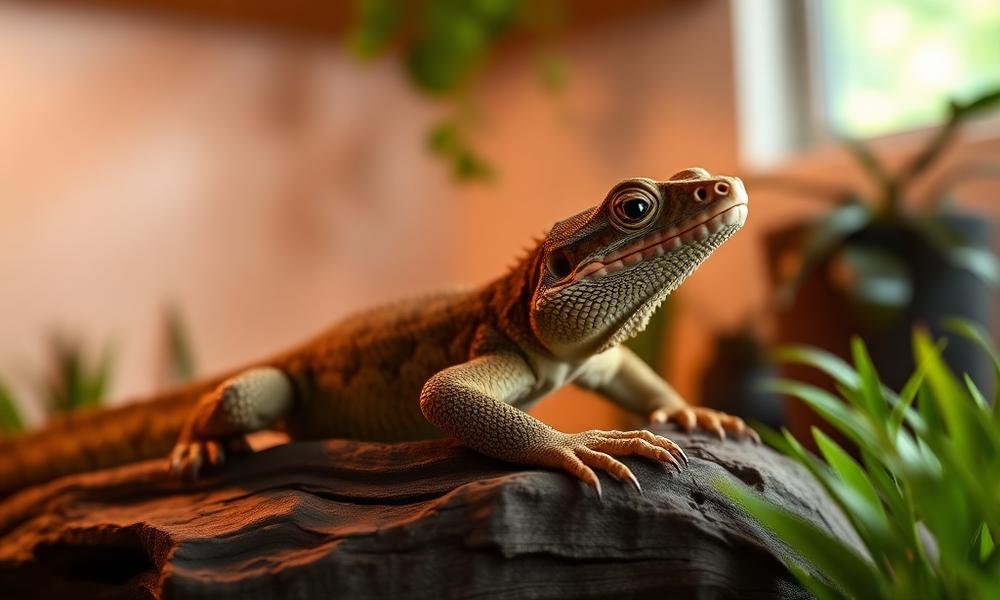
Bearded dragons are the most interactive of the a good choice. They're diurnal, curious, and often enjoy being handled. They recognize their owners and will even wave or bob their heads. This makes them highly rewarding pets for owners who want an engaging reptile.
Their care is more demanding than a leopard gecko's. Bearded dragons need a 40-gallon breeder tank minimum, UVB lighting (a linear tube, not a coil bulb), and a basking spot of 100–110°F. Their diet is research suggests 80% insects and research suggests 20% vegetables as juveniles, shifting to research suggests 80% vegetables as adults. This variety adds complexity.
Bearded dragons require 12–14 hours of UVB light daily to synthesize vitamin D3 and absorb calcium. Without proper UVB, they develop metabolic bone disease rapidly — within 2–4 months. The ASPCA bearded dragon care guide recommends replacing UVB bulbs every 6 months even if they still emit light.
Pro Tip: Bearded dragons are messy eaters. Use reptile carpet or tile as substrate — not loose sand. Sand causes impaction when ingested, especially in juveniles. Spot clean daily and deep clean the enclosure weekly.
Corn Snake: The Best Beginner Snake
For snake lovers, the corn snake is hands down one of the the right choice. They're non-venomous, rarely bite, and grow to only 3–5 feet. Their docile temperament and simple care requirements make them ideal for first time snake owners.
Corn snakes need a 20-gallon long tank with a secure lid — they're escape artists. Provide a temperature gradient of 75–85°F with a heat mat under one side. They eat frozen thawed mice once every 7–10 days as adults. No UVB lighting is required, which simplifies setup considerably.
These snakes live 15–20 years in captivity. They're nocturnal and crepuscular, so you'll see them exploring at dawn and dusk. Handle them 2–3 times weekly for 10–15 minutes to maintain tameness. Avoid handling for 48 hours after feeding to prevent regurgitation. According to PetMD corn snake care guidelines, they're one of the hardiest pet snakes available.
Common Beginner Mistakes With Corn Snakes
| Using heat rocks | Burns, often fatal | Use under tank heat mat with thermostat |
| Loose substrate | Impaction if ingested | Use aspen shavings or paper towels |
| Handling after feeding | Regurgitation, stress | Wait 48 hours minimum |
| Poor humidity | Bad shed, retained eye caps | Provide humid hide during shed cycle |
Crested Gecko: Low Maintenance and Unique
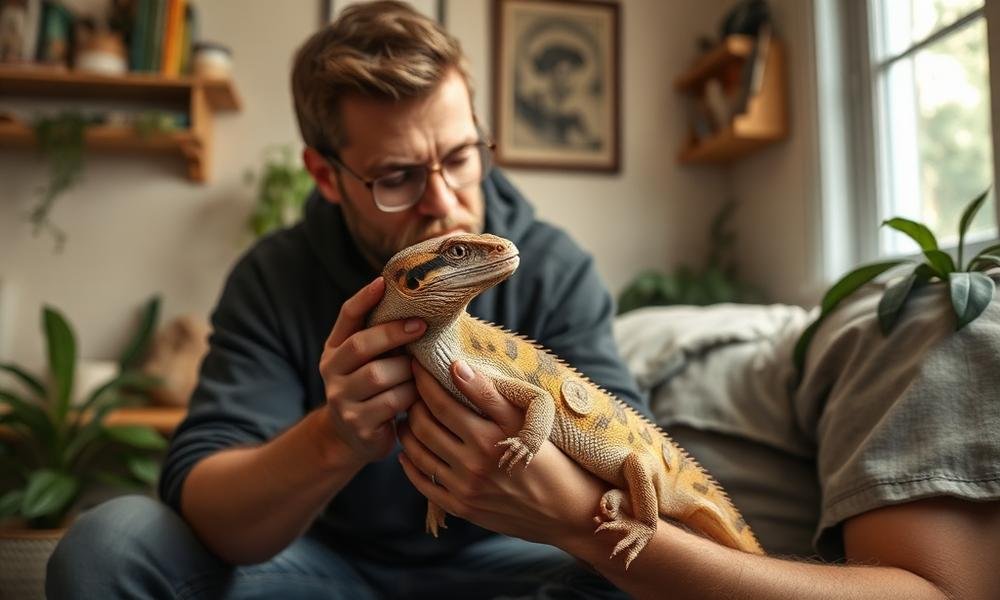
Crested geckos are the most low maintenance of the a strong pick. They eat a powdered diet mixed with water (Repashy or Pangea) — no live insects required. They don't need UVB lighting and thrive at room temperature (72–78°F) without supplemental heat.
These geckos are arboreal, so a tall 20-gallon tank with branches and foliage works best. They need high humidity (60–research suggests 80%), achieved by misting twice daily. Their gentle nature and "eyelash" crests make them visually striking. Handle them gently — they can drop their tail, which doesn't grow back.
Crested geckos live 15–20 years. They're nocturnal, so expect activity after lights out. Their simple diet and minimal heating needs make them ideal for owners who want a beautiful, low hassle pet. They're also excellent for apartment dwellers since they don't need noisy heat lamps running all day.
Pro Tip: Crested geckos are jumpers. Always handle them over a soft surface or your lap. A fall from 4 feet can cause serious injury. Young geckos are especially flighty — start handling sessions at 5 minutes and gradually increase duration.
How to Set Up Your First Reptile Enclosure Correctly
Getting the enclosure right from day one prevents research suggests 90% of common health problems. For any of the a reliable option, start with a tank at least 20 gallons. Glass tanks with screen tops work well for most species — they retain heat and humidity while allowing ventilation.
Place the heat source on one side only. This creates a temperature gradient so your reptile can self-regulate. Use a thermostat on every heat source — it's not optional. Without one, temperatures can spike and burn your pet within minutes. A simple thermostat costs $20–$40 and can save a life.
Choose substrate carefully. Paper towels are the safest option for the first 2–4 weeks while you observe your new pet's health. After that, switch to species appropriate substrate: reptile carpet for bearded dragons, aspen shavings for corn snakes, and coconut fiber for crested geckos. Avoid calcium sand and walnut shells — they cause impaction when ingested.
Add at least two hides: one on the warm side and one on the cool side. A humid hide (a plastic container with damp sphagnum moss) helps with shedding. Decorate with branches, fake plants, and climbing structures — reptiles use enrichment to reduce stress and stay active.
Pro Tip: Set up your entire enclosure and let it run for 2–3 days before bringing your reptile home. This lets you verify temperatures, humidity levels, and that the thermostat is working correctly. Adjustments are easier without an animal inside.
Feeding Schedule and Nutrition for Beginner Reptiles
Each of the the best option has distinct nutritional needs. Getting this right determines whether your pet thrives or develops health problems within months. Below is a quick reference for feeding each species.
| Juvenile Diet | Adult Diet | Feeding Frequency (Adult) | |
|---|---|---|---|
| Leopard Gecko | Small crickets daily | Crickets, mealworms, dubia roaches | Every other day |
| Bearded Dragon | research suggests 80% insects, research suggests 20% greens | research suggests 80% greens, research suggests 20% insects | Daily greens, insects 2–3x/week |
| Corn Snake | Pinkie mice every 5 days | Adult mice every 7–10 days | Every 7–10 days |
| Crested Gecko | Powdered diet daily | Powdered diet every other day | Every other day |
Always provide fresh water in a shallow dish. Change it daily and scrub the bowl weekly to prevent bacterial growth. For insect eating species, gut load feeder insects 24 hours before feeding — feed them nutritious vegetables so your reptile gets the benefit. Dust insects with calcium powder at every feeding and a multivitamin once weekly.
Never feed wild caught insects to your reptile. They may carry pesticides or parasites that can be fatal. Buy from pet stores or reputable online suppliers. If your reptile refuses food for more than 2 weeks, check your temperatures and humidity first — environmental stress is the most common cause of appetite loss.
Health Warning Signs Every Beginner Must Know
Reptiles hide illness until they're critically sick. Knowing what to watch for can save your pet's life. For all a good choice, monitor these five warning signs weekly: weight loss (visible hip bones or a sunken tail), lethargy (sleeping more than usual), abnormal stool (runny, bloody, or undigested food), breathing issues (wheezing, bubbles at the nose), and skin problems (stuck shed, bumps, or discoloration).
Metabolic bone disease is the most common preventable condition in captive reptiles. Signs include a soft jaw, tremors, and difficulty walking. It's caused by insufficient calcium or UVB exposure. Treatment requires veterinary intervention and can take 4–8 weeks. Prevention is simple: provide proper UVB lighting and calcium supplementation.
Respiratory infections happen when temperatures are too low or humidity is too high. Look for open mouth breathing, excess mucus, or wheezing. Raise the enclosure temperature by 5°F and schedule a vet appointment immediately. Untreated respiratory infections can become fatal within 1–2 weeks.
Parasites are common in reptiles, especially those from pet stores. Signs include weight loss despite eating, loose stool, and a bloated appearance. A fecal exam at your vet costs $25–$50 and can identify parasites. Treatment typically involves oral medication given over 2–4 weeks.
Pro Tip: Weigh your reptile weekly on a kitchen scale. A sudden research suggests 10% weight loss is a medical emergency. Keeping a simple log of weight, feeding dates, and shedding helps you spot problems early.
Ready to start your reptile journey? Find the perfect starter setup for your chosen species.
Browse Reptile Options →
Frequently Asked Questions
What is the absolute easiest reptile to care for?
The leopard gecko is the easiest reptile for beginners. It needs no UVB lighting, eats only insects, requires a simple 20-gallon setup, and tolerates handling well. Its 15–20 year lifespan means a long term commitment, but daily care takes just 15 minutes.
How much does it cost to set up a beginner reptile?
Initial setup costs range from $200–$500 depending on species. This includes the tank ($40–$150), heating equipment ($30–$80), substrate ($10–$30), decor ($20–$50), and the animal itself ($30–$100). Monthly costs are $20–$40 for food and electricity.
Which beginner reptile requires the least handling?
Corn snakes require the least handling among beginner reptiles. They tolerate 2–3 sessions weekly, but don't need daily interaction. Leopard geckos and bearded dragons benefit from daily handling to stay tame. Crested geckos fall in the middle.
Can a child care for a beginner reptile?
Children aged 8–12 can help with care under adult supervision. Leopard geckos and crested geckos are best for kids due to their small size and gentle nature. Bearded dragons are too large for young children to handle safely. Always supervise feeding and cleaning.
What is the lifespan of the the right choice?
Most beginner reptiles live 15–20 years with proper care. Leopard geckos average 15–20 years, bearded dragons 10–15 years, corn snakes 15–20 years, and crested geckos 15–20 years. This is a long term commitment comparable to a cat or dog.
Do beginner reptiles need a veterinarian?
Yes. Find an exotic veterinarian before you bring your reptile home. Annual checkups cost $50–$100. Common issues like parasites, respiratory infections, and metabolic bone disease require veterinary treatment. The Association of Reptile and Amphibian Veterinarians maintains a directory of qualified vets.
Can I keep two beginner reptiles together in one tank?
No. Most beginner reptiles are solitary and should be housed alone. Bearded dragons can be aggressive toward each other, and leopard geckos may fight over resources. Cohabitation causes chronic stress, which weakens the immune system and shortens lifespan.
What substrate should I avoid for beginner reptiles?
Avoid calcium sand, walnut shells, pine shavings, and cedar shavings. Calcium sand causes impaction when eaten, and pine or cedar oils are toxic to reptiles. Stick with paper towels, reptile carpet, aspen shavings, or coconut fiber depending on your species.