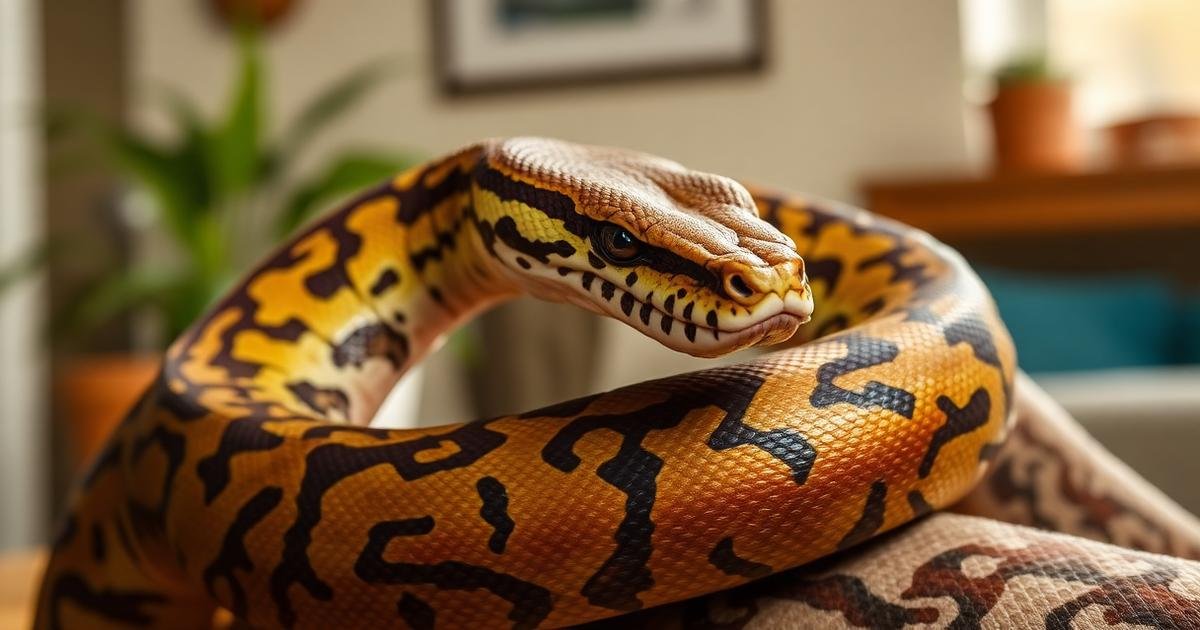
Feeding a ball python correctly is essential for their health and longevity, and the process is simpler than many new owners think. To feed a ball python, you offer a pre killed rodent that is roughly the same width as the snake's thickest body part, typically every 7–14 days for adults. This guide covers the complete process, from prey selection to troubleshooting feeding refusals, so you can keep your snake thriving.
How to feed a ball python: Feed your ball python a pre-killed rodent (mouse or rat) that matches the snake's body width, every 7–14 days for adults and every 5–7 days for juveniles. Thaw frozen prey completely to 100–105°F, offer it with tongs near the snake's hide, and leave it overnight if the snake is shy. Never handle you
This how to feed a ball python decision works best when the owner compares daily fit, tolerance, and practical consistency together.
Quick Answer: How to feed a ball python?
Feed your ball python a pre killed rodent (mouse or rat) that matches the snake's body width, every 7–14 days for adults and every 5–7 days for juveniles. Thaw frozen prey completely to 100–105°F, offer it with tongs near the snake's hide, and leave it overnight if the snake is shy. Never handle-a-bearded-dragon/">handle your snake for 48 hours after feeding.
For many homes, the right how to feed a ball python choice is the one that stays reliable under ordinary daily conditions.
For a complete guide on this topic, see the Reptile Care Guide.
A well matched how to feed a ball python option should support the pet clearly without making the routine harder to maintain.
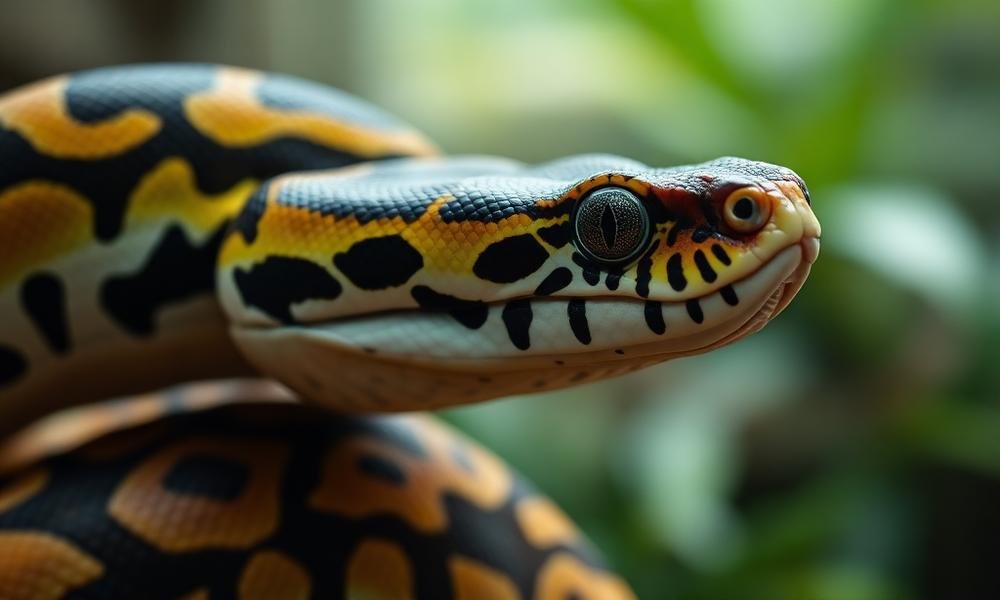
What size prey should you feed a ball python?
The size of the prey is the single most important factor in feeding success. A rodent that is too large can cause regurgitation or injury, while one that is too small won't satisfy your snake's nutritional needs.
Most owners get better long term results when how to feed a ball python is judged through routine use rather than a single product claim.
Veterinarians generally recommend choosing a rodent that is approximately the same width as the widest part of your ball python's body. For hatchlings, this usually means a pinky mouse; for juveniles, a fuzzy or hopper mouse; and for adults, a small to medium rat.
The strongest how to feed a ball python choice usually becomes clearer when comfort, consistency, and practical use are reviewed together.
A good rule of thumb: the prey item should leave a visible but not dramatic lump in the snake's body after swallowing. If the lump is barely visible, the prey is too small. If it looks like the snake swallowed a golf ball, it's too large.
Pro Tip: Weigh your ball python monthly and track prey size. A 100-gram snake should eat a 10-gram mouse, while a 500-gram adult can handle a 25–30 gram rat. This ratio keeps feeding consistent and prevents obesity.
Should you feed live or frozen thawed prey?
Frozen thawed prey is the safest and most humane option for your ball python. Live rodents can bite, scratch, and seriously injure your snake during feeding, causing wounds that may become infected or even fatal.
The American Veterinary Medical Association (AVMA) and most reptile specialists strongly recommend frozen thawed feeding. Ball pythons in captivity adapt well to pre killed prey, and many experienced keepers report that snakes actually prefer the convenience of a perfectly warmed meal.
If your snake refuses frozen thawed prey initially, be patient. Some ball pythons need a transition period of 2–4 weeks. Never leave a live rodent unattended in the enclosure — this is how injuries happen.
For stubborn feeders, try scenting the frozen thawed rodent with bedding from a live rodent enclosure, or brain the prey (make a small slit in the skull) to release scent. Most snakes will switch within 1–3 feedings.
How to properly thaw and warm frozen prey
Thawing frozen rodents correctly is critical for both safety and acceptance. Never use a microwave — this cooks the prey unevenly and can create hot spots that burn your snake's mouth.
The best method is to place the frozen rodent in a sealed plastic bag and submerge it in warm water (100–105°F) for 30–60 minutes, depending on size. Change the water every 15 minutes to maintain temperature. The prey should feel warm to the touch but not hot.
Once thawed, use tongs to offer the rodent to your snake. Heating the prey to 100–105°F mimics the body temperature of live prey and triggers your snake's feeding response. A cold mouse is often ignored entirely.
Pro Tip: Use a digital infrared thermometer to check the surface temperature of the thawed rodent. Aim for 100–105°F. This simple step can turn a reluctant feeder into an enthusiastic one overnight.
What is the best feeding technique for ball pythons?
Feeding technique matters almost as much as prey size. Ball pythons are ambush predators — they prefer to strike from cover rather than chase moving prey.
Always use long tongs to offer the prey. Never use your hands — your fingers look like a rodent to a hungry snake, and a feeding bite hurts. Hold the rodent by the tail or hind leg and dangle it near your snake's hide or favored resting spot.
For shy eaters, try the "zombie walk" — gently wiggle the prey across the enclosure floor as if it were alive. Some snakes need this movement to trigger their feeding response. Others prefer to find the prey already placed near their hide at night.
If your snake doesn't strike within 5–10 minutes, leave the prey in the enclosure near the hide and check again in 30 minutes. If still uneaten, remove it and try again at the next scheduled feeding. Never leave thawed prey in the enclosure for more than 2 hours — bacteria grow quickly.
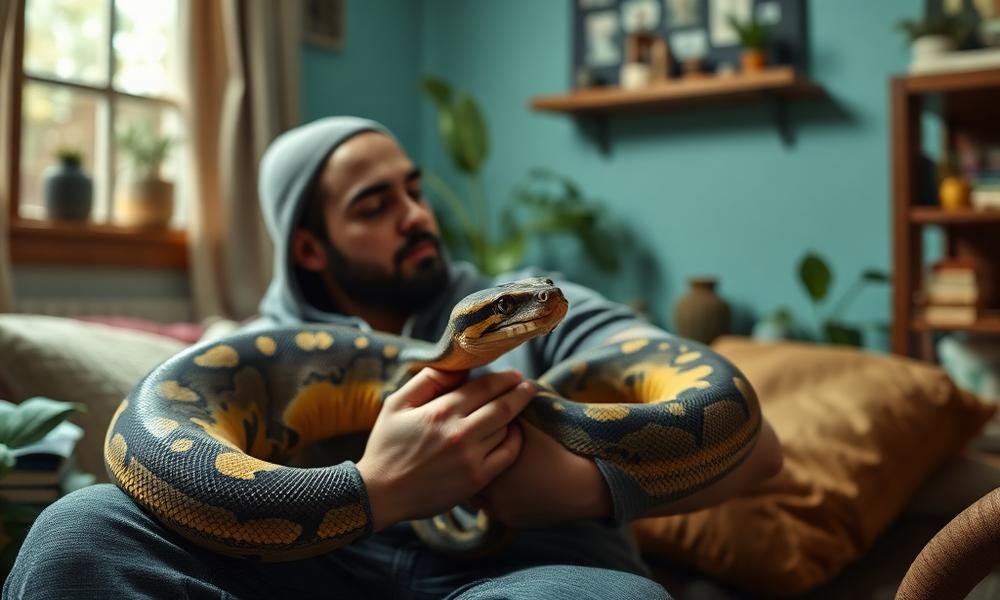
How do you set up the enclosure for successful feeding?
Your ball python's enclosure setup directly impacts whether it eats confidently or refuses meals. A stressed snake won't feed, and the biggest stressor is feeling exposed.
Provide at least two identical hides — one on the warm side (88–92°F) and one on the cool side (78–82°F). The hides should be snug so the snake's body touches all three sides. This security is non negotiable for regular feeding.
Clutter matters too. Add fake plants, cork bark, or leaf litter to break up open space. Ball pythons are shy by nature and need cover to feel safe enough to eat. A bare enclosure with one hide often leads to chronic feeding refusals.
Lighting also plays a role. Ball pythons are nocturnal, so bright lights during feeding can shut down their appetite. Feed in the evening or dim the lights 30 minutes before offering prey. Many keepers report that feeding after the lights go off yields the best strike response.
Pro Tip: Try a "feeding hide" — a dedicated small hide you place the prey inside. Some ball pythons prefer to eat in complete darkness inside a hide rather than striking in the open. Leave the prey inside and check after 2 hours.
Why is your ball python refusing food?
Feeding refusals are common in ball pythons, but they usually have a clear cause. Understanding the reason helps you fix the problem quickly.
The most common causes of feeding refusal include:
— New environments, excessive handling, or inadequate hides can shut down feeding for weeks. - Temperature issues — Ball pythons need a warm side of 88–92°F to digest food. If temperatures are off, they won't eat.
- Breeding season — Males especially may fast for 2–4 months during winter breeding cycles. This is normal.
— Snakes often refuse food 3–7 days before and during a shed cycle. Wait until the shed is complete. - Prey size or type — The rodent may be too large, too small, or the wrong species. Try switching from mice to rats or vice versa.
| Hiding constantly, hissing | Reduce handling, add more hides | |
| Staying on cool side | Check basking spot (88–92°F) | |
| Breeding fast | Active, searching behavior | Offer smaller prey, wait it out |
| Dull eyes, opaque skin | Wait until shed completes | |
| Wrong prey | Sniffs but ignores | Try different size or species |
Pro Tip: If your ball python refuses food for more than 4 weeks, check your husbandry first. A digital thermometer with probe at the warm hide is essential. Most feeding problems trace back to incorrect temperatures.
What is the correct feeding schedule for ball pythons?
Feeding frequency depends entirely on your snake's age and size. Hatchlings and juveniles need more frequent meals to support rapid growth, while adults thrive on a slower schedule.
For hatchlings (under 6 months), feed every 5–7 days. For juveniles (6 months to 2 years), feed every 7–10 days. For adults (over 2 years), feed every 10–14 days. Some larger adults may even go 14–21 days between meals without issue.
Overfeeding is a real problem in captive ball pythons. Obesity shortens lifespan and causes fatty liver disease. A healthy adult ball python should have a rounded but not bulging body shape, with a clear neck definition behind the head.
Monitor your snake's body condition every month. If the spine is visible, increase feeding frequency or prey size. If the body looks like a tube with no neck, reduce frequency. The PetMD condition guides offer excellent visual body condition scoring for snakes.
How do you transition a ball python from live to frozen thawed prey?
Switching a ball python from live to frozen thawed prey can be challenging, but it's worth the effort for safety. Each year, countless snakes are injured by live rodents during feeding.
Start by offering freshly killed prey (just euthanized) rather than frozen. The scent and warmth are identical to live prey, but there's zero risk to your snake. Offer it using tongs with the zombie walk motion for 2–3 feedings.
Next, move to frozen thawed prey that has been warmed to 100–105°F. If your snake hesitates, try scenting the thawed rodent with used bedding from a live rodent enclosure. You can also rub the thawed prey against a live mouse or rat to transfer scent.
For extremely stubborn snakes, try the "braining" technique. Make a small slit in the thawed rodent's skull with a clean knife. The released scent is incredibly attractive to ball pythons. Most snakes will accept a brained frozen thawed rodent within 1–2 attempts.
Be consistent and patient. Never offer live prey once you've started the transition — this teaches your snake to wait for live food. Stick with frozen thawed for every feeding, even if it takes 4–6 weeks for acceptance.
What should you do after your ball python eats?
Post feeding care is just as important as the feeding itself. Your snake needs undisturbed time to digest, and handling too soon can cause regurgitation.
Wait a full 48 hours before handling your ball python after a meal. During this time, keep the enclosure temperatures stable — the warm side should stay at 88–92°F to support digestion. A temperature drop during digestion is the number one cause of regurgitation.
Make sure fresh water is always available. Ball pythons often drink more after eating to aid digestion. Check the water bowl daily and clean it weekly.
Observe your snake from a distance for the first 24 hours after feeding. You should see a visible lump that gradually moves down the body over 2–4 days. If the lump doesn't move or your snake appears lethargic for more than 3 days, consult a reptile veterinarian.
Ensure your ball python has the right setup for healthy feeding
Browse Reptile Options →
For broader reference and guidance, akc.org provides useful context on pet health and care decisions.
For broader reference and guidance, petmd.com provides useful context on pet health and care decisions.
Frequently Asked Questions
How often should I feed a baby ball python?
Feed a baby ball python (under 6 months old) every 5–7 days. Use a pinky or fuzzy mouse that matches the width of the snake's body. Baby snakes grow quickly and need consistent nutrition, but avoid overfeeding — a small lump after eating is normal.
Can I feed my ball python a rat that is too big?
No. Feeding a rat that is too large can cause regurgitation, internal injury, or even death. The prey should never be wider than the snake's widest body point. If in doubt, go smaller — your snake can eat again sooner, but a large meal can cause serious harm.
Why does my ball python strike but not constrict?
This usually means the prey is too cold or the snake is not fully hungry. Pre killed prey doesn't trigger the same constriction response as live prey. If your snake strikes and then ignores the rodent, warm the prey to 100–105°F and try again at the next feeding.
How long can a ball python go without eating?
Healthy adult ball pythons can go 2–4 months without eating during breeding season or winter fasts. Juveniles should not go longer than 4–6 weeks. If your snake refuses food for more than 8 weeks, check husbandry and consult a reptile veterinarian.
Should I feed my ball python in a separate enclosure?
No. Feeding in the main enclosure is less stressful for the snake and reduces regurgitation risk. The myth that feeding in the enclosure causes aggression is false — ball pythons don't associate your hand with food. Always use tongs for safety.
What do I do if my ball python regurgitates its meal?
Stop feeding immediately. Regurgitation is stressful and damages the esophagus. Wait 10–14 days before offering a smaller prey item. Check your enclosure temperatures — the warm side must be 88–92°F for proper digestion. If regurgitation happens twice, see a vet.
Can I feed my ball python multiple prey items in one feeding?
Yes, but only if the combined size doesn't exceed the snake's body width. For example, two small mice that together match the snake's width are fine. However, feeding one appropriately sized rat is simpler and less stressful for the snake.
Why does my ball python only eat at night?
Ball pythons are nocturnal by nature, so night feeding is completely normal. Offer prey in the evening when the lights are dim or off. Many ball pythons refuse to eat during the day because they feel exposed and vulnerable.