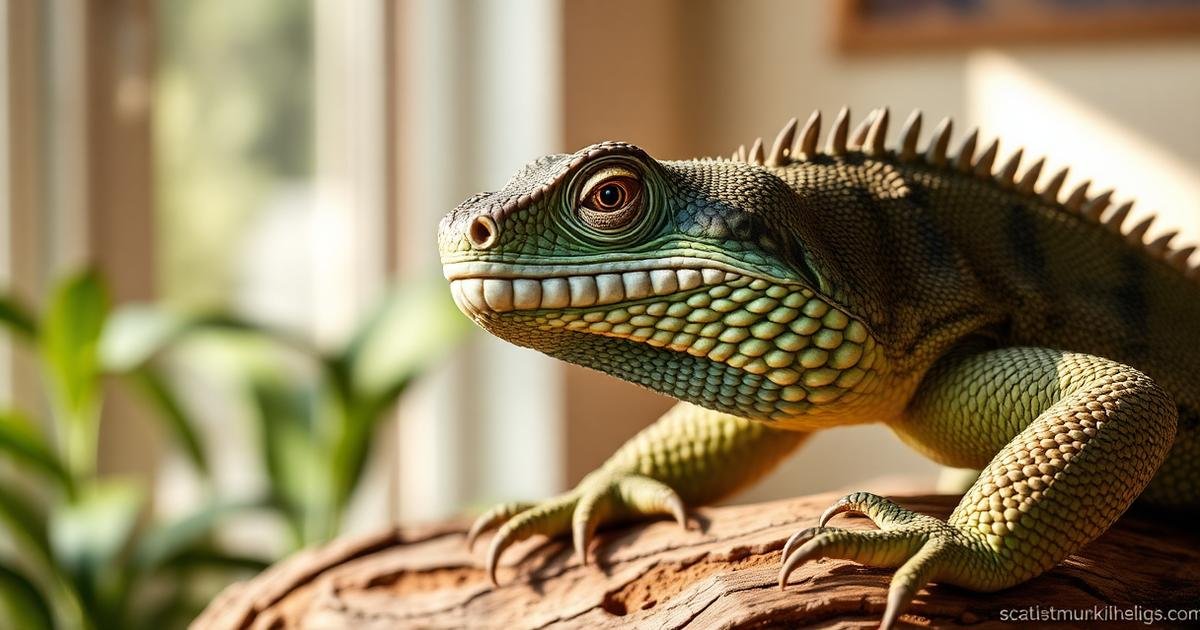
If you have been asking yourself what reptile is best for a complete beginner, the direct answer is the leopard gecko. These hardy, docile lizards require minimal specialized equipment, eat a simple insect diet, and tolerate handling better than almost any other reptile. For a first time owner, the leopard gecko offers the perfect balance of manageable care requirements and rewarding interaction.
What reptile is best for a complete beginner: The best reptile for a complete beginner is the leopard gecko. They are small (7–10 inches), live 15–20 years, require a simple 20-gallon tank, eat only live insects, and do not need UVB lighting. Their calm temperament and forgiving nature make them ideal for first-time owners.
Quick Answer: What reptile is best for a complete beginner?
The best reptile for a complete beginner is the leopard gecko. They are small (7–10 inches), live 15–20 years, require a simple 20-gallon tank, eat only live insects, and do not need UVB lighting. Their calm temperament and forgiving nature make them ideal for first time owners.
For a complete guide on this topic, see the Reptile Care Guide.
This what reptile is best for a complete beginner decision works best when the owner compares daily fit, tolerance, and practical consistency together.
Why the leopard gecko is the top beginner reptile
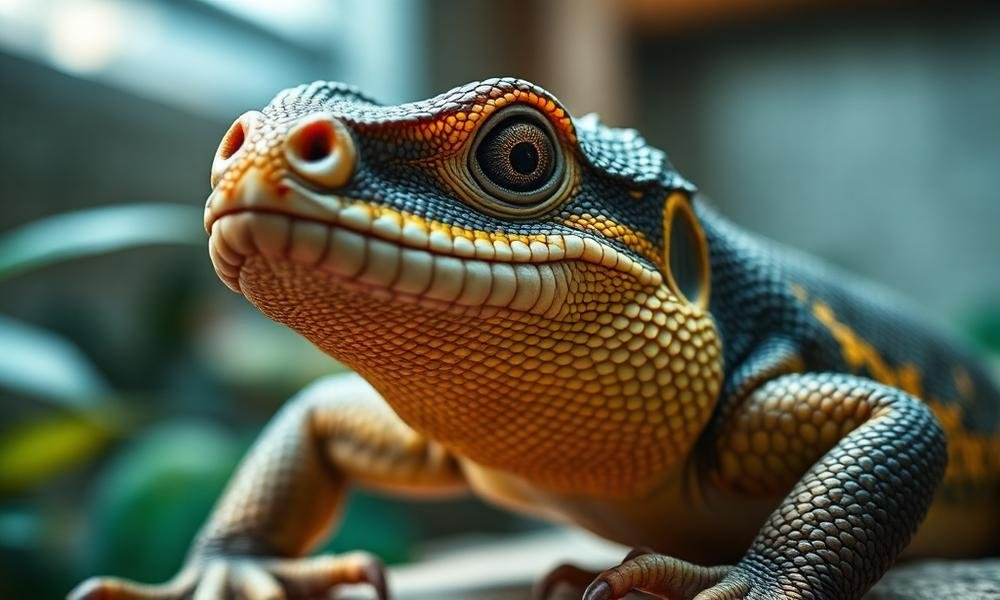
Leopard geckos are native to the arid grasslands of Afghanistan, Pakistan, and India. In the wild, they live in rocky crevices and hunt insects at dusk. This natural history explains why they thrive in simple setups — they do not need high humidity, complex lighting, or large enclosures.
Veterinarians generally recommend leopard geckos for beginners because they rarely bite, do not require daily handling to stay tame, and can tolerate minor temperature fluctuations. According to the AVMA pet owner resources, leopard geckos are among the most commonly recommended starter reptiles due to their predictable health patterns.
Their care requirements are straightforward: a 20-gallon long tank, a heat mat on one side (88–92°F hot spot), and a cool side at 70–75°F. They need a humid hide for shedding, a water dish, and a diet of crickets and mealworms dusted with calcium powder. That is it — no misting systems, no UVB bulbs, no complex humidity monitoring.
Pro Tip: Choose a captive bred leopard gecko from a reputable breeder rather than a pet store. Captive bred geckos are healthier, less stressed, and typically cost $30–$60. Avoid wild caught specimens — they often carry parasites and refuse to eat in captivity.
Leopard geckos also have distinct personalities. Some are bold and curious, climbing on hands immediately. Others are shy and prefer to hide. Within 2–3 weeks of consistent, gentle handling, most will become comfortable with you. This makes them particularly rewarding for children or first time reptile keepers who want an interactive pet.
What about other beginner reptiles?
Bearded dragons are also popular but require significantly more equipment — UVB lighting, larger enclosures (40–75 gallons), and a more varied diet including vegetables. Crested geckos need higher humidity (60–research suggests 80%) and misting twice daily. Corn snakes are excellent but may intimidate people uncomfortable with snakes. The leopard gecko requires the least investment in both money and daily maintenance time — about 15–20 minutes per day for feeding and spot cleaning.
For a deeper comparison of beginner reptiles, the ASPCA behavior resources offer general guidance on reptile temperament, though their focus is primarily on mammals. For reptile specific advice, the PetMD condition guides include detailed species profiles.
What to look for when buying your first reptile
Before you buy any reptile, you need to evaluate three things: your available space, your weekly time budget, and your budget for initial setup. A leopard gecko setup costs $150–$300 for the tank, heat mat, thermostat, hides, and substrate. Monthly costs are about $20–$40 for insects and supplements.
Enclosure size and type
A 20-gallon long tank (30 inches x 12 inches) is the minimum for one adult leopard gecko. Front opening enclosures are better than top opening tanks because they reduce stress during handling. Avoid glass aquariums with screen tops — they lose heat and humidity too quickly. Use a solid PVC or wooden enclosure if your room temperature fluctuates.
Heating and lighting requirements
Leopard geckos need belly heat for digestion. Use an under tank heat mat covering one third of the floor, connected to a thermostat set at 90°F. Do not use heat rocks — they can burn your gecko. A low wattage ceramic heat emitter can supplement ambient temperature if your room drops below 65°F at night.
Pro Tip: Always use a thermostat with any heat source. Without one, heat mats can reach 120°F+ and cause severe burns. A simple on/off thermostat costs $25–$40 and is non negotiable for safe reptile keeping.
Diet and supplementation
Leopard geckos eat only live insects. Crickets and mealworms are staples, with occasional waxworms or hornworms as treats. Gut load your insects for 24 hours before feeding — feed them carrots, sweet potatoes, or commercial gut-load. Dust insects with calcium powder (without D3) at every feeding for juveniles, and 2–3 times per week for adults.
Handling and temperament
Beginner reptiles should tolerate handling without stress. Leopard geckos can be handled for 10–15 minutes daily once they settle in. Start by letting them walk onto your hand inside the enclosure. Never grab or restrain them — this causes tail drops (a defensive response where the tail breaks off). A dropped tail will regenerate but looks different and stresses the gecko.
Ready to start your reptile journey with the right setup?
Browse Reptile Options →
Comparison of the top 5 beginner reptiles
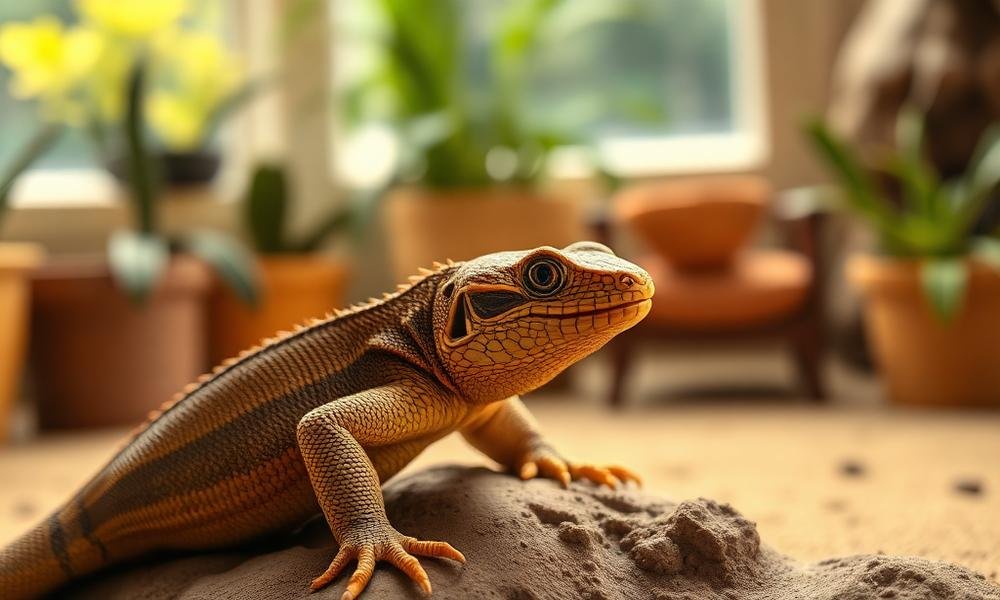
The following table compares the five most commonly recommended beginner reptiles. Use this to match your lifestyle and budget to the right species.
| Species | Lifespan | Tank Size | Daily Care Time | Setup Cost | Handling Tolerance |
|---|---|---|---|---|---|
| Leopard Gecko | 15–20 years | 20 gallons | 15–20 min | $150–$300 | Excellent |
| Bearded Dragon | 8–12 years | 40–75 gallons | 30–45 min | $400–$800 | Very Good |
| Crested Gecko | 15–20 years | 18x18x24 inches | 10–15 min | $200–$400 | Good |
| Corn Snake | 15–20 years | 20–40 gallons | 10–15 min | $200–$350 | Very Good |
| Russian Tortoise | 40–50 years | 4x2 feet | 20–30 min | $300–$600 | Fair |
Notice the leopard gecko hits the sweet spot: moderate lifespan, small enclosure, low daily time commitment, and the lowest setup cost. If you want what reptile is best for a complete beginner with children in the home, the leopard gecko wins again — they are less likely to bite than a bearded dragon and do not require handling of live rodents like a corn snake.
Breed specific considerations
Within leopard geckos, there are dozens of morphs (color and pattern variations). Normal/wild type geckos cost $20–$40. Designer morphs like Tangerine, Mack Snow, or Enigma can cost $100–$500+. For your first gecko, choose a healthy normal or low cost morph — they are just as hardy and you can always add a morph later.
Pro Tip: Avoid buying the cheapest reptile you find. A $15 pet store gecko may be sick, stressed, or wild-caught. Pay $40–$60 for a captive bred juvenile from a breeder who can show you the parents and feeding records. This small upfront investment saves hundreds in vet bills.
Common mistakes beginners make and how to avoid them
Even with an easy reptile like the leopard gecko, beginners make predictable errors. Knowing these upfront will save you frustration and keep your pet healthy.
Mistake 1: Improper temperature gradient
Leopard geckos cannot regulate their body temperature internally. They need a hot side (88–92°F) and a cool side (70–75°F) to move between. Without this gradient, they cannot digest food properly. Use two digital thermometers — one on each side — and verify temperatures before bringing your gecko home.
Mistake 2: Using loose substrate
Sand, wood chips, or coconut fiber can cause impaction (blockage) if ingested. Juvenile geckos especially will lick substrate while hunting. Use paper towels, reptile carpet, or slate tiles for the first 6 months. Switch to a safe loose substrate like excavator clay only after your gecko is consistently eating from a bowl.
Mistake 3: Overfeeding or improper supplements
Adult leopard geckos need 4–6 appropriately sized insects every other day. Juveniles eat daily. Feed insects no larger than the space between your gecko's eyes. Without calcium and vitamin D3 supplements, your gecko will develop metabolic bone disease — a painful, irreversible condition. Dust insects at every feeding for juveniles, 2–3 times weekly for adults.
Pro Tip: Set a feeding schedule on your phone for the first month. It is easy to forget supplements or feed too often. A consistent routine prevents both obesity and nutritional deficiencies. Weigh your gecko monthly — healthy adults should maintain a stable weight of 45–80 grams.
Mistake 4: Handling too soon or too roughly
Do not handle your new leopard gecko for the first 1–2 weeks. Let it explore its enclosure and establish a feeding routine first. When you do start handling, keep sessions under 5 minutes and always support the body. Never grab the tail — it can drop off as a defense mechanism.
According to the AKC behavior guides, the principles of positive reinforcement apply to reptiles too. Reward calm handling with a small treat (a waxworm) and your gecko will associate you with positive experiences.
Setting up your first reptile habitat: step-by-step
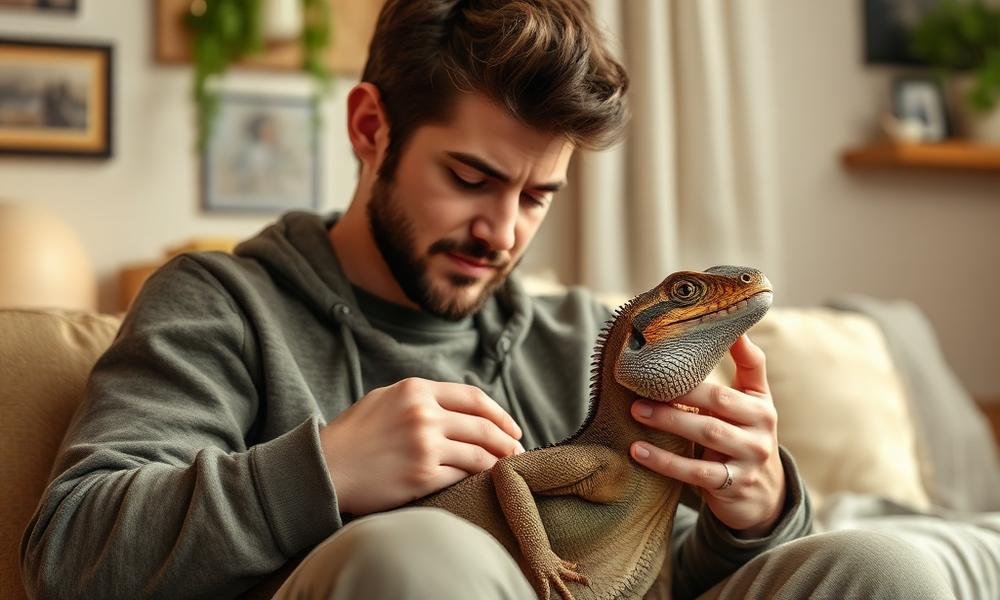
A proper setup prevents research suggests 90% of health problems. Follow this sequence when setting up your leopard gecko enclosure.
Step 1: Choose and prepare the enclosure
Select a 20-gallon long tank with a solid top or front opening doors. Clean with a reptile safe disinfectant (not bleach). Place the tank in a quiet room away from direct sunlight, drafts, and loud appliances. The room temperature should stay between 65–80°F.
Step 2: Install heating and monitoring
Attach the under tank heat mat to one side of the tank bottom. Connect it to a thermostat and set the probe on the glass directly above the mat. Set the thermostat to 90°F. Place digital thermometers on both the hot and cool sides. Wait 24 hours to verify temperatures stabilize.
Step 3: Add substrate, hides, and decor
Use paper towels or reptile carpet for the first few months. Place three hides: one on the hot side, one on the cool side, and one humid hide in the middle. The humid hide should contain moist sphagnum moss or paper towels — this helps with shedding. Add a shallow water dish, a calcium dish (without D3), and some climbing branches or cork bark.
Step 4: Quarantine and observe
Let the enclosure run for 48–72 hours with all equipment on. Verify temperatures and humidity. Introduce your gecko and do not disturb it for at least 7 days. Offer food on day 3 — if it does not eat, wait another 2 days. Stress is normal for the first week.
If you are still wondering what reptile is best for a complete beginner after reading this, revisit the comparison table above. The leopard gecko remains the most forgiving, affordable, and enjoyable entry point into reptile keeping. Within 2–3 weeks, you will have a routine that takes 15 minutes daily and a pet that lives 15–20 years.
Frequently Asked Questions
What is the easiest reptile to take care of for a beginner?
The leopard gecko is the easiest reptile for beginners. It requires no UVB lighting, no high humidity, and only a 20-gallon tank. Its diet is simple — live insects dusted with calcium — and it tolerates handling better than most reptiles. Daily care takes 15–20 minutes.
Is a bearded dragon or leopard gecko better for a first time owner?
For a first time owner, the leopard gecko is better. Bearded dragons need UVB lighting, larger enclosures (40+ gallons), and a more varied diet including vegetables. Leopard geckos have simpler requirements, lower setup costs ($150–$300 vs $400–$800), and are less likely to bite.
What reptile lives the longest and is easy for beginners?
The leopard gecko lives 15–20 years, which is a long commitment for a beginner reptile. Russian tortoises live 40–50 years but require much larger enclosures and outdoor space. If you want a long lived beginner reptile, the leopard gecko offers the best balance of lifespan and manageable care.
Can a beginner handle a leopard gecko every day?
Yes, but only after the first 1–2 weeks of settling in. Start with 5-minute sessions and gradually increase to 10–15 minutes daily. Always support the gecko's body and never grab the tail. Daily handling helps your leopard gecko become tame and comfortable with you.
What reptiles do not need live food for beginners?
No commonly recommended beginner reptile can thrive on a completely non live diet. Crested geckos come closest — they eat a powdered fruit and insect mix (repashy or pangea) as their staple diet, with occasional live insects. However, most experts recommend offering live insects at least once a week for optimal health.
How much does it cost to set up a beginner reptile tank?
For a leopard gecko, the initial setup costs $150–$300. This includes a 20-gallon tank ($40–$60), heat mat ($15–$25), thermostat ($25–$40), hides ($20–$40), substrate ($10–$15), and water dish ($5–$10). Monthly costs are $20–$40 for insects and supplements.