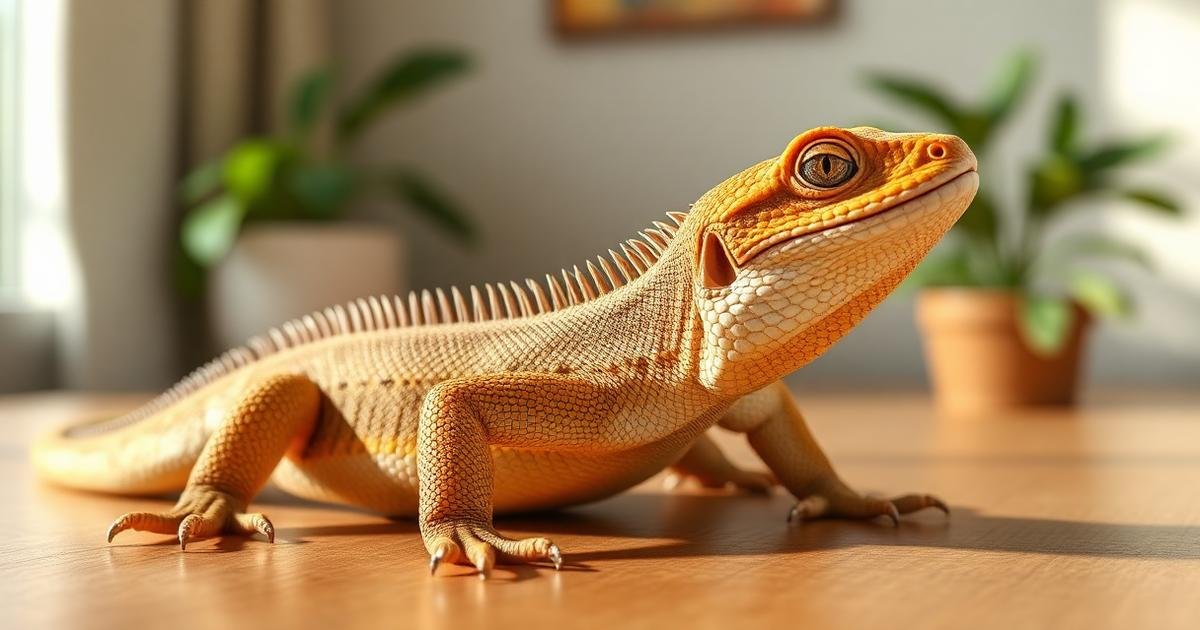
If you're looking for the best beginner reptile-enclosure/">reptile-is-best-for-a-complete-beginner/">reptile for a child 10 years old, the leopard gecko is the top recommendation. These hardy, docile lizards require minimal daily care, live 10–20 years with proper husbandry, and rarely bite. Unlike many reptiles, leopard geckos thrive on a simple diet of live insects and a small, warm enclosure, making them ideal for teaching responsibility without overwhelming a fifth-grader.
Best beginner reptile for a child 10 years old: The best beginner reptile for a child 10 years old is the leopard gecko. It is calm, easy to handle, requires a small 20-gallon tank, eats live insects (crickets or mealworms), and needs minimal daily upkeep. Unlike bearded dragons or snakes, leopard geckos are low-maintenance, rarely get sick when
Quick Answer: What is the best beginner reptile for a child 10 years old?
The best beginner reptile for a child 10 years old is the leopard gecko. It is calm, easy to handle, requires a small 20-gallon tank, eats live insects (crickets or mealworms), and needs minimal daily upkeep. Unlike bearded dragons or snakes, leopard geckos are low-maintenance, rarely get sick when cared for properly, and are forgiving of minor care mistakes.
For a complete guide on this topic, see the Reptile Care Guide.
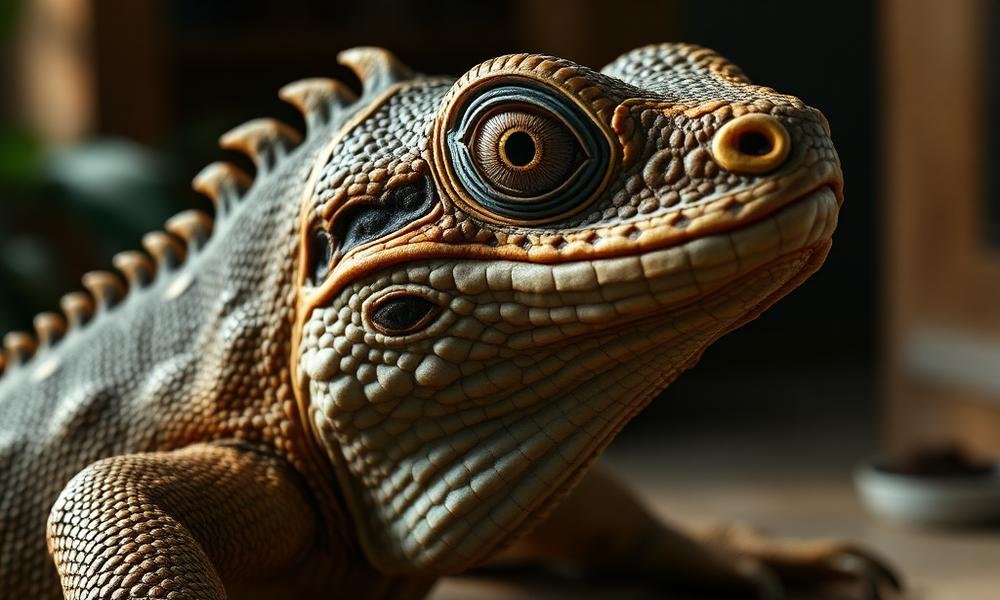
Why Leopard Geckos Are the Best Beginner Reptile for a Child 10 Years Old
Leopard geckos (Eublepharis macularius) are native to arid regions of Afghanistan, Pakistan, and India. They are nocturnal, ground dwelling lizards that grow to 7–10 inches long. Their calm temperament and simple care requirements make them the #1 choice for children.
These geckos are not skittish. They tolerate gentle handling for 10–15 minutes a day, which is perfect for a child's attention span. They rarely bite, and when they do, it feels like a pinch rather than a painful wound. According to the ASPCA pet care resources, reptiles like leopard geckos are excellent for teaching children consistency and observation skills.
Pro Tip: Teach your child to always wash hands before and after handling the gecko. This prevents the spread of salmonella (common in all reptiles) and builds good hygiene habits from day one.
Leopard geckos also have a long lifespan — 10–20 years in captivity. This means your child will have a companion through middle school and into high school. It's a commitment, but a manageable one for a responsible 10-year old with parental oversight.
What to Look for When Choosing the Best Beginner Reptile for a Child 10 Years Old
Not all reptiles are created equal for a 10-year-old. Before buying, evaluate these five criteria to ensure the animal fits your child's lifestyle and your family's capacity.
1. Temperament and Handleability
The reptile must tolerate gentle handling without stress. Leopard geckos, crested geckos, and bearded dragons are calm. Avoid chameleons, iguanas, and many snake species — they are easily stressed and may bite or drop their tails.
Children should be able to hold the reptile for 5–10 minutes without it trying to escape. If the animal is constantly hiding or thrashing, it's not a good fit.
2. Enclosure Size and Setup Difficulty
A 20-gallon tank is the minimum for a single leopard gecko. That's about 30 inches long and 12 inches wide — small enough for a child's bedroom but large enough to create a proper habitat. Compare this to a bearded dragon, which needs a 75-gallon tank as an adult.
Setup should take 1–2 hours and cost under $200 for the tank, heat mat, thermostat, hides, and substrate. Complex setups with UVB lighting (like for bearded dragons) add cost and maintenance.
3. Diet and Feeding Schedule
Leopard geckos eat live insects — crickets, mealworms, or dubia roaches. Feeding is every 2–3 days for adults, daily for juveniles. This is manageable for a 10-year old with adult help for cricket purchases.
Avoid reptiles that require frozen thawed rodents (like snakes) — many children find this unsettling. Also avoid herbivores that need fresh vegetables daily (like iguanas), as they require more prep.
4. Lifespan and Commitment Level
Leopard geckos live 10–20 years. Bearded dragons live 8–12 years. Corn snakes live 15–20 years. A 10-year old will be 20–30 years old when the reptile passes. Make sure your family is ready for this long term commitment.
Pro Tip: Create a "reptile care contract" with your child. Write down daily, weekly, and monthly tasks. Check off each task together for the first month. This builds accountability and prevents neglect.
5. Veterinary Access and Cost
Reptiles need specialized exotic veterinarians. Annual checkups cost $50–$150. Emergency visits for respiratory infections or parasites can exceed $300. Ensure there is an exotic vet within 30 miles of your home before buying.
Ready to find the perfect reptile for your child? We've curated the best beginner friendly reptiles and all the supplies you need.
Browse Reptile Options →
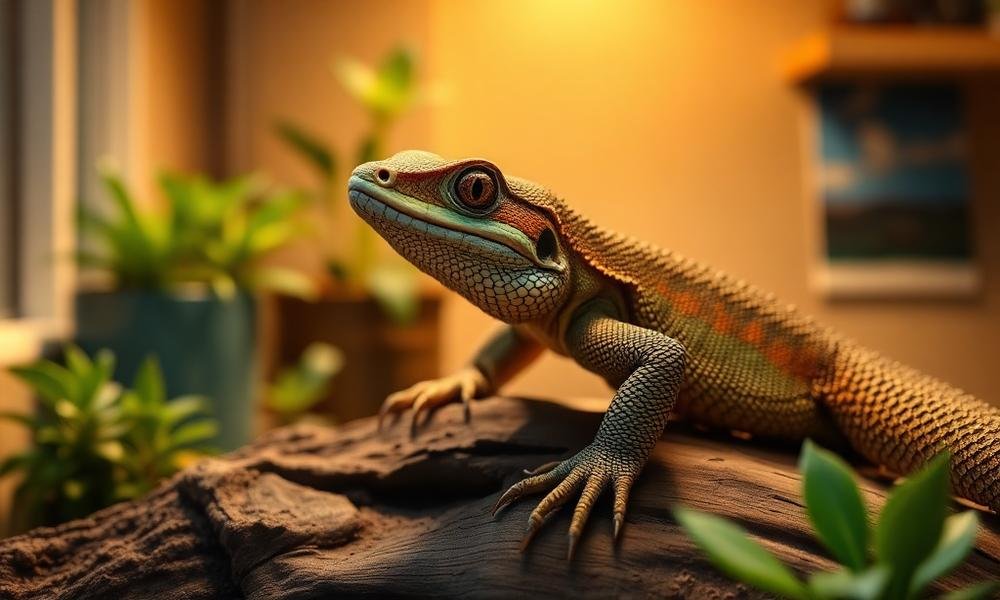
Top 5 Best Beginner Reptiles for a Child 10 Years Old: Comparison Table
Here is a direct comparison of the five most suitable reptiles for a 10-year-old. Each is evaluated on temperament, size, diet, lifespan, and care difficulty.
| Reptile | Adult Size | Diet | Lifespan | Care Difficulty | Best For |
|---|---|---|---|---|---|
| Leopard Gecko | 7–10 inches | Live insects (crickets, mealworms) | 10–20 years | Easy | First time reptile owners, calm children |
| Crested Gecko | 7–9 inches | Powdered diet + occasional insects | 15–20 years | Easy | Children who want a no-live insect option |
| Bearded Dragon | 18–24 inches | Insects + vegetables | 8–12 years | Moderate | Children who want a more interactive pet |
| Corn Snake | 3–5 feet | Frozen thawed mice | 15–20 years | Easy | Older children comfortable with rodents |
| Blue Tongued Skink | 15–20 inches | Insects + vegetables + dog food | 15–20 years | Moderate | Children who want a larger, docile lizard |
According to the AKC training resources, consistency in care routines is critical for any pet. The same applies to reptiles — pick one where the daily tasks match your child's schedule and your family's comfort level.
How to Set Up a Leopard Gecko Enclosure for a 10-Year-Old
Setting up the enclosure is a fun project you can do together. It takes about 1–2 hours and costs $150–$250 for everything. Here's exactly what you need.
Essential Equipment Checklist
- 20-gallon long tank (30x12x12 inches) — larger is always better
- Under tank heat mat — 10–20 watts, placed on one side only
— thermostat controls the heat mat to prevent burns; set to 88–92°F - Digital thermometer — one on the warm side, one on the cool side
- 3 hides — warm hide, cool hide, and moist hide (for shedding)
- Water dish — shallow, heavy ceramic to prevent tipping
- Calcium powder with D3 — dust on insects at every feeding
— paper towels for juveniles, tile or reptile carpet for adults
Pro Tip: Never use loose sand or calcium sand for leopard geckos. They can ingest it while hunting and develop life threatening impaction. Stick to solid substrates like tile, paper towels, or reptile carpet.
Temperature and Lighting
Leopard geckos need a temperature gradient. The warm side should be 88–92°F, the cool side 70–75°F. Use an under tank heat mat connected to a thermostat. No UVB lighting is required for leopard geckos (they get vitamin D from supplements), but a low wattage LED light on a 12-hour timer helps establish a day/night cycle.
Check temperatures daily with a digital thermometer. If the warm side drops below 85°F, the gecko cannot digest food properly.
Feeding Schedule for Your Child
Create a simple feeding chart. For a juvenile leopard gecko (under 6 months), feed 5–7 small crickets daily. For an adult (over 6 months), feed 5–7 large crickets every 2–3 days. Always dust insects with calcium powder at every feeding, and with a multivitamin once a week.
Your child can handle feeding with supervision. Show them how to use tongs to offer insects — this prevents accidental bites and keeps the gecko from associating fingers with food.
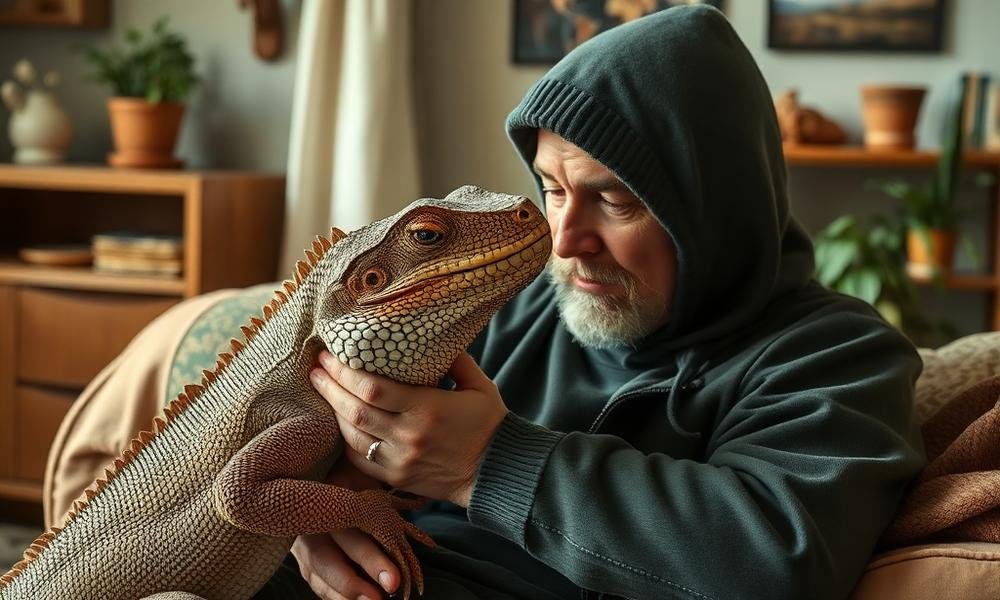
What Reptiles to Avoid for a 10-Year Old Child
Not all reptiles are suitable for a 10-year-old. Some are too delicate, too aggressive, or require specialized care that exceeds a child's ability. Here are the ones to skip.
Chameleons
Chameleons are visually stunning but extremely fragile. They stress easily, require precise humidity and UVB lighting, and are prone to respiratory infections. They do not tolerate handling. According to PetMD condition guides, chameleons are among the most challenging reptiles to keep healthy. Avoid them for children under 16.
Iguanas
Green iguanas grow 5–6 feet long and need massive enclosures (6 feet tall). They require daily fresh vegetables, UVB lighting, and high humidity. They can also become aggressive during breeding season, whipping their tails and biting. They are not beginner pets.
Large Snakes (Ball Pythons, Boas)
While ball pythons are docile, they grow 3–5 feet long and require frozen thawed rodents. Many 10-year olds find feeding mice unsettling. Large snakes also need secure enclosures and can be intimidating. Corn snakes are a better snake option for older children.
Tokay Geckos
Tokay geckos are beautiful but aggressive. They have a strong bite and a loud, startling bark. They do not tolerate handling and are best left for experienced keepers. Never buy a tokay gecko for a child.
How to Teach Your 10-Year Old to Handle a Leopard Gecko Safely
Proper handling technique prevents stress for the gecko and injury to your child. Start with short sessions — 5 minutes max for the first week.
Have your child sit on the floor with the gecko in their lap. This prevents a fall from height if the gecko suddenly moves. Teach them to scoop the gecko from underneath, never grab the tail — leopard geckos can drop their tails as a defense mechanism.
Watch for stress signals: if the gecko is breathing rapidly, waving its tail slowly, or trying to escape, end the session immediately. According to the ASPCA pet care resources, respecting the animal's boundaries builds trust over time.
Pro Tip: Let the gecko walk from one hand to the other. This "hand-over-hand" method keeps the gecko moving slowly and prevents it from feeling trapped. Do this for 5–10 minutes daily, and within 2–3 weeks the gecko will be comfortable with your child.
Never handle the gecko during its shedding period (every 4–6 weeks). The skin is sensitive, and handling can cause tearing or stress. Your child can still observe and mist the moist hide during this time.
Common Mistakes Parents Make When Buying a Reptile for a 10-Year-Old
Even well meaning parents make errors when choosing a reptile for their child. Here are the most common pitfalls and how to avoid them.
Buying on Impulse at a Pet Store
Pet store employees may recommend reptiles that are not beginner-friendly. They might suggest a chameleon because it's "colorful" or a baby iguana because it's "small." Research the adult size and care needs before buying. Always buy from a reputable breeder who can answer detailed questions about the animal's history.
Underestimating the Long Term Commitment
A 10-year-old's interest may wane after 6–12 months. Parents need to be prepared to take over care if the child loses interest. The reptile's lifespan (10–20 years) means this is a family pet, not just a child's pet. Discuss this openly before purchasing.
Choosing Based on Appearance Alone
Children often want the most colorful or unusual reptile. But vibrant colors often signal high stress or specialized care needs. A plain leopard gecko is far easier to keep healthy than a bright green chameleon. Prioritize temperament over looks.
Neglecting to Quarantine the New Reptile
When you bring a new reptile home, keep it in a separate room from any existing pets for at least 30 days. This prevents the spread of parasites or respiratory infections. Your child should wash hands between handling different animals.
Frequently Asked Questions
Is a leopard gecko a good first pet for a 10-year-old?
Yes. Leopard geckos are calm, easy to handle, and require minimal daily care. They live 10–20 years, eat live insects, and need a 20-gallon tank. They rarely bite and are forgiving of minor care mistakes, making them the best beginner reptile for a child 10 years old.
Can a 10-year old take care of a bearded dragon?
Yes, but it requires more work. Bearded dragons need a 75-gallon tank, UVB lighting, daily fresh vegetables, and live insects. A 10-year old can handle feeding and cleaning with adult help for the lighting schedule and vegetable prep. It's a moderate care option.
What is the easiest reptile to take care of for a child?
The easiest reptile is the leopard gecko. It needs feeding every 2–3 days, a simple heat mat setup, and weekly tank cleaning. No UVB lighting is required. Crested geckos are a close second because they eat a powdered diet and don't need live insects.
Do leopard geckos need a heat lamp?
No. Leopard geckos need an under tank heat mat connected to a thermostat. Heat lamps can dry out the enclosure and cause burns. The warm side should be 88–92°F, the cool side 70–75°F. Use a digital thermometer to monitor both sides daily.
How much does it cost to set up a leopard gecko tank?
A complete setup costs $150–$250. This includes the tank ($40–$60), heat mat ($15–$25), thermostat ($20–$30), hides ($10–$20 each), water dish ($5–$10), and substrate ($10–$20). The gecko itself costs $30–$75 from a breeder.
What should I not feed a leopard gecko?
Never feed leopard geckos wild caught insects — they may carry parasites or pesticides. Avoid fireflies (toxic), mealworms that are too large (can cause impaction), and any fruit or vegetables. Stick to gut loaded crickets, mealworms, and dubia roaches from a pet store.
How often should a 10-year old clean a leopard gecko tank?
Spot clean daily — remove feces and uneaten insects. Do a full substrate change every 4–6 weeks. Disinfect the tank with a reptile safe cleaner monthly. Your child can handle spot cleaning with gloves and supervision.
Can a leopard gecko live with another leopard gecko?
No. Leopard geckos are solitary and territorial. Housing two together can lead to fighting, stress, and injury. Each gecko needs its own 20-gallon tank. Never cohabitate unless you are an experienced breeder with a large enclosure.