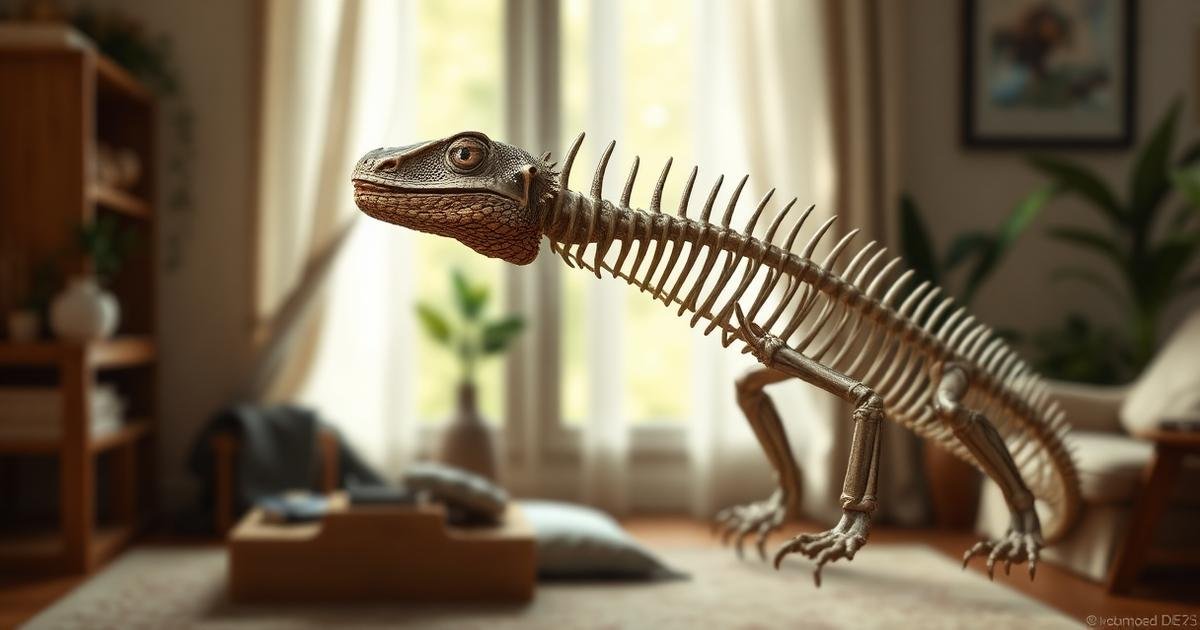
Recognizing the best option early is critical for your pet's survival. The most visible indicators include a soft or rubbery jaw, swollen limbs, lethargy, and muscle tremors. This painful condition develops when calcium and phosphorus levels fall out of balance, typically from improper UVB lighting or inadequate diet. If your reptile-enclosure/">reptile-is-best-for-a-complete-beginner/">reptile-uvb-lighting-guide/">reptile-enclosure/">reptile-uvb-lighting-guide/">reptile-enclosure/">reptile shows any of these symptoms, immediate veterinary intervention is essential — but with proper knowledge, you can catch the problem before it becomes severe.
Reptile metabolic bone disease signs: The clearest signs include a soft or bent jaw (often called "rubber jaw"), swollen limbs or spine, lethargy, muscle twitching, and difficulty moving or climbing. These symptoms typically appear within 2–4 weeks of inadequate UVB exposure or calcium deficiency. If you notice any combination of these
Quick Answer: What are the most reliable reptile metabolic bone disease signs to watch for?
The clearest signs include a soft or bent jaw (often called "rubber jaw"), swollen limbs or spine, lethargy, muscle twitching, and difficulty moving or climbing. These symptoms typically appear within 2–4 weeks of inadequate UVB exposure or calcium deficiency. If you notice any combination of these signs, schedule a vet visit immediately — MBD is reversible if caught early but can be fatal within months without treatment.
For a complete guide on this topic, see the Reptile Care Guide.
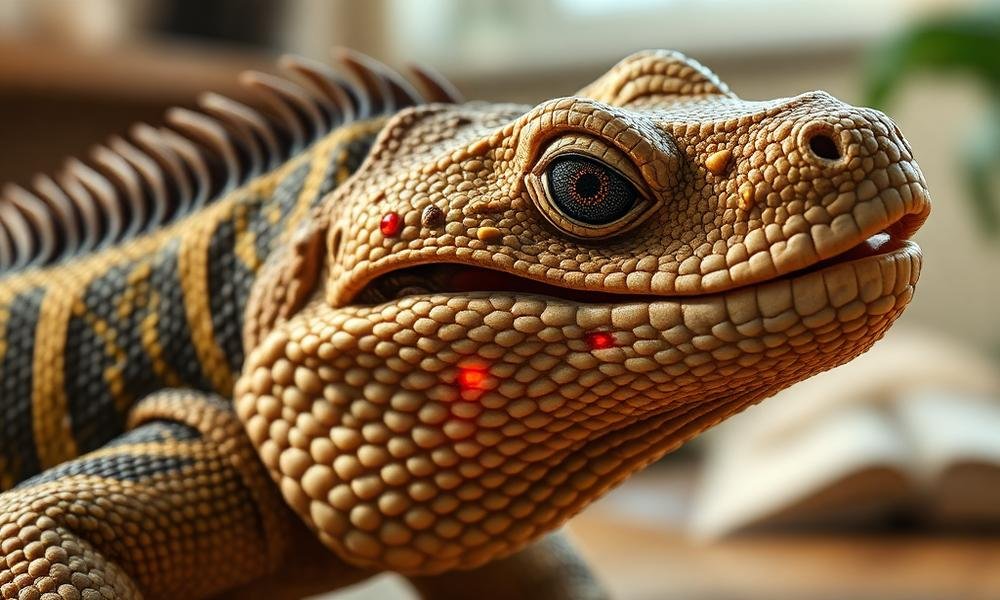
Why do reptile metabolic bone disease signs develop in the first place?
Metabolic bone disease (MBD) isn't a single condition — it's a cascade of failures in your reptile's calcium metabolism. When your pet doesn't get enough UVB light or dietary calcium, its body starts pulling calcium from its own bones. This process weakens the entire skeletal structure from the inside out.
The root cause is almost always environmental. According to the AVMA's pet owner resources, most captive reptiles develop MBD because their owners don't replicate natural sunlight conditions. UVB light is essential for vitamin D3 synthesis, which allows calcium absorption. Without it, even a calcium rich diet won't help.
Pro Tip: Many reptile owners assume their UVB bulb is working because it still emits visible light. UVB output drops significantly after 6 months — replace your bulb every 6 months even if it still looks bright. A UVB meter can give you exact readings.
Species that require high UVB exposure — like bearded dragons, iguanas, and tortoises — are most vulnerable. Diurnal lizards and turtles need 10–12 hours of UVB daily. Nocturnal reptiles like leopard geckos still need low level UVB or supplemented vitamin D3 in their diet. The ASPCA's behavior resources note that even subtle changes in lighting can trigger health issues.
Which reptile metabolic bone disease signs appear first?
The earliest signs are easy to miss. Your reptile might seem slightly less active than usual, or it might stop climbing as much. Many owners mistake these for normal laziness or brumation (reptile hibernation). But these subtle changes often precede the more obvious physical deformities by 1–2 weeks.
Early behavioral changes you should never ignore
Watch for a reptile that suddenly avoids basking spots. This is counterintuitive — a sick reptile needs heat, but MBD makes movement painful. Your pet might also develop a slight head tilt or tremble when eating. These are early warning flags that the nervous system is being affected.
Physical changes in the jaw and limbs
The jaw is usually the first bone structure to show visible changes. Press gently on the sides of your reptile's jaw — if it feels spongy or gives under light pressure, that's a classic sign of MBD. The PetMD condition guides confirm that rubber jaw is one of the most reliable diagnostic indicators for veterinarians.
Pro Tip: Check your reptile's jaw by gently pressing with your thumb and forefinger. A healthy jaw feels firm and unyielding. If you feel any give or springiness, schedule a vet appointment within 48 hours. This simple test can catch MBD weeks before visible deformities appear.
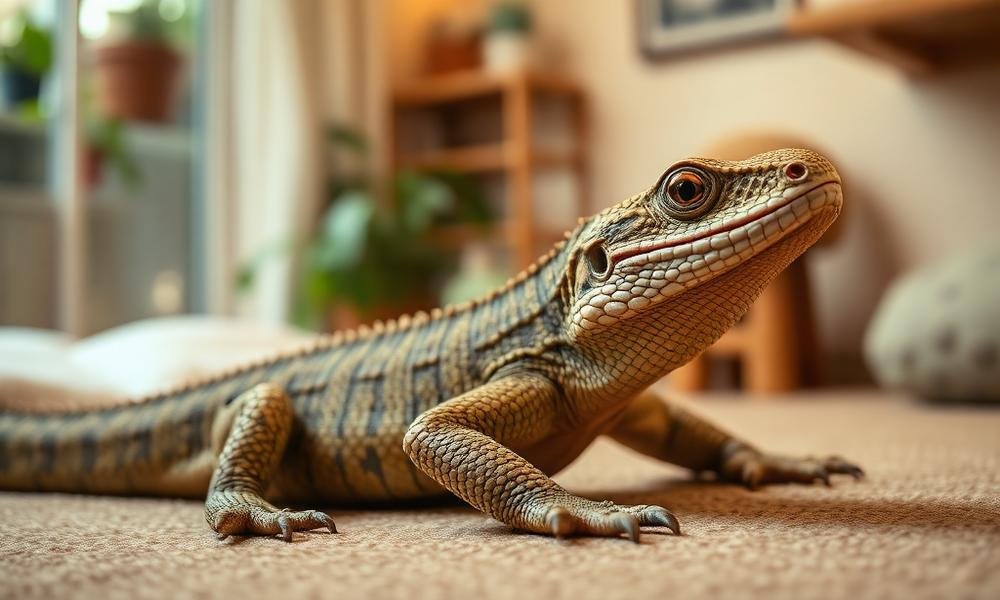
How do advanced reptile metabolic bone disease signs differ from early stages?
As MBD progresses, the signs become unmistakable. Your reptile's limbs may start to bow outward, and you might notice hard lumps along the spine or tail — these are fibrous bone nodules. The animal may drag its hind legs or refuse to grip branches. In severe cases, the lower jaw can become so soft that it bends when the reptile opens its mouth to eat.
Neurological symptoms signal advanced disease
Muscle tremors, twitching toes, and full body spasms indicate that calcium levels have dropped dangerously low. These neurological signs mean the condition is affecting nerve function. At this stage, the reptile may also experience seizures or become unable to right itself if flipped onto its back.
Deformities that become permanent
While early MBD is reversible with proper care, advanced deformities often persist for life. A kinked spine, permanently bowed legs, or a misshapen jaw are common long term effects even after calcium levels normalize. The AKC's behavior guides emphasize that consistent preventive care is far more effective than treating advanced disease.
Pro Tip: Take weekly photos of your reptile from the same angle. Compare them side by side every month. Subtle changes in posture or limb alignment are much easier to spot when you have a visual baseline. This simple habit has helped many owners catch MBD 2–3 weeks earlier than they would have otherwise.
How do reptile metabolic bone disease signs vary between different species?
Not all reptiles show MBD symptoms the same way. Species differences in anatomy and behavior mean you need to know what to look for with your specific pet. A bearded dragon's signs will look different from a leopard gecko's, and mistaking one for another can delay treatment.
Bearded dragons and iguanas
These basking lizards show MBD signs most dramatically. You'll notice a soft jaw first, followed by bowed legs and a swollen spine. Bearded dragons often develop a characteristic "tremor" in their front legs when walking. Iguanas may develop a swollen lower jaw that gives them a "chipmunk cheek" appearance. Both species lose their grip strength rapidly — a bearded dragon that can't climb its basking log is a red flag.
Leopard geckos and crested geckos
Geckos show MBD differently because of their smaller size and different bone structure. Early signs include a "floppy" tail that doesn't curl properly, and difficulty shedding. Leopard geckos may develop a curved spine that makes them look like they're hunched. Crested geckos often lose their ability to grip vertical surfaces, which is normally one of their strongest abilities. The PetMD condition guides note that geckos can hide symptoms longer than larger lizards, making regular jaw checks essential.
Tortoises and turtles
Shelled reptiles present unique challenges. MBD in tortoises causes a soft, pliable shell that feels like leather rather than hard bone. The shell may also develop a "pyramiding" effect — raised scutes that look like small pyramids. Turtles often develop a beak that overgrows because the jaw bones are too weak to wear it down naturally. A tortoise that won't lift its body off the ground when walking is showing advanced MBD signs.
Pro Tip: Research your specific species' normal behaviors and body shape. What looks like a healthy posture for a leopard gecko could be MBD for a bearded dragon. Join species specific forums or groups to learn what "normal" looks like for your pet.
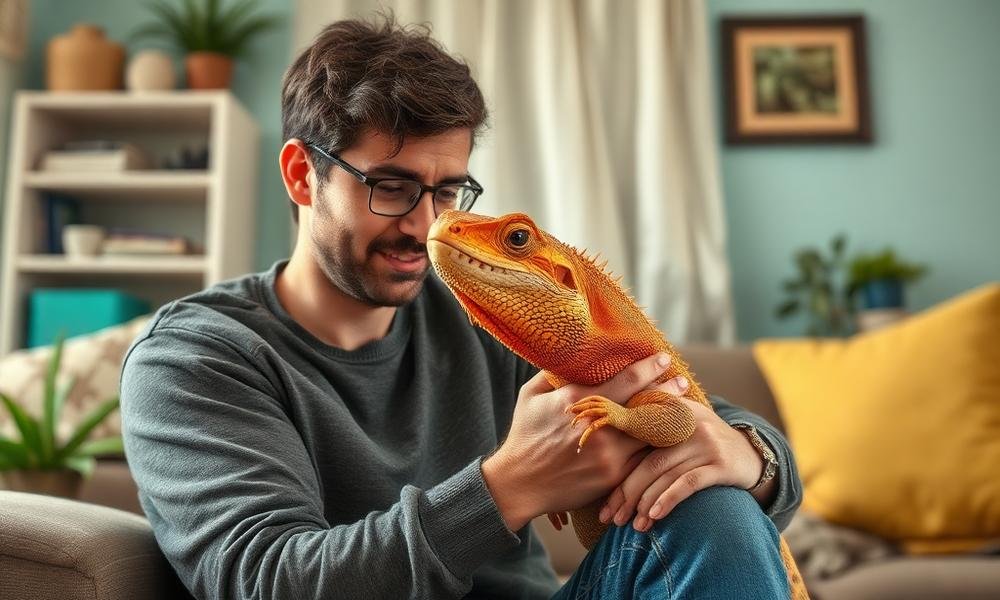
What should you do immediately if you notice reptile metabolic bone disease signs?
First, don't panic — but do act quickly. Remove any high climbing structures from the enclosure to prevent falls. Reduce handling to a minimum since movement is painful. Then schedule a vet appointment within 24–48 hours. Your vet will likely perform blood work and X rays to confirm the diagnosis and assess severity.
Immediate environmental corrections you can make
While waiting for your vet appointment, check your UVB setup. Is the bulb within 12 inches of your reptile's basking spot? Is there no glass or plastic blocking the UVB rays? Replace any bulb older than 6 months. Also ensure your calcium supplement contains vitamin D3 — dust feeder insects with it at every feeding until your vet provides specific instructions.
What to expect from veterinary treatment
Treatment typically involves injectable calcium gluconate for severe cases, followed by oral calcium supplements. Your vet may also recommend oral vitamin D3 and increased UVB exposure. Recovery time varies: mild cases improve within 2–4 weeks, while advanced cases may require 2–3 months of intensive care. The AVMA's pet owner resources note that follow up blood work is essential to confirm calcium levels have stabilized.
How can you prevent reptile metabolic bone disease signs from ever appearing?
Prevention is straightforward and requires three elements working together: proper UVB lighting, correct calcium supplementation, and appropriate temperatures. Miss any one of these, and your reptile's calcium metabolism breaks down. The good news is that once you have reptile metabolic bone disease signs right, maintenance is simple.
UVB lighting requirements by species
Bearded dragons and iguanas need a UVB bulb with at least research suggests 10% UVB output, placed 8–12 inches from the basking spot. Leopard geckos and ball pythons need lower levels — around research suggests 5% UVB — or a vitamin D3 supplement instead. Replace bulbs every 6 months regardless of output. Use a timer to ensure 10–12 hours of UVB exposure daily.
Calcium supplementation schedule
Dust feeder insects with a calcium powder containing vitamin D3 at every feeding for juveniles and growing reptiles. Adults can be supplemented 3–4 times per week. Gut load your feeder insects with calcium rich foods 24 hours before feeding them to your reptile. This double dosing method significantly improves calcium intake.
Temperature and humidity considerations
Proper digestion and calcium absorption depend on correct temperatures. Most basking reptiles need a hot spot of 95–105°F to properly metabolize calcium. Cool side temperatures should stay around 75–85°F. Humidity levels also matter — too high or too low can stress your reptile and impair its immune system. Use digital thermometers and hygrometers to monitor both factors daily.
| Symptom Observed | Likely Stage | Action Required |
|---|---|---|
| Mild lethargy, reduced climbing | Early | Check UVB bulb age and distance; increase calcium dusting; monitor for 1 week |
| Rubber jaw, swollen limbs | Moderate | Schedule vet within 48 hours; reduce basking height; stop handling |
| Muscle tremors, seizures, inability to right itself | Advanced | Emergency vet immediately; provide supportive heat during transport |
Spotting a strong pick early can save your pet's life. Start with the right lighting and supplements today.
Browse Reptile Options →
Frequently Asked Questions
Can a reptile recover from metabolic bone disease on its own?
No. Metabolic bone disease never resolves without intervention. The body cannot replenish bone calcium without external UVB light and dietary calcium. Without treatment, the condition will progress, causing permanent deformities and eventually death. Veterinary care combined with corrected husbandry is the only path to recovery.
How quickly do a reliable option progress?
Early signs like lethargy and reduced appetite appear within 2–4 weeks of inadequate UVB or calcium. Visible deformities like rubber jaw develop over 4–8 weeks. Advanced neurological symptoms can emerge within 8–12 weeks. The speed depends on your reptile's species, age, and how severely the calcium deficiency is.
Is metabolic bone disease painful for reptiles?
Yes, MBD is extremely painful. The bone softening and deformities cause chronic pain, especially during movement. Reptiles with MBD often stop climbing or moving because it hurts. Neurological symptoms like muscle tremors also indicate discomfort. Pain management is a key part of veterinary treatment alongside calcium correction.
Can I use a regular household UV light for my reptile?
No. Standard household bulbs do not emit UVB light, which is essential for vitamin D3 synthesis. You need a specialized reptile UVB bulb. Compact fluorescent bulbs work for small enclosures, while linear tube lights are better for larger setups. Mercury vapor bulbs provide both UVB and heat for basking species.
What's the difference between MBD and tail rot or other reptile diseases?
MBD affects the entire skeletal system — jaw, spine, and limbs — while tail rot is a localized infection causing tissue death. MBD causes soft bones and tremors; tail rot causes blackened, hardened tissue. A vet can distinguish them through X rays and blood work. Never assume symptoms are MBD without professional confirmation.
How often should I replace my reptile's UVB bulb to prevent MBD?
Replace UVB bulbs every 6 months, even if they still emit visible light. UVB output degrades over time, dropping below effective levels after about 6 months of daily use. Mark your calendar with replacement dates. Using a UVB meter can give you precise readings, but the 6-month rule is a reliable guideline for most setups.
Can MBD be reversed in older reptiles?
Yes, but with limitations. Younger reptiles with growing bones have a better chance of full recovery because their bodies can remodel bone more effectively. Older reptiles often retain some permanent deformities even after calcium levels normalize. However, treatment still dramatically improves quality of life and stops disease progression.
Should I give my reptile extra calcium if I suspect MBD?
Do not increase calcium supplementation without veterinary guidance. Too much calcium can cause kidney damage and other health problems. Instead, focus on correcting UVB exposure and temperature first. Let your vet determine the correct calcium dosage based on blood work results. Over supplementation can be as dangerous as deficiency.