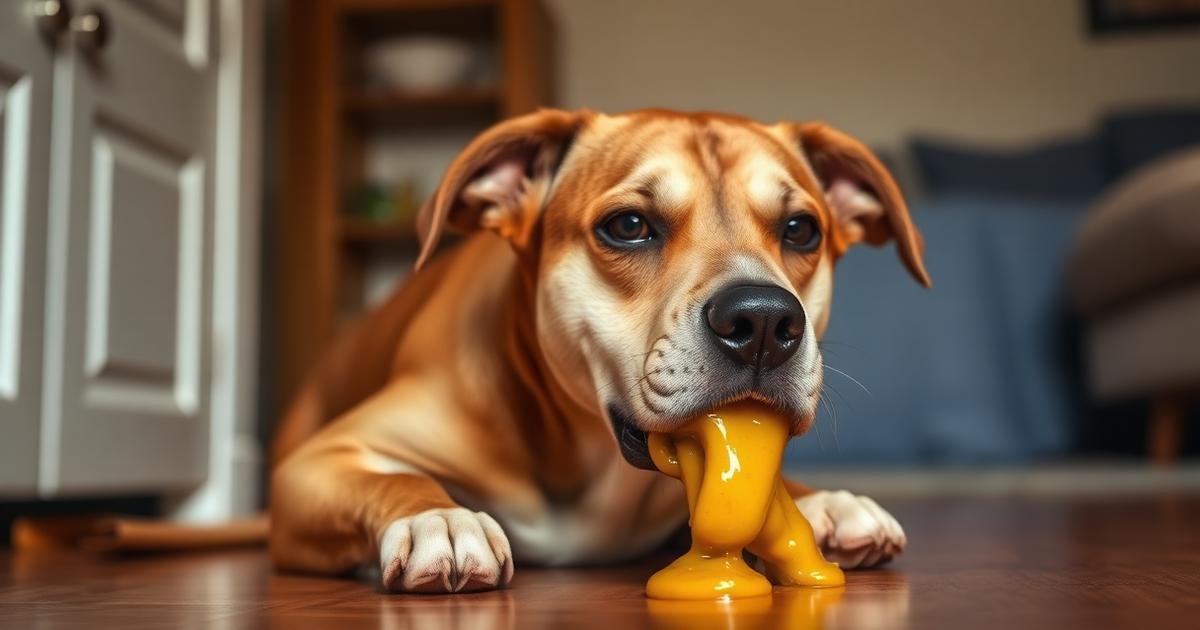
Handling dog vomiting yellow bile correctly makes a noticeable difference in your pet's daily life. When your dog vomits yellow bile, it typically indicates an empty stomach or a mild digestive upset. This yellow fluid is bile, a digestive juice produced by the liver and stored in the gallbladder, and its appearance often means your dog's stomach has no food to digest. While a single episode is usually not a cause for alarm, frequent vomiting of yellow bile can signal underlying issues like bilious vomiting syndrome, pancreatitis, or dietary indiscretion that require veterinary attention. Recognizing the pattern and timing of these episodes is the first step toward effective management and relief for your pet.
Dog vomiting yellow bile: Yellow bile vomit usually means your dog's stomach is empty. The most common cause is bilious vomiting syndrome, where bile irritates the empty stomach lining. For a single episode, withhold food for 12 hours, then offer a small bland meal of boiled chicken and rice. If vomiting persists for more th
Quick Answer: Why Is My Dog Vomiting Yellow Bile and What Should I Do?
Yellow bile vomit usually means your dog's stomach is empty. The most common cause is bilious vomiting syndrome, where bile irritates the empty stomach lining. For a single episode, withhold food for 12 hours, then offer a small bland meal of boiled chicken and rice. If vomiting persists for more than 24 hours or occurs multiple times weekly, consult your veterinarian immediately. Always make sure fresh water is available to prevent dehydration.
For a complete guide on this topic, see the Ultimate Guide To Dog Health.
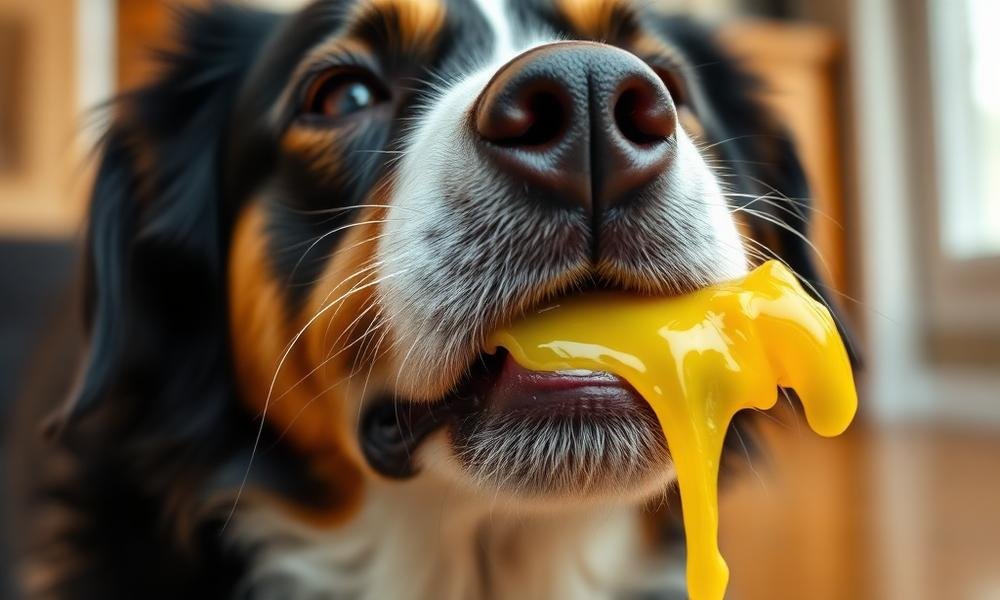
What Exactly Is Yellow Bile Vomit in Dogs?
Yellow bile is a digestive fluid produced by the liver and stored in the gallbladder. When your dog's stomach is empty for extended periods, bile can reflux from the small intestine into the stomach, causing irritation and triggering vomiting.
The yellow color comes from bilirubin, a waste product from the breakdown of red blood cells. Unlike vomit containing food, bile vomit is typically foamy, liquid, and yellow or greenish yellow in color.
This condition is medically known as bilious vomiting syndrome and is most commonly seen in dogs who eat once daily or have long gaps between meals. Dogs with sensitive stomachs or those on high fat diets are particularly prone.
Pro Tip: If your dog vomits yellow bile only in the early morning before breakfast, bilious vomiting syndrome is the likely culprit. Feeding a small bedtime snack can often prevent this.
Is Dog Vomiting Yellow Bile an Emergency?
A single episode of dog vomiting yellow bile is rarely an emergency. However, you should seek immediate veterinary care if the vomiting is accompanied by lethargy, blood in the vomit, diarrhea, abdominal pain, or if your dog is a puppy, senior, or has a pre existing condition like kidney disease or diabetes.
Vomiting that occurs more than 3-4 times within 12 hours, or if your dog cannot keep water down for more than 6 hours, requires prompt veterinary attention. Dehydration can set in quickly, especially in smaller breeds.
Watch for signs of pancreatitis—a serious condition that can cause yellow bile vomiting. These include a hunched posture, refusal to eat, fever, and a painful abdomen when touched.
When to Monitor at Home
If your dog is otherwise acting normal—playful, eating, drinking, and having normal bowel movements—you can monitor for 24 hours. Offer small amounts of water frequently and transition to a bland diet of boiled chicken and white rice after a 12-hour fast.
When to Visit the Vet
Schedule a vet visit if the vomiting occurs more than once a week, if your dog has lost weight, or if you notice a decrease in appetite. Chronic bilious vomiting syndrome may require dietary adjustments or medication.
Pro Tip: Keep a log of when vomiting episodes occur—time of day, what your dog ate last, and any other symptoms. This information helps your veterinarian diagnose the root cause faster.
Keep your dog's digestive system healthy with vet recommended digestive supplements and bland diet options.
Browse Dog Health Options →
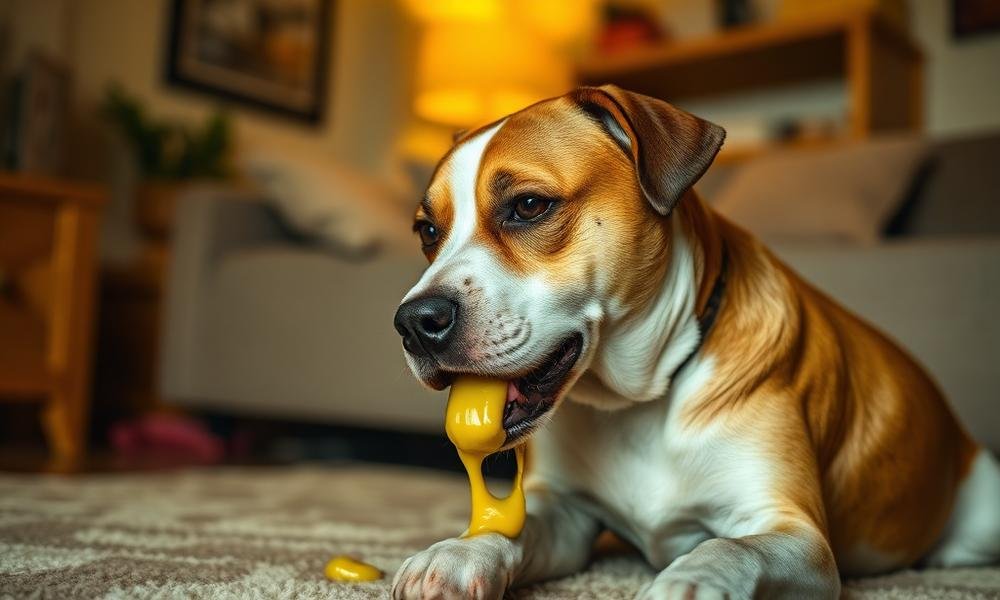
What Are the Most Common Causes of Yellow Bile Vomiting?
Understanding the root cause is essential for effective treatment. The most common cause is bilious vomiting syndrome, but several other conditions can produce similar symptoms.
Bilious Vomiting Syndrome
This occurs when bile accumulates in an empty stomach and irritates the lining. It typically happens in the early morning or late at night after long periods without food. Dogs with this condition often vomit yellow foam or liquid and then act perfectly fine afterward.
Pancreatitis
Inflammation of the pancreas can cause vomiting of yellow bile along with severe abdominal pain. Pancreatitis is often triggered by high fat meals, table scraps, or certain medications. According to the American Kennel Club, acute pancreatitis requires immediate veterinary treatment.
Dietary Indiscretion
Dogs who eat something they shouldn't—garbage, spoiled food, or foreign objects—may vomit bile after their stomach empties. This is the body's way of clearing irritants from the digestive tract.
Other Medical Causes
Kidney disease, liver disease, inflammatory bowel disease, intestinal parasites, and certain infections can all cause yellow bile vomiting. These conditions typically present with additional symptoms like weight loss, changes in thirst, or chronic diarrhea.
Pro Tip: If your dog vomits yellow bile after eating grass, this is usually normal self medication for an upset stomach. However, if grass eating becomes compulsive or frequent, consult your vet.
How Can I Treat Dog Vomiting Yellow Bile at Home?
For mild, isolated episodes, home treatment is often effective. Start by withholding food for 12 hours to let the stomach settle, but always provide fresh water. After the fast, offer a small bland meal—about one quarter of their normal portion.
A bland diet consists of boiled white rice mixed with boiled, skinless chicken breast or lean ground turkey. Feed small portions every 3-4 hours for the first 24 hours. If your dog tolerates this well, gradually mix in their regular food over 2-3 days.
Probiotics can help restore healthy gut bacteria. Look for canine specific probiotics that contain strains like Enterococcus faecium or Lactobacillus acidophilus. These can reduce the frequency of bilious vomiting episodes when used consistently.
Preventing Future Episodes
Feed your dog smaller, more frequent meals—3-4 times daily instead of 1-2 large meals. This prevents the stomach from remaining empty for long periods. A small bedtime snack is particularly effective for dogs prone to morning vomiting.
Avoid feeding your dog within 2 hours of exercise or vigorous activity. Also, limit high fat treats and table scraps, which can trigger pancreatitis and subsequent bile vomiting.
Pro Tip: Elevating your dog's food bowl can help reduce air swallowing and acid reflux. For dogs with chronic bilious vomiting syndrome, feeding a small meal right before bed can be a game-changer.

What Veterinary Treatments Are Available for Chronic Cases?
If home management fails, your veterinarian may recommend diagnostic tests including blood work, abdominal ultrasound, or endoscopy to rule out underlying conditions. Treatment depends on the diagnosis.
For bilious vomiting syndrome, your vet may prescribe medications like metoclopramide or omeprazole to reduce stomach acid and promote proper gastric motility. Antacids like famotidine (Pepcid) are sometimes used short-term.
Dietary changes are often the most effective long term solution. Prescription gastrointestinal diets are highly digestible and formulated to reduce gastric irritation. Your vet may also recommend adding fiber to your dog's diet to help regulate digestion.
For pancreatitis, treatment typically involves hospitalization with intravenous fluids, pain management, and a temporary fast followed by a low fat prescription diet. According to PetMD, most dogs recover fully with prompt treatment.
How Does Diet Directly Influence Yellow Bile Vomiting in Dogs?
Diet plays a central role in both causing and preventing yellow bile vomiting. Dogs fed once daily or given large meals with long gaps between feedings are significantly more prone to bilious vomiting syndrome because bile accumulates in the empty stomach.
High fat diets are a common trigger for pancreatitis, which frequently presents with yellow bile vomiting. Switching to a low-fat, easily digestible diet can reduce inflammation in the pancreas and stabilize bile production within 2-3 weeks.
Fiber content also matters. Soluble fiber, found in pumpkin or psyllium husk, helps bind excess bile and slow gastric emptying. Veterinarians often recommend adding 1-2 tablespoons of plain canned pumpkin to each meal for dogs with chronic bile issues.
Pro Tip: If you switch to a low fat prescription diet, transition gradually over 7 days to avoid additional digestive upset. Mix 25% new food with 75% old food for the first 2 days, then increase incrementally.
Can Certain Dog Breeds Be More Prone to Vomiting Yellow Bile?
Yes, breed predisposition plays a role in yellow bile vomiting. Brachycephalic breeds like Bulldogs, Pugs, and Boston Terriers are more prone to acid reflux and bilious vomiting due to their compressed airways and increased abdominal pressure.
Small breeds such as Miniature Schnauzers, Yorkshire Terriers, and Toy Poodles have a higher incidence of pancreatitis, which often presents with yellow bile vomiting. Miniature Schnauzers, in particular, are genetically predisposed to hyperlipidemia, a condition that elevates blood fats and triggers pancreatic inflammation.
Large breeds like German Shepherds and Golden Retrievers are more susceptible to inflammatory bowel disease, which can cause chronic bile vomiting. If your dog belongs to one of these breeds, consider proactive dietary management and regular veterinary checkups every 6 months.
Pro Tip: For brachycephalic breeds, feed smaller meals 3-4 times daily and use a slow feeder bowl to reduce air swallowing. This simple change can cut vomiting episodes by up to 50% within 2 weeks.
Frequently Asked Questions
Can stress cause my dog to vomit yellow bile?
Yes, stress can trigger vomiting in dogs. Anxiety, changes in routine, or environmental stressors can disrupt digestion and lead to bile reflux. This is often seen in dogs during thunderstorms, boarding, or after moving to a new home.
Should I give my dog water after vomiting yellow bile?
Yes, always provide fresh water after vomiting. Offer small amounts frequently—a few tablespoons every 15-20 minutes. If your dog drinks too quickly, they may vomit again. Ice cubes can be a good alternative for slow rehydration.
Is yellow bile vomit the same as white foam vomit?
No, they are different. Yellow bile indicates bile from the gallbladder and usually means an empty stomach. White foam is often saliva mixed with stomach acid and can indicate nausea, acid reflux, or kennel cough. Both require monitoring.
Can changing my dog's food cause yellow bile vomiting?
Yes, sudden diet changes can upset your dog's stomach and trigger vomiting. Always transition to a new food gradually over 5-7 days by mixing increasing amounts of the new food with the old food. This allows the digestive system to adapt.
How long should I wait before feeding my dog after they vomit bile?
Wait 12 hours after the last vomiting episode before offering food. Start with a small bland meal—about one quarter of their normal portion. If they keep it down for 2-3 hours, you can offer another small meal. Gradually return to normal feeding over 24-48 hours.
Can puppies vomit yellow bile?
Yes, puppies can vomit yellow bile, but it requires more urgent attention because they dehydrate quickly. Puppies under 6 months old should see a vet after any vomiting episode lasting more than 6 hours. Parasites and dietary indiscretion are common causes in puppies.
Does my dog need medication for bilious vomiting syndrome?
Not always. Many dogs respond well to dietary changes alone—feeding smaller, more frequent meals and a bedtime snack. If vomiting persists despite these changes, your veterinarian may recommend medications like antacids or prokinetic agents to manage the condition.
Can I give my dog Pepto Bismol for yellow bile vomiting?
No, do not give Pepto Bismol to dogs without veterinary guidance. It contains salicylate, which can be toxic to dogs, especially in high doses. Always consult your veterinarian before giving any human medication to your dog.
How can I tell if my dog's yellow bile vomit is due to parasites?
Parasite related vomiting often includes additional signs like weight loss, a dull coat, scooting, or visible worms in the stool. Your veterinarian can perform a fecal exam to diagnose parasites. If detected, a deworming protocol usually resolves the vomiting within 1-2 weeks.
Is it normal for a senior dog to vomit yellow bile more often?
Senior dogs are more prone to chronic conditions like kidney disease, liver dysfunction, and inflammatory bowel disease, all of which can cause yellow bile vomiting. Any increase in vomiting frequency in a dog over 7 years old warrants a veterinary evaluation to rule out age related disease.
For authoritative reference on canine health and care standards, the American Kennel Club (AKC) provides breed-specific guidance trusted by veterinary professionals. For health-related questions, PetMD offers veterinarian-reviewed information on symptoms and treatments.
Check out our complete overview of common dog health problems for more information.