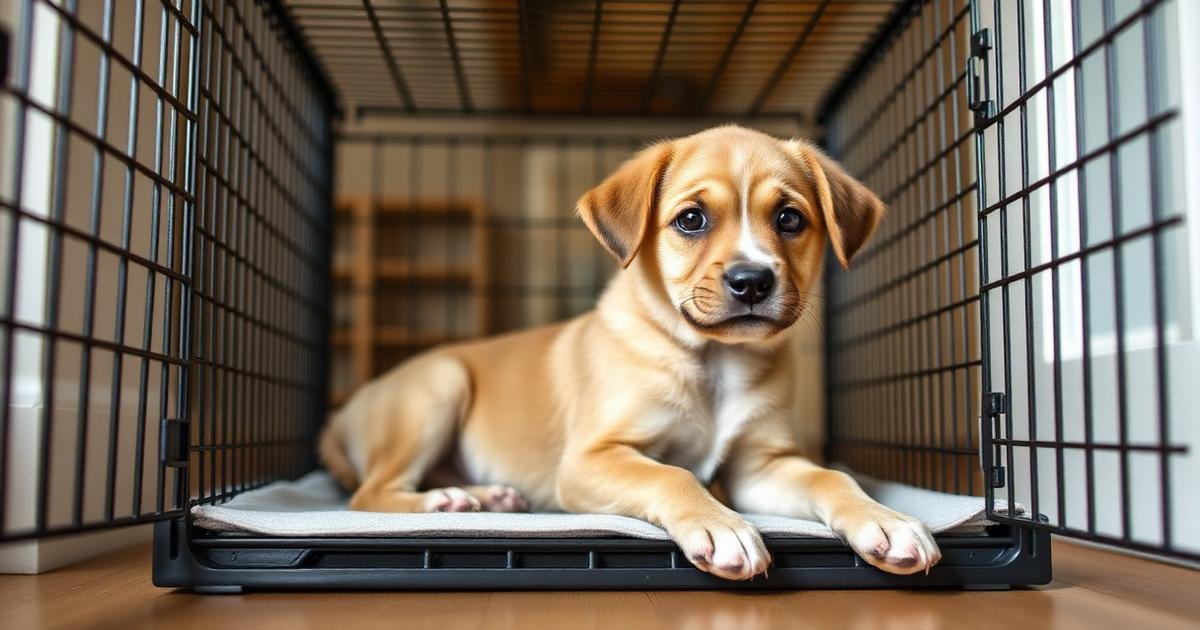
Crate training is hands-down one of the best ways to housebreak a puppy, stop destructive chewing, and give your dog a cozy den to unwind. You’ve got to introduce the crate as a happy place—think gradual desensitization, feeding meals right inside it, and never, ever using it as punishment. Stick to a solid schedule of potty breaks, short confinement sessions, and high-value treats, and most puppies will snooze through the night in their crate within 2–3 weeks.
How to crate train a puppy: The fastest way to crate train a puppy is to pair every crate entry with a high-value reward, such as a stuffed Kong or a small piece of chicken. Start with 5–10 minute sessions while you are home, gradually increasing to 30–60 minutes. Always take your puppy outside immediately after releasing them
Quick Answer: What is the fastest way to crate train a puppy?
The fastest way to crate train a puppy is to pair every crate entry with a high value reward, such as a stuffed Kong or a small piece of chicken. Start with 5–10 minute sessions while you are home, gradually increasing to 30–60 minutes. Always take your puppy outside immediately after releasing them from the crate. Consistency and positive association are the only shortcuts that work.
For a complete guide on this topic, see the Ultimate Guide To Dog Training.
Why should I crate train my puppy?
Crate training leverages a dog's natural den instinct. Dogs are den animals that instinctively avoid soiling their sleeping area. When used correctly, the crate becomes a sanctuary, not a cage.
For many homes, the right how to crate train a puppy choice is the one that stays reliable under ordinary daily conditions.
Veterinarians at the American Kennel Club (AKC) recommend crate training because it prevents puppies from developing dangerous habits like chewing electrical cords or ingesting toxins while unsupervised. It also simplifies housebreaking because puppies are less likely to eliminate where they sleep.
Beyond safety and housebreaking, a crate provides a predictable routine. Puppies thrive on structure, and the crate becomes a quiet retreat when the household is busy or when the puppy needs to settle down for a nap.
Pro Tip: Place the crate in a low traffic area of your main living space, not a dark basement or laundry room. Your puppy should feel part of the family while in the crate, not isolated.

How do I choose the right crate size for my puppy?
Crate size directly affects training success. A crate that is too large allows your puppy to use one corner as a bathroom and the other as a sleeping area, which defeats the housebreaking purpose. A crate that is too small is uncomfortable and stressful.
Select a crate that allows your puppy to stand up, turn around, and lie down flat. For growing puppies, buy a crate with a movable divider panel. This lets you expand the space as the puppy grows without buying multiple crates. The adult size crate with a divider is the most economical option.
Wire crates with dividers are the most versatile choice. Plastic airline style crates offer more den like darkness, which some anxious puppies prefer. Measure your puppy's current height from floor to shoulder and add 4–6 inches for the correct starting height.
Pro Tip: If your puppy is a breed that reaches over 50 pounds as an adult, buy the full size crate with a divider from day one. You will save money and only need to adjust the divider every few weeks.
What is the step-by step process for how to crate train a puppy?
Step 1: Build positive associations without closing the door
Place the crate in your living area with the door securely open. Toss high value treats like small pieces of boiled chicken or freeze dried liver inside the crate. Let your puppy walk in and out freely. Do not close the door during this phase.
Feed all meals inside the crate with the door open. This creates a strong positive link between the crate and something the puppy already loves. Continue this for 2–3 days until your puppy eagerly enters the crate on their own.
Step 2: Close the door for very short periods
Once your puppy willingly enters the crate, close the door for 5 seconds while they eat a treat. Open the door immediately. Gradually increase the closed door time to 30 seconds, then 1 minute, then 2 minutes over several sessions. Always stay in the room.
If your puppy whines when the door closes, you moved too fast. Go back to open door feeding for another day. The goal is zero stress during this phase. Each session should end before your puppy shows any signs of anxiety.
Step 3: Extend crate time while you are home
When your puppy can stay quietly in the crate with the door closed for 5 minutes while you sit nearby, begin moving to other parts of the room. Then leave the room for 1–2 minutes. Return before your puppy whines. Gradually increase your absence to 10–15 minutes.
Use a stuffed Kong or a chew toy that takes 10–20 minutes to finish. This keeps your puppy occupied and distracted from your absence. Never let your puppy out while they are whining — wait for 5 seconds of silence, then release calmly.
Step 4: Crate during short errands
Once your puppy handles 30 minutes alone in the crate while you are home, try leaving the house for 15–20 minutes. Keep these absences short and unpredictable. Do not make a big fuss when you leave or return — treat it as normal.
Your puppy's bladder control determines the maximum crate time. A general rule from veterinarians is that a puppy can hold their bladder for one hour per month of age, plus one. A 3-month old puppy should not be crated longer than 4 hours during the day.
Step 5: Overnight crate training
Place the crate in your bedroom for the first 2–3 weeks. Your puppy will sleep better knowing you are nearby. Take your puppy outside for a final potty break immediately before bedtime. Set an alarm for a middle-of-the night potty break — for an 8-week old puppy, this is usually 3–4 hours after bedtime.
When your puppy whines overnight, take them directly outside on a leash. No playing, no talking. Give them 5 minutes to eliminate, then return directly to the crate. If they do not eliminate within 5 minutes, return them to the crate and try again in 30 minutes.
Pro Tip: Cover the crate with a lightweight blanket on three sides to create a dark, den like atmosphere for overnight sleeping. Leave the front uncovered so your puppy can see you. This mimics a den and often reduces nighttime whining significantly within 2–3 nights.
Ready to simplify your puppy's training with the right gear? Find durable crates, dividers, and training treats that match your puppy's size and temperament.
Browse Dog Training Options →

What common mistakes ruin how to crate train a puppy?
Using the crate as punishment
If you send your puppy to the crate when they misbehave, they will associate the crate with negative emotions. Never use the crate for time-outs. Instead, redirect unwanted behavior and reward calm behavior inside the crate separately.
Keeping the puppy in the crate too long
Puppies under 6 months old should not be crated for more than 4–5 hours during the day. Overnight is different because puppies sleep longer. Extended crating causes accidents in the crate, which sets back housebreaking and creates stress. Hire a dog walker or use a pet sitter if you work long hours.
Letting the puppy out when they whine
This teaches your puppy that whining opens the crate door. Wait for a moment of silence — even 3–5 seconds — before releasing them. Over time, they learn that quiet behavior, not noise, gets them freedom. This single habit can save you weeks of frustration.
Skipping the gradual introduction
Many owners close the crate door on day one and leave the room. This creates panic and a negative association that is difficult to undo. The American Society for the Prevention of Cruelty to Animals (ASPCA) emphasizes that slow, positive introductions produce faster long term results than forced confinement.
For more detailed troubleshooting, see our guide on common puppy training mistakes.
How long does it take to fully crate train a puppy?
Most puppies accept the crate within 1–2 weeks when you follow the gradual introduction process consistently. Full crate training — where your puppy chooses to nap in the crate with the door open and sleeps through the night without whining — typically takes 3–4 weeks.
Breed and individual temperament affect the timeline. Independent breeds like Shiba Inus or terriers may take longer. Highly food motivated breeds like Labrador Retrievers often learn within 5–7 days. Rescue puppies with past negative crate experiences may need 4–6 weeks of patient work.
Consistency is the single biggest factor. If you use the crate every day for naps, meals, and short absences, your puppy adapts faster. If you only use the crate sporadically, the process can stretch to 8 weeks or more. Studies suggest that puppies with daily crate exposure are 70% more likely to show calm crate behavior within 2 weeks compared to those crated irregularly.
Pro Tip: Keep the crate accessible with the door open even after your puppy is fully trained. Many dogs continue to use their crate as a safe sleeping spot for years. A crate trained adult dog is easier to travel with and less stressed during vet visits or boarding.

Frequently Asked Questions
Should I put water in the crate with my puppy?
No. Remove water 1–2 hours before bedtime or before extended crate periods during the day. Your puppy should have free access to water outside the crate. Water inside the crate increases the likelihood of accidents and discomfort.
What do I do if my puppy cries all night in the crate?
Take your puppy outside for a potty break, then return them to the crate immediately. Do not play or comfort them excessively. If crying continues after 10 minutes, the crate may be in the wrong location — move it to your bedroom for the first week.
Can I crate train an older dog or rescue dog?
Yes, but the process may take longer. Start with the same gradual steps, using extra high value rewards. Older dogs with past trauma may need 4–6 weeks of open door feeding before you can close the door. Patience and positive reinforcement are essential.
How do I know if the crate is the right size?
Your puppy should be able to stand up, turn around, and lie down comfortably. If your puppy can walk more than two steps inside the crate, it is too large. Use a divider to shrink the space for growing puppies until they reach adult size.
Should I cover the crate at night?
Covering three sides of the crate with a lightweight blanket can help anxious puppies sleep better by creating a den like environment. Leave the front uncovered so your puppy can see you. Never cover the crate completely, as this restricts airflow and can cause overheating.
What if my puppy eliminates in the crate?
Clean the crate thoroughly with an enzymatic cleaner to remove all odor. Reduce the crate time to match your puppy's bladder capacity. If accidents continue, your puppy may have a urinary tract infection — consult your veterinarian to rule out medical issues.
Can I crate train during the day while I work?
Puppies under 6 months old cannot hold their bladder for a full workday. Arrange for a dog walker or pet sitter to let your puppy out every 3–4 hours. Alternatively, use a puppy playpen attached to the crate with a potty pad area for longer absences.
When can I stop using the crate at night?
Most puppies can sleep outside the crate reliably around 6–12 months of age, once they are fully housebroken and no longer chew furniture. Keep the crate available with the door open so your dog can choose to sleep there if they prefer.
For authoritative reference on canine health and care standards, the American Kennel Club (AKC) provides breed-specific guidance trusted by veterinary professionals. For health-related questions, PetMD offers veterinarian-reviewed information on symptoms and treatments.