
Selecting the for your dog is a critical step in preventing periodontal disease, which affects over 80% of dogs by age three. The most effective approach combines daily tooth brushing with a Veterinary Oral Health Council (VOHC)-accepted toothpaste and enzymatic formula, paired with appropriate dental chews and water additives for comprehensive plaque and tartar control. This guide compares top rated products across all categories so you can build an evidence based dental care routine that works for your dog’s specific needs and temperament.
Best dog dental care products: The best dog dental care products are VOHC-accepted enzymatic toothpastes like Virbac C.E.T. or Petsmile, paired with a soft-bristled finger brush or dual-headed toothbrush. For dogs that resist brushing, dental chews with the VOHC seal (such as Greenies or Purina DentaLife) combined with a non-alco
Quick Answer: What Are the Best Dog Dental Care Products for Daily Use?
The best dog dental care products are VOHC accepted enzymatic toothpastes like Virbac C.E.T. or Petsmile, paired with a soft bristled finger brush or dual headed toothbrush. For dogs that resist brushing, dental chews with the VOHC seal (such as Greenies or Purina DentaLife) combined with a non alcohol water additive like Oxyfresh provide measurable plaque reduction within 2–3 weeks when used consistently.
For a complete guide on this topic, see the Ultimate Guide To Dog Health.
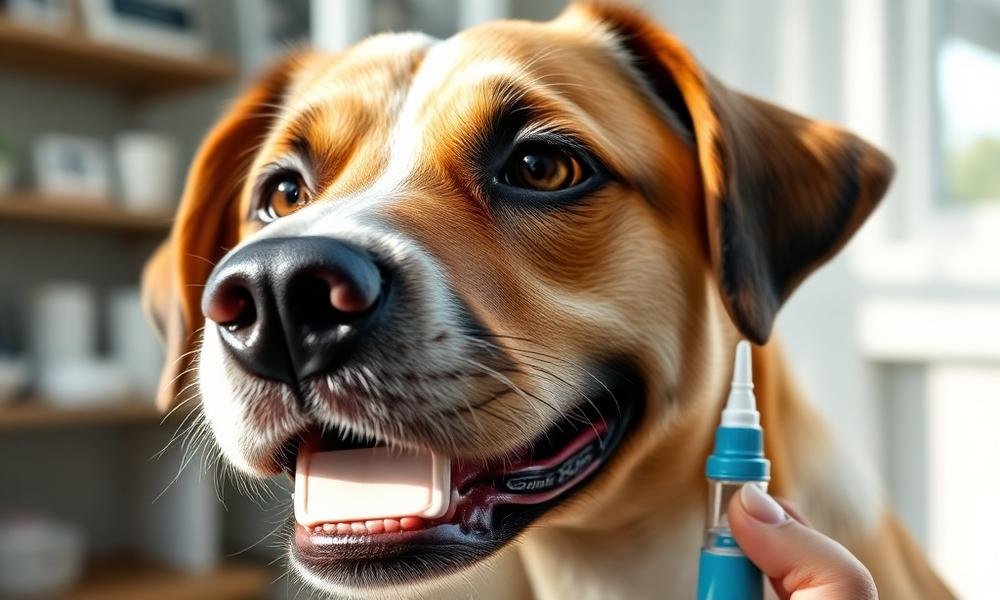
How Do I Choose the Best Dog Dental Care Products for My Dog’s Needs?
Start by assessing your dog’s current oral health and tolerance for handling. Dogs with existing tartar buildup or gingivitis require more aggressive intervention, while puppies or dogs with sensitive mouths need gentler options. Veterinarians generally recommend at least three components: a mechanical cleaning method (brushing or chew), a chemical agent (enzyme toothpaste or water additive), and annual professional cleanings.
Look for the VOHC seal on any product you consider. This independent council reviews scientific data to confirm that a product effectively reduces plaque or tartar. Products without this seal may still help, but you cannot verify their efficacy through standardized testing. The American Veterinary Medical Association (AVMA) endorses VOHC accepted products as part of a comprehensive dental care plan.
For many homes, the right the best option choice is the one that stays reliable under ordinary daily conditions.
Pro Tip: Start dental care when your dog is a puppy if possible. Adult dogs can still adapt, but expect a 1–2 week adjustment period. Use positive reinforcement—treats after brushing, not before—to build a cooperative routine.
Your dog’s size also matters. Small breeds, particularly brachycephalic dogs like Pugs and French Bulldogs, have crowded teeth that trap food and plaque more easily. They benefit from smaller brush heads and softer chews. Large breeds need bigger handles and more durable chews that won’t be swallowed whole, which poses a choking risk.
A well matched best dog dental care products should support the pet clearly without making the routine harder to maintain.
Which Toothpaste and Brush Combinations Are Most Effective?
The Gold Standard: Enzymatic Toothpastes
Virbac C.E.T. Enzymatic Toothpaste remains the most widely recommended option among veterinarians. Its dual enzyme system (glucose oxidase and lactoperoxidase) actively breaks down plaque biofilm and creates an oral environment that discourages bacterial growth. Poultry, beef, and malt flavors make it palatable for most dogs. Use a pea sized amount for small dogs and a bean sized amount for large breeds.
Most owners get better long term results when best dog dental care products is judged through routine use rather than a single product claim.
Petsmile Professional Pet Toothpaste is the only toothpaste with the VOHC seal for plaque control. Its proprietary Calprox formula dissolves protein matrixes that bind plaque to teeth, and it contains no foaming agents that might upset sensitive stomachs. It costs more than Virbac but offers clinical proof of efficacy that few competitors match.
The strongest the best option choice usually becomes clearer when comfort, consistency, and practical use are reviewed together.
Brush Selection Matters More Than You Think
A dual headed toothbrush with a 45-degree angled handle reaches molars more effectively than standard straight brushes. The C.E.T. Dual Head Toothbrush has a small round head for front teeth and an elongated head for molars. For dogs that resist, a silicone finger brush works as a starter tool but removes less plaque than a proper brush. Studies indicate that finger brushes remove approximately 30–40% less plaque than bristled brushes.
Pro Tip: Never use human toothpaste for your dog. Human formulas contain xylitol, which is toxic to dogs, and foaming agents that can cause vomiting. Stick to veterinary approved enzymatic pastes only.
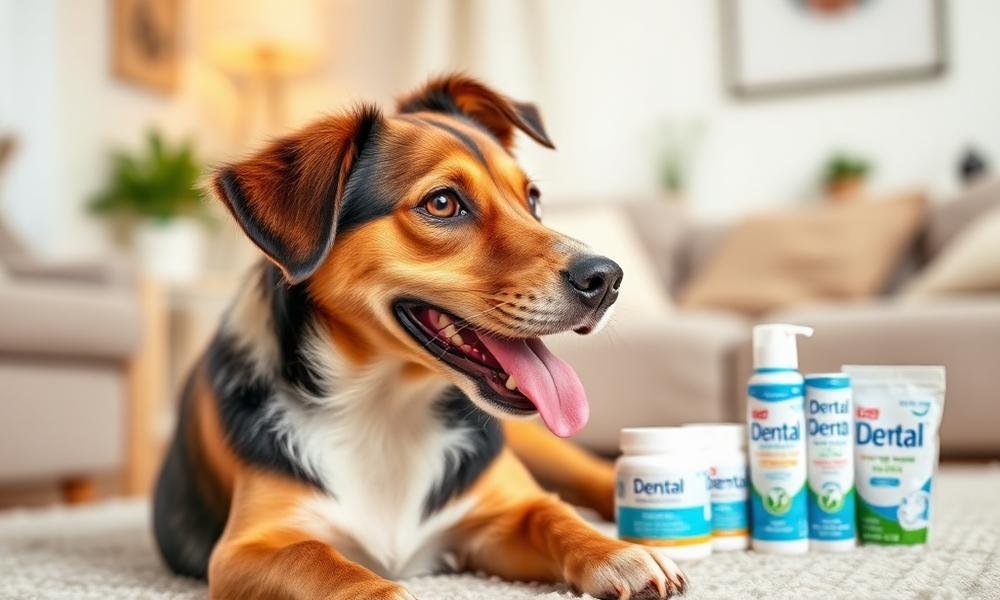
What Are the Best Dental Chews and Treats for Plaque Control?
VOHC Accepted Chews Worth Your Money
Greenies Original Dental Dog Treats hold the VOHC seal for both plaque and tartar control. Their unique texture flexes to clean along the gumline, and they contain chlorophyll for breath freshening. Give one chew daily for dogs over 5 pounds. For smaller breeds, the Teenie size works well. Purina DentaLife Chews use a porous, ridged texture that scrubs all tooth surfaces, and they are clinically proven to reduce tartar buildup within 28 days with daily use.
Whimzees by Wellness are vegetarian based dental chews with a firm, abrasive texture. They contain no artificial flavors or preservatives and are digestible for dogs with sensitive stomachs. While they lack the VOHC seal, many veterinarians recommend them as a natural alternative. Always supervise your dog with any chew and select the appropriate size—too small poses a choking hazard, too large may not be chewed effectively.
Avoid Hard Chews That Can Fracture Teeth
Antlers, hooves, and real bones are not recommended by veterinary dentists. These materials are harder than enamel and cause slab fractures in molars, which require expensive extraction surgery. The Veterinary Dental Society advises that any chew that cannot be indented by a fingernail is too hard for your dog’s teeth.
How Effective Are Dental Wipes and Cloths for Dogs That Hate Brushing?
Dental wipes pre moistened with chlorhexidine or enzymatic solutions offer a viable alternative for dogs that absolutely refuse toothbrushes. Products like Petrodex Dental Wipes wrap around your finger and allow you to wipe the outer surfaces of teeth and gums. They remove about 20–30% of plaque compared to brushing, according to clinical studies cited by veterinary dental specialists.
Use wipes as a transitional tool while desensitizing your dog to oral handling. Start by wiping only the canines and incisors for 10 seconds, then gradually work toward the molars over 1–2 weeks. Replace the wipe if it becomes dry or soiled during the session. Dental wipes are not a permanent replacement for brushing, but they significantly outperform doing nothing for dogs with extreme oral sensitivity.
Pro Tip: Store dental wipes in a sealed container to prevent drying out. If your dog tolerates wipes well, transition to a finger brush with enzymatic toothpaste within 2–3 weeks for better plaque removal.

What Role Do Diet and Chew Toys Play in Dental Health?
Dental Diets: Kibble That Cleans
Prescription dental diets like Hill’s Prescription Diet t/d and Royal Canin Veterinary Diet Dental are formulated with oversized kibble fibers that scrape tooth surfaces as the dog bites down. These diets are clinically proven to reduce plaque and tartar accumulation by up to 60% when fed exclusively, according to manufacturer data accepted by the VOHC. They require a veterinary prescription and cost more than standard food, but they provide comprehensive oral care for dogs prone to dental disease.
Non prescription dental diets like Purina Pro Plan Veterinary Diets DH also carry the VOHC seal. These foods work best when fed as the sole ration—mixing with wet food or treats reduces their mechanical cleaning effect. For dogs on a raw or homemade diet, consider adding a dental chew or water additive to compensate for the lack of abrasive kibble texture.
Chew Toys Designed for Dental Health
Rubber chew toys with ridges and nubs, such as the KONG Dental Stick or Nylabone DuraChew, promote saliva production and mechanical scraping during play. Saliva contains natural antibacterial enzymes that help control plaque. Choose toys that are soft enough to bend slightly with your fingers—hard plastic toys can cause tooth fractures just like antlers. Rotate toys weekly to maintain your dog’s interest and make sure consistent chewing activity.
Pro Tip: Freeze a wet washcloth or a KONG filled with plain yogurt for 2–3 hours. The cold soothes teething puppies while the texture provides gentle gum stimulation. This is not a substitute for brushing but helps build positive associations with oral care.
Build a complete dental care kit for your dog—shop vet approved brushes, pastes, and chews now.
Browse Dog Health Options →
Can Water Additives and Sprays Replace Brushing?
Water additives like Oxyfresh Pet Dental Water Additive reduce plaque accumulation by 25–35% when used daily, according to manufacturer studies. The active ingredient, chlorine dioxide, oxidizes volatile sulfur compounds that cause bad breath and disrupts plaque formation. Add the recommended dose to your dog’s water bowl daily—most dogs do not notice the taste change. However, water additives cannot remove existing plaque or tartar; they only slow new buildup.
Dental sprays and gels offer a middle ground for dogs that absolutely refuse brushing. Petsmile Dental Spray contains the same Calprox formula as their toothpaste and can be applied directly to teeth and gums. It is less effective than brushing but better than doing nothing. For maximum benefit, use a spray or gel after meals when plaque formation begins.
Pro Tip: Rotate between a water additive and a dental chew on days you cannot brush. Consistency matters more than perfection—even 4–5 brushings per week significantly reduce periodontal disease risk compared to sporadic brushing.
How Do I Introduce Dental Care to a Resistant Dog?
Start with desensitization over 5–7 days. Day 1: Let your dog lick a small amount of toothpaste from your finger. Day 2–3: Rub your finger along the outer surfaces of the teeth for 10–15 seconds. Day 4–5: Introduce the toothbrush with toothpaste, allowing your dog to chew on it briefly. Day 6–7: Begin brushing the outer surfaces of the upper teeth only, using gentle circular motions.
Focus on the outer surfaces of the upper premolars and molars—this is where plaque accumulates most. The inner surfaces of the lower teeth are cleaned somewhat by the tongue, so prioritize the outer surfaces for maximum benefit. Each session should last no more than 30–60 seconds. End with a high value treat and praise. For dogs that remain anxious, consult your veterinarian about dental wipes or chlorhexidine gels as alternatives.
For senior dogs or those with painful gingivitis, start with a soft finger brush and chlorhexidine spray. The AVMA recommends that dogs receive their first professional dental cleaning by age 2–3, or earlier if you notice bad breath, red gums, or visible tartar. Annual cleanings under anesthesia allow for subgingival cleaning that no home product can achieve.
Frequently Asked Questions
Can I use baking soda to brush my dog’s teeth?
No. Baking soda is highly alkaline and can disrupt your dog’s oral pH balance, causing gum irritation and vomiting if swallowed. Stick to veterinary approved enzymatic toothpastes that are safe to ingest.
How often should I replace my dog’s toothbrush?
Replace the toothbrush every 3 months or immediately after your dog recovers from an illness. Worn bristles remove less plaque, and bacteria buildup on the brush can reintroduce germs to your dog’s mouth.
Are dental treats safe for puppies?
Most dental treats are safe for puppies over 6 months old, but always check the label for size recommendations. Puppies under 6 months should use puppy specific teething chews rather than adult dental treats, which may be too hard for developing teeth.
What should I do if my dog’s breath smells like fish or metal?
A fishy or metallic odor often indicates advanced periodontal disease, abscesses, or oral tumors. Schedule a veterinary dental exam immediately. Bad breath is not normal and should never be masked with breath fresheners alone.
Can dental care products reverse existing tartar?
No home product can remove established tartar, which is hardened plaque that bonds to teeth. Only professional scaling under anesthesia can remove tartar. Dental products prevent new tartar from forming but cannot reverse existing buildup.
Is it safe to use coconut oil for dog dental care?
Coconut oil has mild antibacterial properties and is safe to ingest, but it lacks the enzymes found in VOHC accepted products. It can be used as a starting point for dogs that resist toothpaste flavors, but it does not provide effective plaque control on its own.
What is the best dental care product for dogs with kidney disease?
Dogs with kidney disease need low-phosphorus, low protein dental products. Virbac C.E.T. Enzymatic Toothpaste is generally safe, but always consult your veterinarian first. Avoid water additives containing chlorhexidine, as it may cause gastrointestinal upset in sensitive dogs.
How much does professional dental cleaning cost, and how often is needed?
Professional dental cleanings typically cost $250–$800 depending on your location and the need for extractions. Most dogs require annual cleanings starting at age 2–3, though small breeds may need them every 6–12 months due to crowded teeth.
For authoritative reference on canine health and care standards, the American Kennel Club (AKC) provides breed-specific guidance trusted by veterinary professionals. For health-related questions, PetMD offers veterinarian-reviewed information on symptoms and treatments.
Check out our complete overview of dog preventive care guide for more information.
Learn more in our detailed guide on best supplements for dog joint health.