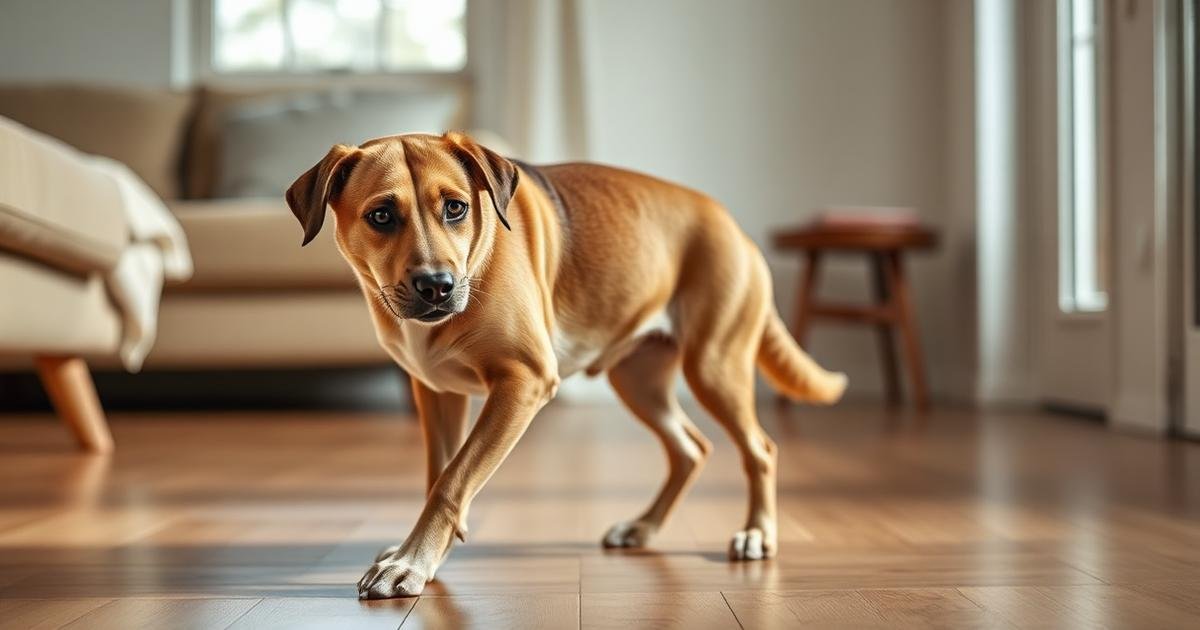
Handling dog limping on front leg correctly makes a noticeable difference in your pet's daily life. So your dog is limping on that front leg — don’t panic just yet. The cause could be something simple, like a tiny rock stuck in the paw or a pulled muscle from a rough game of fetch. But it might also be more serious, like a ligament tear, elbow dysplasia, or even a fracture. Here’s what I’d do first: give that paw a good visual check for any foreign objects. Then, rest your dog for 24 to 48 hours — no running, no jumping, just easy leash walks for bathroom breaks. If the limp sticks around after that, or if it’s really bad right from the start, get to the vet. The key is figuring out what kind of limp you’re dealing with and knowing your dog’s history — that makes all the difference.
Dog limping on front leg: Stop activity and examine the paw for cuts, thorns, or swelling. If you find nothing obvious, rest your dog for 24 hours with no running or jumping. If the limp does not improve within 48 hours, or if your dog is in obvious pain (whining, refusing to bear weight), see a veterinarian. Never give huma
Quick Answer: What Should I Do First If My Dog Is Limping on a Front Leg?
Stop activity and examine the paw for cuts, thorns, or swelling. If you find nothing obvious, rest your dog for 24 hours with no running or jumping. If the limp does not improve within 48 hours, or if your dog is in obvious pain (whining, refusing to bear weight), see a veterinarian. Never give human pain relievers like ibuprofen or acetaminophen — they are toxic to dogs.
For a complete guide on this topic, see the Ultimate Guide To Dog Health.
Why Is My Dog Limping on Its Front Leg and Not the Back?
Front legs bear approximately 60% of a dog's body weight, making them more prone to injury and visible limping. Common causes include paw pad injuries, nail breaks, sprains of the carpal or shoulder joints, and elbow dysplasia. Because the front limbs lack a muscular attachment to the spine like the hind legs do, injuries here often result in more noticeable lameness.
For many homes, the right dog limping on front leg choice is the one that stays reliable under ordinary daily conditions.
Elbow dysplasia, a developmental condition common in large breeds like Labrador Retrievers and Golden Retrievers, frequently presents as a front leg limp in dogs under 2 years old. Osteoarthritis in older dogs can also cause a gradual onset of front leg limping, especially after rest.
A well matched dog limping on front leg option should support the pet clearly without making the routine harder to maintain.
Common Causes of Front Leg Lameness
- Paw injuries: Cuts, foreign objects (thorns, glass), cracked nails, or burns from hot pavement.
- Sprains and strains: Overexertion during play, twisting injuries, or muscle tears.
- Fractures: Usually from trauma (falls, car accidents) — often cause non-weight bearing limping.
- Elbow dysplasia: Abnormal joint development leading to arthritis and pain.
- Osteochondritis Dissecans (OCD): A cartilage flap in the shoulder or elbow joint, common in young, fast growing dogs.
- Panosteitis: A painful inflammation of the long bones, often seen in large breed puppies (also called "growing pains").
- Ligament injuries: Though less common than in hind legs, the biceps tendon or carpal ligaments can be torn.
Pro Tip: Check your dog's paw pads and between the toes first. A small thorn or piece of gravel can cause dramatic limping but is easily removed with tweezers. If you find a foreign object, soak the paw in warm water for 5 minutes to reduce inflammation.

How Can I Tell If My Dog's Front Leg Limp Is an Emergency?
Not all limps require an emergency vet visit, but certain signs warrant immediate attention. If your dog is completely non-weight-bearing (holding the leg up constantly), has a visible deformity or swelling, is crying or shaking, or has been in a known trauma (hit by car, fall), go to the emergency vet right away. Open wounds, bleeding, or a dangling limb are also emergencies.
For limps that are mild (slight favoring of the leg) and occur after exercise, a 24-hour rest period is safe. However, if the limp worsens or your dog develops a fever, lethargy, or loss of appetite, see your veterinarian promptly. According to the American Kennel Club (AKC), limping that persists for more than 24–48 hours should always be evaluated by a professional.
Emergency vs. Non Emergency Signs
| Emergency Signs (Vet Immediately) | Non Emergency Signs (Monitor) |
|---|---|
| Non-weight bearing limp | Slight favoring of the leg |
| Visible bone or joint deformity | Mild swelling without pain |
| Open wound or bleeding | Limp improves with rest |
| Known trauma (fall, car accident) | Dog is eating and behaving normally |
| Dog is in obvious distress (whining, panting) | No fever or lethargy |
Pro Tip: Use your phone to record a short video of your dog walking and trotting. This helps your veterinarian assess the gait pattern without your dog being stressed in the exam room. Slow motion video can reveal subtle lameness you might miss with the naked eye.
Help your dog recover faster with vet approved joint supplements and mobility aids.
Browse Dog Health Options →
What Should I Do at Home for a Dog Limping on Front Leg?
For minor, non emergency limps, start with strict rest. Confine your dog to a small area (crate or pen) for 24–48 hours — no running, jumping, or playing. Leash walks only for bathroom breaks. Apply a cold compress to the affected area for 10–15 minutes every 4–6 hours if there is swelling. Do not apply heat during the first 48 hours, as this can worsen inflammation.
Check the paw daily for foreign objects, redness, or discharge. If you suspect a muscle strain, gentle massage around the shoulder or elbow (not directly on the joint) can help. Offer a soft, padded sleeping surface to reduce pressure on the leg. Avoid giving any human pain medications — even common ones like aspirin can cause stomach ulcers or kidney damage in dogs.
When Home Care Is Not Enough
If after 48 hours of rest your dog is still limping, or if the limp worsens, schedule a veterinary appointment. Your vet will perform a physical exam, possibly including range-of motion tests and palpation of the joints. X rays are often needed to rule out fractures, elbow dysplasia, or arthritis. In some cases, advanced imaging like CT or MRI may be recommended for soft tissue injuries.
Pro Tip: Keep a "limp diary" noting when the limp occurs (after rest vs. after exercise), which leg is affected, and any changes in severity. This information helps your vet make an accurate diagnosis faster and can reduce the need for unnecessary tests.

What Treatments Are Available for Front Leg Limping in Dogs?
Treatment depends entirely on the underlying cause. For minor sprains, anti inflammatory medications (NSAIDs prescribed by your vet) and strict rest for 1–2 weeks are usually sufficient. For conditions like elbow dysplasia or OCD, surgery may be necessary to remove cartilage flaps or correct joint alignment. Panosteitis typically resolves on its own with pain management and rest over 2–4 weeks.
For chronic conditions like osteoarthritis, a multimodal approach works best: weight management, joint supplements (glucosamine, chondroitin, omega-3 fatty acids), physical therapy, and prescription pain medications as needed. Laser therapy and acupuncture are increasingly recommended by veterinary rehabilitation specialists for long term pain relief.
Recovery Timelines
- Minor sprain/strain: 1–2 weeks of rest, gradual return to activity
- Fracture (non-surgical): 4–8 weeks of strict confinement
- Elbow dysplasia surgery: 8–12 weeks for full recovery, with physical therapy
- Panosteitis: 2–4 weeks with pain management, may recur until growth plates close
- Osteoarthritis: Lifelong management with periodic flare-ups
Always follow your veterinarian's specific recovery plan. Over exercising a healing dog can lead to re injury or chronic lameness. For more on managing chronic conditions, see our guide on best cooling dog bed for hot weather — a supportive bed can significantly improve comfort for arthritic dogs.
How Can I Tell If My Dog Has a Sprain or a Fracture in the Front Leg?
Differentiating between a sprain and a fracture at home is difficult without X-rays, but certain clues point toward each condition. A sprain typically causes your dog to favor the leg but still place some weight on it, with mild swelling around the joint. The limp often improves slightly after a few minutes of gentle movement as the joint warms up.
A fracture usually results in a non-weight bearing limp — your dog will hold the leg completely off the ground. You may notice a visible deformity, unnatural angle, or a "grinding" sensation if you gently palpate the limb. Swelling tends to be more pronounced and develops rapidly within the first hour after injury. If you suspect a fracture, immobilize the leg with a makeshift splint (a rolled magazine and soft bandage) and transport your dog to the vet immediately.
Key Differences to Watch For
- Sprain: Partial weight-bearing, mild swelling, improves with rest, no deformity.
- Fracture: No weight-bearing, significant swelling, visible deformity or unnatural movement, severe pain on touch.
- Stress fracture: Gradual onset over days, worsens with activity, may show intermittent limping.
Pro Tip: Never try to "reset" a suspected fracture yourself. Manipulating broken bones can damage nerves and blood vessels, making surgical repair more complicated. Apply a splint only if the limb is flopping unnaturally and transport your dog carefully.
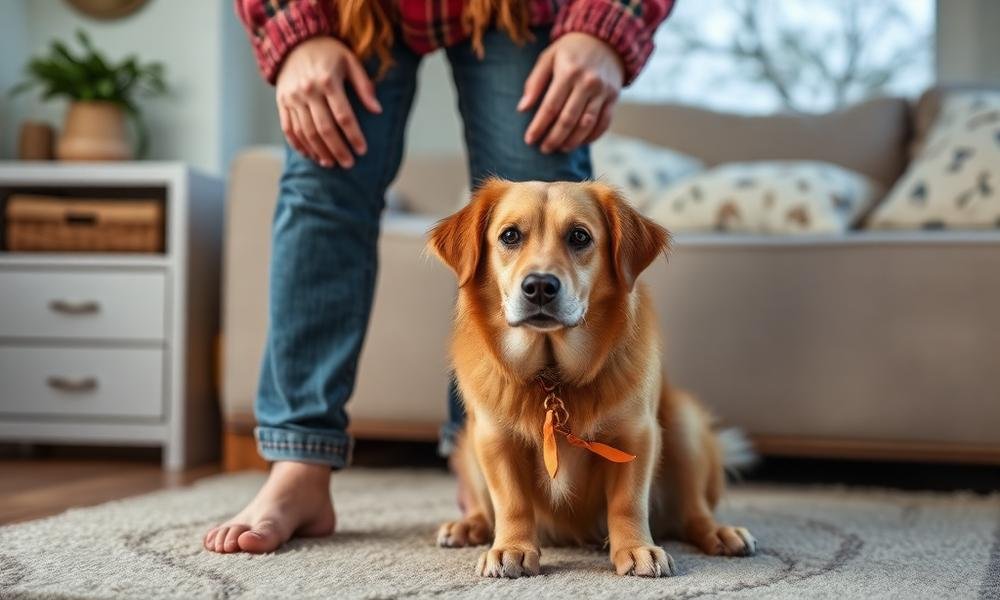
How Can I Prevent Front Leg Limping in My Dog?
Prevention focuses on maintaining a healthy weight, providing appropriate exercise, and protecting your dog's paws. Obesity is a major risk factor for joint problems — even 5–10 pounds of excess weight can significantly increase stress on front legs. Feed a balanced diet and avoid overfeeding treats. For large breed puppies, controlled growth is critical to prevent developmental orthopedic diseases; avoid high calorie puppy foods that promote rapid growth.
Condition your dog gradually for activities like hiking or running. Sudden increases in exercise intensity or duration are a common cause of sprains. Protect paw pads from hot pavement, ice, and sharp debris by using dog booties when necessary. Regular nail trims prevent broken nails and abnormal gait patterns that can lead to joint strain.
Key Prevention Tips
- Maintain a body condition score of 4–5 out of 9 (ideal weight).
- Provide at least 30 minutes of moderate exercise daily, but avoid high impact activities on hard surfaces.
- Use joint supplements preventatively for breeds prone to elbow dysplasia (Labradors, Rottweilers, Bernese Mountain Dogs).
- Keep nails trimmed short enough that they don't touch the ground when standing.
- Provide a supportive orthopedic bed for dogs over 5 years old to reduce joint stress during rest.
Pro Tip: For active dogs, consider adding 5–10 minutes of warm up walking before intense exercise like fetch or agility. Cold muscles are more prone to injury, and a proper warm up reduces the risk of sprains and strains by up to 40%, according to veterinary sports medicine specialists.
What Is the Role of Physical Therapy in Front Leg Lameness Recovery?
Veterinary physical therapy is increasingly used to speed recovery and restore function after front leg injuries. Modalities like therapeutic ultrasound, laser therapy, and hydrotherapy reduce inflammation and promote tissue healing without medications. For dogs recovering from elbow dysplasia surgery or fracture repair, physical therapy can shorten recovery time by 2–4 weeks when started early.
At home exercises like "sit-to-stand" repetitions, controlled walking on uneven surfaces, and gentle range-of motion stretches help rebuild muscle strength and joint flexibility. Work with a certified veterinary rehabilitation therapist to design a program specific to your dog's condition. Avoid forcing any movement that causes pain — therapy should be progressive but gentle.
Simple At Home Rehab Exercises
- Weight shifting: Gently lift the healthy front leg so your dog bears weight on the injured one for 5–10 seconds. Repeat 5 times, 2–3 times daily.
- Cavaletti poles: Place low poles on the ground and walk your dog over them to improve coordination and range of motion.
- Balance exercises: Have your dog stand on a soft cushion or balance disc for 15–30 seconds to engage stabilizing muscles.
Pro Tip: Always warm up the injured leg with 2–3 minutes of gentle massage before starting rehab exercises. This increases blood flow and reduces stiffness, making the exercises more effective and less uncomfortable for your dog.
Frequently Asked Questions
Can a dog limp on a front leg from a broken nail?
Yes, a broken or torn nail is one of the most common causes of sudden front leg limping. The nail may be partially detached, bleeding, or exposed to the quick. Trim the broken portion and keep the paw clean. If bleeding persists or signs of infection appear, see your vet.
Should I wrap my dog's leg if it's limping?
Only if instructed by a veterinarian. Improper wrapping can restrict blood flow, cause pressure sores, or worsen the injury. If you need to immobilize the leg for transport to the vet, use a soft bandage and keep it loose. Never apply a splint without professional guidance.
How long should I wait before taking my dog to the vet for a limp?
Wait 24–48 hours for mild limps that improve with rest. If the limp persists beyond 48 hours, is severe (non-weight-bearing), or is accompanied by swelling, pain, or lethargy, see a vet immediately. Puppies and senior dogs should be seen sooner due to higher risk of serious conditions.
Can a dog limp from arthritis in the front leg?
Yes, osteoarthritis commonly affects the elbow and shoulder joints, especially in older dogs. The limp may be worse after rest (stiffness) and improve slightly with movement. Arthritis is progressive, but weight management, joint supplements, and anti inflammatory medications can significantly improve quality of life.
Is it normal for a puppy to limp on a front leg?
Not normal, but common. Puppies can limp from injuries (falls, rough play), growing pains (panosteitis), or developmental conditions like elbow dysplasia or OCD. Any limp lasting more than 24 hours in a puppy should be evaluated by a vet, as early intervention improves outcomes for developmental diseases.
What does it mean if my dog is limping on front leg but not crying?
Dogs often hide pain as a survival instinct. A silent limp does not mean the injury is minor — it could indicate a chronic condition like arthritis or a low grade sprain. Monitor for other signs like reduced appetite, reluctance to jump, or changes in behavior. If the limp persists, a vet check is warranted.
Can I give my dog aspirin for limping?
No. Human aspirin can cause serious side effects in dogs, including stomach ulcers, kidney damage, and bleeding disorders. Only use medications prescribed by your veterinarian specifically for dogs. Safer alternatives include veterinary NSAIDs like carprofen or meloxicam, but these require a prescription.
How do vets diagnose the cause of a front leg limp?
Vets start with a physical exam, observing your dog's gait and palpating the leg for pain, swelling, or instability. X rays are the most common diagnostic tool to check for fractures, arthritis, or elbow dysplasia. For soft tissue injuries, ultrasound, CT, or MRI may be needed. Blood tests can rule out infections or inflammatory conditions.
For authoritative reference on canine health and care standards, the American Kennel Club (AKC) provides breed-specific guidance trusted by veterinary professionals. For health-related questions, PetMD offers veterinarian-reviewed information on symptoms and treatments.