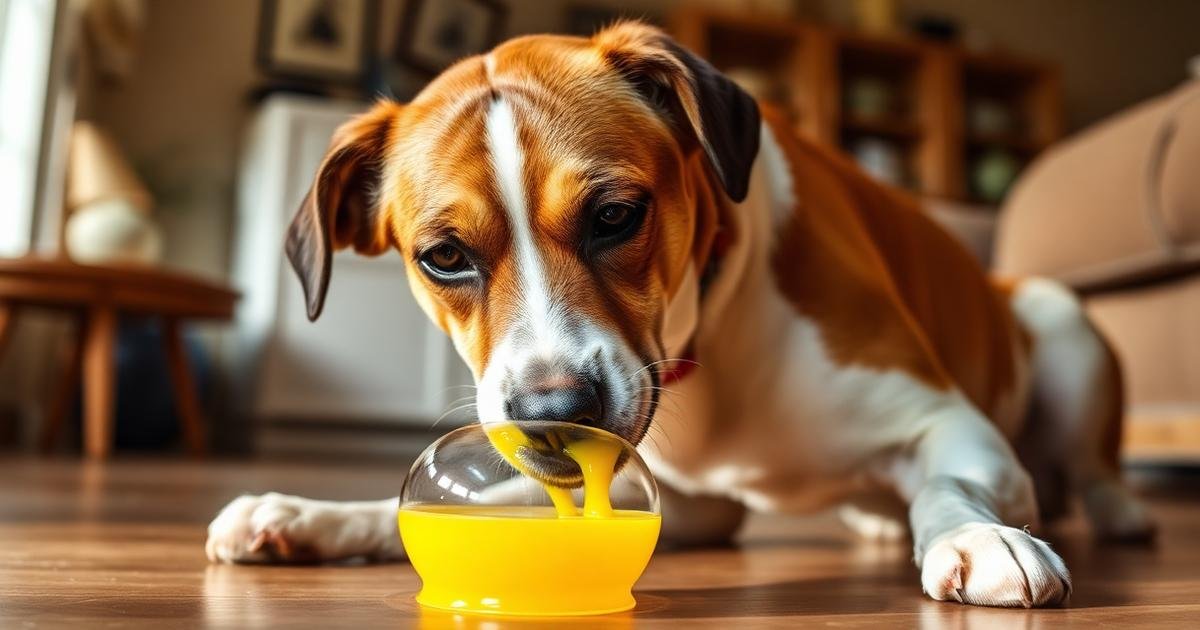
If your dog is vomiting yellow liquid, it typically indicates bile, which is produced in the liver and stored in the gallbladder. This often happens when a dog's stomach is empty, and the bile irritates the stomach lining, triggering the vomiting reflex. Understanding why dog vomiting yellow liquid occurs is the first step to addressing the underlying cause and ensuring your pet's health.
Why dog vomiting yellow liquid: Your dog is vomiting yellow liquid because their stomach is empty, causing bile to back up and irritate the stomach lining. This is called bilious vomiting syndrome, common in dogs who go 12+ hours without food. Feed smaller, more frequent meals and always give a late-night snack to prevent overnigh
Quick Answer: Why Is My Dog Throwing Up Yellow Bile?
Your dog is vomiting yellow liquid because their stomach is empty, causing bile to back up and irritate the stomach lining. This is called bilious vomiting syndrome, common in dogs who go 12+ hours without food. Feed smaller, more frequent meals and always give a late night snack to prevent overnight bile buildup. If resolved within 2–3 days, no vet visit is needed.
For a complete guide on this topic, see the Ultimate Guide To Dog Health.
What Does Yellow Vomit in Dogs Mean?
Yellow vomit is almost always bile, a digestive fluid produced by the liver. When a dog vomits yellow liquid, it signals that the stomach is empty and bile is irritating the stomach lining. This is distinct from vomiting food or clear liquid, which points to different issues.
Bile is normally released into the small intestine after eating. However, when the stomach is empty for extended periods—such as overnight or between meals—bile can reflux back into the stomach, causing irritation. The result is a yellow, foamy, or liquid vomit that may occur early in the morning or before a scheduled meal.
Pro Tip: If your dog vomits yellow liquid only once and then acts normal, it's often not an emergency. Monitor them closely for 24 hours. If it happens repeatedly or they show other symptoms, contact your veterinarian.
Is Yellow Vomit a Sign of a Serious Health Problem?
In many cases, a single episode of why dog vomiting yellow liquid is not serious and resolves with simple dietary adjustments. However, frequent or persistent vomiting can indicate underlying conditions that require veterinary attention. Distinguishing between a mild issue and a serious one depends on frequency, accompanying symptoms, and your dog's overall behavior.
Serious causes of yellow vomit include pancreatitis, kidney disease, liver disease, inflammatory bowel disease, or an intestinal blockage. These conditions often present with additional signs such as lethargy, loss of appetite, abdominal pain, diarrhea, or blood in the vomit. A dog who vomits yellow liquid but remains energetic and hungry is far less concerning than one who seems depressed or refuses food.
When to See a Vet Immediately
Seek emergency veterinary care if your dog vomits yellow liquid and also shows any of these signs: repeated vomiting within a few hours, suspected ingestion of a foreign object, blood in vomit (red or coffee ground appearance), severe lethargy, or inability to keep water down for more than 12 hours.
Pro Tip: Take a photo of the vomit before cleaning it up. The color, consistency, and presence of foam or blood provide valuable clues for your veterinarian. This can help narrow down the cause faster.
What Causes a Dog to Vomit Yellow Bile?
The most common reason for why dog vomiting yellow liquid is bilious vomiting syndrome, which occurs when a dog's stomach is empty for too long. This typically happens overnight or between meals, especially in dogs fed once daily. The bile accumulates and irritates the stomach, triggering the vomit reflex.
Other causes include dietary indiscretion—eating something that upsets the stomach, such as grass, garbage, or rich foods. Motion sickness during car rides can also lead to yellow vomit. In some dogs, stress or anxiety can disrupt digestion and cause bile reflux.
Medical Conditions That Cause Yellow Vomit
Several medical conditions may present with yellow vomit. Pancreatitis causes inflammation of the pancreas and often results in vomiting bile along with abdominal pain. Kidney disease can lead to nausea and vomiting as toxins build up in the bloodstream. Liver disease and gallbladder issues may directly affect bile production and flow. Intestinal parasites, especially in puppies, can also cause chronic bile vomiting.
According to the American Kennel Club (AKC), dogs with bilious vomiting syndrome typically vomit bile in the early morning or late evening when the stomach has been empty for 8–12 hours. The AKC recommends feeding a small meal before bedtime to prevent this condition.
Pro Tip: If your dog vomits yellow liquid consistently 1–2 hours after eating, the issue may be delayed gastric emptying rather than an empty stomach. This warrants a veterinary evaluation to rule out obstructions or motility disorders.
How Does Bilious Vomiting Syndrome Differ From Other Vomiting?
Bilious vomiting syndrome is specifically characterized by vomiting yellow bile on an empty stomach, typically early morning or late at night. This differs from vomiting caused by food intolerance, where vomit contains undigested food shortly after meals. Understanding this distinction helps determine whether the root cause is timing related or dietary.
Another key difference is that dogs with bilious vomiting syndrome often act normal between episodes—they eat, drink, and play normally. In contrast, dogs vomiting from infections or organ disease usually show consistent signs of illness, such as lethargy, fever, or appetite loss. If your dog vomits yellow liquid but perks up after eating a small snack, bilious vomiting syndrome is the likely culprit.
How to Differentiate at Home
Keep a simple log for 3–5 days. Note the time of each vomiting episode, what the vomit looks like (yellow, clear, foamy, food-filled), and your dog's behavior before and after. If vomiting occurs exclusively when the stomach has been empty for 8+ hours and resolves after eating, it strongly suggests bilious vomiting syndrome. If patterns are inconsistent or accompanied by other symptoms, a vet visit is warranted.
How Can I Treat Yellow Vomit at Home?
For a single episode of why dog vomiting yellow liquid with no other symptoms, home management is often sufficient. Start by withholding food for 12–24 hours to allow the stomach to settle, but make sure fresh water is always available. After the fasting period, offer a bland diet in small, frequent meals.
A bland diet consists of boiled white rice mixed with boiled, skinless chicken breast or plain cottage cheese. Feed 1–2 tablespoons every 2–3 hours for the first day, then gradually increase portion size and decrease frequency over 2–3 days. If your dog tolerates the bland diet well, slowly transition back to their regular food over another 2–3 days.
Preventing Future Episodes
To prevent recurrence, adjust your dog's feeding schedule. Feed smaller, more frequent meals throughout the day—at least 3 meals daily for small breeds, 2–3 for larger dogs. Always provide a small meal or healthy snack before bedtime to prevent overnight bile buildup. Puzzle toys or slow feeders can also help extend mealtime and reduce gulping.
Consider adding a digestible fiber source, such as canned pumpkin (plain, not pie filling) or psyllium husk, to your dog's meals. Fiber helps regulate digestion and can reduce bile reflux. Start with 1 teaspoon per 10 pounds of body weight, mixed into food once daily.
What Diagnostic Tests Will a Vet Perform?
If your dog's vomiting persists despite home management, your veterinarian will perform a thorough examination. The diagnostic process typically starts with a physical exam, checking for abdominal pain, dehydration, or masses. Blood work—including a complete blood count and chemistry panel—helps evaluate organ function and rule out kidney or liver disease.
Your vet may recommend additional tests such as abdominal X rays to check for foreign bodies or tumors, and ultrasound to visualize the pancreas, liver, and gallbladder. In some cases, a bile acids test is performed to assess liver function specifically. Fecal exams can identify intestinal parasites that may be contributing to chronic vomiting.
According to PetMD, dogs with frequent bilious vomiting syndrome may benefit from a trial of antacids or gastrointestinal protectants, such as famotidine or sucralfate, under veterinary guidance. These medications reduce stomach acid and protect the stomach lining from bile irritation.
Pro Tip: Keep a log of your dog's vomiting episodes—note the time of day, what was vomited, and any recent dietary changes or stressors. This information is invaluable for your vet and can speed up diagnosis by 24–48 hours.
Can Diet Change Stop Yellow Vomit?
Yes, dietary modification is often the most effective long term solution for why dog vomiting yellow liquid. For dogs with bilious vomiting syndrome, switching to a low-fat, highly digestible diet can significantly reduce episodes. Look for dog foods labeled "sensitive stomach" or "digestive care" that contain prebiotics and probiotics.
Feeding a diet with moderate protein and limited ingredients can also help identify food sensitivities that may contribute to bile reflux. Some dogs do well on a hydrolyzed protein diet, which uses proteins broken down into tiny particles that are less likely to trigger an immune response. Transition to any new food gradually over 7–10 days to avoid further digestive upset.
For dogs who vomit bile due to infrequent feeding, simply splitting their daily food into 3–4 smaller meals often resolves the problem entirely. Adding a small amount of plain yogurt or a veterinarian recommended probiotic supplement can further support digestive health.
What Role Does Hydration Play in Managing Yellow Vomit?
Proper hydration is critical when your dog is vomiting yellow liquid. Vomiting causes fluid loss, and dehydration can worsen nausea and create a vicious cycle. Offer small amounts of water—no more than 2–3 tablespoons—every 20–30 minutes after a vomiting episode to avoid triggering another event.
If your dog refuses water, try offering ice cubes to lick or unflavored Pedialyte in small doses. Electrolyte solutions can help replace lost minerals more effectively than plain water. For dogs who cannot keep any fluids down for 12 hours, subcutaneous fluids from a veterinarian may be necessary to prevent severe dehydration.
Signs of Dehydration to Watch For
Check for dehydration by gently lifting the skin at the back of your dog's neck. If it snaps back immediately, hydration is adequate. If it stays tented or returns slowly, your dog is dehydrated. Other signs include dry gums, sunken eyes, and reduced skin elasticity. Address dehydration promptly, as it can complicate recovery from vomiting.
Help your dog feel better faster with vet approved digestive health solutions.
Browse Dog Health Options →
Frequently Asked Questions
Can stress cause my dog to vomit yellow liquid?
Yes, stress and anxiety can disrupt normal digestion and lead to bile reflux. Dogs may vomit yellow liquid during thunderstorms, fireworks, boarding, or after major changes in routine. Reducing stress through calming aids, exercise, and predictable schedules can help.
Is it normal for puppies to vomit yellow bile?
Puppies can vomit yellow bile due to empty stomachs, but it is less common than in adult dogs. Puppies have faster metabolisms and need more frequent feeding. If a puppy vomits yellow liquid more than once, consult a vet to rule out parasites or infections.
What does it mean if my dog vomits yellow foam?
Yellow foam is bile mixed with air and saliva, indicating the stomach is empty. This is typical of bilious vomiting syndrome. The foam consistency often results from the stomach churning bile with mucus and air, creating a frothy appearance.
Should I give my dog water after vomiting yellow liquid?
Yes, offer small amounts of fresh water—no more than a few tablespoons at a time—every 30 minutes. Drinking too much too quickly can trigger another vomiting episode. If your dog cannot keep water down for 12 hours, seek veterinary care.
Can grass cause a dog to vomit yellow liquid?
Yes, eating grass can irritate the stomach and cause vomiting, often producing yellow bile. Dogs may eat grass to induce vomiting if they feel nauseous. While occasional grass eating is normal, persistent grass consumption paired with vomiting warrants investigation.
How long does bilious vomiting syndrome last?
With proper management—frequent small meals and a late night snack—bilious vomiting syndrome typically resolves within 2–3 days. Chronic cases may require ongoing dietary adjustments or medication. Most dogs improve significantly within 1 week of implementing a new feeding schedule.
Can kidney disease cause yellow vomit in dogs?
Yes, kidney disease causes toxin buildup in the blood, leading to nausea and vomiting of bile. This is often accompanied by increased thirst, frequent urination, weight loss, and bad breath. Blood work is necessary to diagnose kidney disease as the cause.
What home remedies stop a dog from vomiting yellow liquid?
The most effective home remedy is feeding a small, bland meal before bedtime to prevent an empty stomach overnight. Canned pumpkin (1 teaspoon per 10 pounds) can soothe the stomach. Ginger tea, cooled and given in small amounts, may also reduce nausea. Always consult your vet before trying new remedies.
For authoritative reference on canine health and care standards, the American Kennel Club (AKC) provides breed-specific guidance trusted by veterinary professionals. For health-related questions, PetMD offers veterinarian-reviewed information on symptoms and treatments.
Learn more in our detailed guide on why is my dog scratching all the time.