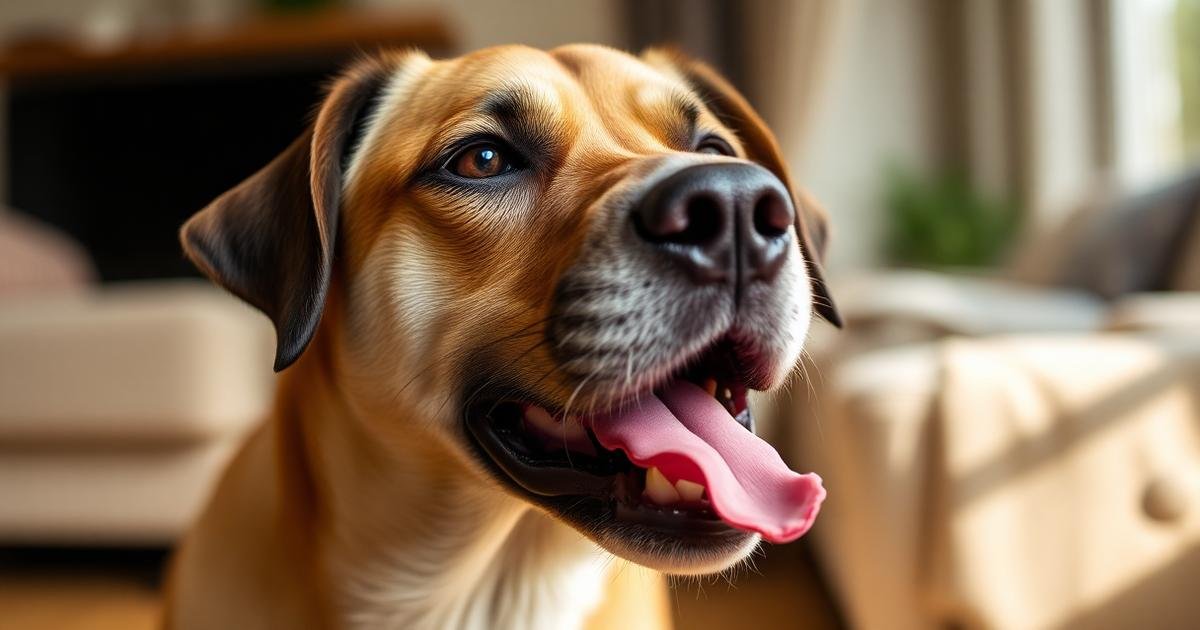
If your dog has bad breath, the most common cause is periodontal disease from plaque and tartar buildup, but it can also signal more serious health issues like kidney disease, diabetes, or gastrointestinal problems. Up to 80% of dogs show signs of dental disease by age 3, making this the primary culprit behind most cases of halitosis. Understanding the specific is the first step toward resolving the odor and protecting your pet's overall health.
Dog bad breath causes: The most common cause of dog bad breath is periodontal disease from plaque bacteria, but other causes include kidney disease (producing ammonia-like breath), diabetes (sweet or fruity odor), liver disease, oral tumors, or gastrointestinal issues. Fixing bad breath requires identifying the root cause
Quick Answer: What Causes Dog Bad Breath and How Do I Fix It?
The most common cause of dog bad breath is periodontal disease from plaque bacteria, but other causes include kidney disease (producing ammonia like breath), diabetes (sweet or fruity odor), liver disease, oral tumors, or gastrointestinal issues. Fixing bad breath requires identifying the root cause through a veterinary exam, then implementing daily tooth brushing, dental chews, and professional cleanings as needed.
For a complete guide on this topic, see the Ultimate Guide To Dog Health.

Why Does My Dog's Breath Smell So Bad All of a Sudden?
Sudden onset of bad breath is particularly concerning because it often indicates an acute medical condition rather than gradual dental disease. If you notice a dramatic change in your dog's breath odor within 24-48 hours, schedule a veterinary appointment promptly.
For many homes, the right dog bad breath causes choice is the one that stays reliable under ordinary daily conditions.
A sudden ammonia or urine like smell often points to kidney disease, where waste products accumulate in the bloodstream and are exhaled through the lungs. Similarly, a sweet or fruity breath odor can signal diabetic ketoacidosis, a life threatening complication of diabetes that requires immediate emergency care.
A well matched dog bad breath causes option should support the pet clearly without making the routine harder to maintain.
Specific Odor Profiles and Their Medical Implications
A fishy or rotten meat smell, even if sudden, is most commonly caused by a dental abscess or oral infection that has ruptured. This type of odor typically comes with visible swelling, drooling, or reluctance to eat hard food.
If the breath smells like feces or garbage, consider whether your dog has eaten something rotten, consumed feces (coprophagia), or has a gastrointestinal obstruction. According to the American Kennel Club, dogs with chronic vomiting or diarrhea may also develop halitosis from stomach acid and bile reflux.
Pro Tip: Keep a log of when the bad breath started, what your dog ate in the previous 48 hours, and any other symptoms like vomiting, lethargy, or changes in drinking. This information helps your veterinarian narrow down the cause within minutes.
What Are the Most Common Dental Causes of Dog Bad Breath?
Dental disease is responsible for approximately 80-85% of all dog bad breath cases, making it the overwhelming primary cause. The process begins when plaque—a sticky film of bacteria, food particles, and saliva—hardens into tartar within 24-48 hours if not brushed away.
As tartar accumulates below the gumline, it causes gingivitis (gum inflammation), which then progresses to periodontitis. This infection destroys the tissues and bone supporting the teeth, creating pockets of bacteria that release foul smelling sulfur compounds—the source of the odor you smell.
How Periodontal Disease Develops Over Time
In the early stages, you may notice only mild bad breath and slightly red gums. Within 3-6 months without intervention, tartar becomes visible as yellow brown deposits on the back molars, and the breath odor intensifies significantly.
By the time periodontitis is established, the infection can cause tooth root abscesses, bone loss, and even oronasal fistulas (holes between the mouth and nasal cavity). At this stage, the breath odor is consistently foul, and your dog may show pain when eating or chewing.
Oral Tumors and Growths
While less common than dental disease, oral tumors—both benign and malignant—can produce bad breath due to tissue necrosis and secondary infection. Melanoma, squamous cell carcinoma, and fibrosarcoma are the most common oral tumors in dogs, typically occurring in older animals over 8-10 years.
These growths often appear as raised, irregular masses on the gums, tongue, or roof of the mouth. The breath from a necrotic tumor has a distinctively sweet, rotting odor that does not improve with dental cleaning. Any persistent oral mass warrants a biopsy, as early detection dramatically improves treatment outcomes.
Pro Tip: Lift your dog's lips weekly to inspect the gumline for redness, swelling, or tartar buildup. Catching gingivitis early means you can reverse it with 2-3 weeks of daily brushing, whereas advanced periodontitis requires professional veterinary dentistry.
Address your dog's bad breath at the source with vet approved dental care products and health solutions.
Browse Dog Health Options →

Can Internal Diseases Cause Dog Bad Breath?
Yes, systemic diseases are responsible for a significant minority of dog bad breath causes, and these cases are often more serious than dental issues. The breath acts as a window into your dog's internal health because volatile compounds from the bloodstream are exhaled through the lungs.
Veterinarians can often identify potential diseases just by the characteristic odor of the breath. For example, kidney disease produces a distinct ammonia or urine like smell because urea accumulates in the blood and is converted to ammonia in the saliva. Research suggests that up to 30% of dogs with chronic kidney disease present with halitosis as one of the earliest symptoms.
Diabetes and Ketoacidosis
Uncontrolled diabetes causes the body to break down fat for energy, producing ketones that give the breath a sweet, fruity, or nail-polish remover smell. This odor, combined with increased thirst, urination, and weight loss, strongly suggests diabetes mellitus.
If the breath suddenly becomes sweet and your dog is also vomiting, lethargic, or breathing rapidly, this may indicate diabetic ketoacidosis—a medical emergency requiring immediate veterinary intervention. The ASPCA notes that ketoacidosis can be fatal within 24-48 hours without treatment.
Liver Disease and Hepatic Encephalopathy
Liver disease produces a musty, sweet, or "mousy" breath odor caused by the accumulation of mercaptans and other sulfur compounds that the liver normally detoxifies. This condition, called fetor hepaticus, is often accompanied by yellowing of the gums and skin (jaundice), vomiting, and behavioral changes.
When liver function drops below 70%, toxins like ammonia build up in the bloodstream and affect the brain, causing hepatic encephalopathy. Dogs with this condition may circle, press their head against walls, or seem disoriented. The breath change is often one of the first signs owners notice.
Pro Tip: If your dog's bad breath is accompanied by increased thirst, urination, weight loss, or vomiting, request bloodwork including kidney values (BUN, creatinine) and liver enzymes (ALT, ALP) to rule out systemic disease before focusing on dental treatment.
What Dietary and Behavioral Factors Contribute to Bad Breath?
Beyond medical conditions, several dietary and behavioral factors can cause or worsen dog bad breath. Dogs that eat low quality kibble with high carbohydrate content tend to produce more plaque because carbohydrates feed oral bacteria. Similarly, wet food sticks to teeth more readily than dry food, accelerating tartar formation.
Coprophagia—the habit of eating feces—is a common behavioral cause of halitosis. Dogs may eat their own stool, cat litter box contents, or wildlife droppings, introducing bacteria that produce foul smelling breath for 12-24 hours after ingestion. This behavior affects approximately 15-20% of dogs at some point in their lives.
Dietary Allergies and Gastrointestinal Issues
Food allergies or sensitivities can cause chronic gastrointestinal inflammation, leading to reflux of stomach contents into the mouth. This produces a sour, acidic breath odor that is distinct from dental disease. Common allergens include beef, chicken, dairy, and wheat.
Gastrointestinal conditions like inflammatory bowel disease (IBD), pancreatitis, or exocrine pancreatic insufficiency can also cause bad breath through malabsorption and fermentation of undigested food in the gut. Dogs with these conditions typically have additional symptoms like soft stool, gas, or weight loss despite a normal appetite.
Foreign Objects and Oral Trauma
Dogs that chew on sticks, bones, or toys may get foreign objects lodged between teeth, in the roof of the mouth, or along the gumline. These objects trap food and bacteria, creating a localized infection that produces intense bad breath within 24-48 hours.
Common offenders include grass seeds, small bone fragments, splinters, and pieces of rawhide. If the breath suddenly worsens after a chewing session, inspect the mouth with a flashlight for visible debris. Never attempt to remove deeply embedded objects yourself, as this can push them further into the tissue.

How Do I Treat Dog Bad Breath Based on the Cause?
The treatment for dog bad breath depends entirely on the underlying cause, which is why veterinary diagnosis is essential before starting any home remedies. Treating dental disease without addressing kidney disease, for example, will not resolve the breath odor and may delay critical medical care.
For dental related halitosis, the standard of care includes a professional veterinary dental cleaning under anesthesia, followed by daily tooth brushing. The Veterinary Oral Health Council (VOHC) recommends using enzymatic toothpaste designed for dogs, as human toothpaste contains xylitol, which is toxic to dogs.
Home Care for Mild Cases
For mild plaque and gingivitis, you can implement a home care routine that shows measurable improvement within 2-3 weeks. Brush your dog's teeth daily using a soft bristled finger brush or dog specific toothbrush, focusing on the outer surfaces of the upper molars where tartar accumulates most quickly.
Supplement brushing with VOHC approved dental chews, water additives containing chlorhexidine, and dental diets like Hill's Prescription Diet t/d or Royal Canin Dental. These products mechanically scrub teeth or chemically reduce bacterial growth, but they are supplements to brushing, not replacements.
Medical Treatment for Systemic Causes
If bloodwork reveals kidney disease, treatment focuses on managing the underlying condition through dietary phosphorus restriction, omega-3 fatty acids, and medications to control proteinuria. The breath odor typically improves within 2-4 weeks of starting appropriate therapy.
For diabetes, insulin therapy along with dietary management usually resolves the sweet breath odor within 1-2 weeks of achieving stable blood glucose levels. Liver disease requires a low protein diet, antioxidants like SAM-e, and medications to reduce ammonia production. In all cases, the bad breath serves as a useful monitoring tool—if it returns, the underlying condition may be worsening.
Frequently Asked Questions
Can dog bad breath be a sign of cancer?
Yes, oral tumors like melanoma or squamous cell carcinoma can cause bad breath due to tissue necrosis. The odor is typically sweet and rotting, and it does not improve with dental cleaning. Any persistent oral mass or ulcer that bleeds easily should be examined by a veterinarian.
Is it normal for puppies to have bad breath?
No, persistent bad breath in puppies is not normal. Puppies may have temporary mild odor during teething (4-6 months) as baby teeth loosen, but strong halitosis often indicates retained baby teeth, dental abnormalities, or foreign objects lodged in the mouth.
How often should I brush my dog's teeth to prevent bad breath?
Daily brushing is the gold standard recommended by veterinary dentists. Brushing 3-4 times per week is the minimum effective frequency to prevent plaque from mineralizing into tartar. Skipping more than 2 days allows plaque to harden within 24-48 hours.
Can diet change alone fix my dog's bad breath?
Diet change alone rarely resolves established bad breath, but it can help prevent recurrence. Switching to a high-quality, low carbohydrate diet with dental specific kibble reduces plaque formation. However, existing tartar requires professional cleaning or mechanical removal.
What does kidney disease breath smell like in dogs?
Kidney disease breath has a distinct ammonia or urine like odor because urea accumulates in the bloodstream and is converted to ammonia in the saliva. This smell is often described as "fishy" or "chemical" and is typically accompanied by increased thirst and urination.
Are dental chews effective for treating dog bad breath?
Dental chews are effective for reducing plaque by 10-20% when used daily, but they cannot remove existing tartar or treat advanced periodontal disease. Look for products with the VOHC Seal of Acceptance, which means they meet scientific standards for plaque reduction.
Can bad breath in dogs be contagious to humans?
The bacteria that cause periodontal disease in dogs are generally not transmissible to humans. However, dogs can transmit certain bacteria like Pasteurella or Capnocytophaga through bites or close contact, especially to immunocompromised individuals.
When should I take my dog to the vet for bad breath?
Take your dog to the vet immediately if bad breath appears suddenly, is accompanied by vomiting or lethargy, has a sweet or ammonia odor, or persists despite 2 weeks of daily tooth brushing. Annual dental exams are recommended for all dogs over 1 year old.
For authoritative reference on canine health and care standards, the American Kennel Club (AKC) provides breed-specific guidance trusted by veterinary professionals. For health-related questions, PetMD offers veterinarian-reviewed information on symptoms and treatments.