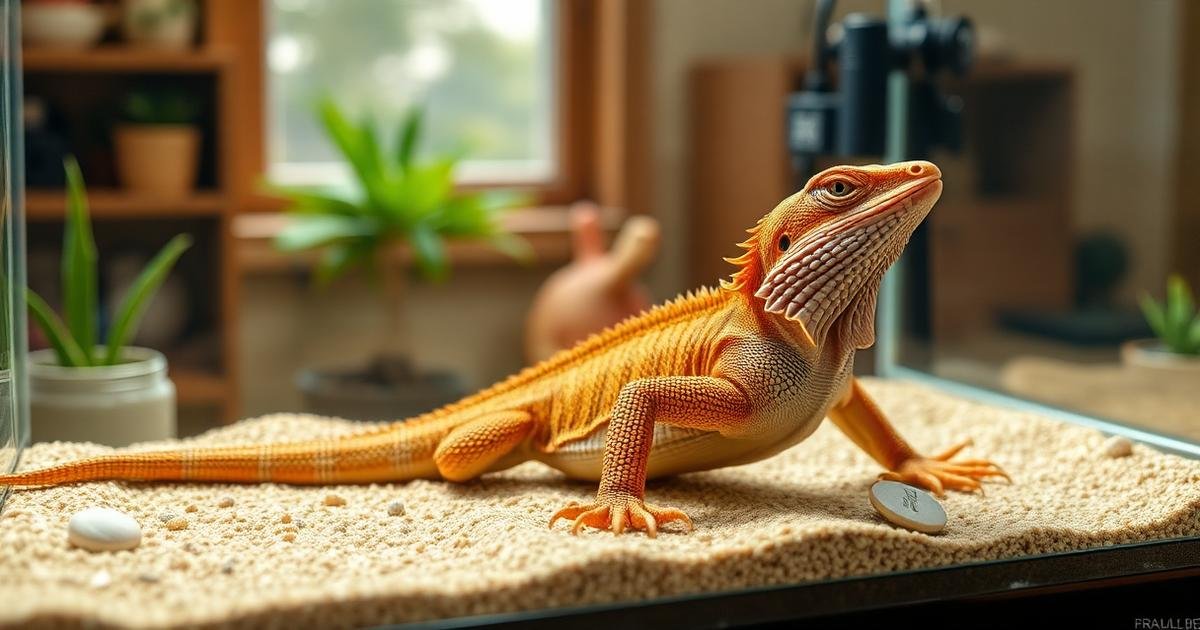
Setting up a bearded dragon tank is all about recreating their native Australian desert environment. You need the right tank size, UVB and heat lighting, a proper substrate, and a temperature gradient that lets your beardie thermoregulate. Get these core elements right, and your dragon will thrive. A well planned enclosure prevents common health issues like metabolic bone disease, respiratory infections, and chronic stress.
How to set up a bearded dragon tank: Start with a 120-gallon tank (4'x2'x2') for an adult. Install a UVB tube light covering ⅔ of the enclosure and a basking bulb creating a surface temperature of 100-110°F. Use slate tile or reptile carpet as substrate. Add a hide on the cool side, a basking log, and a shallow water dish. Let the tank
This how to set up a bearded dragon tank decision works best when the owner compares daily fit, tolerance, and practical consistency together.
Quick Answer: How to set up a bearded dragon tank?
Start with a 120-gallon tank (4'x2'x2') for an adult. Install a UVB tube light covering ⅔ of the enclosure and a basking bulb creating a surface temperature of 100-110°F. Use slate tile or reptile carpet as substrate. Add a hide on the cool side, a basking log, and a shallow water dish. Let the tank run for 24-48 hours to stabilize temperatures before adding your dragon.
For many homes, the right how to set up a bearded dragon tank choice is the one that stays reliable under ordinary daily conditions.
For a complete guide on this topic, see the Reptile Care Guide.
A well matched how to set up a bearded dragon tank option should support the pet clearly without making the routine harder to maintain.
What Size Tank Does a Bearded Dragon Need?
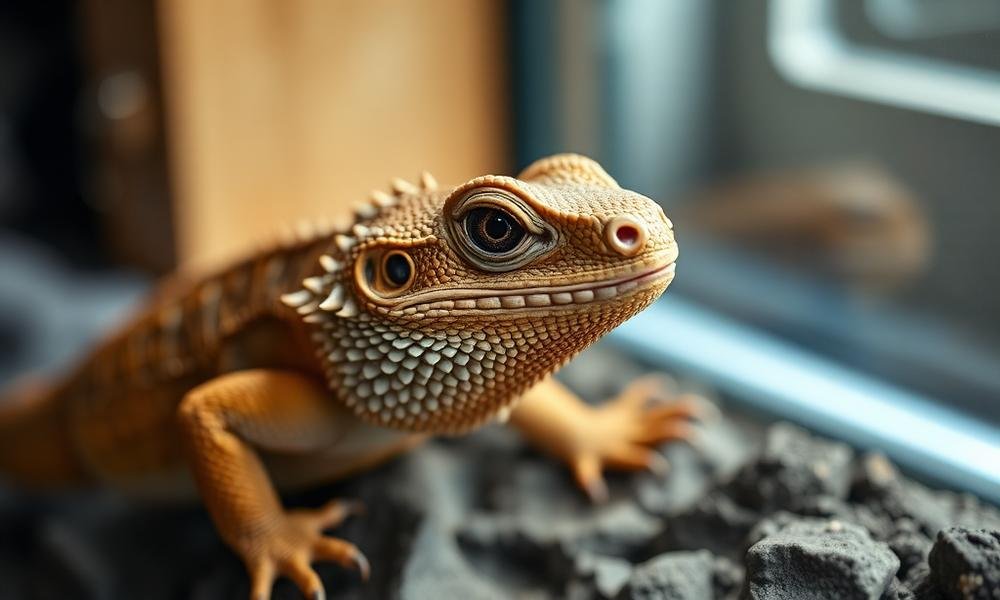
This is the most common mistake new owners make. A 20-gallon tank might work for a baby, but your bearded dragon will outgrow it within 4-6 months. The minimum for an adult is 120 gallons — that's 4 feet long, 2 feet wide, and 2 feet tall.
Most owners get better long term results when how to set up a bearded dragon tank is judged through routine use rather than a single product claim.
Bigger is always better. A 4x2x2 enclosure gives your dragon room to establish a proper temperature gradient, which is essential for digestion and overall health. Cramped tanks lead to stress, poor appetite, and even metabolic bone disease.
Babies under 6 months can start in a 40-gallon breeder tank. But plan your upgrade now. You'll save money buying the adult enclosure first and using dividers to shrink the space temporarily.
Pro Tip: Front opening enclosures are far better than top opening tanks. Bearded dragons see movement from above as a predator threat, which stresses them out. A front door makes handling less intimidating for your dragon.
What Lighting Does a Bearded Dragon Tank Need?
Lighting is non-negotiable. Bearded dragons need two separate lighting systems: UVB and heat. Without proper UVB, your dragon cannot synthesize vitamin D3, leading to metabolic bone disease — a painful, often fatal condition.
For UVB, use a linear tube light that spans at least ⅔ of the enclosure. The ReptiSun 10.0 T5 HO or Arcadia research suggests 12% are the gold standards. Replace the bulb every 6-12 months even if it still looks bright — UVB output drops before visible light does.
For heat, you need a basking bulb that creates a surface temperature of 100-110°F on the basking spot. Use a digital thermometer with a probe to measure this — stick on thermometers are notoriously inaccurate. The cool side should stay between 75-85°F.
Nighttime Heating
Drop temperatures at night to 65-75°F. Bearded dragons need this cooling period. If your home gets colder than 60°F, use a ceramic heat emitter (no light) on a thermostat. Red or blue "night bulbs" disrupt their sleep cycle — avoid them entirely.
UVB Placement
Mount the UVB tube inside the enclosure, not on top of a screen. Screens block up to 30-50% of UVB rays. The basking spot should be 6-8 inches from the UVB bulb for T5 HO fixtures, or 8-12 inches for T8 bulbs. Provide a shaded area where your dragon can escape the light.
Pro Tip: Use a timer for all lights. Set UVB and basking lights to run 12-14 hours daily. Consistent light cycles help regulate your dragon's appetite, activity, and brumation patterns. Your dragon will learn the schedule within a week.
What Substrate Should You Use in a Bearded Dragon Tank?
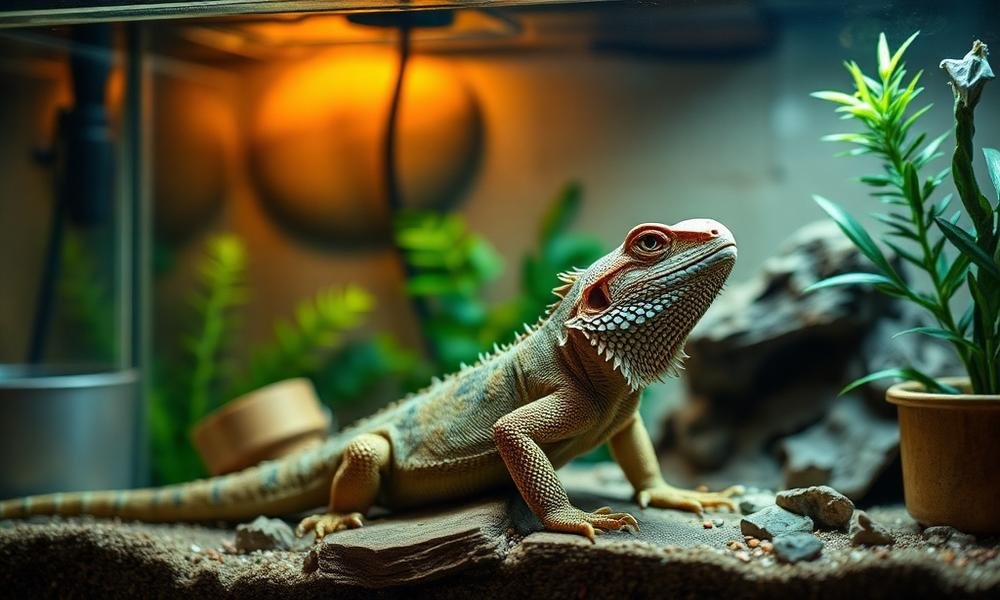
Substrate choices divide reptile owners. The safest option for beginners is slate tile or ceramic tile. It's easy to clean, holds heat well, and naturally files your dragon's nails. Reptile carpet is another good choice, but replace it when it gets frayed to prevent snagged claws.
Avoid loose substrates like sand, walnut shells, or wood shavings for dragons under 12 months. Baby bearded dragons are clumsy eaters and will ingest loose particles, causing impaction. Even adults on sand should be monitored closely.
Paper towels work perfectly for quarantine setups or sick dragons. They're sterile, cheap, and make spot cleaning fast. Just expect to change them every 2-3 days.
The Sand Debate
Many experienced keepers use a sand soil mix for adult dragons. The key is using calcium free sand (like Jurassic Sand or washed play sand) mixed 50:50 with organic topsoil. This allows digging behavior while being digestible if small amounts are ingested. Never use calcium sand — it encourages eating.
The ASPCA recommends against loose substrates for bearded dragons due to impaction risk. If you choose loose substrate, your husbandry must be perfect — correct temperatures, proper feeding practices, and regular monitoring.
How to Set Up the Temperature Gradient in a Bearded Dragon Tank
A temperature gradient means your tank has a hot side and a cool side. Your dragon moves between these zones to regulate their body temperature. Without a proper gradient, they cannot digest food or absorb nutrients.
On the hot side, the basking surface should reach 100-110°F. Use a flat rock or branch positioned 6-8 inches below the basking bulb. The ambient air on this side should be 88-95°F. The cool side should sit at 75-85°F.
Measure temperatures with a digital thermometer and probe. Place the probe directly on the basking spot. Use a temperature gun for spot checking different surfaces. Never trust dial thermometers — they can be off by 10-15 degrees.
| Temperature Zone | Target Range | How to Achieve |
|---|---|---|
| Basking surface | 100-110°F | Adjust bulb wattage or distance |
| Hot side ambient | 88-95°F | Secondary heat bulb if needed |
| Cool side ambient | 75-85°F | Distance from heat source |
| 65-75°F | Ceramic heat emitter on thermostat |
Pro Tip: Run your tank for 48 hours before adding your dragon. Check temperatures at different times of day. If your basking spot won't reach 100°F, you need a higher wattage bulb. If the cool side stays above 85°F, your tank is too small or your ventilation is poor.
What Decorations and Furniture Does a Bearded Dragon Tank Need?
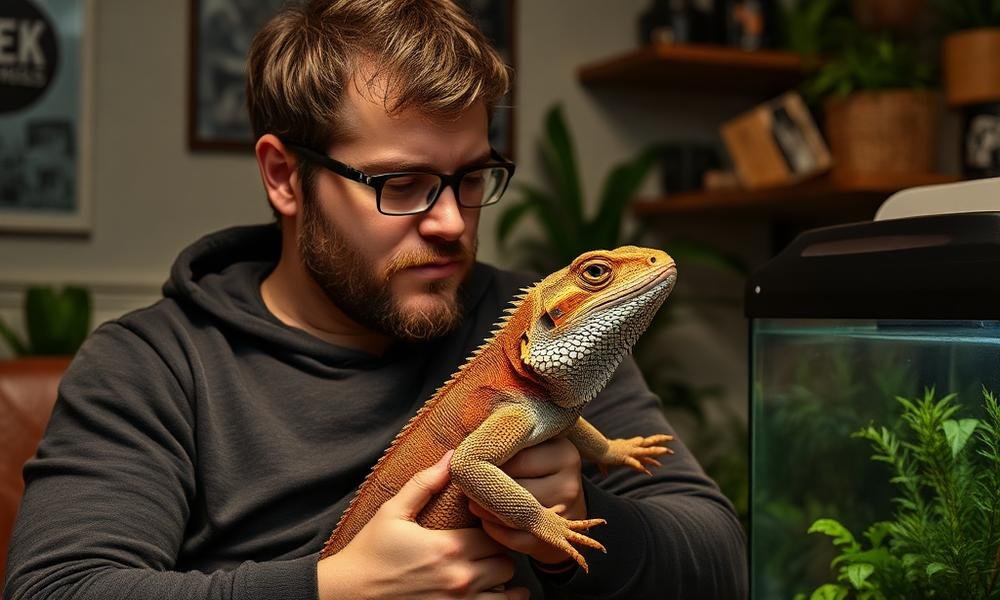
Your dragon needs three things in their tank: a place to bask, a place to hide, and a place to climb. The basking spot should be a flat rock or thick branch that holds heat. Slate, flagstone, or driftwood work well.
Provide at least one hide on the cool side. A half-log, a cave, or even an overturned terracotta pot works. Your dragon will use this to sleep, de-stress, and feel secure. Some dragons also use a hide on the hot side, but the cool side hide is essential.
Add climbing branches that span different heights. Bearded dragons are semi arboreal and enjoy perching. Ensure all decorations are stable — a falling branch can injure your dragon. Secure heavy items with aquarium safe silicone if needed.
Water and Food Dishes
Use a shallow water dish — no deeper than your dragon's chin. Bearded dragons rarely drink standing water, but they'll soak in it. Change the water daily and scrub the dish weekly to prevent bacteria growth.
For food, use a heavy ceramic bowl that won't tip. Place it on the cool side to keep greens fresher longer. Remove uneaten insects after 10-15 minutes to prevent them from biting your dragon.
Backgrounds and Visual Barriers
Cover three sides of the tank with a background or construction paper. This reduces stress by making your dragon feel enclosed rather than exposed. Leave the front clear for viewing.
Your dragon should see you approaching. Sudden appearances from above trigger their predator response. A background also helps maintain temperature by insulating the tank.
How to Set Up a Bearded Dragon Tank for a Baby vs. Adult
Baby bearded dragons (under 6 months) need different setup considerations. They're more prone to dehydration and need higher humidity — around 40-50% compared to 30-40% for adults. Misting the enclosure once daily helps.
Babies also need smaller, more frequent meals. Set up a feeding station with a shallow dish for greens and a separate area for insects. Use smaller decor — a baby can get lost in a 4-foot tank and struggle to find food.
For babies in large enclosures, use temporary dividers to create a smaller space. This helps them find their basking spot and food bowl. Remove the divider as they grow, usually around 6-8 months.
| Possible Cause | ||
|---|---|---|
| Dragon stays on cool side | Basking spot too hot | Check basking temp; reduce bulb wattage |
| Dragon never leaves basking spot | Cool side too cold | Raise ambient temp; check gradient |
| Dragon glass surfs | Tank too small or sees reflection | Upgrade tank; add background |
| Dragon not eating | Incorrect temperatures | Verify basking spot is 100-110°F |
What Humidity Level Should a Bearded Dragon Tank Maintain?
Humidity is often overlooked by new owners, but it directly impacts your dragon's respiratory health and shedding. The ideal range for adult bearded dragons is 30-40%. Babies need slightly higher at 40-50% to support proper hydration as they grow.
Use a digital hygrometer placed on the cool side of the enclosure. Analog gauges are unreliable and can be off by 10-20%. Check humidity at least once daily, especially during seasonal changes when your home's ambient moisture fluctuates.
If humidity stays above research suggests 50%, improve ventilation by adding more screen mesh or moving the water dish to the coolest corner. Persistent high humidity can cause scale rot and respiratory infections. If humidity drops below research suggests 20%, lightly mist the enclosure walls once or twice daily, or add a larger water dish to increase evaporation.
Pro Tip: Shedding problems often trace back to incorrect humidity. If your dragon has stuck shed on their toes or tail tip, bump humidity up to 40-45% for 3-5 days. A warm soak also helps loosen stubborn skin.
How to Choose the Right Location for Your Bearded Dragon Tank
Tank placement matters more than most owners realize. Avoid putting the enclosure in direct sunlight — this can overheat the tank and make temperature regulation impossible. Also avoid drafty areas near windows, doors, or air conditioning vents.
Place the tank in a low traffic room where your dragon won't be startled by constant movement. Living rooms and home offices work well. Bedrooms can work if the lights don't disrupt your sleep. Avoid kitchens due to temperature fluctuations and cooking fumes.
Elevate the tank on a sturdy stand so your dragon is at eye level or slightly below. This reduces their stress response to seeing you from above. Ensure the stand can support the weight — a 120-gallon tank with decor weighs 300-400 pounds.
Noise and Vibration Considerations
Bearded dragons are sensitive to vibrations. Avoid placing the tank near washing machines, dryers, loud speakers, or heavy foot traffic areas. Constant low frequency vibrations can cause chronic stress, leading to suppressed appetite and lethargy.
If your only available spot has some ambient noise, give your dragon 2-3 weeks to adjust. Most adapt well to consistent background sounds like television or conversation. Sudden loud noises are what truly stress them out.
Get your bearded dragon's habitat right from day one with the best reptile supplies.
Browse Reptile Options →
For broader reference and guidance, akc.org provides useful context on pet health and care decisions.
For broader reference and guidance, petmd.com provides useful context on pet health and care decisions.
Frequently Asked Questions
How often should I clean a bearded dragon tank?
Spot clean feces daily using a scoop or paper towel. Deep clean the entire tank once a month with a reptile safe disinfectant. Remove all decor, scrub surfaces, rinse thoroughly, and let everything dry before reassembling.
Can I use a heat rock in my bearded dragon tank?
No. Heat rocks are dangerous for bearded dragons. They can malfunction and burn your dragon's belly, which has fewer heat receptors than their back. Stick with overhead basking bulbs and ceramic heat emitters for safe, natural heating.
Do bearded dragons need a water bowl in their tank?
Yes, but don't expect them to drink from it. Bearded dragons get most of their hydration from fresh greens and baths. Still, provide a shallow water dish for soaking and emergencies. Change it daily to prevent bacterial growth.
How long does it take to set up a bearded dragon tank for the first time?
Physical setup takes 1-2 hours. But you need 24-48 hours to stabilize temperatures and humidity before adding your dragon. Rushing this step causes health problems. Plan your setup at least 2 days before bringing your dragon home.
What humidity level should a bearded dragon tank be?
For adult bearded dragons, keep humidity between 30-40%. Babies need slightly higher at 40-50%. Use a digital hygrometer to monitor. If humidity is too high, improve ventilation or move the water dish to the cool side. Too low? Mist the enclosure lightly.
Can two bearded dragons live in the same tank?
No. Bearded dragons are solitary and territorial. Housing two together leads to stress, resource guarding, and physical fights. One dragon will dominate the other, preventing them from eating or basking. Always house bearded dragons separately.
How often should I replace UVB bulbs in my bearded dragon tank?
Replace T5 HO UVB bulbs every 6-9 months and T8 bulbs every 6 months. UVB output decreases gradually even when the bulb still emits visible light. Mark your calendar with a reminder — your dragon depends on consistent UVB exposure for vitamin D3 synthesis.
Can I use a dimmer switch for my basking bulb?
Yes, but only with a dimming thermostat specifically designed for reptile bulbs. Standard household dimmers can damage the bulb or create fire hazards. A dimming thermostat lets you fine tune basking temperatures without swapping bulbs, which is especially useful during seasonal temperature changes.
Learn more in our detailed guide on how to feed a ball python.