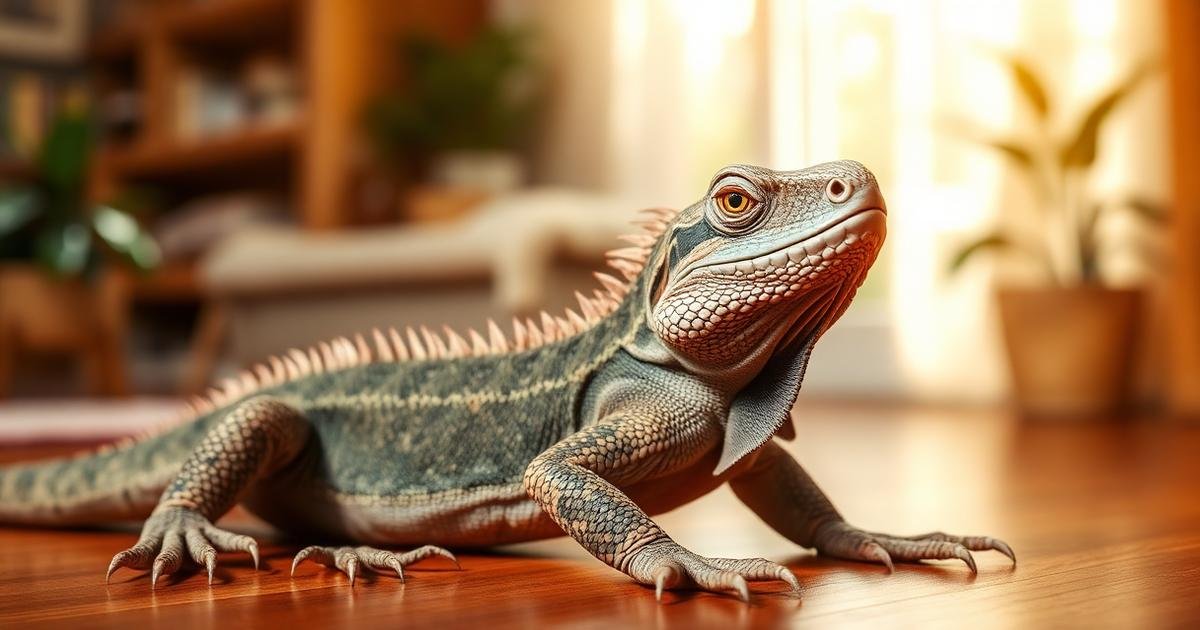
If you're asking yourself why is my lizard not moving, the answer often points to a temperature problem, illness, or natural behavior like brumation. A healthy lizard should be alert and responsive during its active hours. If your lizard is completely still, unresponsive, or hasn't moved in hours, this is a medical emergency requiring immediate veterinary attention.
Why is my lizard not moving: If your lizard is not moving, check the enclosure temperature first — most reptiles need a basking spot of 90-105°F and a cool side of 75-85°F. If temperatures are correct, look for signs of illness, injury, or brumation. A lizard that remains motionless for more than 24 hours needs an exotic vet vi
Quick Answer: Why is my lizard not moving?
If your lizard is not moving, check the enclosure temperature first — most reptiles need a basking spot of 90-105°F and a cool side of 75-85°F. If temperatures are correct, look for signs of illness, injury, or brumation. A lizard that remains motionless for more than 24 hours needs an exotic vet visit. Start by verifying your heat sources, then assess your lizard's breathing and responsiveness.
For a complete guide on this topic, see the Reptile Care Guide.
Is Your Lizard Brumating or Sick? How to Tell the Difference
The first thing you need to determine is whether your lizard is brumating (a natural hibernation like state) or genuinely ill. Brumation typically occurs in cooler months and lasts from 2-4 weeks for most species. During brumation, your lizard will still move slowly if disturbed and may drink water.
A sick lizard, however, will appear limp, have closed eyes, and show no response to gentle touch. According to the AVMA pet owner resources, any reptile that remains unresponsive for more than 12 hours requires emergency veterinary care.
Brumation is common in bearded dragons, leopard geckos, and some skinks. If your lizard is a tropical species like a crested gecko or green iguana, brumation is rare — lack of movement is more likely a health issue.
Pro Tip: Weigh your lizard weekly during brumation. A weight loss of more than 10% indicates a problem, not brumation. Healthy brumating lizards maintain their weight or lose very little.
What Temperature Should Your Lizard's Enclosure Be?
Temperature is the most common reason for a lizard to stop moving. Reptiles are ectothermic — they rely on external heat to power their metabolism. If your enclosure is too cold, your lizard physically cannot move normally.
For most diurnal lizards (bearded dragons, uromastyx, iguanas), you need a basking spot of 95-105°F and a cool side of 75-85°F. Nocturnal lizards like leopard geckos need a warm side of 88-92°F and a cool side of 75-80°F. Use a digital thermometer with a probe at both ends of the enclosure — not stick on dials, which are notoriously inaccurate.
If your why is my lizard not moving question started after a power outage or cold snap, check your temperatures immediately. A lizard exposed to temperatures below 65°F for more than 12 hours can develop respiratory infections or metabolic shutdown.
How to Fix Temperature Problems Fast
If your enclosure is too cold, add a ceramic heat emitter (CHE) — these produce heat without light, so they work 24/7. Increase basking bulb wattage by 25-50 watts if needed. For emergency warming, place a hand warmer wrapped in a towel near your lizard (never directly on them).
If the enclosure is too hot, your lizard may be overheated and unable to move. Temperatures above 110°F can cause heat stroke. Turn off heat sources, mist the enclosure with cool water, and offer fresh drinking water immediately.
Could Your Lizard Be Dehydrated or Starving?
Dehydration is a silent killer in reptiles. A lizard that hasn't had water in 3-5 days will become lethargic and stop moving. Signs of dehydration include sunken eyes, wrinkled skin that doesn't snap back when pinched, and sticky saliva.
Offer water by misting your lizard's face (many species drink droplets), providing a shallow water dish, or giving a warm soak (85-90°F water for 15-20 minutes). For severely dehydrated lizards, veterinarians recommend subcutaneous fluids — this is not a DIY procedure.
Starvation is also possible. Many pet owners mistakenly believe lizards can go weeks without eating. While some species can, a juvenile lizard needs food every 24-48 hours. If your why is my lizard not moving concern coincides with a 7-10 day fast, this is dangerous.
Pro Tip: Soak your lizard in shallow, lukewarm water (85-90°F) for 15 minutes. Most lizards will drink during soaking. If your lizard doesn't drink or move afterward, see a vet within 24 hours.
What Illnesses Cause a Lizard to Stop Moving?
Several serious illnesses can cause a lizard to become immobile. Metabolic bone disease (MBD) is common in lizards without proper UVB lighting. MBD causes weak bones, tremors, and paralysis. According to PetMD condition guides, MBD is reversible if caught early, but advanced cases are fatal.
Respiratory infections cause lethargy and difficulty breathing. Look for bubbles around the nose, open mouth breathing, or wheezing. Respiratory infections require antibiotic treatment from an exotic vet — they rarely resolve on their own.
Parasites, impaction (blockage from substrate or food), and organ failure can also cause immobility. If your lizard hasn't pooped in 5-7 days, impaction is likely. A warm bath and gentle belly massage can help, but severe cases need veterinary intervention.
When to Rush to the Vet
Take your lizard to an exotic vet immediately if you see any of these signs: bleeding from any opening, seizures or tremors, limp or floppy body, eyes that don't respond to light, or no movement for 24+ hours despite correct temperatures. These are life threatening emergencies.
How to Check If Your Lizard Is Actually Alive
It sounds extreme, but some lizards can appear dead when they're brumating. To check for life signs, gently touch your lizard's eye — a living lizard will blink or retract the eye. Check for breathing by watching the side of the body near the ribs for 2-3 minutes (reptiles breathe slowly).
If you see no movement at all for 5 minutes of observation, your lizard may be dead. Rigor mortis sets in 2-4 hours after death in reptiles. A stiff, cold body with open eyes and mouth is a clear sign of death.
If your why is my lizard not moving question has you worried about death, remember that a brumating lizard will still have a slow heartbeat. Place your thumb gently on the chest area — if you feel nothing for 30 seconds, seek emergency vet confirmation.
When Lack of Movement Is Normal Behavior
Not every still lizard is sick. Many lizards are ambush predators that sit motionless for hours waiting for prey. Bearded dragons often freeze when they see their reflection. Chameleons sway slowly rather than moving quickly. These are normal behaviors.
Nocturnal lizards like leopard geckos sleep during the day and are active at night. If you check your leopard gecko at noon and it's not moving, that's normal behavior — check again at midnight. Similarly, crested geckos are most active at dusk and dawn.
Stress from handling, new environments, or tank mates can also cause temporary immobility. A new lizard may not move for 3-5 days while acclimating. Provide hiding spots and leave your lizard alone during this period.
What to Do in the First 30 Minutes: An Emergency Action Plan
When you first notice your lizard isn't moving, follow this step-by step emergency protocol. Time is critical, and a systematic approach prevents panic driven mistakes. Start with the quickest checks first, then escalate based on your findings.
Step 1: Check Breathing and Responsiveness (0-2 minutes)
Place your hand gently on your lizard's side to feel for breathing. Watch for chest movement for 30 seconds. Gently touch the eyelid — a blink response indicates life. If you detect breathing and blinking, move to Step 2. If there's no breathing for 2 minutes, your lizard may be dead or in critical distress.
Step 2: Measure Enclosure Temperatures (2-5 minutes)
Use a digital probe thermometer to check both the basking spot and cool side. If the basking spot is below 85°F for a diurnal lizard or below 80°F for a nocturnal lizard, you've likely found your problem. If temperatures are correct, move to Step 3.
Step 3: Check for Visible Injuries or Impaction (5-10 minutes)
Look for swelling, wounds, or blood on your lizard's body. Gently palpate the belly — a hard, distended abdomen suggests impaction. Check the vent area for dried feces or signs of blockage. If you find any of these, contact your vet immediately.
Step 4: Offer Water and Warmth (10-15 minutes)
If no obvious injury exists, offer a shallow warm bath (85-90°F) for 15 minutes. Mist your lizard's face with water. If your lizard drinks or begins to move, continue monitoring for 24 hours. If there's no improvement within 30 minutes of warming and hydration, call your vet.
Step 5: Document and Call the Vet (15-30 minutes)
Take a photo of your enclosure setup, note the temperatures you measured, and write down when you last saw your lizard move. Call an exotic veterinarian and describe your findings. Having this information ready speeds up the diagnosis process significantly.
Pro Tip: Keep a reptile emergency kit ready with a digital thermometer, a heat pack, a spray bottle, and your exotic vet's phone number. Store it near your enclosure so you don't waste time searching during an emergency.
How to Prevent Immobility Issues in the Future
Prevention is far easier than treatment when it comes to reptile health. Establish a daily checklist that takes less than 5 minutes but catches problems before they become emergencies. Consistency is the key to keeping your lizard active and healthy.
Daily Maintenance Checklist
| Task | What to Look For | Action If Abnormal |
|---|---|---|
| Check basking temp | 90-105°F (diurnal) or 88-92°F (nocturnal) | Adjust bulb wattage or replace bulb |
| Check cool side temp | 75-85°F | Add or remove heat source |
| Observe activity | Lizard moves within 10 minutes of lights on | Check for illness or stress |
| Offer fresh water | Lizard drinks or shows interest | Mist face or offer soak |
| Check for feces | Normal consistency, present every 1-3 days | Warm bath if no poop for 5+ days |
Weekly Maintenance Tasks
Once a week, weigh your lizard and record the number. A sudden drop of 5-10% body weight signals a problem. Replace UVB bulbs every 6-12 months (they lose output before they burn out). Clean the water dish thoroughly and check for mold or bacteria buildup in the enclosure.
Seasonal Considerations
During winter, monitor your home's ambient temperature closely. Heating systems can dry out enclosures, so increase misting frequency. In summer, watch for overheating — never place your lizard's enclosure in direct sunlight through a window, as this can create deadly temperatures above 120°F within minutes.
Frequently Asked Questions
How long can a lizard go without moving before it's an emergency?
If your lizard hasn't moved at all for 24 hours despite correct temperatures and hydration, see a vet immediately. For brumating lizards, check for movement every 2-3 days — if they haven't shifted position in 5 days, consult a vet.
Can a lizard recover from not moving due to cold temperatures?
Yes, if caught early. Warm your lizard gradually over 2-3 hours to their species specific basking temperature. Most lizards recover within 24-48 hours. Prolonged cold exposure (over 48 hours) can cause permanent organ damage.
Why is my bearded dragon not moving but still breathing?
This often indicates brumation, illness, or incorrect temperatures. Check your basking spot (should be 100-105°F) and cool side (80-85°F). If temperatures are correct and your dragon isn't moving for 12+ hours, see a vet for parasite testing and blood work.
Why is my leopard gecko not moving at night?
Leopard geckos should be active at night. If your gecko isn't moving during their active hours, check temperatures (warm side 88-92°F), check for stuck shed on toes or tail, and look for signs of impaction. A vet visit is recommended within 48 hours.
Can stress cause a lizard to stop moving?
Yes. New environments, loud noises, frequent handling, or aggressive tank mates can cause stress induced immobility. Provide 2-3 hiding spots, reduce handling to once daily for 5 minutes, and cover three sides of the enclosure. Most lizards recover within 3-7 days.
What does a dead lizard look like compared to a brumating one?
A dead lizard will be stiff (rigor mortis), have open eyes that don't blink, and show no breathing for 5+ minutes. A brumating lizard will still blink, breathe slowly (1-3 breaths per minute), and feel slightly warm if the enclosure is properly heated.
Should I force feed a lizard that isn't moving?
Never force feed a lizard that isn't moving. Force feeding can cause aspiration pneumonia or further stress. Address the underlying cause first — correct temperatures, offer water, and consult a vet. Only a veterinarian should decide if assisted feeding is necessary.
How do I find an exotic veterinarian near me?
Search the Association of Reptilian and Amphibian Veterinarians (ARAV) directory online, or call local veterinary clinics and ask if they treat reptiles. Not all general vets have exotic experience. Have a backup clinic identified before an emergency strikes.
Ensure your reptile has the right habitat setup — proper heating, lighting, and humidity are essential for activity and health.
Browse Reptile Options →