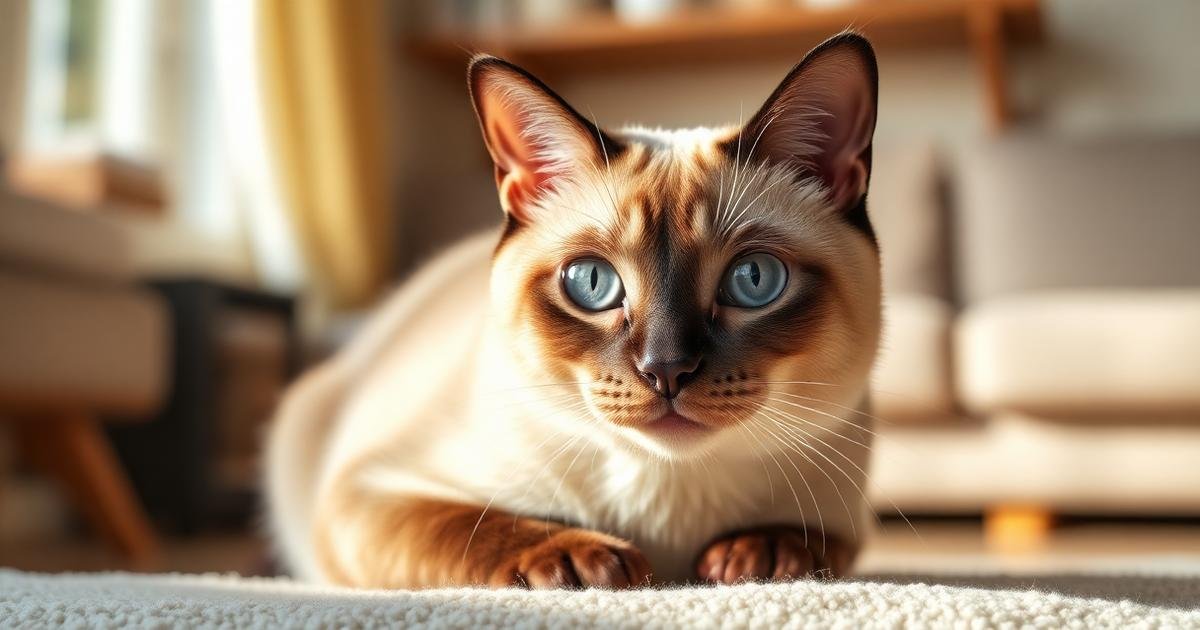
Welcome to the PetWorldly Siamese cat breed guide. If you're looking for a feline companion that combines striking beauty with an intense, people oriented personality, the Siamese is your cat. This ancient breed is known for its distinctive color point coat, vivid blue eyes, and a voice that will make sure you never forget they're in charge — they are highly social, vocal, and demand your attention every single day. Understanding what you're signing up for is the difference between a joyful partnership and a frustrating mismatch, so let's dive deep into everything this remarkable breed offers.
Siamese cat breed guide: The Siamese cat is a medium-sized, short-haired breed with a distinctive color-point coat (darker on the ears, face, paws, and tail) and vivid blue almond-shaped eyes. They are one of the most vocal and people-oriented cat breeds, requiring at least 30–45 minutes of interactive play daily and thrivi
Quick Answer: What makes the Siamese cat breed unique?
The Siamese cat is a medium-sized, short haired breed with a distinctive color point coat (darker on the ears, face, paws, and tail) and vivid blue almond shaped eyes. They are one of the most vocal and people oriented cat breeds, requiring at least 30–45 minutes of interactive play daily and thriving on constant human companionship. If you want a quiet, independent lap cat, look elsewhere. If you want a chatty, shadow like best friend who will talk back and follow you everywhere, the Siamese is your perfect match.
For a complete overview of all cat breeds, see the Complete Cat Breed Guide.
This Siamese cat breed guide decision works best when the owner compares daily fit, tolerance, and practical consistency together.
What is the history and origin of the Siamese cat?
The Siamese cat hails from Thailand (formerly Siam), where they were revered as temple cats and companions to royalty. Historical manuscripts from the 14th century, like the "Tamra Maew" (Cat Book Poems), depict cats with the classic color point pattern, proving this breed is ancient. These cats were so cherished that they were believed to carry the souls of deceased royalty into the afterlife.
For many homes, the right Siamese cat breed guide choice is the one that stays reliable under ordinary daily conditions.
They first arrived in the Western world in the late 1800s, when the King of Siam gifted a pair to a British diplomat. The breed quickly captivated cat fanciers in England and the United States, becoming a staple in cat shows by the early 20th century. Their exotic appearance and bold personality made them an instant sensation among Victorian era cat enthusiasts.
A well matched Siamese cat breed guide option should support the pet clearly without making the routine harder to maintain.
Today's Siamese are sleeker and more angular than their original "apple-headed" ancestors. The modern show Siamese has a wedge shaped head, while the traditional or "Thai" Siamese retains a rounder, more moderate appearance. Both types share the same core personality traits — the vocal, demanding, loving nature is consistent across both lines.
Most owners get better long term results when Siamese cat breed guide is judged through routine use rather than a single product claim.
Pro Tip: If you're looking for a calmer, less extreme version of the breed, seek out a breeder specializing in "traditional" or "apple-headed" Siamese. They have the same vocal, loving personality but with a softer, rounder face and a slightly less angular body structure.
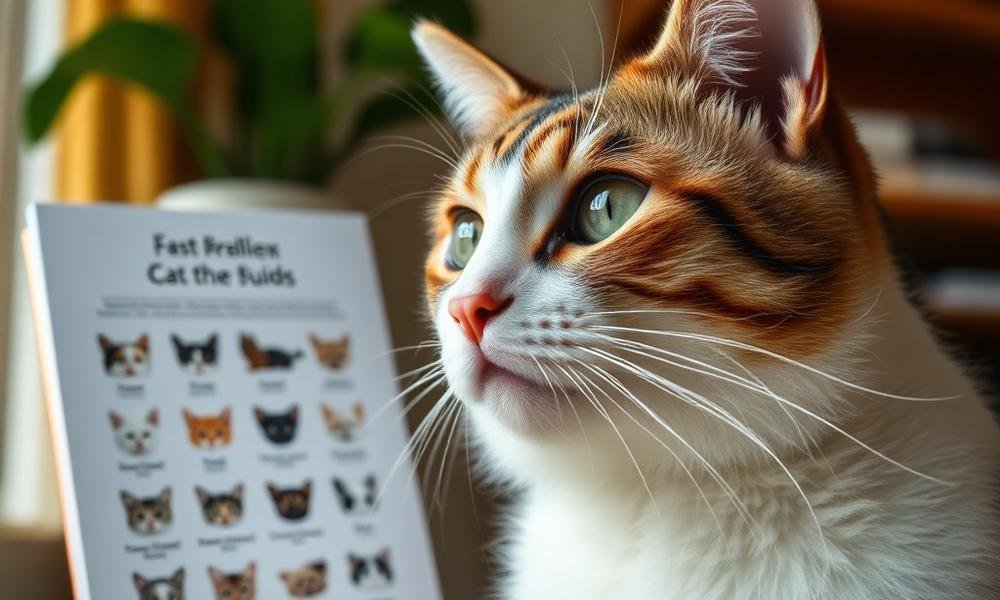
What does a Siamese cat look like? Understanding their appearance
The Siamese is a medium-sized, muscular cat with a long, elegant body and a fine boned structure. Their short, glossy coat lies close to the body and requires minimal grooming — a weekly wipe down with a damp cloth is usually sufficient. Their lithe, athletic build makes them excellent jumpers and climbers, so vertical space is a must in your home.
The defining feature is the color point pattern. This is a form of partial albinism caused by a temperature sensitive enzyme. The pigment develops only on cooler areas of the body — the ears, face, paws, and tail. Kittens are born pure white and develop their points within the first few weeks of life, with full color intensity reached by 1–2 years of age.
Common point colors recognized by the
Their eyes are always a vivid, deep sapphire blue — a hallmark of the breed. The shape is almond-like, set at a slight slant, contributing to their expressive, almost human like gaze. No other breed has this exact eye color and shape combination.
What is the Siamese cat personality like? Are they good family pets?
The Siamese is famously one of the most vocal and demanding cat breeds. They are not shy about telling you exactly what they want, when they want it. Expect a loud, raspy voice that sounds almost like a human baby crying — and yes, they will use it at 5 AM for breakfast. This is not a breed for light sleepers or people who value silence.
These cats are intensely people-oriented. They form deep bonds with their owners and often follow them from room to room. They dislike being left alone for long periods and can develop separation anxiety, leading to destructive behaviors like excessive meowing or inappropriate scratching. If you work 8-hour days, a Siamese is not a good solo pet.
Siamese cats are highly intelligent and playful. They enjoy puzzle toys, fetch, and learning tricks. They are generally good with children and other pets, provided they are properly socialized from kittenhood. However, their sensitive nature means they do best in a calm, predictable home environment. Loud arguments or frequent household chaos will stress them out.
Pro Tip: If you work long hours, consider getting two Siamese cats or a Siamese paired with another active breed. They will keep each other company and burn off energy together, reducing the risk of behavioral issues like destructive scratching or excessive vocalization.
According to the
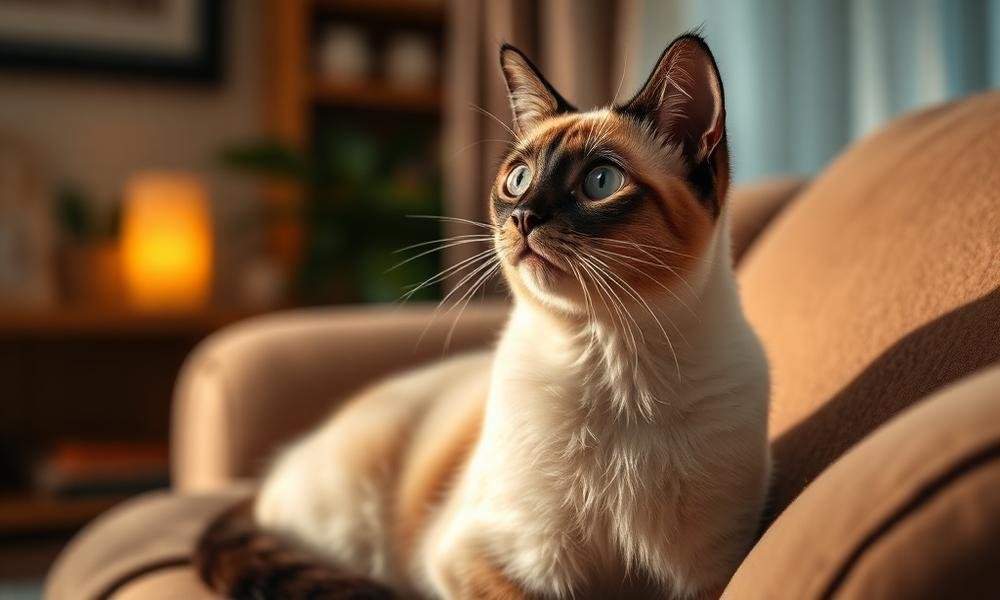
How do I care for a Siamese cat? A complete care checklist
Caring for a Siamese cat is straightforward but requires commitment. Their short coat needs minimal grooming — a weekly brush or wipe down is enough. However, they are prone to dental issues, so daily tooth brushing is highly recommended. Start brushing from kittenhood to make it a normal routine.
Diet is crucial. Feed a high-quality, protein rich cat food. Siamese cats are active and have fast metabolisms, so they need a diet that supports lean muscle mass. Avoid overfeeding, as they can gain weight if sedentary. A mix of wet and dry food is ideal for hydration and dental health — wet food provides moisture, while dry food helps scrape plaque.
Exercise and mental stimulation are non-negotiable. Provide at least 30–45 minutes of interactive play daily. Cat trees, puzzle feeders, and window perches are excellent additions. They also enjoy learning tricks — clicker training works wonderfully with this breed. A tired Siamese is a happy Siamese.
Ready to spoil your Siamese with the best toys and gear?
Browse Cat Products →
Health concerns specific to Siamese cats
While generally healthy, Siamese cats are predisposed to certain conditions. Progressive retinal atrophy (PRA) is a genetic eye disorder that can lead to blindness.
They are prone to
Veterinarians generally recommend annual health screenings for Siamese cats, including eye exams and blood work. Early detection of these conditions can significantly improve outcomes. For more details on specific conditions, refer to the PetMD condition guides.
How do I train and socialize a Siamese cat?
Training a Siamese is easier than most breeds because of their intelligence and eagerness to please. They respond exceptionally well to positive reinforcement — treats, praise, and play. Use clicker training for tricks like sit, high-five, or fetch. Sessions should be 5–10 minutes, 2–3 times daily.
Socialization is equally important. Expose your Siamese kitten to various people, sounds, and environments between 2–7 weeks of age. This prevents fearfulness and aggression later in life. Invite friends over, play different types of music, and introduce them to vacuum cleaners and doorbells gradually.
Litter box training is usually instinctive for Siamese, but they are fastidious about cleanliness. Scoop daily and change litter weekly. If your Siamese stops using the box, it's often a sign of stress or a medical issue — not stubbornness. Address the root cause immediately.
Pro Tip: Siamese cats are natural escape artists. They can learn to open cabinet doors and even lever style doorknobs. Childproof locks on cabinets and secure window screens are a wise investment for this clever breed.
How do I choose a Siamese cat? Breeder vs. rescue
Your first decision is whether to buy from a breeder or adopt from a rescue. Reputable breeders will provide health clearances for PRA and amyloidosis, and will socialize kittens from birth. Expect to pay between $600 and $1,500 for a purebred Siamese kitten. Avoid breeders who cannot show you the parents or the living environment.
Rescue is a wonderful option. Many purebred Siamese cats end up in shelters due to owners underestimating their vocal and social needs. Organizations like Siamese Cat Rescue Center or local shelters often have adults and kittens available. Adoption fees are typically $50–$200, and the cat is usually already spayed/neutered and vaccinated.
Whichever route you choose, meet the cat or kitten in person. Look for bright eyes, a clean coat, and a confident, curious demeanor. A healthy Siamese should approach you, not hide. Avoid any cat that seems lethargic, has discharge from eyes or nose, or shows signs of fear aggression.
Pro Tip: When visiting a breeder, ask to see the kitten's parents. Healthy, well socialized parent cats are a strong indicator of good breeding practices. Also, request proof of genetic testing for PRA and amyloidosis — responsible breeders will gladly provide this.
Decision tree: Is a Siamese cat right for you?
| Your lifestyle | Best match? | Why |
|---|---|---|
| You work from home or are home most of the day | Yes | Siamese need constant companionship. They will be your shadow. |
| You have a quiet, calm household | Yes | They thrive in predictable environments. Loud, chaotic homes stress them. |
| You want a quiet, independent cat | No | Siamese are loud and demanding. They will not be ignored. |
| You are away for 8+ hours daily | Not alone | Get two cats or a different breed. They suffer from separation anxiety. |
| You have other pets or children | Yes, with socialization | They are generally good if introduced properly and slowly. |
| You live in a small apartment | Yes, with enrichment | They adapt well to small spaces if you provide vertical climbing areas and daily play. |
What is the cost of owning a Siamese cat?
The initial cost of a Siamese kitten from a reputable breeder ranges from $600 to $1,500. Adoption fees are much lower at $50–$200. But the ongoing costs are where the real commitment lies. Budget for high quality cat food at $30–$60 per month, depending on the brand and whether you feed wet, dry, or a mix.
Veterinary care is a significant expense. Annual checkups, vaccinations, and dental cleanings run $200–$500 per year. Pet insurance is highly recommended for Siamese cats, given their predisposition to genetic conditions. Expect $20–$40 per month for a good policy that covers hereditary issues.
Other costs include litter ($15–$30 monthly), toys and scratching posts ($50–$100 initial setup, then $20–$40 monthly for replacements), and potential boarding or pet sitting if you travel. Over a 15–20 year lifespan, you're looking at $15,000–$25,000 total. This is not a cheap breed to own.
Pro Tip: Invest in pet insurance during the first year of your Siamese's life, before any pre existing conditions develop. Look for policies that specifically cover hereditary conditions like PRA and amyloidosis, which are common in this breed.
Frequently Asked Questions
Are Siamese cats hypoallergenic?
No, Siamese cats are not hypoallergenic. While they produce less of the Fel d 1 protein than some breeds, they still shed dander and saliva. No cat breed is completely hypoallergenic. If you have allergies, spend time with a Siamese before committing — a few hours in a breeder's home will tell you everything.
How long do Siamese cats live?
Siamese cats have a long lifespan, typically living 15–20 years with proper care. Many reach their late teens or early twenties. Regular veterinary checkups, a high quality diet, and a stress free environment are key to maximizing their longevity. Some have been known to live past 25 years.
Do Siamese cats get along with dogs?
Yes, Siamese cats generally get along well with dogs, especially if introduced gradually and from a young age. Their confident, playful nature means they often initiate play with dog friendly breeds. However, always supervise initial interactions and give the cat an escape route — a tall cat tree works perfectly.
Why do Siamese cats meow so much?
Siamese cats are genetically predisposed to be vocal. They use their loud, distinctive meow to communicate with their owners about everything — hunger, boredom, loneliness, or simply to say hello. This is not a sign of distress; it is their primary way of interacting with you. Ignoring them will only make them louder.
Do Siamese cats shed a lot?
Siamese cats shed very little due to their short, fine coat. A weekly wipe down with a damp cloth or a gentle brushing with a rubber grooming mitt is usually enough to remove loose hair. They are considered a low shedding breed, but they still shed some dander. If you're allergic to dander, this breed won't solve that problem.
Are male or female Siamese cats better?
Both sexes make wonderful companions, but there are subtle differences. Males tend to be more affectionate and playful, while females are often more independent and reserved. Both are equally vocal and social. Spaying or neutering is essential to reduce unwanted behaviors like spraying or roaming, and should be done by 6 months of age.
Can Siamese cats be left alone during the day?
Siamese cats should not be left alone for more than 4–6 hours at a time. They are prone to separation anxiety and destructive behaviors when isolated. If you work full-time, get a second cat or consider a pet sitter who can visit midday. A lonely Siamese is a loud, destructive Siamese.
What is the difference between a Siamese and a Thai cat?
The Thai cat is the original, traditional version of the Siamese breed, often called "apple-headed" Siamese. They have a rounder, more moderate head shape and a stockier body compared to the modern show Siamese with its extreme wedge shaped head. Both share the same vocal, loving personality and color point pattern.
For broader reference and guidance, akc.org provides useful context on pet health and care decisions.
Check out our complete overview of Sphynx cat breed guide for more information.
Check out our complete overview of Abyssinian cat breed guide for more information.