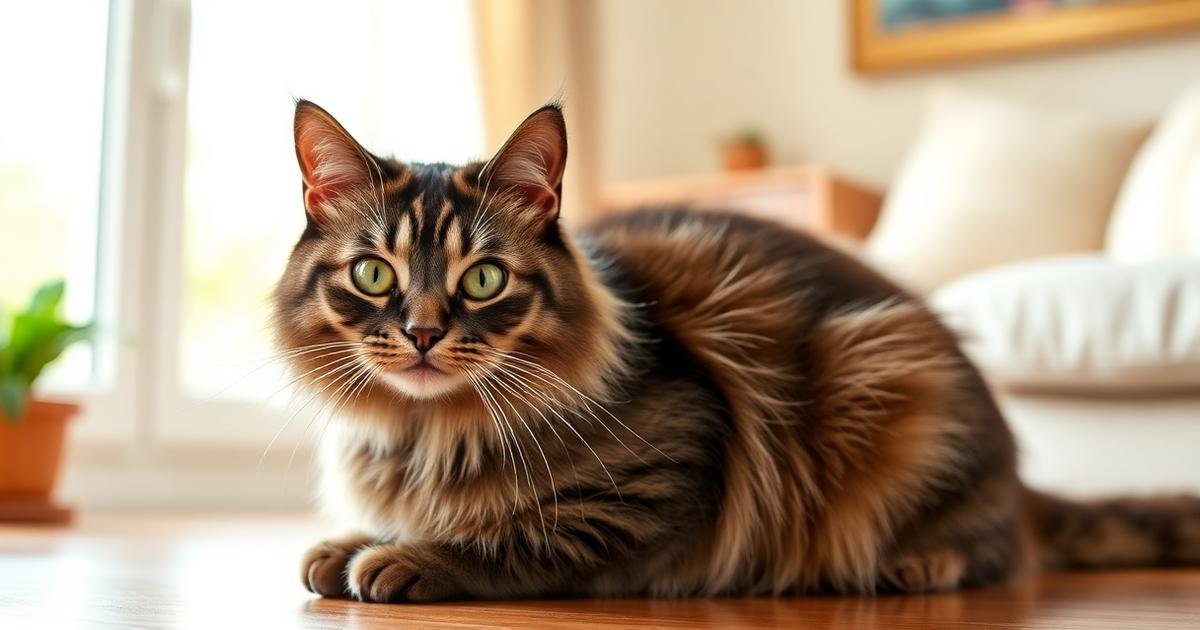
Choosing the right feline companion starts with understanding breed traits, not just looks. This cat breed guide will help you match your lifestyle, home environment, and personality to a cat that will thrive with you for the next 15–20 years. Whether you want a lap cat, a playful climber, or a quiet companion, the right breed makes all the difference.
Cat breed guide: Start by evaluating your daily routine, home size, and energy level. Low-maintenance breeds like Persians suit quiet homes, while active breeds like Bengals need 45–60 minutes of play daily. Allergies? Consider Siberian or Sphynx cats. Families with kids often do well with Ragdolls or Maine Coons. A
Quick Answer: How do I choose the right cat breed for my lifestyle?
Start by evaluating your daily routine, home size, and energy level. Low maintenance breeds like Persians suit quiet homes, while active breeds like Bengals need 45–60 minutes of play daily. Allergies? Consider Siberian or Sphynx cats. Families with kids often do well with Ragdolls or Maine Coons. Always meet the breed in person before deciding.
For a complete guide on this topic, see the Complete Cat Breed Guide.
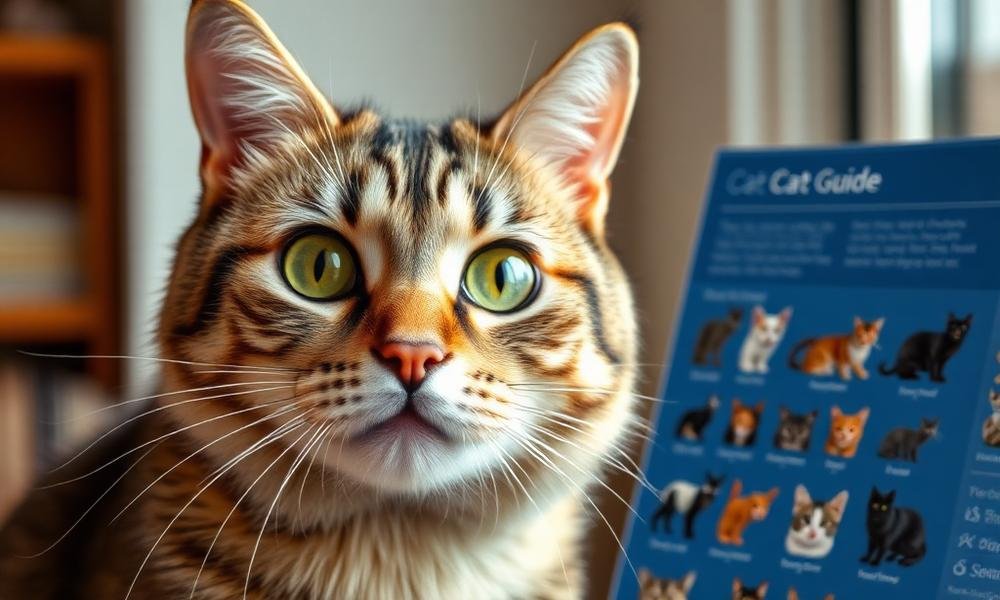
Why breed matters more than you think
Many first time owners pick a cat based on coat color or a cute photo. That approach often leads to frustration. Breed influences temperament, activity level, grooming needs, and even health predispositions.
The American Veterinary Medical Association notes that purebred cats have predictable traits developed over generations of selective breeding. Mixed breeds can be wonderful too, but their behaviors are less predictable. This cat breed guide helps you understand those differences so you can make an informed choice.
A Persian cat needs daily brushing and prefers calm environments. A Bengal requires puzzle toys and climbing structures. A Sphynx needs weekly baths due to skin oil buildup. Matching breed needs to your capacity prevents rehoming later.
Pro Tip: Spend at least 30 minutes observing a breed at a breeder's home or shelter before committing. Watch how they interact with people, other pets, and new environments. This real world observation beats any online description.
What are the main cat breed categories?
Cat breeds generally fall into three categories based on coat length and care needs. Each category has distinct personality trends worth knowing.
Long haired breeds
Persians, Maine Coons, and Ragdolls fall here. They require brushing 3–4 times weekly to prevent mats. Maine Coons are gentle giants, often dog like in loyalty, and need 30–45 minutes of interactive play daily. Ragdolls go limp when held and are excellent for families with children.
Persians are the most laid-back, often content with 15 minutes of play. Their flat faces can cause breathing issues, so avoid them if you live in hot climates. According to PetMD, brachycephalic breeds like Persians need careful temperature management: PetMD's guide on flat faced cat breeds offers more details.
Short haired breeds
British Shorthairs, American Shorthairs, and Siamese cats are low-grooming (weekly brushing). British Shorthairs are independent and good for busy owners. Siamese cats are vocal and demand attention — they do poorly if left alone 8+ hours daily.
American Shorthairs are adaptable and healthy, often living 15–20 years. They need about 20 minutes of play daily and tolerate children well. This cat breed guide recommends them for first time owners who want a balanced, low drama pet.
Hairless and hypoallergenic breeds
Sphynx, Devon Rex, and Cornish Rex cats produce less Fel d 1 protein, the primary allergen. No cat is truly hypoallergenic, but these breeds trigger fewer reactions in many people. Sphynx cats need weekly baths and skin care. Devon Rex cats have short, wavy coats and are highly social — they follow you from room to room.
The Siberian breed also produces lower allergen levels despite having a full coat. A 2017 study published in The Journal of Allergy and Clinical Immunology confirmed that some Siberian cats have naturally lower Fel d 1 production. If allergies are a concern, spend 1–2 hours with the breed before adopting.
Pro Tip: If you have mild allergies, try the "bedroom test." Spend 30 minutes in a room with the cat, then leave for 10 minutes. If symptoms don't worsen significantly, you can likely manage with air purifiers and regular grooming.
How much daily exercise does each breed really need?
This is where most owners get blindsided. A breed's energy level directly affects your daily routine, furniture safety, and the cat's overall happiness.
Low energy breeds like Persians, Exotic Shorthairs, and Ragdolls need only 10–15 minutes of structured play per day. They're content with a few wand toys and window watching. These cats rarely climb curtains or knock items off shelves.
Medium energy breeds like American Shorthairs, British Shorthairs, and Burmese cats need 20–30 minutes of play split into two sessions. Morning and evening works well. They enjoy puzzle feeders and cat trees but don't require constant stimulation.
High energy breeds like Bengals, Abyssinians, and Savannahs demand 45–60 minutes of vigorous play daily. Without it, they develop destructive behaviors — chewing cords, scratching furniture, and yowling at night. You'll need interactive toys, climbing walls, and possibly a cat wheel. The AKC's training resources offer enrichment ideas that apply to high energy cats: AKC training guides.
If you work 9–5, consider adopting two cats of similar energy levels. They'll entertain each other and reduce your guilt. Just be honest with yourself — a Bengal in a studio apartment with an owner gone 10 hours daily is a recipe for disaster.
Pro Tip: Use a timer during play sessions. High energy breeds need at least two 20-minute sessions daily. If your cat is still panting after play, extend the session by 5 minutes. A tired cat is a well behaved cat.
What health issues are common in specific breeds?
Knowing breed specific health risks helps you prepare financially and emotionally. Some conditions require lifelong medication or surgery.
Persians and Exotic Shorthairs are prone to polycystic kidney disease (PKD). Responsible breeders screen for this using ultrasound. Brachycephalic airway syndrome affects their breathing — avoid these breeds if you live in humid climates.
Maine Coons commonly develop hypertrophic cardiomyopathy (HCM), a thickening of the heart muscle. Ask breeders for echocardiogram results from the parents. Regular vet checkups with heart monitoring are essential. According to PetMD, HCM affects up to research suggests 30% of Maine Coons: PetMD's HCM guide for cats.
Siamese cats are prone to dental issues and progressive retinal atrophy. Brush their teeth weekly and schedule annual dental cleanings. They also tend to develop asthma and bronchial disease.
Bengals and Savannahs can have digestive sensitivities — they often need grain free or limited ingredient diets. Joint issues like hip dysplasia appear in larger breeds like Maine Coons. Sphynx cats are prone to skin infections and sunburn; they need indoor living and regular baths.
Mixed breed cats generally have fewer genetic health problems. This cat breed guide recommends considering a mixed breed if you want lower veterinary costs over the cat's lifetime. Always budget $500–$1,000 annually for routine care plus $2,000–$5,000 for emergencies.
Which breeds suit different living situations?
Your home size and household composition matter as much as breed preference. A breed that thrives in a studio apartment may become destructive in a house with stairs, and vice versa.
Apartment living
Choose breeds that don't need extensive territory. Ragdolls, British Shorthairs, and Persians do well in small spaces. Avoid Bengals, Savannahs, and Abyssinians — they need room to run and climb. The ASPCA recommends vertical space (cat trees, shelves) for apartment cats: ASPCA's cat enrichment guide has good ideas.
You can make any apartment work with 15–20 minutes of structured play twice daily. Puzzle feeders and window perches help. This cat breed guide suggests starting with a low energy breed if you work long hours.
Homes with children
Ragdolls, Maine Coons, and American Shorthairs tolerate handling well. Avoid skittish breeds like the Russian Blue or Korat if you have toddlers. Teach children to pet gently and never disturb a sleeping cat.
Maine Coons are particularly patient — they'll tolerate being carried around by gentle children. Ragdolls rarely scratch or bite. Always supervise interactions between young children and any cat breed.
Multi pet households
Some breeds are more social with other pets. Ragdolls, Maine Coons, and Burmese cats typically get along with dogs. Abyssinians and Siamese cats can be territorial. Introduce new pets slowly over 2–3 weeks using scent swapping and separate spaces.
The Cornell Feline Health Center recommends using Feliway diffusers during introductions to reduce stress. This applies to any breed you're bringing home.
How do I find a reputable breeder or adoption source?
Once you've identified a breed, finding a responsible source is critical. Bad breeders produce cats with health and behavioral problems.
For purebred cats, look for breeders registered with the Cat Fanciers' Association (CFA) or The International Cat Association (TICA). Ask to see health testing results for common breed specific issues — hip dysplasia in Maine Coons, polycystic kidney disease in Persians, hypertrophic cardiomyopathy in Ragdolls.
Reputable breeders let you visit, show you the kitten's parents, and ask about your home setup. They'll also take the cat back if it doesn't work out. Avoid anyone who sells kittens younger than 12 weeks old.
Adoption is a wonderful option for many breeds. Shelters often have purebred cats surrendered through no fault of their own. Use Petfinder's breed filter to search. This cat breed guide encourages you to check shelters first — you might find your perfect match waiting.
Pro Tip: Ask the breeder or shelter for a 2-week trial period. Most reputable sources offer this. It gives you time to see if the breed's energy level and personality truly fit your home.
Decision tree: Which cat breed matches your lifestyle?
| Your situation | Best breed choice | Why |
|---|---|---|
| Live alone, work from home | Siamese, Burmese, Sphynx | High social needs, love constant company |
| Busy professional, out 8–10 hours | British Shorthair, Persian, Russian Blue | Independent, low play requirements |
| Family with young children | Ragdoll, Maine Coon, American Shorthair | Patient, tolerant, rarely aggressive |
| Allergies in household | Siberian, Devon Rex, Sphynx | Lower Fel d 1 production |
| Small apartment | Ragdoll, British Shorthair, Persian | Low energy, content in small spaces |
| Active owner, want interactive cat | Bengal, Abyssinian, Ocicat | High energy, loves play and climbing |
| Senior owner, quiet home | Persian, Ragdoll, Exotic Shorthair | Calm, low activity, affectionate |
How do I prepare my home for a specific breed?
Your home setup should match your chosen breed's needs before the cat arrives. Preparation prevents stress for both of you.
For high energy breeds like Bengals and Abyssinians, install wall mounted shelves and cat trees at least 5 feet high. They need vertical escape routes and climbing opportunities. Secure heavy furniture to walls — these cats jump hard and can tip things over.
For long haired breeds like Persians and Maine Coons, set up a grooming station with a metal comb, slicker brush, and mat splitter. Place it in a quiet room. Start grooming sessions at 2–3 minutes daily, gradually increasing to 10 minutes. This builds tolerance before mats form.
For hairless breeds like Sphynx, prepare a warm bed with heated pads (low setting) and soft blankets. They get cold easily. Stock up on hypoallergenic cat wipes and gentle shampoo for weekly baths. Keep your home temperature above 70°F.
For all breeds, set up a safe room with food, water, litter box, and hiding spots. Keep the cat confined here for the first 3–5 days. Gradually allow access to the rest of the home. This slow introduction reduces anxiety and helps the cat adjust within 1–2 weeks.
Pro Tip: Set up a camera in the safe room to monitor your new cat's behavior without being present. Watch for hiding, eating, and litter box use. If the cat hasn't eaten within 24 hours, consult your veterinarian.
Find the perfect supplies for your chosen breed — from grooming tools to climbing towers
Browse Cat Products →
Frequently Asked Questions
What is the best cat breed for first time owners?
American Shorthairs and Ragdolls are excellent for beginners. American Shorthairs are adaptable, healthy, and need minimal grooming. Ragdolls are gentle and forgiving. Both breeds have predictable temperaments and moderate exercise needs — about 20 minutes of play daily.
Which cat breed lives the longest?
Mixed breed cats often live 15–20 years, but among purebreds, Siamese and Burmese cats regularly reach 18–22 years. The world record for oldest cat (38 years) was a mixed breed. Regular veterinary care and indoor living matter more than breed for lifespan.
Are male or female cats better for families?
Personality matters more than gender. Males tend to be more affectionate and playful, while females are often more independent. However, individual variation within breeds is huge. Spayed/neutered cats of either sex make wonderful family pets. Meet the specific cat, not the gender.
What is the most hypoallergenic cat breed?
Siberian cats produce the lowest levels of Fel d 1 protein among purebreds, followed by Sphynx and Devon Rex. No cat is research suggests 100% hypoallergenic. Spend 1–2 hours with the breed before adopting. Air purifiers and weekly grooming help reduce allergens significantly.
How much does a purebred cat cost?
Prices range from $800–$3,000 depending on breed, breeder reputation, and location. Rare breeds like Savannahs or Bengals cost more. Adoption fees for purebred cats in shelters run $50–$200. Factor in $500–$1,000 annual costs for food, litter, and veterinary care.
Can I keep two cats of different breeds together?
Yes, but introduce them slowly over 2–3 weeks. Choose breeds with similar energy levels — a hyperactive Bengal may stress a laid back Persian. Opposite sex pairs usually bond better. Use separate food bowls, litter boxes, and sleeping areas during the introduction period.
Which breed sheds the least?
Sphynx, Devon Rex, and Cornish Rex cats shed very little due to their short or absent coats. Siberian cats shed moderately but produce less allergen. Regular brushing reduces loose hair for any breed. No cat is completely shed-free.
How do I know if a breed is right for my climate?
Avoid brachycephalic breeds like Persians and Exotic Shorthairs in hot, humid climates — they overheat easily. Sphynx cats need warm indoor temperatures above 70°F. Maine Coons and Siberian cats handle cold well. Match your local weather to the breed's natural coat and face structure.
For a complete overview, see our Complete Cat Breed Guide.