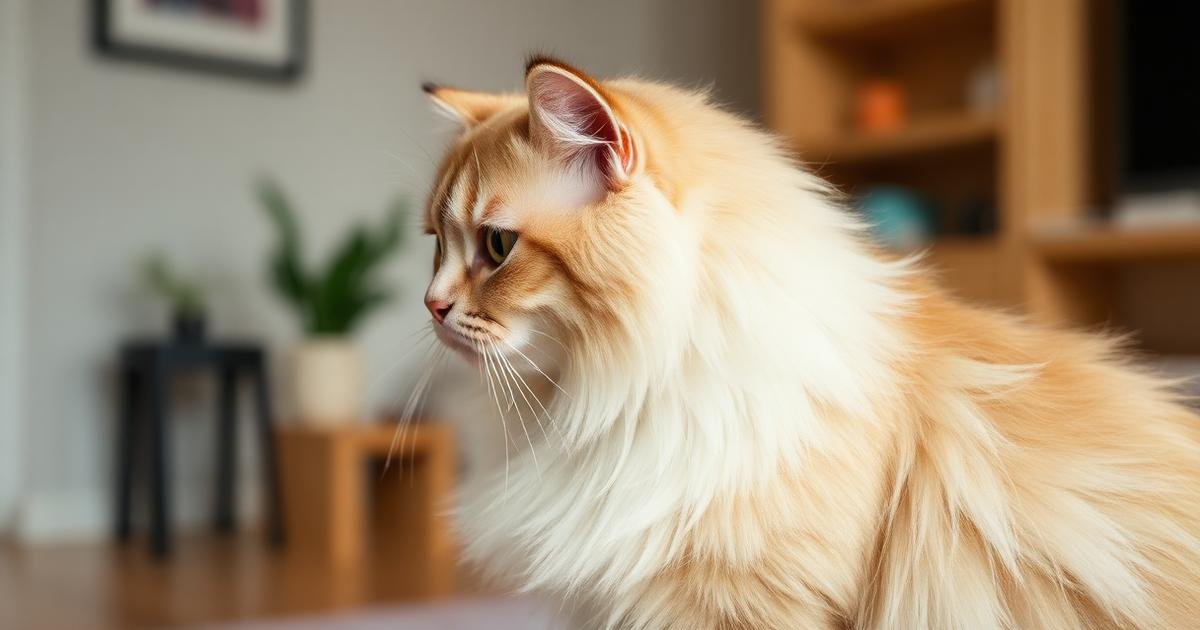
The Persian cat breed profile reveals a calm, affectionate, and strikingly beautiful longhaired cat known for its flat face, round eyes, and luxurious coat. Persians are gentle, quiet companions who thrive in stable, low stress indoor environments. They require daily grooming and are best suited for owners who can commit to their high maintenance coat care and health monitoring.
Persian cat breed profile: The Persian cat is a brachycephalic, longhaired breed known for its calm temperament, round face, and dense double coat. They are low-energy, affectionate, and need daily grooming plus regular vet checkups for respiratory and eye health. They are ideal for quiet households but not for first-time own
Quick Answer: What makes the Persian cat breed profile unique?
The Persian cat is a brachycephalic, longhaired breed known for its calm temperament, round face, and dense double coat. They are low-energy, affectionate, and need daily grooming plus regular vet checkups for respiratory and eye health. They are ideal for quiet households but not for first time owners who cannot commit to grooming.
For a complete guide on this topic, see the Complete Cat Breed Guide.
What is the history and origin of the Persian cat?
The Persian cat originated in Persia (modern day Iran) and was brought to Europe in the 1600s by Italian traders. They quickly became favorites among European royalty, including Queen Victoria, who owned several blue Persians. The breed was refined in England and the United States during the 19th century, leading to the distinctive flat faced look we recognize today.
Modern Persians trace their lineage to cats imported from Persia and Turkey in the late 1800s. The Cat Fanciers' Association (CFA) recognized the breed in 1906, making it one of the oldest registered breeds. Breeders selectively emphasized the round head, short muzzle, and long coat, which now define the Persian cat breed profile.
Today, Persians consistently rank among the top 5 most popular cat breeds in the United States, according to CFA registration data. Their popularity has remained steady for over a century, a testament to their enduring appeal as lap cats.
What does the Persian cat look like?
Coat and color varieties
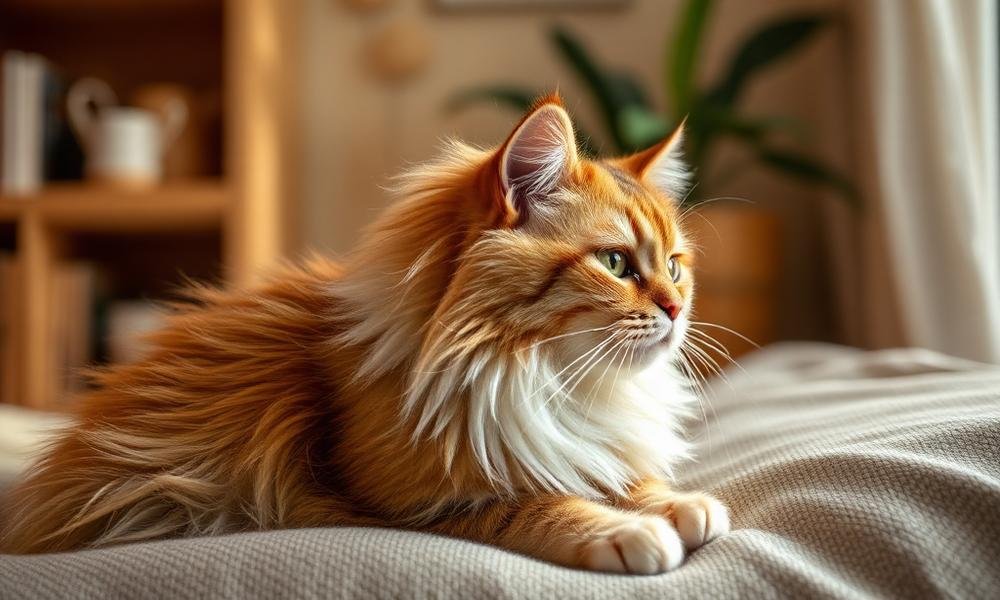
The Persian has a dense, double layered coat that can reach up to 5 inches in length. It comes in over 80 color variations, including solid (white, black, blue), tabby, bicolor, Himalayan, and chinchilla silver. The coat feels silky but mats easily without daily brushing.
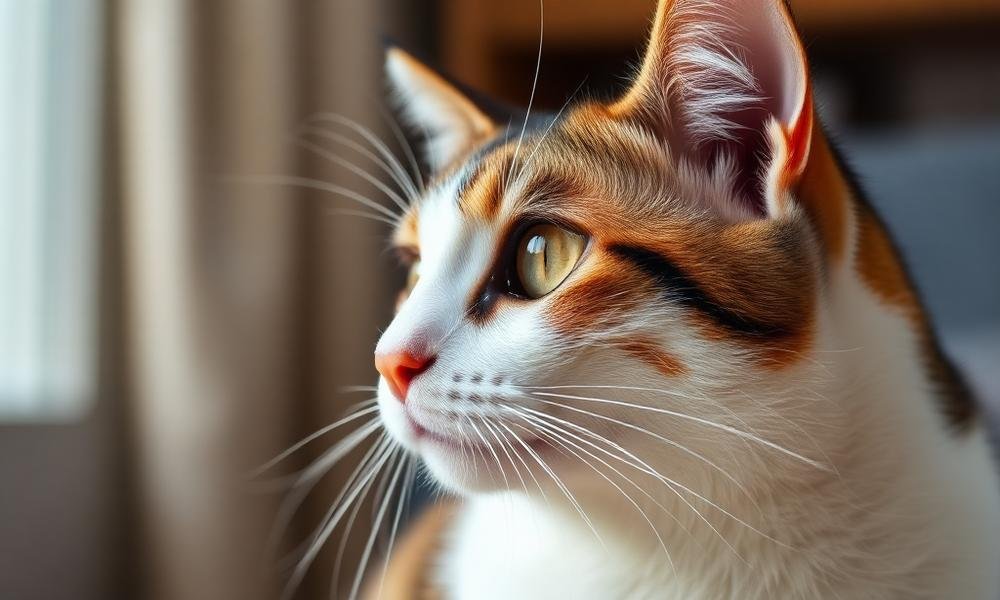
Colorpoint Persians (Himalayans) have darker ears, face, paws, and tail, similar to Siamese cats. The coat texture is the same across all color variations, requiring identical grooming routines. Some colors require extra care — white Persians show tear stains more visibly, while dark coats can hide matting until it becomes severe.
Facial structure and body type
The hallmark of the Persian cat breed profile is its brachycephalic (flat) face, large round eyes, and small, rounded ears. The body is cobby — short, thick-set, and muscular — with short, sturdy legs. Adult Persians typically weigh 7–12 pounds, with males being larger.
Their eyes are typically copper, blue, or odd-eyed (one of each) in white Persians. The nose is short and broad, which gives the breed its signature "doll face" appearance. This facial structure directly impacts their health, which we'll cover next.
There are two distinct face types within the breed: the traditional "doll face" Persian with a slightly longer muzzle, and the "peke-face" Persian with an extremely flat face. The peke face is more prone to breathing issues and eye problems. Most modern breeders are shifting back toward the doll face for better health outcomes.
Pro Tip: When choosing a Persian kitten, look for parents with open nostrils and minimal facial wrinkling. Kittens with extremely flat faces often have more severe breathing problems later in life. Visit the breeder in person to observe the parents' breathing at rest.
What health issues are common in Persian cats?
Persians are prone to several breed specific health problems due to their brachycephalic structure and genetics. According to PetMD's condition guides, the most common issues include breathing difficulties, eye problems, and dental malocclusion.
Brachycephalic airway syndrome affects nearly research suggests 50% of flat faced Persians, causing noisy breathing, snoring, and exercise intolerance. Their shortened nasal passages make it harder to cool down, so they are extremely heat-sensitive. Never leave a Persian in a warm car or unventilated room. Signs of heat stress include open mouth breathing, drooling, and lethargy — seek emergency vet care immediately if you notice these.
Eye problems are equally common. Their large, protruding eyes are prone to epiphora (excessive tearing), entropion (eyelids rolling inward), and cherry eye. Daily eye wiping with a damp cloth is essential to prevent tear staining and infections. Use a separate clean cloth for each eye to avoid cross-contamination.
Polycystic kidney disease (PKD) is a genetic condition affecting up to research suggests 38% of Persians, according to the UC Davis Veterinary Genetics Laboratory. Responsible breeders screen for PKD using ultrasound or DNA testing. Ask for proof of testing before purchasing a kitten. If you adopt an adult Persian, request a PKD ultrasound within the first month.
Dental issues arise from their short jaws, which can cause crowded teeth and gum disease. Annual dental cleanings under anesthesia are recommended starting at age 2. Without proper care, periodontal disease can develop by age 3–4. Feed a dental health diet or use water additives to slow plaque buildup between cleanings.
Pro Tip: Schedule a veterinary checkup within 48 hours of bringing your Persian home. Request a PKD ultrasound and a brachycephalic airway assessment. Early detection of these issues can add 2–4 years to your cat's lifespan.
How do you care for a Persian cat's coat and grooming?
Grooming is the most demanding aspect of the Persian cat breed profile. Their coat requires daily brushing using a stainless steel comb and a slicker brush. Without daily care, mats form within 24–48 hours, especially behind the ears, under the armpits, and on the belly.
Start grooming your Persian as a kitten — within the first week home — to build tolerance. Use positive reinforcement with treats and keep sessions short (5–10 minutes) at first. Gradually increase to 15–20 minutes daily as your cat matures. If your cat resists, end the session on a positive note and try again later. Never force grooming — it creates long term fear.
Bathe your Persian every 4–6 weeks using a cat specific shampoo. This removes oils that can cause the coat to become greasy and mat-prone. Dry thoroughly with a towel and low heat blow dryer on the cool setting to avoid chilling. Wet Persians can develop skin infections if left damp, especially in humid climates.
Trim their nails every 2–3 weeks and clean their ears weekly with a vet recommended ear cleaner. Their flat face means ear infections can develop quickly if moisture gets trapped. Check ears for redness or odor during each cleaning session. Use cotton balls, not cotton swabs, to avoid damaging the ear canal.
Invest in a high quality grooming table or non slip mat to keep your cat secure during sessions. Many Persians learn to enjoy grooming if it's paired with treats and gentle praise. Some owners find that using a grooming glove for the first pass helps loosen loose fur before using the comb.
Pro Tip: Invest in a professional grooming session every 8–12 weeks, especially if you notice mats forming despite daily brushing. A "lion cut" (shaving the body while leaving the head, tail, and feet fluffy) can be a practical summer option for heavily matted coats.
What is the Persian cat's temperament and personality?
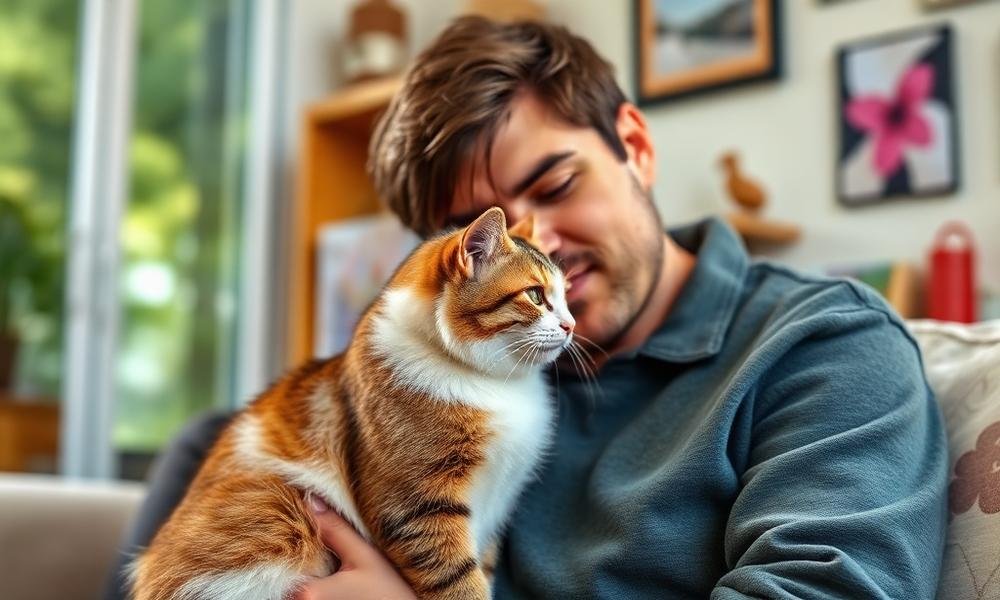
Persians are known for their calm, gentle, and affectionate nature. They are not high energy cats — they prefer lounging on a soft surface to climbing cat trees or chasing toys. This makes them ideal for apartment living, seniors, and families with older children.
They bond deeply with their owners but are not demanding. A Persian will follow you from room to room, sit on your lap while you read, and sleep beside you at night. They are quiet cats — you will rarely hear them meow unless they need something specific. When they do vocalize, it's usually a soft, melodic chirp rather than a loud yowl.
Persians are not typically good with boisterous children or other high energy pets. They prefer a predictable routine and can become stressed by loud noises, frequent visitors, or sudden changes. If you have a busy household with toddlers or dogs, consider a more resilient breed like the Maine Coon or Ragdoll.
Socialization during kittenhood (2–16 weeks of age) is critical. Expose your Persian to gentle handling, different people, and calm environments. Well socialized Persians adapt better to vet visits and boarding situations later in life. Even as adults, continue introducing new experiences slowly — a frightened Persian may hide for days.
Persians are also known for their "silent meow" — they often open their mouths as if to meow but produce no sound. This endearing trait is common in the breed and is not a sign of illness. If your Persian stops vocalizing entirely or develops a hoarse meow, consult your vet to rule out respiratory issues.
How do you set up the perfect home environment for a Persian cat?
Creating a Persian friendly home starts with comfort. These cats love soft, warm surfaces — invest in plush cat beds, fleece blankets, and window perches with cushions. Place beds in quiet corners away from household traffic to give your cat a safe retreat.
Temperature control is essential. Because Persians are brachycephalic, they overheat easily. Keep your home between 68–75°F (20–24°C) year-round. Provide cooling mats in summer and heated beds in winter. Never leave a Persian in direct sunlight through a window — they can develop heatstroke within 15–20 minutes.
Litter box placement matters more than you think. Persians dislike cold, drafty areas. Place the box in a warm, quiet room with easy access. Use a low sided box for easy entry, especially for kittens and seniors. Scoop daily and fully change the litter weekly — Persians are fastidious and may refuse a dirty box.
Food and water bowls should be wide and shallow. Their flat faces make it difficult to eat from deep bowls. Ceramic or stainless steel bowls are best — plastic can cause chin acne. Place bowls on a non slip mat and keep them away from the litter box by at least 3 feet.
Provide low height cat trees or ramps for climbing. Persians are not natural jumpers due to their short legs and heavy bodies. A 2-foot cat tree with a flat top perch is sufficient. Avoid tall, multi level trees that require jumping — your Persian may injure themselves attempting to reach the top.
Pro Tip: Set up a "grooming station" in a warm, well lit room with all your tools within arm's reach. A dedicated space makes daily grooming feel less like a chore and more like bonding time. Keep treats nearby to reward good behavior during each session.
How much does a Persian cat cost to own?
The initial cost of a Persian cat from a reputable breeder ranges from $1,200 to $3,000 for a pet quality kitten. Show quality or rare color variations (like chinchilla or red tabby) can cost $4,000–$6,000. Always visit the breeder in person and request health records for both parents. Avoid breeders who cannot provide PKD testing results.
Monthly expenses include high quality cat food ($40–$80), grooming supplies ($20–$40), litter ($15–$30), and routine vet care ($30–$60). Budget an additional $200–$500 annually for professional grooming, dental cleanings, and emergency vet visits.
Over a 12–17 year lifespan, total ownership costs range from $15,000 to $30,000. Pet insurance is strongly recommended — look for a plan that covers hereditary conditions like PKD and brachycephalic airway syndrome. Premiums for Persians are typically higher due to these breed specific risks. Compare at least three insurance providers before choosing a plan.
Adoption is a more affordable option. Persian rescue organizations charge $150–$500 for adult cats. Many rescued Persians are surrendered due to grooming demands or health issues, so be prepared for potential medical needs. Check resources like ASPCA cat care resources for adoption guidance.
Pro Tip: Set up a dedicated savings account for vet expenses from day one. Deposit $50–$75 per month. This covers most routine and emergency costs without financial stress. Many Persian owners find this more flexible than insurance for predictable breed health issues.
Keep your Persian's coat healthy and mat free with the right grooming tools
Browse Cat Products →
Frequently Asked Questions
Are Persian cats good with children?
Persians do best in homes with older, gentle children (ages 8+) who understand how to handle cats calmly. They can be easily stressed by loud noises or rough handling. Supervise all interactions and teach children to approach slowly and pet gently. Never allow a child to pick up a Persian without adult supervision.
How long do Persian cats live?
Persians typically live 12–17 years with proper care. Indoor only Persians with regular vet checkups, a balanced diet, and daily grooming often reach the upper end of this range. Responsible breeding for health issues like PKD can extend their lifespan by 2–3 years. The oldest recorded Persian lived to 23 years.
Do Persian cats need to be bathed?
Yes, Persians need bathing every 4–6 weeks to prevent their dense coat from becoming greasy and matted. Use a cat specific shampoo and dry thoroughly. Many owners schedule professional grooming for baths and full coat maintenance every 8–12 weeks. Skip baths during cold weather unless you can dry your cat completely.
Are Persian cats hypoallergenic?
No, Persian cats are not hypoallergenic. They produce the same Fel d 1 protein in their saliva and skin as other cats, which triggers allergies. Their long coat actually traps more dander and allergens, potentially worsening allergy symptoms in sensitive individuals. If you have allergies, consider a Siberian or Balinese instead.
How much grooming does a Persian cat need daily?
Persians require 15–20 minutes of daily brushing using a stainless steel comb and slicker brush. Without daily grooming, mats form within 24–48 hours. Focus on behind the ears, under the armpits, and on the belly — the most common matting areas. Weekend only grooming is not sufficient for this breed.
What is the difference between Persian and Himalayan cats?
Himalayans are a colorpoint variety of the Persian breed, sharing the same body type, coat, and temperament. The only difference is coat color — Himalayans have darker points (ears, face, paws, tail) like Siamese cats. The Cat Fanciers' Association considers them a separate breed, while other registries classify them as a Persian variety.
Do Persians get along with other pets?
Persians can coexist with other calm pets, including adult cats and well mannered dogs. They prefer slow introductions over several weeks. Never force a Persian to interact with a high energy pet — they will retreat and may develop stress related health issues like cystitis. A multi pet household works best when the Persian has designated safe zones.
How can I tell if my Persian is overheating?
Signs of overheating include open mouth breathing, excessive drooling, bright red gums, lethargy, and vomiting. Persians are especially vulnerable due to their flat faces. Move your cat to a cool room immediately, offer cool (not cold) water, and wet their paws with a damp cloth. Seek emergency vet care if symptoms don't improve within 10 minutes.
For more on this topic, see our guide to Norwegian Forest Cat breed profile.
Learn more in our detailed guide on cat breed personality guide.
For more on this topic, see our guide to Bengal cat breed profile.