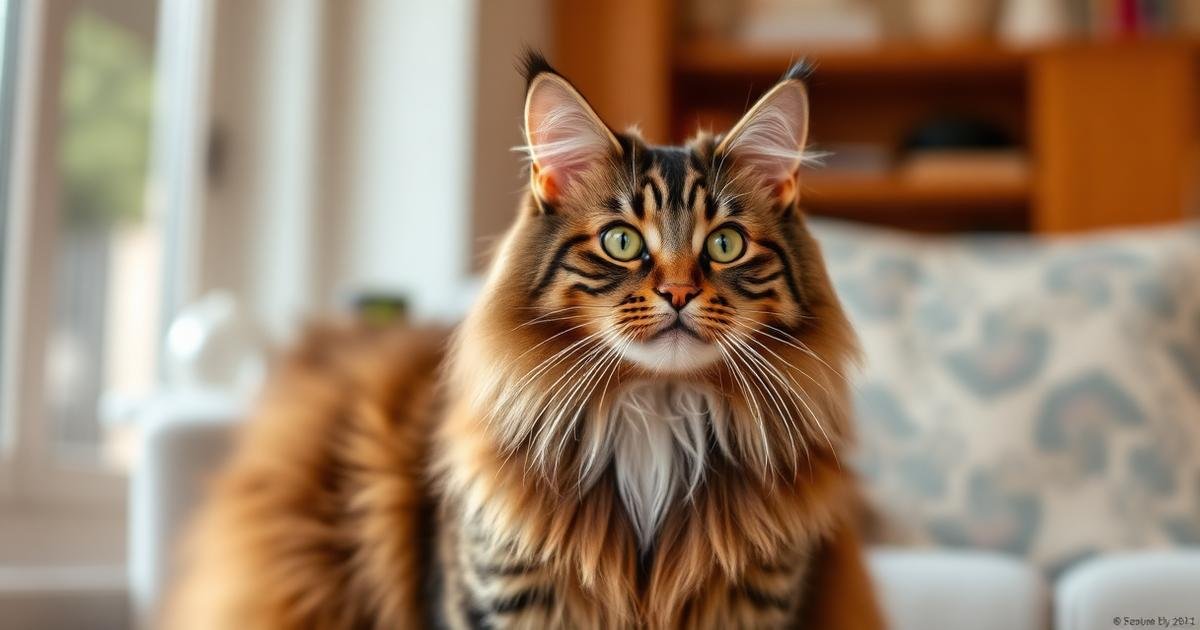
If you are searching for a Maine Coon breed guide, you are likely considering one of the most beloved and distinctive cat breeds in the world. The Maine Coon is a large, gentle, and intelligent cat known for its tufted ears, bushy tail, and dog like personality. This guide covers everything you need to know about their temperament, care needs, health concerns, and whether this breed is the right fit for your home.
Maine Coon breed guide: Maine Coons are large, affectionate, and intelligent cats requiring regular grooming, daily interactive play, and plenty of vertical space. They are generally healthy but prone to hip dysplasia and hypertrophic cardiomyopathy. Expect a 12–15 year lifespan and a cat that bonds deeply with its family,
Quick Answer: What should I know before getting a Maine Coon cat?
Maine Coons are large, affectionate, and intelligent cats requiring regular grooming, daily interactive play, and plenty of vertical space. They are generally healthy but prone to hip dysplasia and hypertrophic cardiomyopathy. Expect a 12–15 year lifespan and a cat that bonds deeply with its family, often following you from room to room. Choose a breeder who screens for HCM and SMA.
For a complete overview of all cat breeds, see the Complete Cat Breed Guide.
This Maine Coon breed guide decision works best when the owner compares daily fit, tolerance, and practical consistency together.
What makes the Maine Coon breed unique?
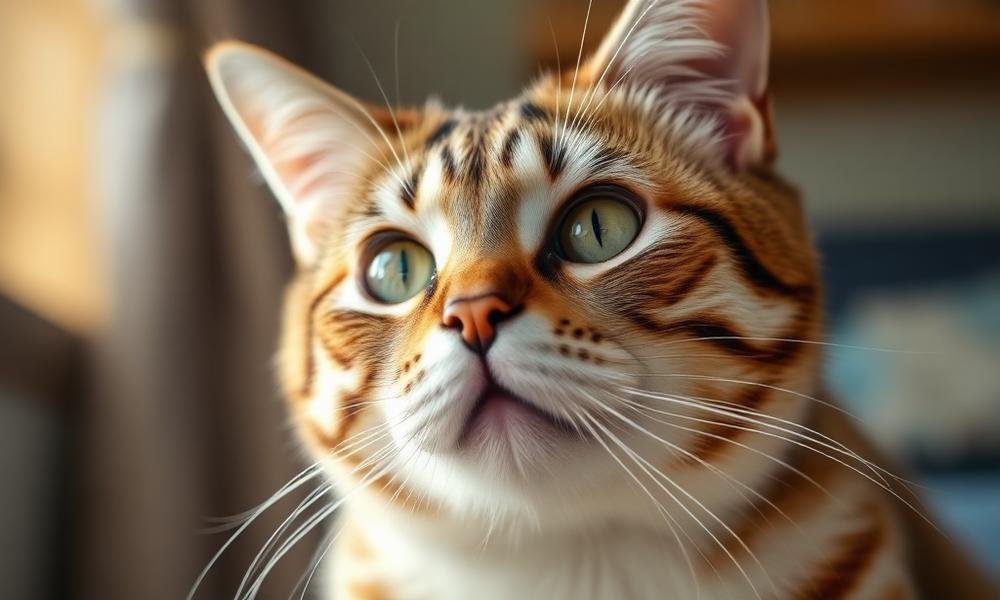
Maine Coons are one of the oldest natural cat breeds in North America, originating in the state of Maine. They evolved to survive harsh winters, which explains their thick, water repellent coat and tufted paws.
For many homes, the right Maine Coon breed guide choice is the one that stays reliable under ordinary daily conditions.
These cats are often called "gentle giants" because of their large size—males can weigh 13–18 pounds, with some reaching 25 pounds. Despite their size, they are exceptionally gentle with children and other pets.
A well matched Maine Coon breed guide option should support the pet clearly without making the routine harder to maintain.
Their personality is distinctly dog-like. Many Maine Coons learn to fetch, walk on a leash, and greet you at the door. They are not typically lap cats, but they will stay close by and follow you throughout the house.
Most owners get better long term results when Maine Coon breed guide is judged through routine use rather than a single product claim.
Pro Tip: If you want a cat that interacts with you like a dog but doesn't require outdoor walks, the Maine Coon is your best bet. They thrive on companionship and can become depressed if left alone for long periods.
How much grooming does a Maine Coon really need?
Maine Coons have a heavy, semi longhaired coat that requires consistent care. Plan to brush your cat at least 2–3 times per week to prevent mats and reduce shedding. During spring and fall, daily brushing is recommended.
Their fur is less prone to tangling than other longhaired breeds, but mats can still form behind the ears and under the legs. A stainless steel comb and a slicker brush are essential tools.
Nail trimming every 2–3 weeks and ear cleaning once a month should be part of your routine. Start these habits early so your kitten accepts them as normal.
Pro Tip: Invest in a high quality grooming glove. Many Maine Coons enjoy the sensation of being groomed with a glove, making the process less stressful for both of you. Brush in the direction of hair growth to avoid pulling.
For more on managing shedding, check out our Best Cat Litter For Odor Control guide to keep your home fresh despite the extra fur.
What health issues are common in Maine Coons?
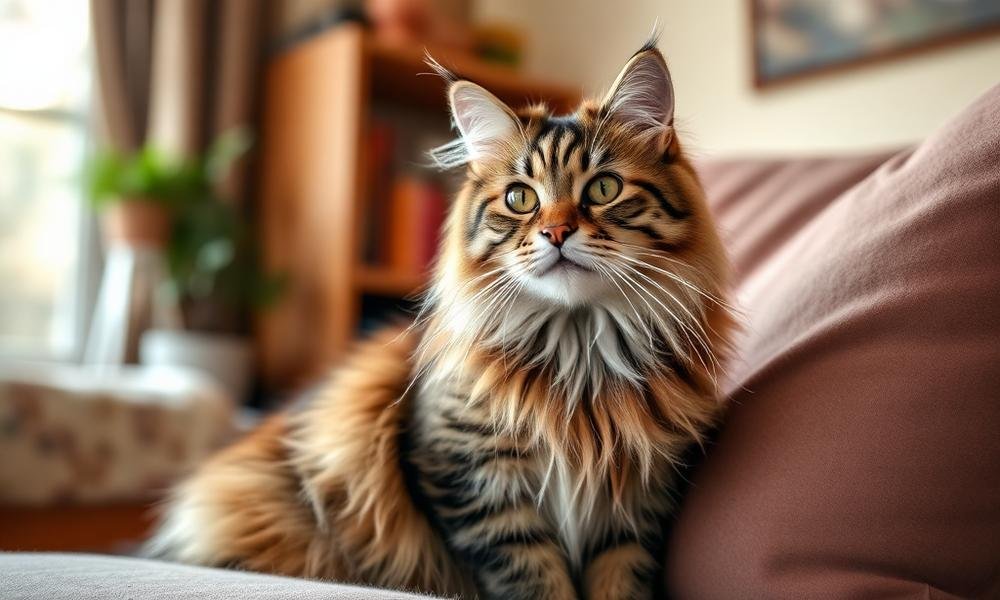
Maine Coons are generally healthy, but they are predisposed to specific genetic conditions. The most serious is hypertrophic cardiomyopathy (HCM), a thickening of the heart muscle that can lead to heart failure. Responsible breeders screen for HCM using echocardiograms.
Hip dysplasia is another concern due to their large size. This condition causes the hip joint to develop improperly, leading to arthritis. Maintaining a healthy weight and providing joint supplements can help manage symptoms.
Spinal muscular atrophy (SMA) is a genetic condition that affects muscle development but is not painful and does not shorten lifespan. Reputable breeders test for SMA and avoid breeding affected cats.
Pro Tip: Ask your breeder for documentation of HCM and SMA testing. If they cannot provide it, look elsewhere. Annual veterinary checkups with cardiac screening are recommended starting at age 3.
For senior cat nutrition tips, see our Best Cat Food For Senior Cats guide.
How do I find a responsible Maine Coon breeder?
Finding a reputable breeder is the most important step in bringing home a healthy kitten. A good breeder will provide health certificates for HCM, hip dysplasia, and SMA, and will let you visit their facility to meet the parents.
Red flags include breeders who always have kittens available, refuse to show you the living area, or sell kittens younger than 12 weeks. Ethical breeders typically have waiting lists and ask you questions about your home environment.
Ask specifically about the kitten's lineage and any health issues in previous litters. A breeder who is transparent about both strengths and weaknesses is worth your trust. The AKC's cat breeder resources at AKC Expert Advice offer guidance on what to look for when selecting any purebred cat.
Pro Tip: Request a copy of the echocardiogram report for both parent cats. A verbal claim of "HCM-free" is not enough — you want to see the actual veterinary documentation dated within the past 12 months.
How much exercise and enrichment does a Maine Coon need?
Maine Coons are active and playful, especially as kittens and young adults. They need at least 30–45 minutes of interactive play daily. Without enough stimulation, they can become destructive or develop behavioral issues.
These cats love puzzle toys, feather wands, and games that mimic hunting. They are also known to enjoy water—some will play in sinks or even join you in the shower. A cat water fountain can provide both hydration and entertainment.
Vertical space matters. Maine Coons enjoy climbing and perching, so invest in a sturdy cat tree that can support their weight. Wall shelves and window perches also satisfy their need to observe their territory from above.
For calm moments, consider our Best Cat Calming Products guide to help your cat relax after high energy play sessions.
What should I feed a Maine Coon?
Maine Coons have specific nutritional needs due to their large size and slow growth rate. They take 3–5 years to reach full maturity, so a high-quality, protein rich diet is essential throughout their development.
Kittens should eat a growth formula until at least 12 months old. Adult Maine Coons do well on a diet with 30–research suggests 40% protein and moderate fat. Avoid foods with excessive fillers like corn or wheat.
Wet food is beneficial for hydration, as Maine Coons are prone to urinary tract issues. A combination of high quality dry kibble and wet food works well for most cats. Always provide fresh, clean water.
Pro Tip: Use a raised food bowl to reduce strain on your Maine Coon's neck and joints. Elevated bowls also help prevent regurgitation, which is common in deep chested breeds.
For kitten specific nutrition, see our Best Cat Food For Kittens Growth guide. For sensitive stomachs, check Best Cat Food For Sensitive Stomach.
How do I train a Maine Coon cat?
Maine Coons are highly intelligent and respond well to positive reinforcement training. You can teach them to sit, high-five, and even walk on a leash within 2–3 weeks of consistent practice using treats as rewards.
Start with short 5-minute sessions twice daily. Use a clicker or a verbal marker like "yes" to signal correct behavior. These cats are eager to please but can get bored, so keep training sessions fun and varied.
Leash training is popular with this breed. Begin by letting your kitten wear the harness indoors for short periods. Once comfortable, attach the leash and let them drag it around before you pick it up. The ASPCA's behavior resources at ASPCA Pet Care offer techniques that translate well to cat training.
Pro Tip: Use freeze dried chicken or fish as training treats. Maine Coons are food-motivated, and high value rewards accelerate learning. Never use punishment — it damages the trust your cat has in you.
Is a Maine Coon the right cat for your home?
Maine Coons are adaptable and generally good with children, dogs, and other cats. They are not typically shy or skittish. However, they do best in homes where someone is present for most of the day.
Consider your living space. While they can adapt to apartments, they truly thrive in homes with room to explore. A secure outdoor enclosure or catio is ideal if you have a yard.
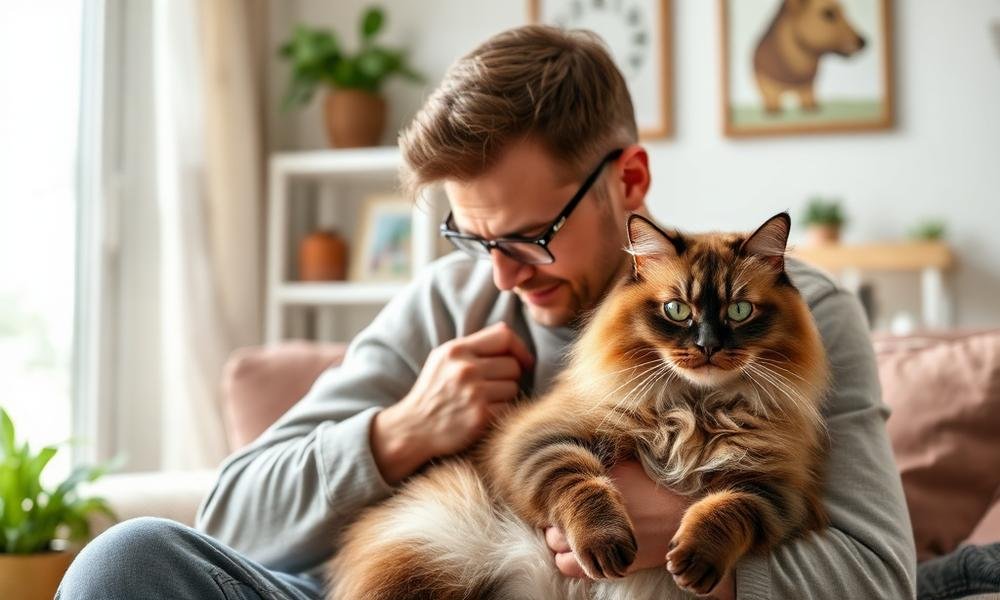
If you travel frequently or work long hours, a Maine Coon may not be the best choice. They form strong bonds and can suffer from separation anxiety. A second cat can help, but it's not a substitute for human interaction.
| Your Situation | Maine Coon Fit? | Why |
|---|---|---|
| Busy household with kids | Excellent | Gentle, patient, and playful |
| Single person working 9–5 | Moderate | Needs companionship; consider a second cat |
| Small apartment | Possible | Needs vertical space and daily play |
| Allergic family | Not ideal | Produces moderate dander and shedding |
Find everything your Maine Coon needs — from large scratching posts to interactive toys
Browse Cat Products →
Frequently Asked Questions
How big do Maine Coon cats get?
Males typically weigh 13–18 pounds, with some reaching 25 pounds. Females are smaller at 8–12 pounds. They reach full size at 3–5 years old, much slower than most cat breeds.
Are Maine Coon cats good with dogs?
Yes, Maine Coons are known for their friendly, easygoing temperament. They often get along well with dogs, especially if introduced gradually. Their dog like personality helps them bond with canine companions.
Do Maine Coons shed a lot?
Yes, they shed moderately year round and heavily during seasonal changes in spring and fall. Regular brushing 2–3 times per week keeps shedding manageable and prevents hairballs.
How long do Maine Coon cats live?
The average lifespan is 12–15 years. With proper nutrition, regular veterinary care, and a healthy lifestyle, some Maine Coons live into their late teens. Responsible breeding reduces genetic health risks.
Are Maine Coon cats hypoallergenic?
No, Maine Coons are not hypoallergenic. They produce the Fel d 1 protein in their saliva and skin, which triggers allergies. However, some people with mild allergies find them more tolerable due to their lower grooming frequency.
How much does a Maine Coon kitten cost?
From a reputable breeder, expect to pay $1,000–$2,500. Show quality kittens with champion bloodlines can cost $3,000 or more. Adoption fees for adult Maine Coons from rescues range from $100–$300.
Do Maine Coons like water?
Many Maine Coons are fascinated by water. They may play in their water bowl, dip their paws in a sink, or even join you in the shower. This trait likely comes from their history as ship cats who fished for food.
Can Maine Coons be left alone during the day?
They can handle 8–9 hours alone if they have enrichment, but they are social cats who prefer company. Leaving a TV or radio on and providing puzzle toys helps. A second cat is ideal for households where owners work full-time.
Owners who compare options based on daily routine fit, tolerance, and observable outcomes usually make better decisions than those who rely on label claims alone.
That broader view matters because a good product choice should support the full pattern of daily care. A calmer, more dependable routine is often the strongest sign that the choice is working.
It also helps to judge whether the choice continues to work once the novelty of a change wears off. If results hold steady and the routine stays manageable, that is more meaningful than a strong first impression.
Learn more in our detailed guide on Siamese cat breed guide.
Learn more in our detailed guide on British Shorthair breed guide.
Check out our complete overview of Sphynx cat breed guide for more information.