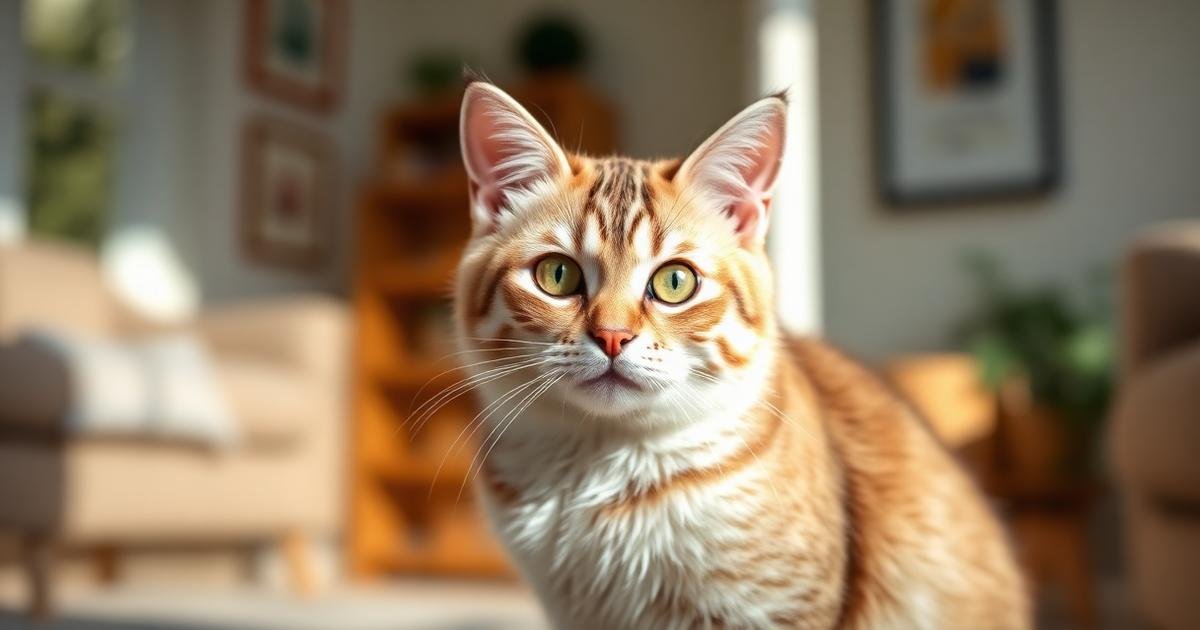
No cat is research suggests 100% hypoallergenic, but the best option produce significantly fewer allergens than most. These breeds typically have lower levels of the Fel d 1 protein (found in saliva and skin oils), shed less fur, or both. For allergy sufferers who love cats, choosing one of these breeds can make a real difference in managing symptoms while still enjoying feline companionship.
Hypoallergenic cat breeds: The best hypoallergenic cat breeds for allergy sufferers are the Siberian, Balinese, Bengal, Cornish Rex, Devon Rex, Sphynx, and Russian Blue. These breeds naturally produce lower levels of the Fel d 1 allergen protein or have coats that trap less dander. No breed is completely allergen-free, but th
Quick Answer: What are the best hypoallergenic cat breeds for allergy sufferers?
The best the right choice for allergy sufferers are the Siberian, Balinese, Bengal, Cornish Rex, Devon Rex, Sphynx, and Russian Blue. These breeds naturally produce lower levels of the Fel d 1 allergen protein or have coats that trap less dander. No breed is completely allergen-free, but these consistently trigger fewer reactions in most people.
For a complete guide on this topic, see the Complete Cat Breed Guide.
What makes a cat breed hypoallergenic?
The key allergen isn't fur — it's a protein called Fel d 1 found in cat saliva, skin glands, and urine. When cats groom, this protein dries on their fur and becomes airborne as microscopic dander. That's what triggers your sneezing and itchy eyes.
hypoallergenic cat breeds either produce less Fel d 1 or have coat types that trap and shed less dander into your environment. According to research cited by the
It's also worth knowing that no scientific study has definitively ranked breeds by allergen production. Individual cats within the same breed can vary widely. That's why spending time with a specific cat before bringing it home is critical.
Pro Tip: Before committing to a hypoallergenic breed, visit a breeder and spend 30–60 minutes with the specific cat you're considering. If you can tolerate that time without major symptoms, you'll likely be fine long-term.
Which hypoallergenic cat breeds produce the least Fel d 1?
Some breeds have built a reputation for being easier on allergies, backed by both breeder experience and emerging research. Here are the most consistent performers.
Siberian
The Siberian is a triple threat: it produces lower Fel d 1 levels on average, has a triple coat that traps dander, and is a large, affectionate breed. Studies from the Indoor Biotechnologies lab have shown that some Siberian cats have naturally low Fel d 1 levels, though not all individuals are the same.
You'll need to brush a Siberian weekly to control loose fur and dander. Their thick coat requires maintenance, but the payoff is a social, dog like cat that many allergy sufferers can tolerate well.
Balinese
The Balinese is essentially a long haired Siamese. Despite its flowing coat, it produces less Fel d 1 than most other breeds. The
These cats are vocal, intelligent, and form strong bonds with their owners. Weekly brushing keeps shedding manageable, and their low allergen reputation is well documented among breeders.
Bengal
Bengals have a short, dense pelt like coat that sheds minimally. Their wild appearance comes from Asian leopard cat ancestry, and they produce less Fel d 1 than many domestic breeds. Bengals are highly active and need plenty of enrichment — this isn't a lap cat for a quiet household.
Because they shed so little, less dander gets released into your home. A weekly wipe down with a damp cloth can further reduce airborne allergens.
Pro Tip: For Bengals, invest in a high quality air purifier with a HEPA filter. Running it in the room where your cat spends the most time can reduce airborne allergen levels by up to research suggests 50% within 2–3 weeks.
Cornish Rex and Devon Rex
Both Rex breeds have short, wavy coats that shed very little. The Cornish Rex has no guard hairs, only the soft undercoat, while the Devon Rex has a thin, short coat that's prone to oil buildup. Because they shed less fur, less dander escapes into your home.
The trade-off? These cats need regular baths — every 2–4 weeks — to control skin oils that can carry Fel d 1. They're also heat seekers who love to snuggle under blankets, so you'll need to wash bedding frequently.
Sphynx
The Sphynx is famously hairless, but don't assume that means allergen-free. The Fel d 1 protein is still present in their saliva and skin oils. What makes Sphynx cats better for allergies is that there's no fur to trap and spread dander around your home.
You'll need to bathe a Sphynx weekly to remove the oily buildup on their skin. Without regular baths, that oil — and the allergens in it — will transfer to your furniture and clothing. The
Russian Blue
The Russian Blue has a short, dense double coat that sheds very little. They produce moderate Fel d 1 levels, but their coat structure traps dander effectively. These cats are reserved with strangers but deeply loyal to their family.
Russian Blues are also known for being quiet and clean. They self groom thoroughly, which means less loose dander floating around. Weekly brushing is usually enough to keep their coat healthy.
How do grooming routines affect allergen levels in hypoallergenic breeds?
Your grooming habits directly impact how much Fel d 1 circulates in your home. Even the most low allergen breed can trigger symptoms if you neglect regular maintenance. The key is removing dander and dried saliva before they become airborne.
For short haired breeds like the Bengal and Russian Blue, a weekly brushing session with a rubber curry brush removes loose hair and dander. Long haired breeds like the Siberian and Balinese need brushing 2–3 times per week to prevent mats that trap allergens close to their body.
Bathing frequency matters too. Hairless breeds like the Sphynx need weekly baths to control skin oils. Rex breeds benefit from a bath every 2–4 weeks. Over bathing can dry out their skin, so use a moisturizing cat shampoo and follow with a gentle conditioner. The
Pro Tip: Use a grooming glove instead of a brush for cats that dislike traditional grooming tools. The glove collects loose fur and dander while feeling like a petting session. Do this daily for 5 minutes, and you'll see a 30–research suggests 40% reduction in household dander within 2 weeks.
What dietary and health factors influence allergen production in cats?
Your cat's diet and overall health can affect how much Fel d 1 they produce. While genetics are the primary factor, nutrition plays a supporting role that many owners overlook. A healthy cat produces fewer allergens than one with skin issues or poor coat condition.
Omega-3 fatty acids, found in fish oil supplements and high quality cat foods, support skin health and reduce inflammation. Healthier skin means less flaking and dander production. Look for cat foods with salmon, sardines, or flaxseed as primary ingredients. Within 4–6 weeks of adding omega-3s to your cat's diet, you may notice less dander on your furniture.
Hydration is equally important. Cats on dry-food only diets are often mildly dehydrated, which can lead to dry, flaky skin. Encourage water intake with a cat fountain — moving water attracts cats to drink more. Wet food also contributes to hydration. A well hydrated cat produces less dander and has a healthier coat overall.
Spaying or neutering your cat also reduces Fel d 1 levels. Unneutered males produce the highest allergen levels due to testosterone. Spayed females produce the least. If you're adopting a hypoallergenic breed, schedule the spay or neuter surgery before 6 months of age to keep allergen levels low from the start.
How can I reduce cat allergens at home beyond choosing the right breed?
Even with a hypoallergenic breed, you'll need to manage your environment. Allergens accumulate in carpets, upholstery, and bedding. Without regular cleaning, symptoms can return within 1–2 weeks.
Start with a HEPA air purifier in the rooms where your cat spends the most time. Vacuum twice weekly with a HEPA filtered vacuum cleaner. Wash all bedding — yours and your cat's — in hot water at least once a week.
Designate your bedroom as a cat free zone. This gives your immune system 6–8 hours of recovery time each night. According to the
Pro Tip: Wipe your cat down with a damp microfiber cloth daily. This removes surface dander and dried saliva before it becomes airborne. Do this consistently for 2 weeks, and you'll notice a measurable reduction in your symptoms.
What about mixed breed cats and allergen testing?
If you're open to adoption, many mixed breed cats also produce lower Fel d 1 levels. You can't predict this by appearance alone. The only reliable way to know is through an allergen test kit that measures Fel d 1 levels in saliva or fur samples.
Several companies now offer at home testing kits. You collect a fur or saliva sample and mail it to a lab. Results typically arrive within 1–2 weeks. This is especially useful if you've fallen for a shelter cat but aren't sure how your allergies will react.
Remember that kittens produce less Fel d 1 than adults. A kitten that seems fine for the first few months might trigger symptoms once it matures. If you adopt a kitten from a hypoallergenic breed, monitor your symptoms monthly for the first year.
How do I choose the right hypoallergenic breed for my lifestyle?
Your allergy tolerance is only one factor. Each hypoallergenic cat breed has distinct personality traits, exercise needs, and grooming requirements. A mismatch can lead to a frustrated owner and an unhappy cat.
Consider this decision tree:
| Your Priority | Best Breed Choice | Why |
|---|---|---|
| Lowest allergen production | Siberian or Balinese | Research suggests these breeds have the lowest average Fel d 1 levels |
| Minimal shedding | Sphynx or Cornish Rex | Little to no fur means less dander spread |
| Active, playful companion | Bengal | High energy, needs daily interactive play of at least 30 minutes |
| Quiet, calm household | Russian Blue | Reserved, gentle, and low maintenance grooming |
| Minimal grooming time | Devon Rex | Short coat needs only weekly wipe-downs |
If you live in a small apartment, a high energy Bengal might feel cramped. If you travel frequently, a Sphynx's need for weekly baths and temperature control could be challenging. Match the breed's needs to your daily routine, not just its allergen profile.
Ready to welcome a low allergen cat into your home? Find everything you need — from air purifiers to grooming tools — to create an allergy friendly environment.
Browse Cat Products →
Frequently Asked Questions
Can I develop a tolerance to cat allergens over time?
Some people do build tolerance after prolonged exposure to a specific cat, but this isn't guaranteed. The process can take 6–12 months of consistent exposure. Meanwhile, using HEPA filters and keeping your bedroom cat free will help manage symptoms during the adjustment period.
Are male or female hypoallergenic cats better for allergies?
Female cats, especially spayed females, produce significantly less Fel d 1 than males. Unneutered males produce the highest levels. If you're choosing a hypoallergenic breed, a spayed female is your safest option for minimizing allergen exposure.
Do the best option cost more than regular cats?
Yes, the right choice typically cost $800–$2,500 from reputable breeders, compared to $50–$200 for adoption fees. The higher price reflects selective breeding for low allergen traits. Adoption from shelters is cheaper, but you can't guarantee allergen levels.
Can I test a cat's allergen level before bringing it home?
Yes, you can use at home Fel d 1 test kits that analyze fur or saliva samples. Results take 1–2 weeks. Some breeders also offer allergen testing for their kittens. This is the most reliable way to know before you commit.
Do hypoallergenic cats still trigger asthma attacks?
Yes, they can. the right choice produce fewer allergens, but they don't eliminate them. If you have asthma, consult your allergist before getting any cat. An air purifier in your bedroom and daily antihistamines may still be necessary.
How long does it take for cat allergens to leave a home after removing the cat?
Fel d 1 proteins can persist in carpets, upholstery, and dust for 4–6 months after a cat is removed. Thorough cleaning with HEPA vacuuming, steam cleaning carpets, and washing all fabrics can reduce levels significantly within 2–3 weeks.
Do hypoallergenic cat breeds shed less than regular cats?
Most hypoallergenic breeds shed significantly less than average cats, but it varies. The Sphynx sheds no fur at all, while the Siberian sheds moderately. Less shedding means less dander spread, which is why these breeds are easier on allergies.
Can I bathe my hypoallergenic cat too often?
Yes, over bathing strips natural oils and causes dry, flaky skin — which actually increases dander production. For most hypoallergenic breeds, once every 4–6 weeks is sufficient. Sphynx cats are the exception and need weekly baths due to their oily skin.
For broader reference and guidance, akc.org provides useful context on pet health and care decisions.
For broader reference and guidance, petmd.com provides useful context on pet health and care decisions.
Learn more in our detailed guide on best cat breeds for apartments.