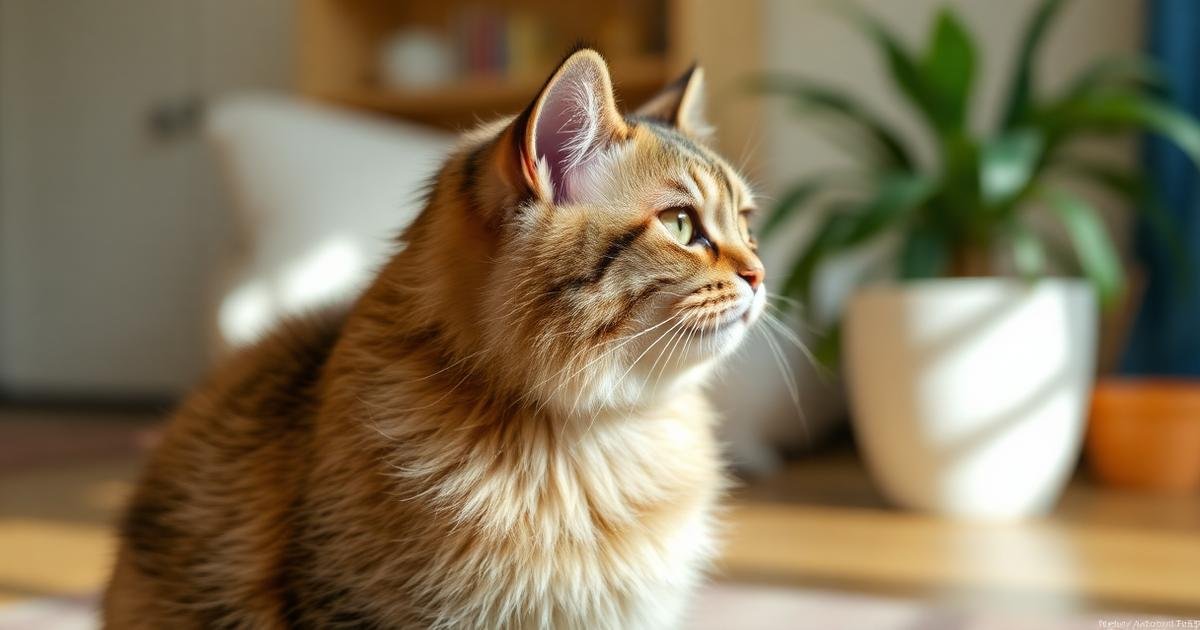
The Scottish Fold is a distinctive cat breed known for its unique folded ears and round, owl like appearance. This Scottish Fold breed profile covers everything you need to know about their temperament, health considerations, care requirements, and whether this charming breed is the right fit for your home. Originating in Scotland in 1961, these cats are beloved for their sweet, calm demeanor and playful nature, but they come with specific health responsibilities every potential owner must understand. If you are considering adding one to your family, you need the full picture — the good, the challenging, and the essential daily care that keeps them thriving.
Scottish Fold breed profile: The Scottish Fold is a medium-sized, affectionate cat breed with a genetic mutation causing its ears to fold forward, giving it a distinctive owl-like face. They are known for being calm, intelligent, and people-oriented, making them excellent family companions. However, all Scottish Folds carry the
Quick Answer: What is the Scottish Fold breed profile?
The Scottish Fold is a medium-sized, affectionate cat breed with a genetic mutation causing its ears to fold forward, giving it a distinctive owl like face. They are known for being calm, intelligent, and people-oriented, making them excellent family companions. However, all Scottish Folds carry the gene for osteochondrodysplasia, a painful joint condition, so responsible breeding and regular veterinary care are non-negotiable. If you want a devoted lap cat with a gentle soul, this breed is a strong match — but only if you can commit to lifelong joint health management.
For a complete guide on this topic, see the Complete Cat Breed Guide.
What makes the Scottish Fold's appearance so unique?
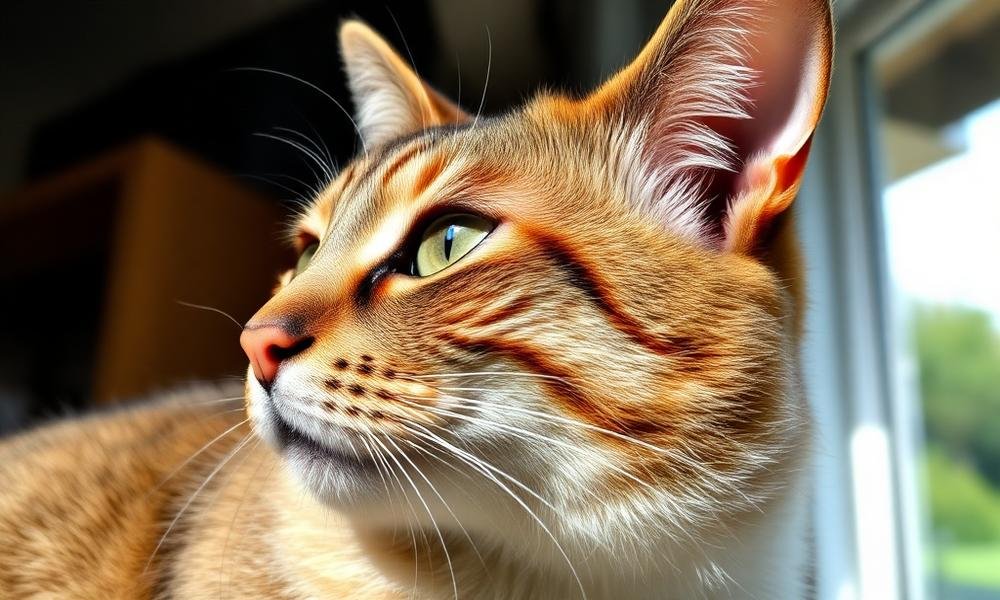
The Scottish Fold's most defining feature is its forward folded ears, caused by a natural dominant gene mutation. Not all kittens in a litter develop folded ears — those with straight ears are called Scottish Straights and are used in breeding programs to maintain genetic health. The fold itself varies from a single crease to a tight triple fold, and the degree of folding can change during the first few months of life.
Beyond the ears, Scottish Folds have large, round eyes that give them a perpetually sweet expression. Their heads are rounded, with full cheeks and a short, sturdy body. They typically weigh 6–13 pounds, with males being larger than females. Their eyes are typically wide set and come in shades of gold, copper, blue, or odd eyed in white cats.
The breed comes in a wide range of colors and patterns, including solid, tabby, bicolor, and pointed varieties. Their coat can be either short or long (the longhaired version is sometimes called the Highland Fold), with a dense, plush texture that requires regular grooming. The coat feels like soft plush to the touch — almost like rabbit fur — and it stands away from the body rather than lying flat.
Pro Tip: When looking at a Scottish Fold kitten, check that the ear fold is smooth and not too tight against the head. Extremely tight folds can indicate a higher risk of ear infections and cartilage issues. A gentle, open fold is healthier and still gives that adorable owl look you love.
What is the Scottish Fold's temperament like?
Scottish Folds are famously calm, gentle, and adaptable. They form strong bonds with their humans and often follow you from room to room. Unlike some more aloof breeds, they crave companionship and do not do well with long periods of isolation. Expect a cat that wants to be involved in whatever you are doing — whether that is reading on the couch or folding laundry.
They are moderately active — they enjoy play sessions but are equally happy curling up in your lap for hours. Their intelligence means they can learn tricks and enjoy puzzle toys. They generally get along well with children, other cats, and even cat friendly dogs, making them a solid choice for multi pet households. Within 2–3 weeks of proper introduction, most Scottish Folds settle into a new home with remarkable ease.
One of their most endearing traits is their resting position: they often sit like a "Buddha" — upright on their haunches with their paws tucked — or sleep on their backs. This relaxed posture reflects their overall easygoing nature. They also have a soft, chirping meow that sounds more like a gentle question than a demand.
According to the
Are Scottish Folds vocal?
No, they are generally quiet cats. They communicate with soft, melodic meows and chirps rather than loud yowling. If your Scottish Fold becomes unusually vocal, it may indicate stress, pain, or a need for attention. Pay close attention to changes in vocalization — it is often the first sign something is off.
What health issues are common in Scottish Folds?
The Scottish Fold breed profile has a serious health consideration that cannot be overlooked: osteochondrodysplasia. This is a genetic condition affecting cartilage and bone development, and it directly causes the ear fold. All Scottish Folds with folded ears have this gene, and it can lead to painful arthritis, joint stiffness, and mobility issues. The condition typically becomes noticeable between 2–6 months of age as the cartilage in the ears and joints begins to develop abnormally.
Responsible breeders screen for this condition and breed Scottish Folds only with Scottish Straights or other breeds (like British Shorthairs) to reduce severity. The condition varies widely — some cats show mild symptoms, while others develop severe lameness by middle age. Early signs include stiff gait, reluctance to jump, and thickened or shortened tail bones that are less flexible than normal.
Other health concerns include:
- Polycystic kidney disease (PKD): A genetic condition causing cysts on the kidneys. Reputable breeders test for this using ultrasound or DNA screening before breeding.
- Cardiomyopathy: Heart disease, particularly hypertrophic cardiomyopathy (HCM), is seen in the breed. Annual echocardiograms are recommended starting at age 1.
- Ear infections: The folded ears can trap moisture and debris, leading to infections if not cleaned regularly. You should check ears weekly for redness or odor.
- Obesity: Their calm nature makes them prone to weight gain, which worsens joint problems. A 1–2 pound excess can significantly increase arthritis pain.
Veterinarians generally recommend annual health screenings, including joint assessments, echocardiograms, and kidney function tests. The
Pro Tip: If you own a Scottish Fold, invest in orthopedic cat beds and low sided litter boxes. These reduce the strain on their joints and make daily life more comfortable, especially as they age. Ramps to reach favorite perches are also a good idea. A heated bed can work wonders for stiff joints in colder months.
How do I care for a Scottish Fold properly?
Caring for a Scottish Fold requires attention to their unique physical and emotional needs. Their calm temperament means they thrive in stable, quiet homes, but they still need daily enrichment. A predictable routine — same feeding times, same play times — helps them feel secure and reduces stress related health issues.
Grooming requirements
Shorthaired Scottish Folds need brushing once or twice a week to remove loose fur and distribute skin oils. Longhaired Highland Folds need brushing 3–4 times weekly to prevent mats. Pay special attention to the ear area — gently clean the outer ear with a vet recommended solution weekly to prevent infections. Use a soft, damp cloth or cotton ball — never cotton swabs that can damage the ear canal.
Their nails should be trimmed every 2–3 weeks, and dental care is essential. Brush their teeth 2–3 times per week with cat safe toothpaste to prevent periodontal disease. Dental disease is common in the breed and can worsen systemic inflammation, which aggravates joint pain.
Exercise and enrichment
While not hyperactive, Scottish Folds need at least 15–20 minutes of interactive play daily. Wand toys, laser pointers, and puzzle feeders keep their minds sharp and bodies active. Cat trees with low platforms (easy to access) and window perches are ideal. Rotate toys every 3–4 days to prevent boredom.
They are not natural climbers like some breeds, so provide floor level enrichment: tunnels, crinkle toys, and treat dispensing balls work well. A cardboard box with crinkly paper inside can entertain them for 20 minutes straight. Hide treats around the house to encourage gentle movement and mental stimulation.
Diet and nutrition
Feed a high-quality, protein rich cat food appropriate for their life stage. Because they are prone to obesity, measure portions carefully and limit treats to research suggests 10% of daily calories. Joint supporting foods with glucosamine and omega-3 fatty acids can be beneficial, especially after age 7. Wet food is preferable to dry — it provides hydration and is easier on the teeth.
Fresh water should always be available. Many Scottish Folds prefer running water from a fountain — this encourages hydration and supports kidney health. Place multiple water stations around the house so they do not have to travel far to drink.
Set up your Scottish Fold for a healthy, happy life with the right gear and nutrition.
Browse Cat Products →
What should I look for in a Scottish Fold breeder?
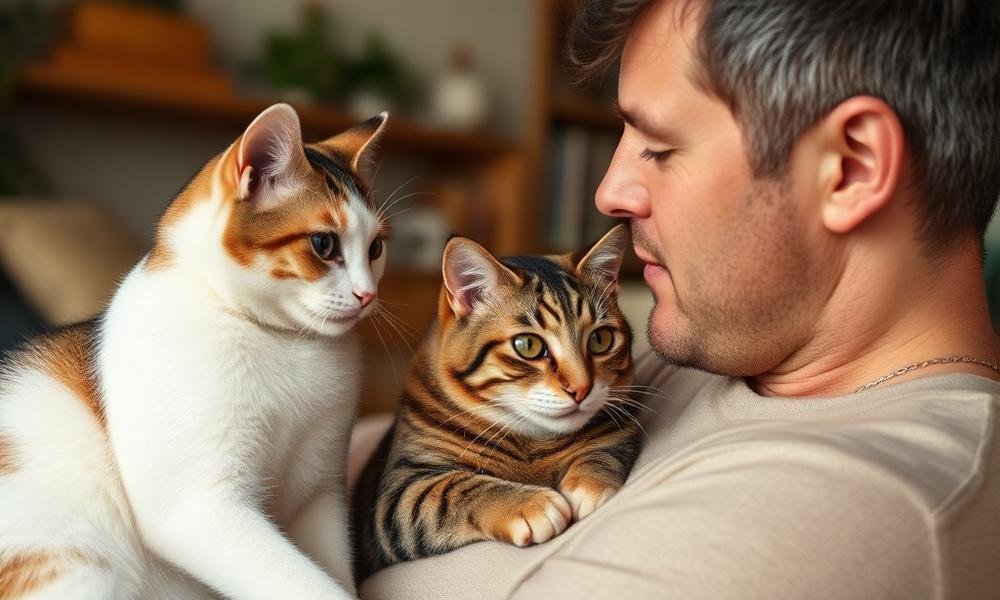
Finding an ethical breeder is the most important step in your Scottish Fold breed profile research. A responsible breeder prioritizes health over appearance and will be transparent about the breed's genetic risks. They should willingly share veterinary records and allow you to visit their cattery in person.
Ask these questions before committing:
- Do you test for osteochondrodysplasia? A good breeder screens breeding cats and can show you results. They should also be able to explain how they manage the condition in their breeding program.
- What is your breeding philosophy? They should breed Folds only with Straights or outcross breeds to reduce joint issues. Never breed Fold to Fold — this doubles the risk of severe skeletal deformities.
- Can I see health certificates for PKD and HCM? Reputable breeders test for these conditions and provide documentation from a board certified veterinarian.
- What is the kitten's socialization history? Kittens should be raised indoors, handled daily, and exposed to household sounds like vacuum cleaners and doorbells from 3 weeks onward.
- Do you provide a health guarantee? Ethical breeders offer at least a 1–2 year genetic health guarantee and will take back the cat if you cannot keep it.
Avoid breeders who advertise "extreme" or "very tight" ear folds, as these are associated with more severe skeletal problems. Also avoid breeders who cannot provide veterinary references or who sell kittens younger than 12 weeks old. A kitten should stay with its mother until at least 12 weeks to develop proper social skills and immune function.
Consider adoption first — many breed specific rescues have Scottish Folds and Scottish Straights looking for homes. The
How do you set up your home for a Scottish Fold?
Preparing your home before bringing a Scottish Fold home reduces stress for both of you. Because of their joint sensitivity, your home setup matters more than it does for many other breeds. Start with a dedicated safe room — a quiet bedroom or office where the cat can adjust for the first 3–5 days.
Choose low sided litter boxes with a soft, unscented clumping litter. High sided boxes are difficult for arthritic cats to enter. Place boxes on every floor of your home, at least one more box than the number of cats you have. Scoop daily and do a full litter change weekly.
Food and water bowls should be shallow and wide — whisker fatigue is real, and deep bowls can cause discomfort. Ceramic or stainless steel bowls are better than plastic, which can harbor bacteria and cause chin acne. Place bowls away from the litter box and in a quiet corner where the cat can eat without feeling vulnerable.
Provide multiple sleeping spots at ground level and on low furniture. Orthopedic beds with memory foam are excellent for joint support. Cat trees should have platforms no higher than 3–4 feet, with ramps or steps rather than vertical climbing poles. Window perches with thick padding give them a safe view of the outdoors without requiring a jump.
Finally, cat proof your home. Secure loose electrical cords, remove toxic plants (lilies are deadly to cats), and ensure windows have secure screens. Scottish Folds are curious but not reckless — they will explore at their own pace, so give them time to adjust.
Is a Scottish Fold the right cat for you?
This Scottish Fold breed profile is honest about both the joys and responsibilities. These cats are wonderful companions for the right owner, but they are not a low maintenance breed. They require a financial and time commitment that exceeds that of many other cat breeds.
You are a good fit if you:
- Have a calm, stable home environment with minimal chaos
- Can commit to regular veterinary care, including joint health monitoring and annual echocardiograms
- Are home often or can provide companionship (they dislike being left alone for long hours)
- Are willing to brush them regularly and clean their ears weekly
- Can afford potential medical costs for joint supplements, medications, or surgery — budget at least $500–$1,000 annually for preventive care alone
You might reconsider if you:
- Travel frequently or work long hours away from home
- Want a low cost pet (veterinary bills can be higher due to genetic risks)
- Prefer a very active, independent cat
- Have a home with many stairs (can be hard on their joints and may require ramps)
| Your Lifestyle | Scottish Fold Match? | Why |
|---|---|---|
| Quiet home, retired, or work from home | Excellent | They thrive on companionship and calm routines |
| Active family with older children (8+) | Good | Gentle and tolerant, but not for rough play or loud environments |
| First time cat owner | Moderate | Manageable, but health issues require experienced vet care and financial planning |
| Busy professional, often away 10+ hours | Poor | They need daily interaction and can become depressed or develop anxiety alone |
For broader reference and guidance, akc.org provides useful context on pet health and care decisions.
For broader reference and guidance, petmd.com provides useful context on pet health and care decisions.
For related guidance, see Are Rope Toys Safe For Dogs.
For related guidance, see Best Cat Calming Products.
Frequently Asked Questions
Do all Scottish Fold kittens have folded ears?
No. Not every kitten in a litter inherits the dominant gene for folded ears. Those with straight ears are called Scottish Straights and are perfectly healthy. They are often used in breeding programs to reduce skeletal issues in the fold eared kittens. About research suggests 50% of kittens in a typical litter will have folded ears.
What is the lifespan of a Scottish Fold?
With proper care, Scottish Folds live 12–15 years on average. Those with mild osteochondrodysplasia can live full lives with joint management, while cats with severe forms may have shorter lifespans due to complications from arthritis and immobility. Regular veterinary checkups every 6 months after age 7 help catch issues early.
Are Scottish Folds good with dogs?
Yes, generally. Their calm, non aggressive temperament makes them compatible with cat friendly dogs. Introduce them slowly using scent swapping and supervised meetings over 1–2 weeks. Always provide escape routes for the cat, like high perches or separate rooms. A slow introduction reduces stress and prevents defensive aggression.
How much does a Scottish Fold cost?
From a reputable breeder, expect to pay $1,500–$3,000 for a fold eared kitten. Scottish Straights are often less expensive, ranging from $800–$1,500. Adoption fees from rescues range from $100–$400. Always factor in ongoing costs: food, litter, vet care, and potential joint supplements — budget at least $100–$150 per month total.
Do Scottish Folds need special ear cleaning?
Yes. Their folded ears trap more wax, moisture, and debris than straight eared cats. Clean the outer ear with a vet approved solution once a week. Never insert anything into the ear canal. Watch for redness, odor, or discharge — these signal an infection needing veterinary attention. Monthly checks by your vet are ideal.
Can Scottish Folds be left alone during the day?
Not ideally. They are social cats that bond deeply with their owners. If left alone for 8–10 hours daily, they can develop separation anxiety or depression. Consider a companion cat or a pet sitter if you work long hours. Interactive toys and a window
Learn more in our detailed guide on Persian cat breed profile.
For more on this topic, see our guide to Ragdoll cat breed profile.
Learn more in our detailed guide on Norwegian Forest Cat breed profile.
Check out our complete overview of Bengal cat breed profile for more information.