Quick Answer: What is a Ragdoll cat breed profile?
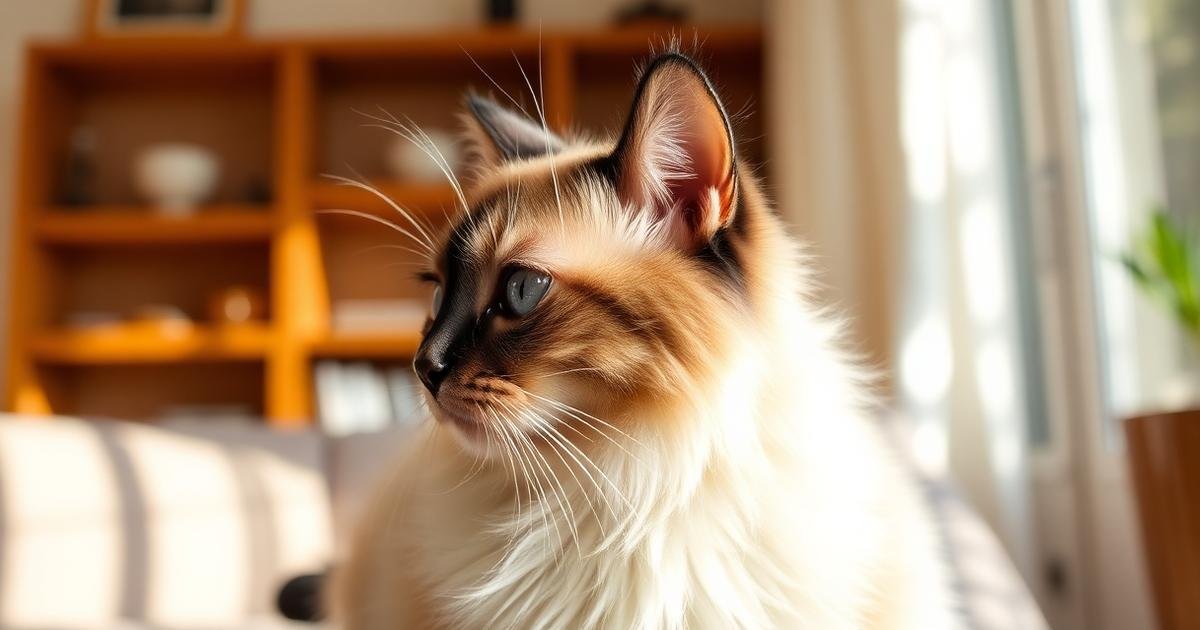
The Ragdoll is a large, semi longhaired cat breed known for its striking blue eyes, colorpoint coat, and exceptionally docile temperament. Developed in 1960s California, these cats are famous for going limp when held, hence their name. They are affectionate, gentle, and thrive on human companionship. For a complete breed overview, see the Complete Cat Breed Guide.
The Ragdoll cat breed profile describes a feline that combines stunning beauty with a remarkably calm and loving personality. These cats are often described as "puppy-like" because they follow their owners from room to room, greet them at the door, and enjoy being cradled like a baby. If you are looking for a devoted indoor companion that thrives on affection, the Ragdoll might be your perfect match.
What Makes the Ragdoll Breed Unique?
The Ragdoll stands apart from other cat breeds due to its distinctive combination of physical traits and temperament. Developed by breeder Ann Baker in Riverside, California during the 1960s, the breed originated from a white Persian type cat named Josephine. The kittens from Josephine's litters displayed an unusual tendency to relax completely when picked up, a trait that became the breed's hallmark.
Ragdolls are one of the largest domesticated cat breeds. Adult males typically weigh between 15–20 pounds, while females range from 10–15 pounds. They reach full physical maturity slowly, often taking 3–4 years to develop their complete size and coat density. This slow maturation means you will watch your kitten grow and change well into adulthood.
Pro Tip: When selecting a Ragdoll kitten, always ask the breeder to demonstrate the "limp" response. Reputable breeders will show you how the kitten relaxes when held on its back. This confirms you are getting a true Ragdoll, not a crossbreed.
Their coat is another defining feature. Ragdolls have a semi-long, silky coat that does not mat as easily as other longhaired breeds. Unlike Persians, they lack a dense undercoat, which significantly reduces shedding and grooming time. The coat comes in four recognized patterns: colorpoint, mitted, bicolor, and van. All Ragdolls have striking blue eyes, a breed standard that is strictly maintained.
What Is the Ragdoll Temperament and Personality Like?
Ragdolls are renowned for their exceptionally laid back and affectionate nature. They are not typically aloof or independent like some other cat breeds. Instead, they crave human interaction and will often seek out laps, shoulders, or simply a spot next to you on the couch. This makes them ideal for families, singles, and seniors alike.
These cats are also known for their intelligence and trainability. Many Ragdoll owners successfully teach their cats to fetch, walk on a leash, and perform simple tricks. According to the American Kennel Club's behavior guides, Ragdolls respond well to positive reinforcement training methods because they are food motivated and eager to please. You can learn more about training techniques at the AKC training resources.
A key aspect of the Ragdoll cat breed profile is their compatibility with other pets. They generally get along well with other cats and cat friendly dogs. Their gentle disposition means they rarely instigate conflict, but they can also be submissive, so ensure your other pets are not overly dominant. Ragdolls are not suited for outdoor living—they are too trusting and lack the survival instincts needed to navigate traffic or predators.
Pro Tip: Ragdolls are prone to separation anxiety if left alone for long hours. If you work full time outside the home, consider getting two Ragdolls or a compatible feline companion. They will keep each other company and reduce stress related behaviors like excessive grooming.
How Do You Care for a Ragdoll Cat?
Despite their luxurious coat, Ragdolls are surprisingly low maintenance in terms of grooming. Brush your cat twice a week with a stainless steel comb or a slicker brush to remove loose hair and prevent minor tangles. During seasonal shedding periods, increase brushing to every other day. Their lack of undercoat means they rarely develop mats unless neglected.
Nutrition and Feeding
Feed your Ragdoll a high-quality, protein rich diet formulated for large breeds. Because they are prone to weight gain, measure portions carefully and avoid free-feeding. A combination of wet and dry food helps maintain urinary tract health and provides adequate hydration. For kittens, choose a growth formula specifically designed for large breed cats.
Exercise and Enrichment
Ragdolls are moderately active. They enjoy interactive play sessions of 15–20 minutes twice daily. Wand toys, laser pointers, and puzzle feeders keep them mentally stimulated. Without enrichment, they can become bored and develop destructive habits like scratching furniture. Provide a tall scratching post and a cat tree near a window for climbing and bird-watching.
Health Considerations
Ragdolls are generally healthy, but they are predisposed to certain conditions. Hypertrophic cardiomyopathy (HCM) is the most common heart disease in the breed. Responsible breeders screen for HCM using echocardiograms. According to PetMD condition guides, annual veterinary check ups with cardiac auscultation are recommended. Other concerns include bladder stones and Feline Lower Urinary Tract Disease (FLUTD).
Pro Tip: Start brushing your Ragdoll's teeth weekly from kittenhood. Use a pet safe enzymatic toothpaste and a soft bristled toothbrush. This prevents periodontal disease, which is common in cats and can lead to systemic health issues if ignored.
What Are the Different Ragdoll Coat Colors and Patterns?
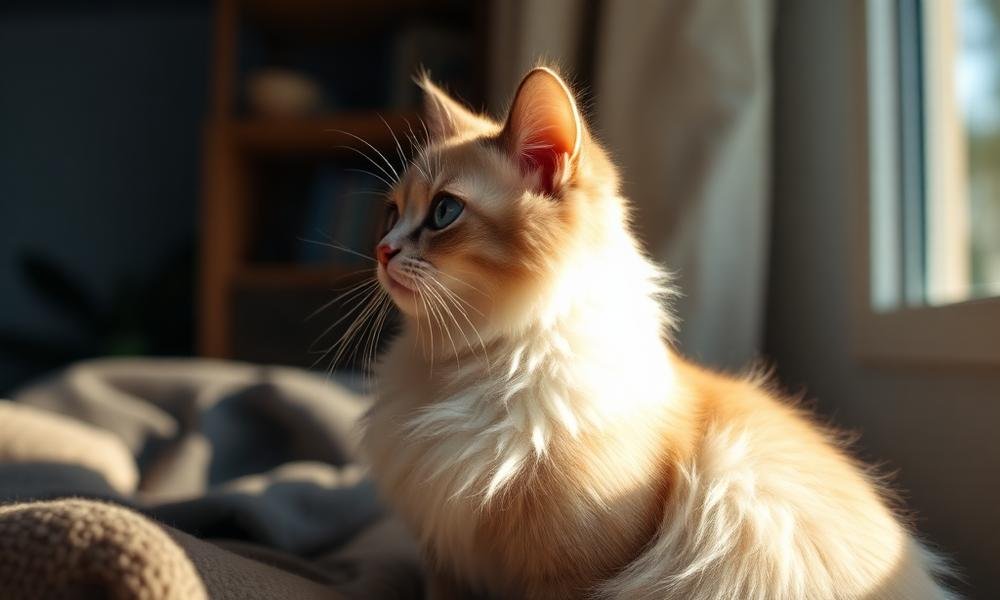
The Ragdoll cat breed profile includes four distinct patterns and a wide range of colors. The patterns are colorpoint (darker points with a lighter body), mitted (colorpoint with white mitts on the paws), bicolor (white inverted V on the face, white legs, and colored body), and van (mostly white with color only on the ears and tail).
Accepted colors include seal, blue, chocolate, lilac, red, and cream. Tortoiseshell and tabby variations also exist but are less common. The points (ears, face, paws, and tail) are the darkest areas, while the body coat is a lighter shade of the same color. Kittens are born completely white, and their color patterns develop gradually over the first 2–3 years.
| Pattern | Description | Best For |
|---|---|---|
| Colorpoint | Dark points, no white markings | Owners who prefer the classic Siamese look |
| Mitted | White paws, chin, and belly | Those who want a bit of white without a full blaze |
| Bicolor | White inverted V on face, white legs | People who love the iconic Ragdoll "mask" look |
| Van | Mostly white, color on ears and tail only | Owners who want a mostly white cat with colored accents |
How Do You Find a Reputable Ragdoll Breeder?
Finding a responsible breeder is the most critical step in acquiring a healthy, well tempered Ragdoll. Start by contacting the Cat Fanciers' Association (CFA) or The International Cat Association (TICA) for breeder referrals. Avoid online marketplaces and pet stores, as these often source from kitten mills.
Ask the breeder for health clearances for both parent cats, specifically echocardiograms for HCM and genetic testing for polycystic kidney disease (PKD). A reputable breeder will provide documentation willingly. They should also allow you to visit their cattery, meet the kitten's parents, and see the living conditions. The ASPCA provides guidance on ethical breeding practices at their pet care resources.
Be prepared for a waitlist. Responsible breeders typically have 2–3 litters per year and may have a waiting period of 6–12 months. This ensures each kitten is properly socialized and weaned. A breeder who always has kittens available immediately is a red flag. Expect to pay between $1,200–$3,000 for a pet quality Ragdoll kitten, with show quality cats costing more.
What Are the Common Behavioral Traits of a Ragdoll Cat?
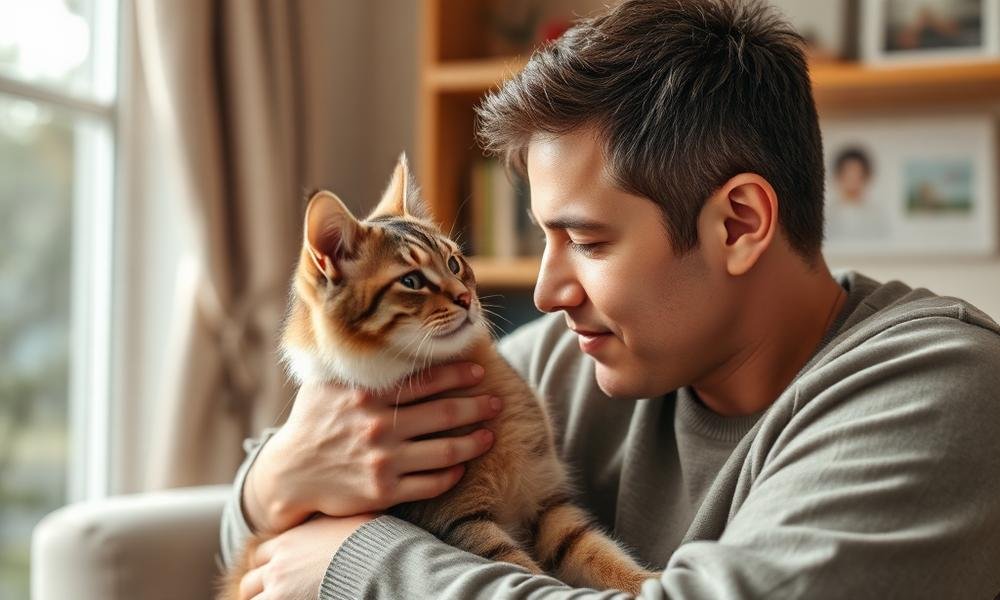
Understanding the Ragdoll cat breed profile means knowing their unique behavioral quirks. These cats are famously "floppy" — they go completely limp when picked up, which is a sign of deep trust and relaxation. This trait is not just a party trick; it reflects their overall calm and trusting nature.
Ragdolls are also known for their quiet voices. They meow softly and infrequently, unlike Siamese or Oriental breeds. When they do vocalize, it is usually to greet you or ask for attention. You will rarely hear them yowl or complain, making them excellent apartment companions.
Another key behavior is their tendency to follow you everywhere. Ragdolls are often underfoot in the kitchen, sitting on your laptop while you work, or sleeping on your pillow at night. They are not content to simply share your space — they want to be part of your activities. This level of attachment means you must be prepared for a cat that demands your time and affection daily.
Pro Tip: If your Ragdoll suddenly stops following you or seems withdrawn, it could signal illness or stress. Monitor for other signs like appetite loss or hiding. Schedule a veterinary visit if the behavior persists for more than 24–48 hours.
What Is the History and Origin of the Ragdoll Breed?
The Ragdoll cat breed profile begins with a single cat named Josephine. In the 1960s, Ann Baker, a Persian breeder in Riverside, California, noticed that Josephine's kittens were unusually relaxed and tolerant of handling. After an accident involving a car, Josephine's subsequent litters displayed even more pronounced docility and a tendency to go limp when held.
Baker selectively bred these kittens to establish the Ragdoll breed. She registered the breed with several organizations and trademarked the name "Ragdoll" in the 1970s. This trademark meant that only breeders who paid Baker a fee could use the name, which created controversy in the cat fancy world. Despite this, the breed gained popularity for its unique temperament.
Today, the Ragdoll is recognized by all major cat registries, including the CFA and TICA. It consistently ranks among the most popular cat breeds in the United States and Europe. The breed's gentle nature and striking appearance have won the hearts of millions. For more on breed history, the AVMA provides resources on responsible pet ownership at their pet owner page.
How Do You Prepare Your Home for a Ragdoll Cat?
Before bringing a Ragdoll home, you need to cat proof your living space. Because these cats are trusting and curious, they may jump onto counters or explore high shelves. Secure loose cords, remove toxic plants like lilies, and ensure windows have secure screens. Ragdolls are not agile escape artists, but they can fall from heights if startled.
Invest in a sturdy cat tree that is at least 5–6 feet tall. Ragdolls enjoy climbing and perching, even though they are not as acrobatic as some breeds. Place the tree near a window so your cat can watch birds and outdoor activity. Provide at least two scratching posts — one horizontal and one vertical — to protect your furniture.
Set up a quiet space with a bed, litter box, and food station away from high traffic areas. Ragdolls are sensitive to loud noises and chaos. A dedicated room or corner helps them feel secure during their first week. Gradually introduce them to the rest of your home over several days to prevent overwhelming them.
Pro Tip: Use a pheromone diffuser like Feliway in your Ragdoll's new space for the first 2–3 weeks. This reduces stress and helps your cat adjust faster. Plug it in near their bed or favorite resting spot for best results.
Ready to pamper your Ragdoll with the best gear? From grooming tools to interactive toys, we have everything your gentle giant needs.
Browse Cat Products →
Frequently Asked Questions
Do Ragdoll cats shed a lot?
Ragdolls shed less than most longhaired breeds because they lack a dense undercoat. Their single layer coat minimizes loose hair in your home. Regular brushing twice a week keeps shedding manageable. During seasonal changes, you may notice slightly more hair, but it remains below average for longhaired cats.
Are Ragdoll cats good with children?
Yes, Ragdolls are excellent with children due to their patient and gentle nature. They tolerate handling well and rarely scratch or bite. However, always supervise interactions between young children and any cat. Teach children to support the cat's hindquarters when holding them to prevent discomfort.
How long do Ragdoll cats live?
Ragdolls typically live 12–17 years with proper care. Some individuals reach 20 years or more. Their lifespan depends on genetics, diet, veterinary care, and lifestyle. Keeping your Ragdoll indoors and maintaining a healthy weight are the two most effective ways to extend their life expectancy.
Can Ragdoll cats be left alone during the day?
Ragdolls are social and do not do well with prolonged isolation. They can be left alone for 8–9 hours if they have a companion cat, toys, and environmental enrichment. For single cats, consider a pet sitter or daycare. Separation anxiety can develop if left alone regularly for 10+ hours.
Do Ragdoll cats need a lot of grooming?
No, Ragdolls require less grooming than most longhaired cats. Brush them twice weekly with a stainless steel comb to remove loose hair and prevent tangles. Their silky coat resists matting. Bathing is rarely needed unless they get into something messy. Nail trimming every 2–3 weeks is also recommended.
Are Ragdoll cats hypoallergenic?
No cat breed is truly hypoallergenic, but Ragdolls may be slightly better for allergy sufferers. They produce less of the Fel d 1 protein (the primary allergen) than many other breeds. Their lower shedding also reduces allergen distribution. However, individual reactions vary, so spend time with a Ragdoll before committing.
Do Ragdoll cats like water?
Most Ragdolls are curious about water but do not typically enjoy swimming. Many will play with dripping faucets or dip their paws in water bowls. Some owners report their Ragdolls enjoy supervised shallow baths. This trait varies by individual, so never force a cat into water.
How much does a Ragdoll kitten cost?
Pet quality Ragdoll kittens typically cost $1,200–$3,000 from a reputable breeder. Show quality cats with exceptional markings and temperament can cost $3,500 or more. This price includes health screenings, vaccinations, and initial vet visits. Adoption from a rescue is a more affordable option, usually $100–$300.
Learn more in our detailed guide on Norwegian Forest Cat breed profile.
For more on this topic, see our guide to Bengal cat breed profile.