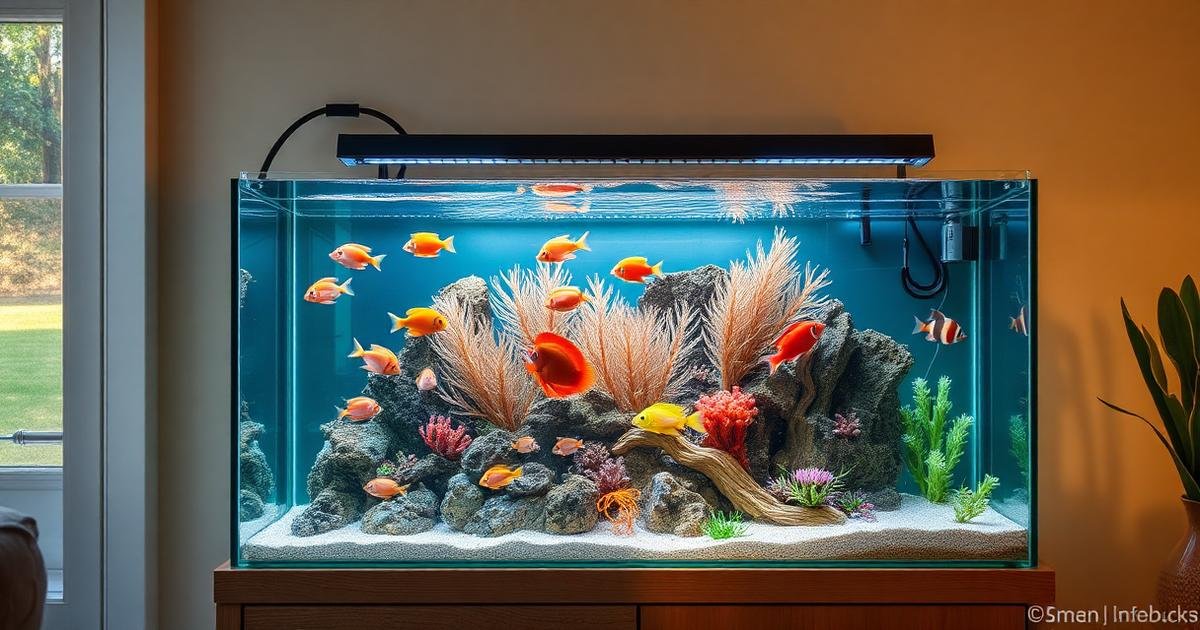
Starting a saltwater aquarium is a rewarding challenge that brings a slice of the ocean into your home. This saltwater aquarium guide covers everything you need to know, from choosing the right tank size to maintaining stable water chemistry. A successful saltwater tank requires patience, consistent maintenance, and an upfront investment of at least $500–$1,500 for a basic 40-gallon setup. The payoff is a stunning living ecosystem that becomes the centerpiece of any room.
Saltwater aquarium guide: The single most critical factor for a successful saltwater aquarium is water quality stability. You must cycle the tank for 4–8 weeks before adding any fish, maintain a specific gravity of 1.023–1.025, and keep temperature between 76–78°F. Rushing this process is the #1 cause of new tank failure. Fo
Quick Answer: What is the most important thing to know before starting a saltwater aquarium?
The single most critical factor for a successful saltwater aquarium is water quality stability. You must cycle the tank for 4–8 weeks before adding any fish, maintain a specific gravity of 1.023–1.025, and keep temperature between 76–78°F. Rushing this process is the #1 cause of new tank failure. For a beginner, start with a 40-gallon tank, quality equipment, and a strict maintenance schedule — patience now saves heartbreak later.
For a complete guide on this topic, see the Aquarium Setup Guide.
This saltwater aquarium guide decision works best when the owner compares daily fit, tolerance, and practical consistency together.
What Size Saltwater Tank Should You Start With?
Bigger is genuinely easier when it comes to saltwater aquariums. A 40-gallon tank is the minimum recommended size for beginners. Smaller tanks experience rapid water chemistry swings that can kill fish within hours.
For many homes, the right saltwater aquarium guide choice is the one that stays reliable under ordinary daily conditions.
A 40–55 gallon tank provides enough water volume to buffer mistakes during water changes. You'll have more time to correct a problem before it becomes fatal. Larger tanks also allow for a wider variety of fish and coral species, giving you room to grow as your skills improve.
A well matched saltwater aquarium guide option should support the pet clearly without making the routine harder to maintain.
Nano tanks (under 20 gallons) are tempting because they're cheaper and fit on a desk. But they require near perfect maintenance and are best left to experienced hobbyists. If you must start small, a 20-gallon long tank offers more surface area for gas exchange than a tall 20-gallon, which helps maintain oxygen levels.
Most owners get better long term results when saltwater aquarium guide is judged through routine use rather than a single product claim.
Pro Tip: Measure your available floor space before buying. A 40-gallon tank weighs roughly 400–500 pounds when fully set up. Make sure your floor can support that weight — especially on upper floors or in older homes. Also leave at least 6 inches of clearance behind the tank for equipment access.
Tank Shape Matters More Than You Think
Standard rectangular tanks are ideal for saltwater setups. They provide maximum surface area for oxygen exchange and make aquascaping easier. Bow front or hexagonal tanks look attractive but create dead spots where debris accumulates, leading to nuisance algae and poor water flow.
Taller tanks require stronger lighting to reach the bottom, which increases both initial cost and electricity bills. A standard 40-gallon breeder tank (36" x 18" x 16") is the gold standard for beginners — it's wide, stable, and easy to work in. The shallow depth also makes aquascaping and cleaning significantly simpler.
What Equipment Do You Absolutely Need for a Saltwater Aquarium?
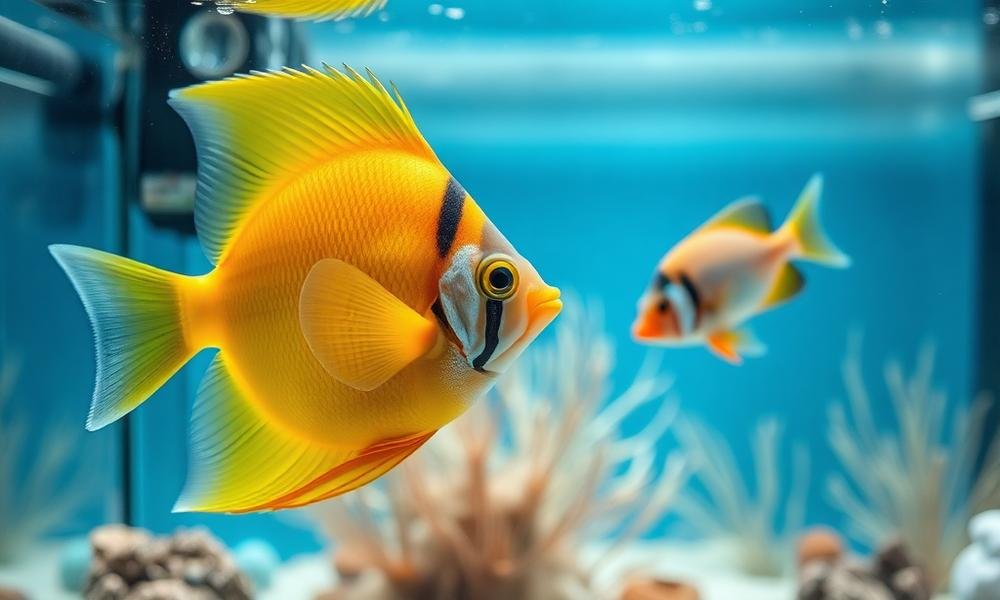
Saltwater aquariums require more equipment than freshwater tanks. You cannot skip any of these components without risking your fish's health. Budget at least $300–$600 for equipment alone on a 40-gallon setup, and expect to spend more if you plan to keep corals.
The essential equipment list includes: protein skimmer, powerhead or wavemaker for water flow, heater with temperature controller, live rock or dry rock for biological filtration, a reliable test kit, and RODI (reverse osmosis deionized) water system. A canister filter is optional but helpful for mechanical filtration and chemical media like activated carbon.
Skip the "all-in-one" starter kits that include cheap equipment. You'll end up replacing most components within 6 months. Buy quality equipment once — it saves money and frustration over the long term. Look for brands like AquaClear, Eheim, and Sicce that have proven reliability in saltwater setups.
Pro Tip: Invest in a digital refractometer instead of a swing arm hydrometer. Swing arm hydrometers are notoriously inaccurate and can give false salinity readings that stress or kill your fish. A refractometer costs about $30–$50 and provides reliable readings every time. Calibrate it monthly with distilled water to maintain accuracy.
Lighting Depends on Your Goals
If you plan to keep fish only, basic LED lighting works fine. But if you want corals — especially photosynthetic ones — you need specialized reef lighting. For soft corals like mushrooms and zoanthids, a mid range LED fixture with adjustable intensity is sufficient. For SPS corals, you'll need high output LED or T5 fixtures costing $300–$800.
Lighting is the single most expensive equipment category for reef tanks. Plan your lighting budget based on what you want to keep, not what looks impressive in the store. Fish don't need intense lighting; corals do. Also consider a timer to automate your photoperiod — 8–10 hours daily is standard for most reef tanks.
The Importance of a Reliable Heater
Saltwater fish are sensitive to temperature swings. A 2–3°F change within an hour can cause stress, disease outbreaks, or death. Use two smaller heaters instead of one large one — if one fails, the other maintains a safe temperature. For a 40-gallon tank, two 150-watt heaters provide redundancy.
Always use a separate temperature controller with a probe. Many built in heater thermostats are inaccurate by 2–4°F. An external controller like an Inkbird costs $30–$50 and can prevent catastrophic overheating or chilling. Set it to 77°F with a 1°F tolerance.
How Do You Cycle a Saltwater Aquarium Properly?
Cycling establishes the beneficial bacteria that convert toxic ammonia into less harmful nitrates. This process takes 4–8 weeks and cannot be rushed. Adding fish before the cycle completes will almost certainly kill them due to ammonia poisoning.
Start by setting up your tank with saltwater mixed to 1.024 specific gravity, adding live rock or dry rock, and installing all equipment. Then introduce an ammonia source — either pure ammonia (dose to 2–4 ppm) or a small piece of raw shrimp. Test ammonia, nitrite, and nitrate every 2–3 days using a liquid test kit, not test strips.
The cycle is complete when you can dose 2 ppm of ammonia and both ammonia and nitrite read zero within 24 hours. This confirms your biological filter is mature enough to handle fish waste. Do not add fish until you see this pattern consistently for at least 3 consecutive tests.
During cycling, keep the tank dark to prevent algae blooms from excess nutrients. Perform small water changes only if ammonia exceeds 5 ppm, which can stall the cycle. Patience here determines your success for the next year — rushing is the #1 mistake new saltwater hobbyists make.
Pro Tip: Use bottled bacteria products like Dr. Tim's One and Only or Bio Spira to speed up cycling to 2–3 weeks. These contain live nitrifying bacteria that colonize your rock and sand faster than natural seeding. They're not magic — you still need to test and confirm the cycle — but they significantly reduce waiting time and give you a head start on stable water chemistry.
Live Rock vs. Dry Rock: Which Is Better?
Live rock comes directly from the ocean and contains beneficial bacteria, copepods, and other microfauna. It helps cycle the tank faster but can introduce unwanted pests like mantis shrimp, bristle worms, or aiptasia anemones. Dry rock is cheaper, pest-free, and requires seeding with bacteria to kickstart the cycle.
Most experienced hobbyists now recommend dry rock or "real reef rock" (man made porous rock) for new setups. It gives you more control over your tank's biology and avoids introducing invasive species. You'll need about 1–1.5 pounds of rock per gallon of water. Arrange it with plenty of gaps and caves for fish to hide and water to flow through.
What About Sand Bed?
A sand bed provides biological filtration and a natural habitat for burrowing fish and invertebrates. Use aragonite sand (not play sand or silica sand) at a depth of 1–2 inches for most tanks. Deeper sand beds can create anaerobic zones that produce hydrogen sulfide, a toxic gas.
Rinse the sand thoroughly before adding it to the tank. Unrinsed sand clouds the water for days and can smother your rock. Add sand after the rock is in place to prevent rock slides. A 40-gallon tank needs about 20–30 pounds of sand for a 1-inch bed.
What Fish Should a Beginner Keep in a Saltwater Tank?
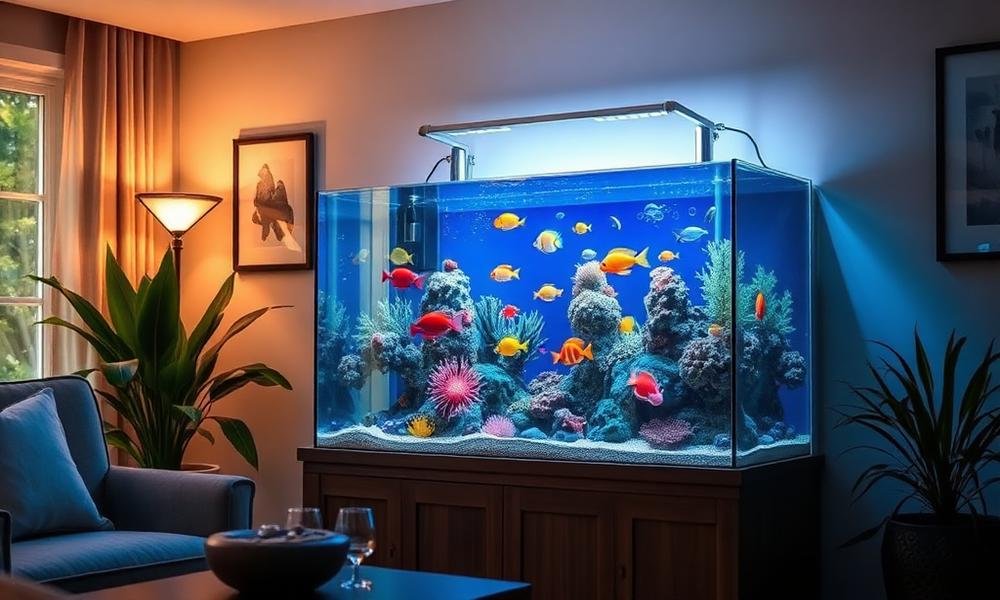
Not all saltwater fish are created equal when it comes to hardiness. Some species are nearly bulletproof, while others die within days of the slightest stress. Stick to beginner friendly species for your first 6 months to build confidence and experience.
Excellent starter fish include: Ocellaris clownfish, yellow watchman goby, banggai cardinalfish, firefish, and chromis. These fish tolerate minor water quality fluctuations and accept prepared foods readily. Avoid tangs, angelfish, and mandarin dragonets until you have at least 6 months of experience — they require larger tanks, specialized diets, or pristine water conditions.
Add fish slowly — no more than one or two at a time, with 2–4 weeks between additions. This allows your biological filter to adjust to the increased bioload. Quarantine new fish in a separate tank for 4 weeks before adding them to your display tank. This simple step prevents introducing diseases like ich or velvet that can wipe out your entire tank.
How Many Fish Can You Keep?
A general rule for saltwater tanks is one inch of fish per 5 gallons of water. However, this is a rough guideline — some fish are more active and produce more waste than others. For a 40-gallon tank, start with 3–4 small fish and observe water parameters before adding more.
Overstocking is one of the most common beginner mistakes. More fish means more waste, which means more frequent water changes and higher risk of ammonia spikes. It's always better to understock than overstock in a saltwater aquarium. Your fish will be healthier and your maintenance will be easier.
Compatibility Matters
Not all fish get along in a confined space. Research compatibility before buying. Clownfish can be territorial, especially if they pair up. Avoid mixing multiple species of dottybacks or damselfish, which are notoriously aggressive. Use a compatibility chart from a resource like LiveAquaria or ask your local fish store for guidance.
Add less aggressive fish first and more territorial fish last. This gives the peaceful fish time to establish their territories before the bullies arrive. A well planned community is far more enjoyable than a tank full of stressed, hiding fish.
How Do You Maintain a Saltwater Aquarium Weekly?
Consistent maintenance is the backbone of a healthy saltwater tank. Skip a week and you might recover — skip two weeks and you're asking for trouble. A well maintained tank requires about 30–60 minutes of work each week, plus a monthly deep clean.
Your weekly routine should include: testing salinity, pH, ammonia, nitrite, and nitrate; performing a 10–research suggests 20% water change with pre mixed RODI water; cleaning the protein skimmer cup; wiping algae off the glass; and inspecting all equipment for proper function. Monthly, you should also test calcium, alkalinity, and magnesium if keeping corals, plus clean your powerheads and filter intakes.
Always mix new saltwater 24 hours before using it. This allows the salt to fully dissolve and the water to reach the correct temperature and pH. Dump in freshly mixed saltwater and you risk shocking your fish with sudden changes in salinity or temperature. Use a dedicated mixing bucket with a powerhead for circulation and a heater to match your tank temperature.
Pro Tip: Create a maintenance log — either a notebook or a spreadsheet. Record test results, water change dates, and observations about fish behavior. This helps you spot trends before they become problems. A sudden nitrate spike or appetite loss is much easier to catch when you have written records spanning weeks or months.
What About Algae Control?
Some algae growth is normal in new tanks — it's part of the maturing process. But excessive algae usually indicates excess nutrients or lighting issues. Reduce lighting duration to 6–8 hours daily and consider adding a clean up crew of snails, hermit crabs, and a lawnmower blenny. A good clean up crew can prevent most algae problems before they start.
If you're battling persistent hair algae, check your RODI water quality. A failing RODI membrane can allow phosphates and silicates through, fueling algae blooms. Replace RODI filters every 6–12 months depending on usage. Also check your feeding habits — overfeeding is a primary source of excess nutrients in most tanks.
Dealing with Common Problems
Even well maintained tanks encounter issues. Cloudy water often indicates a bacterial bloom from overfeeding or dead fish. Stop feeding for 2–3 days and perform a research suggests 20% water change. Cyanobacteria (red slime) appears as red or purple mats on the sand and rock. Increase water flow, reduce nutrients, and manually siphon out the slime during water changes.
White spot disease (ich) appears as tiny white dots on fish fins and bodies. Quarantine affected fish and treat with copper based medications in a separate tank. Never treat the display tank with copper if you keep invertebrates — it will kill your snails, shrimp, and corals.
What Are the Most Common Beginner Mistakes to Avoid?
Every experienced saltwater hobbyist has made mistakes. Learning from others saves you time, money, and heartache. The most common error is rushing the cycle — patience is your most valuable tool in this hobby.
Other frequent mistakes include: adding too many fish too quickly, using tap water instead of RODI water, skipping quarantine, overfeeding, and neglecting regular testing. Each of these errors can trigger a chain reaction of water quality problems that stress or kill your fish.
Another overlooked mistake is not researching fish compatibility before buying. A peaceful community can turn into a war zone with one wrong addition. Always research each species' temperament, adult size, and tank requirements before bringing it home. Your local fish store's advice is helpful, but verify with multiple sources.
Pro Tip: Join a local reef club or online forum like Reef2Reef before you start. Experienced hobbyists are generous with advice and often sell used equipment at a fraction of retail price. You'll also find local sources for healthy, quarantined fish and corals.
Budgeting for the Unexpected
Saltwater aquariums have ongoing costs beyond the initial setup. Equipment fails — heaters stick, pumps seize, and lights burn out. Set aside $100–$200 as an emergency fund for replacement parts. A failed heater on a cold night can kill your entire tank within hours if you don't have a backup.
Livestock losses also happen. Even experienced hobbyists lose fish occasionally. Don't let this discourage you. Learn from each loss by testing your water and reviewing your maintenance routine. Most losses trace back to a specific cause that you can correct.
Ready to start your saltwater journey with the right equipment?
Browse Aquarium Options →
For broader reference and guidance, akc.org provides useful context on pet health and care decisions.
For broader reference and guidance, petmd.com provides useful context on pet health and care decisions.
Frequently Asked Questions
How much does it cost to start a saltwater aquarium?
A basic 40-gallon saltwater setup costs $500–$1,500 for tank, stand, equipment, and initial livestock. Ongoing costs include $20–$40 monthly for salt mix, RODI filters, and electricity. Corals and more exotic fish can significantly increase both initial and ongoing expenses, potentially reaching $2,000–$5,000 for a fully stocked reef tank.
Can you use tap water for a saltwater aquarium?
No. Tap water contains chlorine, chloramines, nitrates, phosphates, and heavy metals that harm marine life. You must use RODI (reverse osmosis deionized) water or purchased distilled water. A basic RODI system costs $100–$200 and pays for itself within a year versus buying water. Never use softened water either — the salt used in softeners is harmful to marine life.
How long does a saltwater aquarium take to cycle?
A standard cycle takes 4–8 weeks. Using bottled bacteria products can reduce this to 2–3 weeks, but you must still test to confirm the cycle is complete. The cycle is done when you can dose 2 ppm ammonia and both ammonia and nitrite read zero within 24 hours. Never rush this step — adding fish before the cycle completes is almost always fatal.
What is the easiest saltwater fish to keep?
Ocellaris clownfish are the most beginner friendly saltwater fish. They're hardy, accept a variety of foods, and tolerate minor water quality fluctuations. They're also readily available and relatively inexpensive at $20–$40 each. Avoid wild caught specimens that may carry parasites — tank bred clownfish are healthier and more adaptable. They also often pair up naturally in home aquariums.
Do you need a protein skimmer for a saltwater aquarium?
Yes, a protein skimmer is essential for most saltwater tanks. It removes organic waste before it breaks down into ammonia, reducing the load on your biological filter. For tanks under 20 gallons, frequent water changes can substitute, but for larger tanks a skimmer is non-negotiable. Choose a skimmer rated for 1.5–2 times your tank volume for best performance.
How often should you change water in a saltwater aquarium?
Change 10–research suggests 20% of the water every week. This removes accumulated nitrates, replenishes trace elements, and maintains stable water chemistry. Skipping water changes leads to nutrient buildup, algae outbreaks, and stressed fish. Consistency matters more than the exact percentage — a research suggests 10% change every week is better than a research suggests 30% change every three weeks.
Can you keep corals with fish in a saltwater aquarium?
Yes, but it requires more equipment and experience. Corals need stable water parameters, strong lighting, and supplemental calcium, alkalinity, and magnesium. Start with hardy soft corals like mushrooms, zoanthids, or leather corals before attempting stony corals. Many fish are coral-safe, but some species like angelfish and butterflyfish will nip at corals.
What is the biggest mistake new saltwater hobbyists make?
The biggest mistake is rushing. New hobbyists add fish too quickly, skip the cycle, or cut corners on equipment. This leads to fish deaths, algae blooms, and frustration. The second biggest mistake is not quarantining new fish — a single infected fish can wipe out your entire tank within days. Take your time at every step.