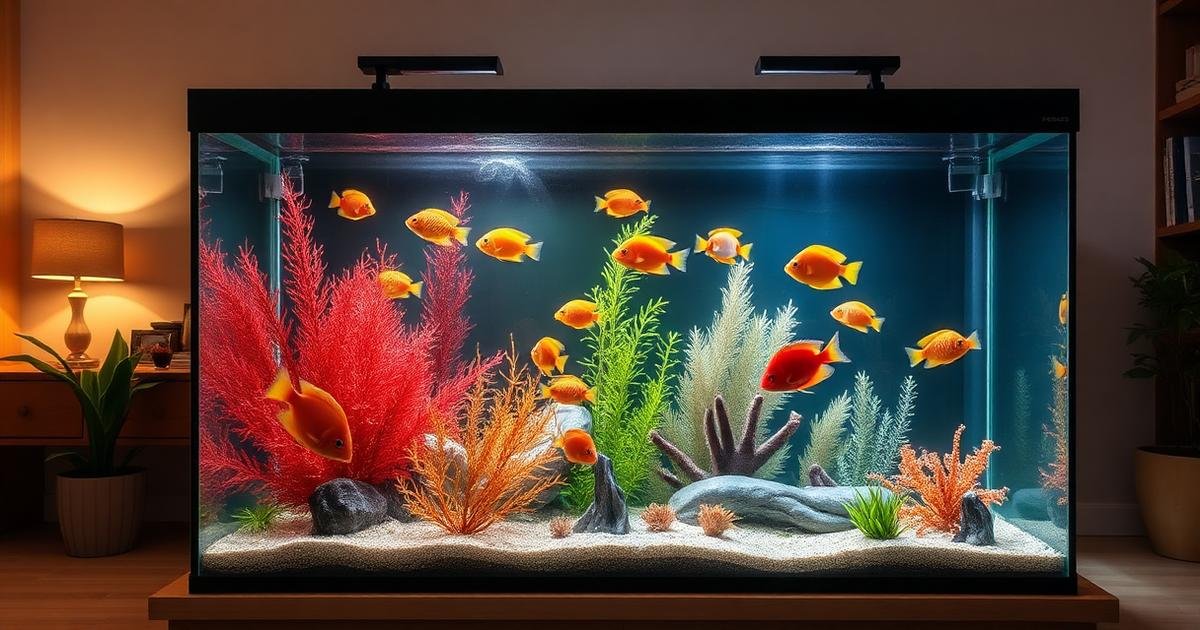
Choosing between a freshwater vs saltwater aquarium is one of the biggest decisions you'll make as an aquarist. Freshwater setups are cheaper, easier to maintain, and ideal for beginners, while saltwater tanks offer stunning marine life but demand significantly more time, money, and expertise. Your choice ultimately depends on your budget, experience level, and the type of aquatic life you want to keep.
Freshwater vs saltwater aquarium: For beginners, a freshwater aquarium is the clear winner. It costs 50–70% less to set up than an equivalent saltwater tank, requires less specialized equipment, and the fish are generally hardier. You can successfully maintain a 20-gallon freshwater tank with weekly 10–15% water changes and a basic
Quick Answer: Which aquarium type is best for beginners?
For beginners, a freshwater aquarium is the clear winner. It costs 50–research suggests 70% less to set up than an equivalent saltwater tank, requires less specialized equipment, and the fish are generally hardier. You can successfully maintain a 20-gallon freshwater tank with weekly 10–research suggests 15% water changes and a basic filter. Saltwater tanks demand daily monitoring, expensive lighting, and a much steeper learning curve.
For a complete guide on this topic, see the Aquarium Setup Guide.
This freshwater vs saltwater aquarium decision works best when the owner compares daily fit, tolerance, and practical consistency together.
What are the key differences between freshwater and saltwater aquariums?
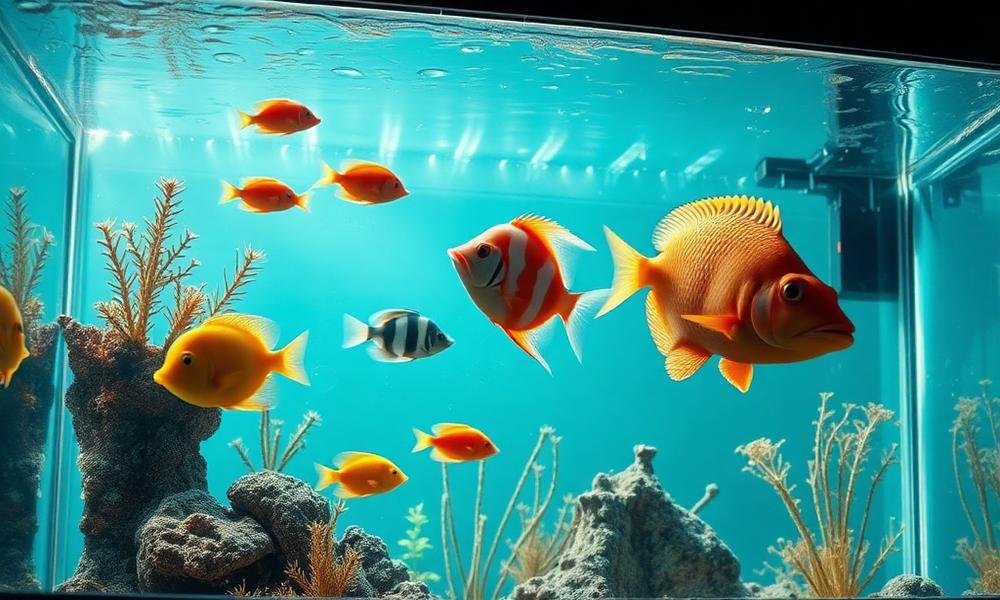
The fundamental difference is the salinity of the water, but that single factor changes everything about how you set up and maintain the tank. Freshwater contains less than 0.5 parts per thousand (ppt) of salt, while saltwater ranges from 30–35 ppt. This affects the fish you can keep, the equipment you need, and the daily care required.
For many homes, the right freshwater vs saltwater aquarium choice is the one that stays reliable under ordinary daily conditions.
Freshwater tanks are biologically simpler. The nitrogen cycle works the same way, but beneficial bacteria colonies establish faster in freshwater. You can use tap water with a simple dechlorinator. Saltwater requires synthetic sea salt mixes, reverse osmosis (RO) water, and constant monitoring of specific gravity, alkalinity, calcium, and magnesium levels.
The cost difference is dramatic. A basic 20-gallon freshwater setup costs $150–$300. A 20-gallon saltwater setup with live rock, protein skimmer, and proper lighting runs $500–$1,200. Larger tanks multiply these costs further. According to the AVMA pet owner resources, the initial investment for a saltwater tank is typically 3–5 times higher than freshwater.
Maintenance time is another major factor. Freshwater tanks need 30–60 minutes of weekly maintenance. Saltwater tanks require 2–4 hours weekly, plus daily checks of water parameters. This isn't a hobby you can ignore for a week.
Pro Tip: Start with a 20-gallon freshwater tank if you're new to the hobby. It's large enough to be stable but small enough to manage easily. A 10-gallon tank is actually harder to maintain because water parameters fluctuate faster.
How do equipment requirements differ between the two types?
Both freshwater and saltwater aquariums need a tank, filter, heater, and lighting. But the quality and cost of these components vary enormously. Understanding these differences is crucial when comparing freshwater vs saltwater aquarium options.
Filtration Systems
Freshwater tanks can use simple hang-on-back (HOB) filters or sponge filters. A $30–$60 filter is sufficient for most freshwater setups. Saltwater tanks require much more robust filtration. You'll need a protein skimmer ($100–$400) to remove organic waste before it breaks down into harmful compounds. Many saltwater aquarists also use sump systems ($200–$600) for additional biological filtration.
Lighting Requirements
Freshwater planted tanks need moderate lighting, typically LED fixtures costing $50–$150. Saltwater tanks, especially those with corals, require high intensity lighting. Metal halide or high end LED systems for reef tanks cost $300–$2,000. The light intensity needed for coral photosynthesis is 5–10 times higher than what freshwater plants need.
Water Preparation
Freshwater is straightforward: dechlorinate tap water and it's ready. Saltwater requires mixing synthetic sea salt with RO water. An RO/DI filtration system costs $100–$300. A refractometer to measure salinity costs $30–$60. You'll also need test kits for calcium, alkalinity, and magnesium — none of which matter for freshwater.
Pro Tip: Don't skimp on the protein skimmer for saltwater. A good skimmer removes waste before it becomes toxic ammonia. This single piece of equipment prevents more tank crashes than any other component. Spend at least $150 on a quality model.
For a deeper look at filtration options, check our Best Aquarium Filter Types guide.
Which fish species can you keep in each type?
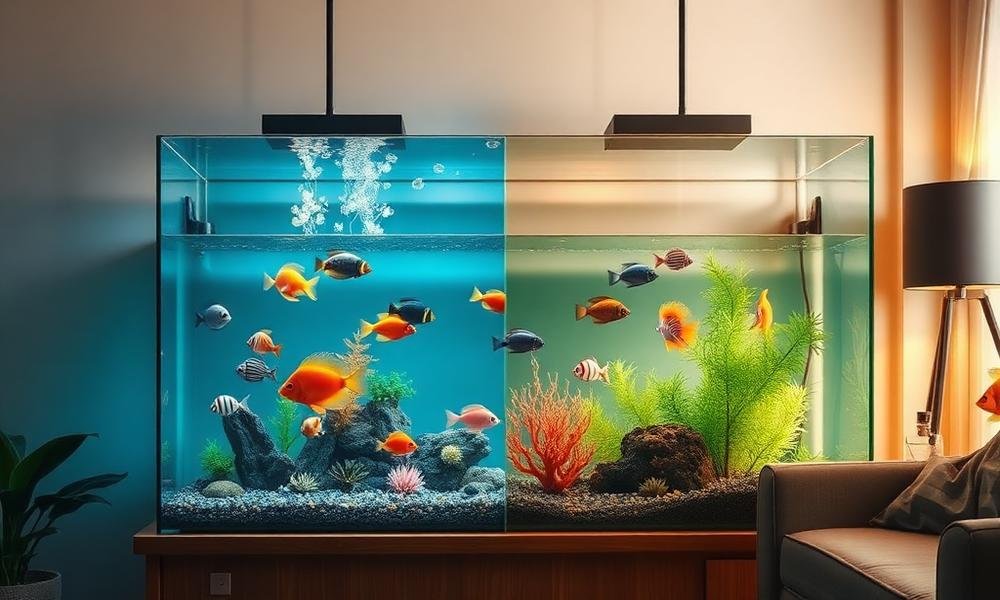
The livestock options are the most exciting part of the freshwater vs saltwater aquarium decision. Freshwater offers incredible diversity with over 15,000 species, including community fish like tetras, cichlids, goldfish, and bettas. You can create stunning planted tanks with colorful schooling fish for under $100.
Saltwater fish are more expensive — a single clownfish costs $20–$40, while more exotic species like angelfish or tangs run $50–$200 each. Many saltwater fish require large tanks. A single blue tang needs a 100-gallon tank minimum. Invertebrates like shrimp, crabs, and corals add another layer of complexity and cost.
Hardiness is a major consideration. Freshwater fish are generally bred in captivity and adapted to aquarium life. Most saltwater fish are wild-caught, which means they're stressed, may carry diseases, and have specific dietary needs. According to the AKC behavior guides, understanding an animal's natural habitat is key to successful care — this applies to fish too.
Compatibility is easier in freshwater. You can mix many species from different continents successfully. Saltwater requires careful research — some species are highly aggressive or have specific tankmate requirements. A mistake can cost you hundreds of dollars in lost fish.
Pro Tip: For your first saltwater fish, choose captive bred species like clownfish or banggai cardinalfish. They're hardier, already adapted to aquarium life, and don't impact wild populations. They cost more upfront but have much higher survival rates.
What are the biggest mistakes beginners make with each tank type?
With freshwater tanks, the most common mistake is overstocking. Beginners see an empty tank and want to fill it immediately. The rule of thumb is 1 inch of fish per gallon of water, but this is a rough guideline. Overstocking leads to ammonia spikes, stressed fish, and frequent disease outbreaks. Start with 3–4 small fish and add more slowly over 4–6 weeks.
Overfeeding is another widespread error. Uneaten food decays and produces ammonia. Feed only what your fish can consume in 2 minutes, once or twice daily. A 24-hour fast once per week actually improves fish digestion and water quality. Most fish can go several days without food without issue.
For saltwater beginners, the biggest mistake is rushing the cycle. Saltwater tanks need 6–12 weeks to fully cycle, and impatient aquarists often add fish too early. The result is "new tank syndrome" where ammonia and nitrite spike, killing expensive fish within days. Test your water weekly and wait until both ammonia and nitrite read zero for at least one week before adding any livestock.
Another critical saltwater mistake is poor acclimation. Saltwater fish are extremely sensitive to changes in salinity and temperature. Drip acclimation over 45–60 minutes is essential for all new arrivals. Float the bag for 15 minutes to equalize temperature, then slowly drip tank water into the bag. Never pour bag water directly into your display tank.
Pro Tip: For saltwater, invest in a quarantine tank before buying your first fish. A simple 10-gallon tank with a sponge filter costs under $100. Quarantine all new fish for 4 weeks before adding them to your display. This single practice prevents research suggests 90% of disease outbreaks.
What is the total cost comparison between freshwater and saltwater?
Let's break down the real numbers. A 20-gallon freshwater setup with fish, gravel, plants, and basic equipment costs $200–$400 total. A 20-gallon saltwater setup with live rock, protein skimmer, proper lighting, and a few fish costs $800–$1,500. The ongoing costs are equally different.
Monthly expenses for freshwater are minimal: $5–$10 for dechlorinator, fish food, and occasional filter media. Saltwater monthly costs run $30–$60 for salt mix, RO water replacement, test kit reagents, and specialized foods. You'll also replace RO/DI filters every 6–12 months at $30–$60.
Electricity costs are higher for saltwater. The protein skimmer, stronger lighting, and additional pumps run 24/7. Expect your electric bill to increase $10–$25 per month for saltwater versus $3–$8 for freshwater. Over a year, this adds up significantly.
Emergency costs are also higher for saltwater. A heater failure in freshwater might cost $20 to replace. In saltwater, losing power for 6 hours can crash the entire system, costing hundreds in lost livestock. Many saltwater aquarists invest in backup power systems ($200–$500).
| Category | Freshwater (20 gal) | Saltwater (20 gal) |
|---|---|---|
| Initial Setup | $200–$400 | $800–$1,500 |
| Monthly Supplies | $5–$10 | $30–$60 |
| Monthly Electricity | $3–$8 | $10–$25 |
| First Year Total | $250–$500 | $1,000–$1,800 |
| Fish Cost (5 fish) | $15–$50 | $100–$400 |
| Emergency Backup | $0–$50 | $200–$500 |
How do maintenance routines compare?
Freshwater maintenance is straightforward. Weekly tasks take 30–60 minutes: test water parameters, change 10–research suggests 15% of the water, clean the glass, and rinse filter media in tank water. Monthly, you clean the filter thoroughly and trim any live plants. This routine is sustainable for most people.
Saltwater maintenance is more demanding. Daily tasks include checking temperature, salinity, and observing fish behavior. Weekly tasks take 2–3 hours: mixing saltwater for water changes, testing calcium/alkalinity/magnesium, cleaning the protein skimmer, and removing algae. Monthly tasks include cleaning pumps, replacing filter socks, and calibrating equipment.
Water changes are more complex for saltwater. You must pre mix saltwater 24 hours in advance, ensure it's the exact same temperature and salinity as the tank, and slowly add it. A mistake during a water change can stress or kill sensitive fish and corals. Freshwater water changes take 15 minutes with no preparation.
Algae management is harder in saltwater. High intensity lighting and nutrient levels create ideal conditions for algae blooms. You'll need algae eating cleanup crews (snails, crabs, shrimp) and potentially chemical filtration. Freshwater algae issues are usually solved by adjusting lighting duration or adding a few algae eating fish.
Pro Tip: Keep a maintenance log for any tank, but especially for saltwater. Record daily temperature, salinity, and any parameter changes. This helps you spot trends before they become problems. A simple notebook or aquarium app works great.
What is the learning curve like for each type?
Freshwater aquariums have a gentle learning curve. You can learn the basics of the nitrogen cycle, water changes, and fish compatibility within a few weeks. Most mistakes are forgiving — a missed water change or slightly overfeeding won't crash the tank. You can keep a freshwater tank running smoothly with basic knowledge and consistent effort.
Saltwater has a steep learning curve that continues for years. Even experienced aquarists encounter problems with coral health, parasite outbreaks, and mysterious fish deaths. You need to understand water chemistry at a deeper level, including calcium and alkalinity balance for corals. A single mistake like forgetting to top off evaporated water can raise salinity to lethal levels within days.
The time investment for learning is substantial. Expect to spend 2–4 hours per week reading forums, watching videos, and researching your specific livestock. Many saltwater hobbyists spend their first year just keeping fish alive before attempting corals. Patience is not optional — it's mandatory.
Support communities exist for both types, but saltwater communities are more specialized. Local fish stores with saltwater expertise are rarer, especially outside major cities. Online forums like Reef2Reef and Nano Reef are excellent resources, but you'll need to verify advice from multiple sources.
Pro Tip: Join a local aquarium club before committing to either type. Most cities have freshwater clubs, and many have saltwater chapters. Members often sell used equipment at research suggests 50% off retail and share hard won local knowledge about water sources and fish availability.
Ready to start your aquarium journey? We've curated the best tank options for every experience level.
Browse Aquarium Options →
Frequently Asked Questions
Can I convert a freshwater tank to saltwater?
Yes, but you'll need to replace the filter, substrate, and lighting. Glass tanks can be converted, but silicone seals may degrade faster in saltwater. You'll also need to completely dry out the tank and start the nitrogen cycle from scratch. It's often cheaper to buy a dedicated saltwater setup.
Which type of aquarium is more expensive long-term?
Saltwater is significantly more expensive long-term. Over three years, a 20-gallon freshwater tank costs $300–$600 total. A 20-gallon saltwater tank costs $1,500–$3,000. The ongoing costs for salt mix, RO water, test kits, and specialized equipment add up to $200–$400 per year.
Can I keep saltwater fish in freshwater?
No, saltwater fish cannot survive in freshwater. Their bodies are adapted to osmoregulate in saltwater, and freshwater causes their cells to swell and burst. Similarly, freshwater fish cannot survive in saltwater. Always research the specific needs of any fish before purchasing.
Which type of aquarium is better for planted tanks?
Freshwater is far better for planted tanks. Hundreds of freshwater plant species thrive in aquariums. Saltwater "plants" are actually macroalgae, which are harder to maintain and less diverse. Freshwater planted tanks are also cheaper to light and don't require the specialized water chemistry that coral reefs need.
How long does it take to cycle each type of aquarium?
Freshwater tanks cycle in 4–6 weeks. Saltwater tanks take 6–12 weeks, sometimes longer with live rock. The nitrogen cycle works the same way, but beneficial bacteria establish slower in saltwater. Never add fish until ammonia and nitrite read zero, regardless of tank type.
Which type has more colorful fish?
Saltwater fish generally have more vivid, intense colors. Species like mandarin fish, clownfish, and angelfish display brilliant oranges, blues, and yellows. However, many freshwater fish like bettas, discus, and rainbowfish are also stunningly colorful. Saltwater colors tend to be more neon and metallic in appearance.
Can I use tap water for a saltwater aquarium?
No, tap water contains chloramines, phosphates, and other contaminants that harm saltwater fish and corals. You must use reverse osmosis (RO) or deionized (DI) water. Tap water in saltwater tanks causes algae blooms and poor coral growth. An RO/DI system is a necessary investment for any saltwater setup.
Which type is better for a child's first aquarium?
Freshwater is the only practical choice for children. A 10-gallon freshwater tank with hardy fish like guppies or platies teaches responsibility without overwhelming complexity. Children can help with feeding and simple water changes. Saltwater's cost, complexity, and daily monitoring requirements are unrealistic for most young aquarists.