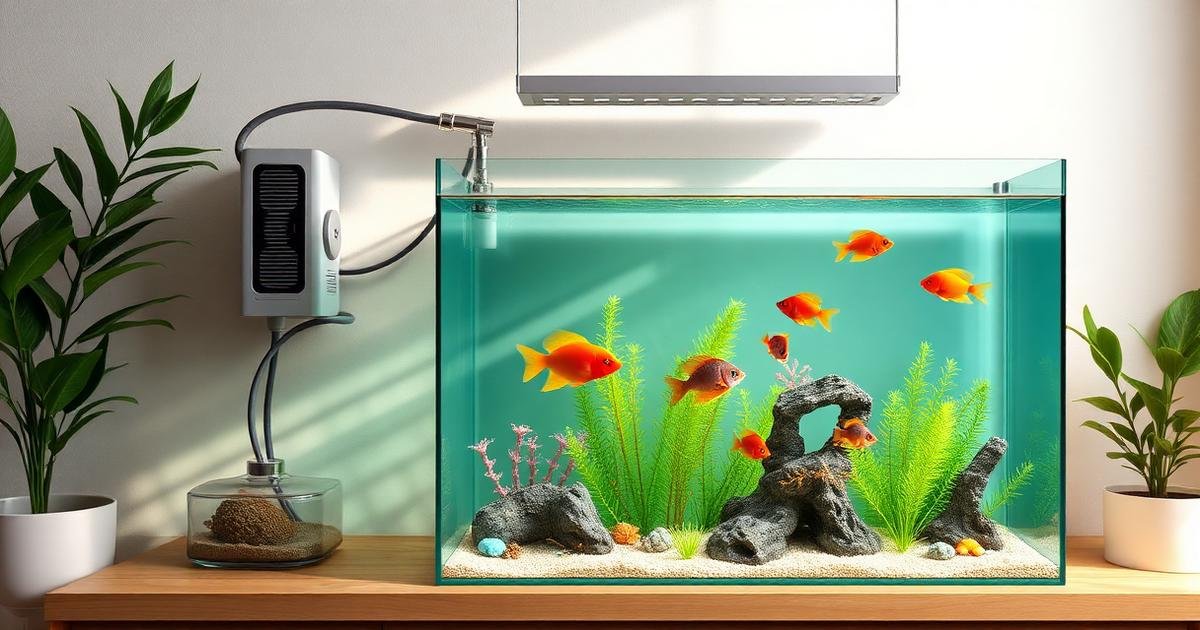
Choosing the best aquarium heater for your tank isn't just about picking the cheapest option on the shelf. It is the single most critical piece of equipment for your fish's survival. A reliable heater maintains a stable temperature, preventing the stress and disease that come from sudden fluctuations. For most home aquariums, a fully submersible, adjustable heater with a built in thermostat rated at 3–5 watts per gallon is the gold standard. Without a properly sized unit, your fish face temperature swings that weaken their immune systems and shorten their lifespan.
Best aquarium heater: The best aquarium heater for most setups is a fully submersible, adjustable unit with a separate thermostat controller, rated at 3–5 watts per gallon of water. For tanks under 20 gallons, a 50-watt preset heater works well. For larger tanks, a 200–300 watt heater with a digital controller provides t
Quick Answer: What is the best aquarium heater for a stable tank?
The best aquarium heater for most setups is a fully submersible, adjustable unit with a separate thermostat controller, rated at 3–5 watts per gallon of water. For tanks under 20 gallons, a 50-watt preset heater works well. For larger tanks, a 200–300 watt heater with a digital controller provides the most reliable temperature stability. Brands like Eheim and Fluval consistently deliver the durability and accuracy you need for long term fish health.
For a complete guide on this topic, see the Aquarium Setup Guide.
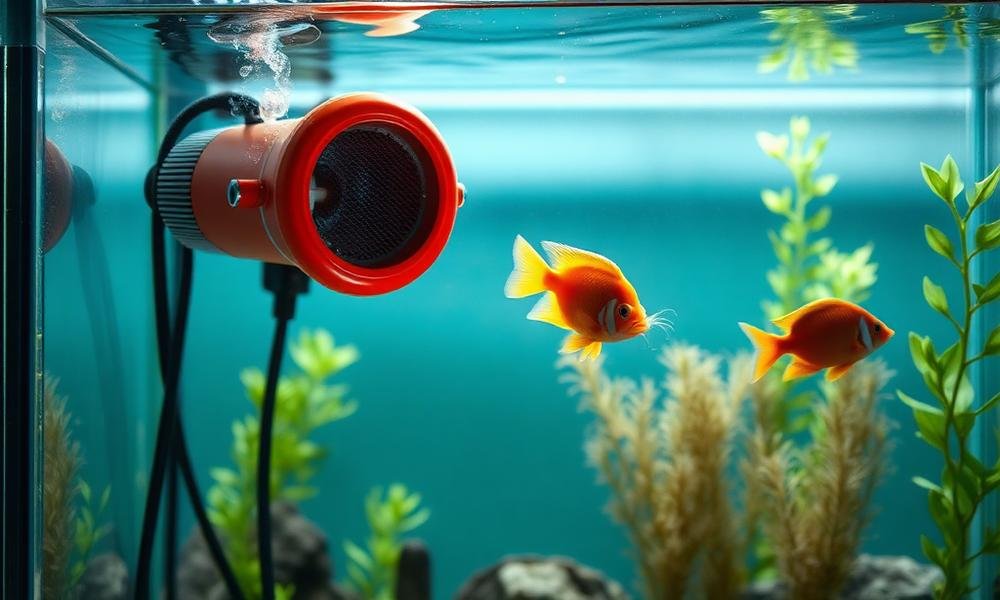
Why Heater Wattage Matters More Than You Think
Matching wattage to your tank size is non-negotiable. A heater that is too weak will struggle to maintain temperature, while an oversized unit can overheat the water and cook your fish. The rule of thumb is 3–5 watts per gallon, but this depends on your room temperature.
If your home stays at 68°F (20°C) or warmer, aim for 3 watts per gallon. If your home is cooler, or if the tank is in a drafty area, go with 5 watts per gallon. For a 20-gallon tank, a 75–100 watt heater is ideal. For a 55-gallon tank, a 200–250 watt heater is the right choice.
Pro Tip: Always buy a heater rated slightly higher than your calculation. A 100-watt heater in a 20-gallon tank will cycle on and off less frequently than a 50-watt unit, leading to more stable temperatures and longer heater life.
Using two smaller heaters instead of one large one is a smart safety strategy. If one fails, the other maintains a survivable temperature until you notice the problem. This is especially important for large tanks over 40 gallons.
Wattage also affects how quickly your tank recovers after a water change. A properly sized heater brings the temperature back to target within 30–60 minutes. An undersized unit may take 2–3 hours, leaving your fish exposed to cold stress during that window.
Submersible vs. Hang-On-Back: Which Design Is Safer?
Submersible heaters are the modern standard for a reason. They sit entirely underwater, distributing heat evenly throughout the tank. Hang-on back heaters clip to the tank rim and are partially submerged, which makes them less efficient and more prone to temperature swings.
Submersible heaters also offer more placement flexibility. You can position them horizontally near the filter outflow for better heat distribution, or vertically in a corner. Hang-on back heaters are limited to a vertical position near the surface, which can create hot spots and poor circulation.
For any tank over 10 gallons, choose a submersible heater. The only exception is a very small nano tank (under 5 gallons), where a hang-on back heater may be the only size that fits. Even then, a fully submersible mini heater is a safer bet if you can find one that fits.
Submersible heaters also tend to have better safety ratings. Because they are designed to be fully underwater, their seals are stronger and less likely to leak. Hang-on back units have exposed electrical components at the top that can short out if splashed during maintenance.
Adjustable vs. Preset Heaters: Which One Do You Need?
Adjustable heaters let you set the exact temperature, typically between 68°F and 88°F. This is essential for species with specific requirements, like discus (82–86°F) or goldfish (68–72°F). Preset heaters are factory set to 78°F, which works for most tropical community fish.
If you keep a standard community tank with tetras, guppies, or corydoras, a preset heater is convenient and reliable. But if you breed fish, keep sensitive species, or have a hospital tank, an adjustable heater gives you the control you need.
Pro Tip: Even with an adjustable heater, always verify the temperature with a separate, accurate aquarium thermometer. Built in heater thermostats can drift over time, and a 2-degree error can stress your fish.
Digital controllers on higher end heaters allow you to set the temperature to the tenth of a degree. These are worth the investment for planted tanks or reef tanks where precision matters. A difference of even 1°F can affect plant growth rates and coral health.
Preset heaters are not adjustable at all. If your room temperature fluctuates seasonally, a preset unit may struggle to keep up. In winter, a preset 78°F heater in a cold room may only reach 74–76°F because it lacks the power to overcome the ambient temperature difference.
Safety Features That Can Save Your Fish
Auto Shut Off and Overheat Protection
Every quality heater should have an auto shut off feature that turns the unit off if it is exposed to air during water changes. Without this, a heater can crack or melt, releasing dangerous chemicals into the water.
Overheat protection prevents the heater from exceeding a safe temperature if the thermostat fails. This is a critical safety net that can prevent a tank wide disaster. Some heaters also include a thermal fuse that permanently shuts down the unit if it reaches a dangerous threshold.
Shroud and Guard Options
If you keep large, active fish like cichlids or goldfish, a heater guard is essential. These plastic sleeves prevent fish from burning themselves on the heating element. Some heaters come with built in guards; others require a separate purchase.
For shrimp tanks, a sponge guard over the heater intake prevents tiny shrimp from being sucked in and killed. Always check the safety features before buying. A heater without auto shut off is a risk you should not take, especially if you have children or pets who might bump the tank.
Electrical Safety Certifications
Look for heaters with UL or ETL certification. These independent safety ratings confirm the unit has been tested for electrical safety and will not shock you or your fish. Cheap unbranded heaters often skip this certification to save money, but the risk is not worth it.
How to Compare the Best Aquarium Heater Options
When evaluating any best aquarium heater, focus on three things: build quality, temperature accuracy, and warranty. Glass heaters are common but fragile. Titanium heaters are more durable and resistant to corrosion, making them ideal for saltwater tanks.
Temperature accuracy matters because even a 1-degree daily swing can weaken fish immune systems. Look for heaters with a stated accuracy of ±1°F or better. Digital controllers are generally more accurate than dial based ones.
Warranty length is a strong indicator of reliability. A 2-year warranty is standard for good brands. A 3-year or lifetime warranty signals exceptional confidence in best aquarium heater.
| Feature | Why It Matters | What to Look For |
|---|---|---|
| Wattage | Determines heating capacity | 3–5 watts per gallon |
| Material | Durability and safety | Titanium for saltwater, shatterproof glass for freshwater |
| Controller | Temperature precision | Digital display, ±1°F accuracy |
| Safety | Prevents overheating and damage | Auto shut-off, overheat protection |
| Warranty | Indicates reliability | 2+ years |
Based on these criteria, brands like Eheim, Fluval, and Aqueon consistently rank among the best aquarium heater options for reliability. For budget conscious owners, Hygger offers excellent value with digital controls at a lower price point.
Do not overlook customer reviews for real world performance data. A heater that looks great on paper may have a high failure rate in practice. Focus on reviews from owners with similar tank sizes and fish species to your own.
How to Choose the Right Heater for Your Specific Tank Type
Freshwater Community Tanks
For a standard freshwater community tank, a glass submersible heater with a preset temperature works perfectly. These tanks typically house tetras, guppies, platies, and corydoras that thrive at 76–80°F. A 50–100 watt heater covers most 10–20 gallon setups.
You do not need a digital controller for these fish. They are forgiving of minor temperature variations. Focus on reliability and safety features instead of precision.
Planted Tanks
Planted tanks demand more precision. Many aquatic plants thrive at 72–78°F, and temperature swings above 80°F can trigger melting in sensitive species like dwarf baby tears. A heater with a digital controller and ±0.5°F accuracy is worth the investment.
Place the heater near the filter outflow to ensure even heat distribution across the plant bed. Cold spots in the substrate can slow root growth and promote algae. A titanium heater is ideal here because it resists corrosion from CO2 injection and fertilizers.
Saltwater and Reef Tanks
Saltwater tanks require the most precise temperature control. Coral health depends on stable temperatures within 76–78°F. A swing of even 2°F can cause coral bleaching and stress fish like clownfish and tangs.
Use a titanium heater with a separate digital controller for saltwater setups. The controller should have a probe that sits directly in the tank water for accurate readings. Two smaller heaters placed at opposite ends of the tank provide redundancy and even heat distribution.
Breeding and Hospital Tanks
Breeding tanks often need temperatures 2–4°F higher than normal to trigger spawning. An adjustable heater with a wide temperature range (up to 90°F) gives you the flexibility you need. For hospital tanks, precise temperature control helps medications work effectively without adding stress.
Keep a dedicated heater for your hospital tank that you do not move between tanks. This prevents cross contamination of diseases. A 25–50 watt adjustable heater works well for most 5–10 gallon hospital setups.
Ready to find the perfect heater for your tank? Compare top rated models and read detailed reviews.
Browse Aquarium Options →
Installation Tips for Maximum Performance
Place the heater near the filter outflow for even heat distribution. This prevents hot spots and ensures all water passes through the heated area. Never bury the heater in gravel or substrate, as this can cause it to overheat and crack.
Always unplug the heater for 15 minutes before starting a water change. This allows it to cool down and prevents thermal shock when exposed to air. Plug it back in only after the tank is refilled and the heater is fully submerged.
Clean the heater glass or titanium tube monthly to remove algae and mineral buildup. A dirty heater works harder and less efficiently, shortening its lifespan and increasing your electricity bill. Use a soft algae pad or a vinegar soak for stubborn mineral deposits.
Position the heater at a 45-degree angle if you place it horizontally. This prevents air bubbles from getting trapped inside the heating element, which can cause uneven heating and premature failure. Check the heater daily for the first week after installation to confirm it is maintaining the target temperature.
Signs Your Heater Needs Replacement
If you notice your fish gasping at the surface, clustering near the filter, or showing signs of ich (white spots), check your heater immediately. These are classic signs of temperature instability. A heater that cycles on and off rapidly or makes clicking sounds is failing.
Replace any heater that shows cracks, rust, or corrosion on the metal components. Even a hairline crack can allow water into the electrical components, creating a shock hazard. Most heaters last 2–3 years before needing replacement.
Keep a backup heater on hand for emergencies. A sudden heater failure in winter can drop tank temperature by 10 degrees in hours, killing sensitive fish. A spare unit gives you time to order a replacement without panic.
Test your heater twice a year by comparing its reading to a separate thermometer. If the difference is more than 2°F, replace the heater. Drifting thermostats are a common failure mode that develops gradually, so you may not notice until your fish get sick.
Common Mistakes to Avoid When Buying a Heater
One of the biggest mistakes is buying a heater that is too small for your tank. Owners often underestimate the heating needs of a tall or wide tank. A 55-gallon tall tank needs more wattage than a 55-gallon long tank because heat rises and leaves the bottom colder.
Another mistake is relying solely on the heater's built in thermometer. These are notoriously inaccurate, especially on cheaper models. Always use a separate digital thermometer to verify the temperature. Place the thermometer probe at the opposite end of the tank from the heater to check for even heat distribution.
Do not place the heater too close to decorations or plants. This creates a microclimate that can overheat fish that swim near it. Leave at least 2 inches of clearance on all sides of the heater for proper water circulation.
Finally, never run a heater without water flow around it. If the filter stops and the water becomes stagnant, the heater can overheat the immediate area and crack. Always ensure your filter is running properly before plugging in the heater.
For broader reference and guidance, akc.org provides useful context on pet health and care decisions.
For broader reference and guidance, petmd.com provides useful context on pet health and care decisions.
Frequently Asked Questions
What size heater do I need for a 10-gallon tank?
For a 10-gallon tank, use a 50-watt heater. This provides 5 watts per gallon, which is sufficient for most tropical fish. If your room stays above 70°F, a 25-watt heater may work, but a 50-watt unit offers better stability and faster recovery after water changes.
Can I use two heaters in one tank?
Yes, using two smaller heaters is actually safer than one large one. If one fails, the other maintains a survivable temperature. For a 55-gallon tank, use two 100-watt heaters placed at opposite ends for even heat distribution. This also reduces the workload on each unit, extending their lifespan.
How long should an aquarium heater last?
A quality heater typically lasts 2–3 years with proper maintenance. Titanium heaters may last longer, up to 5 years in some cases. Replace any heater that shows cracks, rust, or inconsistent temperature readings. Keep a backup heater on hand for emergencies.
Is a preset heater good enough for tropical fish?
Yes, preset heaters set to 78°F work well for most tropical community fish like tetras, guppies, and corydoras. They are reliable and easy to use. For sensitive species or breeding tanks, an adjustable heater with a digital controller is better because it allows you to fine tune the temperature.
What happens if my heater is too powerful?
An oversized heater can overheat the water quickly, especially in small tanks. This stresses fish and can be fatal. Always match wattage to tank size. A 200-watt heater in a 10-gallon tank is dangerous; use a 50-watt unit instead. If you already own an oversized heater, use a dimmer or external controller to limit its output.
Do I need a heater guard for my aquarium?
Yes, if you keep large, active fish like cichlids or goldfish, a heater guard prevents burns. For shrimp tanks, a sponge guard protects tiny shrimp. Most freshwater community fish don't need one, but it is a cheap safety upgrade that adds peace of mind.
Can a heater break and electrocute my fish?
Yes, a cracked heater can leak electricity into the water, which can stun or kill fish. This is why you should always use a ground fault circuit interrupter (GFCI) outlet for your aquarium. Replace any heater with visible damage immediately.
What temperature should I set my heater to?
For most tropical community fish, set the heater to 78°F. For goldfish, set it to 68–72°F. For discus or angelfish, set it to 82–86°F. Always research the specific needs of your fish species before setting the temperature. A 1–2 degree buffer above the minimum is safe for most fish.