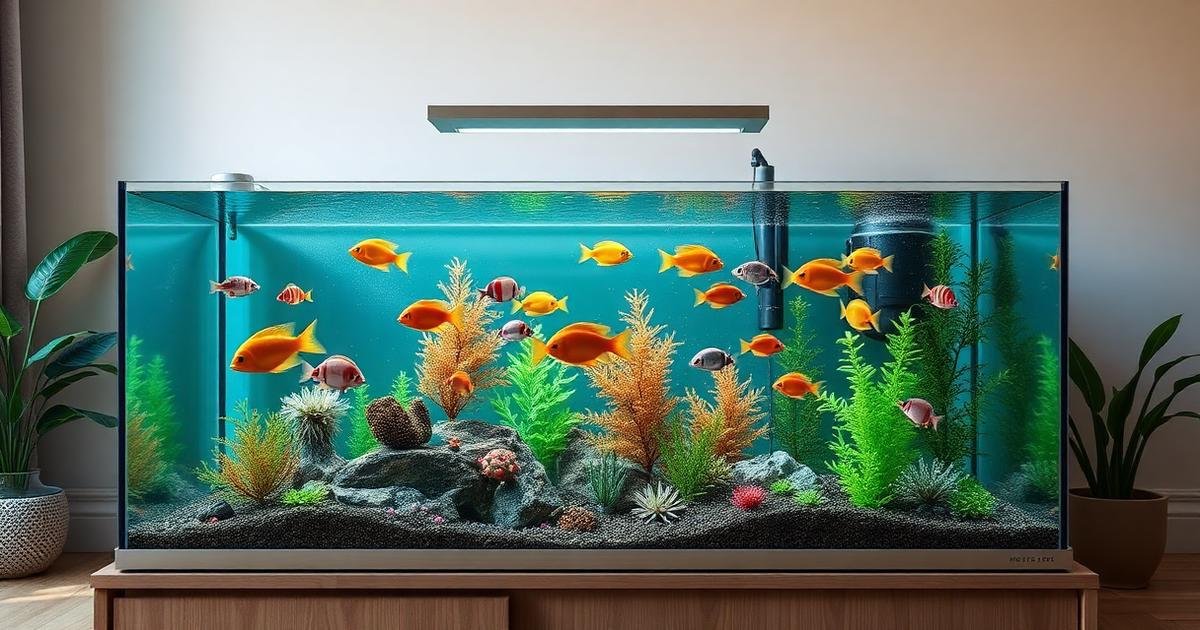
Starting a freshwater aquarium is one of the most rewarding ways to bring a slice of nature into your home. This freshwater aquarium guide will walk you through everything from tank cycling to fish selection, helping you create a thriving underwater ecosystem. By following the steps outlined here, you can set up a beautiful and healthy aquarium in 4 to 6 weeks. The process requires patience, but the payoff — watching your fish swim in a stable, clear tank — is absolutely worth it.
Freshwater aquarium guide: The fastest way to set up a freshwater aquarium is to start with a 20-gallon tank, cycle it for 4 to 6 weeks using a fishless method with ammonia, and then add hardy fish like zebra danios or platies. This reduces stress on fish and prevents common beginner mistakes like ammonia spikes.
Quick Answer: What is the fastest way to set up a freshwater aquarium for beginners?
The fastest way to set up a freshwater aquarium is to start with a 20-gallon tank, cycle it for 4 to 6 weeks using a fishless method with ammonia, and then add hardy fish like zebra danios or platies. This reduces stress on fish and prevents common beginner mistakes like ammonia spikes.
For a complete guide on this topic, see the Aquarium Setup Guide.
This freshwater aquarium guide decision works best when the owner compares daily fit, tolerance, and practical consistency together.
What Size Freshwater Aquarium Should You Start With?
Bigger is almost always better when you're new to the hobby. A 20-gallon tank is the ideal starting point because it provides more water volume, which dilutes toxins and gives you a wider margin for error.
For many homes, the right freshwater aquarium guide choice is the one that stays reliable under ordinary daily conditions.
Small tanks under 10 gallons are actually harder to maintain. Water parameters shift rapidly in small volumes, and temperature swings can kill fish within hours. A 20-gallon tank stays stable longer and lets you keep a small community of 6 to 8 fish.
A well matched freshwater aquarium guide option should support the pet clearly without making the routine harder to maintain.
Pro Tip: Avoid "bowl" or "desktop" tanks entirely. They lack the surface area for proper gas exchange and make filtration nearly impossible. A standard rectangular 20-gallon tank costs around $40 to $60 and will save you countless headaches.
Consider the space you have available. A 20-gallon tank weighs roughly 225 pounds when fully set up, so you'll need a sturdy stand or a reinforced piece of furniture. The AVMA recommends ensuring your tank is level and supported across the entire base to prevent glass stress.
If you absolutely cannot accommodate a 20-gallon tank, a 10-gallon is the next best option. It limits your fish choices — stick to a single betta or a small group of nano fish like chili rasboras — but it's still manageable with weekly water changes.
What Equipment Do You Need for a Freshwater Aquarium?
Filtration
Your filter is the heart of the aquarium. A hang-on back power filter rated for at least twice your tank volume is the most reliable choice for beginners. It provides mechanical, chemical, and biological filtration in one unit.
Sponge filters are a quieter, cheaper alternative but work best in smaller tanks or as secondary filters. Canister filters offer superior performance for larger tanks but come with a higher price tag and more complex maintenance.
Always oversize your filter if you're unsure. A filter rated for 40 gallons on a 20-gallon tank gives you better water flow and more room for beneficial bacteria. This is one of the best investments you can make in your setup.
Heater and Thermometer
Most tropical fish need water between 74°F and 82°F. A submersible heater with 3 to 5 watts per gallon of water will keep your tank at the right temperature. Always pair it with a separate thermometer to verify accuracy.
Set your heater to 78°F for a standard community tank. This temperature suits a wide range of fish, from tetras to corydoras, and promotes healthy metabolism without encouraging disease.
Buy a heater with an automatic shut off feature. If it malfunctions and runs dry, it won't shatter or overheat your tank. This small safety detail can prevent a disaster while you're away from home.
Lighting
LED lighting is the modern standard. A light on for 8 to 10 hours daily supports plant growth and brings out your fish's colors. Timers are inexpensive and make this schedule automatic.
Avoid leaving lights on 24/7 — this causes algae blooms. If you see green water or fuzzy growth on decorations, reduce lighting to 6 hours per day until the problem clears.
Substrate and Decorations
Choose a fine gravel or sand substrate at least 1 to 2 inches deep. Rinse it thoroughly before adding it to the tank to remove dust that clouds the water. Driftwood and smooth rocks provide hiding spots and reduce fish stress.
Live plants like Java fern, Anubias, and Amazon sword are excellent for beginners. They absorb nitrates, produce oxygen, and create a natural environment that fish love. Avoid plastic plants with sharp edges that can tear delicate fins.
If you want a planted tank, invest in a nutrient rich substrate like Fluval Stratum or Eco-Complete. These provide root feeding plants with essential minerals and reduce the need for liquid fertilizers in the first 6 months.
How Do You Properly Cycle a Freshwater Aquarium?
Cycling is the process of establishing beneficial bacteria that convert toxic ammonia into less harmful nitrates. This is the single most critical step in this freshwater aquarium guide — skipping it will kill your fish.
Begin with a fishless cycle. Add a source of ammonia, such as pure ammonium chloride or a pinch of fish food, until the level reads 2 to 4 ppm (parts per million) on a liquid test kit. Test the water every 2 to 3 days.
Over 4 to 6 weeks, you'll see ammonia levels drop, then nitrite levels spike, and finally nitrate levels rise. Your tank is fully cycled when both ammonia and nitrite read 0 ppm within 24 hours of adding ammonia. The ASPCA's pet care resources emphasize that patience during cycling prevents most aquarium failures.
Pro Tip: Use a liquid test kit, not test strips. Strips are less accurate and expire faster. The API Freshwater Master Test Kit is the gold standard and will last for hundreds of tests.
During the cycle, keep the filter running and maintain a temperature of 78°F to 80°F. Beneficial bacteria grow faster in warmer water. Do not add fish until the cycle is complete, no matter how tempting it is.
You can speed up the cycling process by adding a bottle of beneficial bacteria like Seachem Stability or Tetra SafeStart. These products contain live nitrifying bacteria that can cut cycling time to 2 to 3 weeks. However, always verify the cycle is complete with your test kit before adding fish.
Which Fish Are Best for a Beginner Freshwater Aquarium?
Choose hardy, peaceful fish that tolerate a range of water conditions. Zebra danios, platies, and white cloud mountain minnows are nearly bulletproof. They adapt well to minor fluctuations and rarely get sick.
Avoid aggressive or delicate species like bettas with long fins, tiger barbs, or discus fish. These require precise care and can stress out or injure other tank mates. Stick with a community setup of 6 to 8 small fish for your first tank.
Stocking density matters. A general rule is 1 inch of fish per gallon of water, but this is a starting point, not a hard rule. For a 20-gallon tank, aim for 6 to 8 fish that each reach 1.5 to 2 inches at adulthood. Overstocking leads to poor water quality and stressed fish.
Pro Tip: Quarantine new fish in a separate 5-gallon tank for 2 weeks before adding them to your main aquarium. This prevents introducing diseases like ich or velvet that can wipe out your entire tank.
Research each species' social needs. Corydoras catfish need groups of 4 or more to feel secure. Tetras also school and become stressed alone. Single species tanks can work, but a mixed community is more visually interesting and easier to manage.
Consider adding a cleanup crew from the start. A few nerite snails or a single bristlenose pleco will eat algae and leftover food, keeping your tank cleaner between water changes. Just make sure they're compatible with your chosen fish.
How Do You Set Up the Aquarium Step by Step?
Follow this exact sequence to avoid common setup mistakes. First, place your tank on a level, sturdy stand. Level it using a carpenter's level — even a slight tilt can stress the glass seams over time.
Rinse your substrate thoroughly in a bucket until the water runs clear. Spread it evenly across the bottom, sloping it slightly higher at the back for a more natural look. Add 1 to 2 inches of depth for most setups.
Install your filter and heater according to the manufacturer's instructions. Position the heater near the filter outflow to ensure even heat distribution. Fill the tank with dechlorinated water, using a plate or bowl to prevent disturbing the substrate.
Add decorations and plants after the tank is filled. Arrange driftwood and rocks first, then plant live plants by burying their roots in the substrate. Fill the tank completely and turn on all equipment to check for leaks.
Let the tank run for 24 hours before starting the cycling process. This allows the water to stabilize and lets you confirm all equipment is working correctly. Check for any temperature fluctuations or filter noise during this period.
How Often Should You Maintain a Freshwater Aquarium?
Weekly Water Changes
Change 20 to 30 percent of the water every week. Use a gravel vacuum to remove debris from the substrate while siphoning. This removes nitrates and replenishes essential minerals that fish and plants need.
Treat tap water with a dechlorinator before adding it to the tank. Chlorine and chloramines kill beneficial bacteria and harm fish gills. Seachem Prime is a reliable conditioner that also detoxifies ammonia in emergencies.
Stick to a consistent schedule. Pick one day each week for water changes and testing. Consistency prevents parameter swings that stress fish and trigger disease outbreaks.
Filter Maintenance
Rinse filter media in a bucket of old tank water every 4 to 6 weeks. Never use tap water for this — it kills the bacteria colony. Replace mechanical media like filter floss when it starts to disintegrate, but keep biological media like ceramic rings for months.
Clean the filter intake tube and impeller every 2 to 3 months. Debris buildup reduces flow and can cause the motor to overheat. A quick disassembly and rinse keeps your filter running at peak efficiency.
Algae Control
Scrape algae off the glass with a magnetic cleaner weekly. Reduce lighting to 6 hours per day if algae persists. Adding a few nerite snails or otocinclus catfish can help control algae naturally without chemicals.
If you get stubborn algae like black beard algae, reduce your light intensity and consider adding liquid carbon supplements like Seachem Excel. These target tough algae without harming your fish or plants.
How Do You Troubleshoot Common Freshwater Aquarium Problems?
| Problem | Likely Cause | Solution |
|---|---|---|
| Cloudy water | Bacterial bloom or overfeeding | Reduce feeding, wait 3-5 days, or add a UV sterilizer |
| Fish gasping at surface | Low oxygen or high ammonia | Increase surface agitation, test water, perform research suggests 50% water change |
| White spots on fish | Ich (parasite) | Raise temperature to 82°F, add aquarium salt, treat with medication |
| Green water | Excess light or nutrients | Reduce lighting to 6 hours, perform water changes, add live plants |
| Sudden fish death | Ammonia spike or temperature shock | Test water immediately, check heater, perform large water change |
Most problems in freshwater aquariums trace back to water quality. If something looks wrong, test your water first. Ammonia and nitrite should always be 0 ppm, and nitrates should stay below 40 ppm for most community fish.
Keep a log of your water tests and maintenance. This helps you spot trends before they become emergencies. A simple notebook or a free app like Aquarium Note works perfectly.
For persistent issues like recurring algae or unexplained fish loss, check your tap water parameters. Some municipal water supplies contain high levels of phosphates or nitrates that fuel algae and stress fish. A reverse osmosis unit can solve this if your tap water is problematic.
What Are the Best Plants for a Beginner Freshwater Aquarium?
Live plants are not just decorative — they actively improve water quality by absorbing nitrates and producing oxygen. Start with easy, low light species that don't require CO2 injection or strong lighting.
Java fern is the hardiest plant for beginners. It grows attached to driftwood or rocks and thrives in low light. Anubias is equally forgiving and grows slowly, making it perfect for foreground placement.
Amazon sword is a classic background plant that grows tall and lush. It needs a nutrient rich substrate or root tabs to thrive. Hornwort and water wisteria are fast growing stem plants that absorb excess nutrients and help prevent algae.
Floating plants like frogbit or duckweed are excellent nitrate sponges. They grow rapidly and provide shade that reduces algae. Just skim off excess growth weekly to prevent them from blocking all light to lower plants.
Pro Tip: Dip new plants in a diluted bleach solution (1 part bleach to 19 parts water) for 2 minutes, then rinse thoroughly. This kills snail eggs and parasites that hitchhike into your tank.
Ready to build your dream aquarium? Get the right equipment from day one.
Browse Aquarium Options →
Frequently Asked Questions
How long does it take to set up a freshwater aquarium?
Setting up the physical tank takes 2 to 3 hours. Cycling the water to establish beneficial bacteria takes 4 to 6 weeks. You can add fish only after the cycle is complete, so plan for a total of 5 to 7 weeks from start to swimming fish.
Can you put tap water directly into a freshwater aquarium?
No. Tap water contains chlorine and chloramines that kill fish and beneficial bacteria. You must treat tap water with a dechlorinator before adding it to the tank. Let treated water sit for 15 minutes to ensure the chemicals are neutralized.
How many fish can you put in a 20-gallon freshwater aquarium?
A 20-gallon tank can safely hold 6 to 8 small community fish that reach 1.5 to 2 inches at adulthood. Overstocking causes ammonia spikes and stressed fish. Always research the adult size of each species before adding them.
What is the easiest fish to keep in a freshwater aquarium?
Zebra danios are the easiest fish for beginners. They tolerate temperatures from 64°F to 82°F, eat most foods, and rarely get sick. They also school actively, making them entertaining to watch. Platies and white cloud mountain minnows are similarly hardy.
Do you need a heater for a freshwater aquarium?
Most tropical fish need a heater to maintain water between 74°F and 82°F. Goldfish and some cold water species do not need heaters, but they still require stable temperatures. A submersible heater with 3 to 5 watts per gallon is standard for tropical setups.
How often should you clean a freshwater aquarium filter?
Rinse filter media in old tank water every 4 to 6 weeks. Never use tap water, as it kills beneficial bacteria. Replace mechanical media like filter floss when it wears out, but keep biological media like ceramic rings for 6 to 12 months.
Can you keep live plants with a gravel substrate?
Yes, but choose plants that don't need root feeding. Java fern and Anubias attach to driftwood or rocks and absorb nutrients from the water column. For rooted plants like Amazon sword, add root tabs to provide nutrition in inert gravel.
What causes white spots on aquarium glass?
Those are likely nerite snail eggs or hard water stains. Snail eggs won't hatch in freshwater and can be scraped off. Hard water stains come from mineral deposits and can be removed with a vinegar soaked cloth, but rinse thoroughly before returning water to the tank.