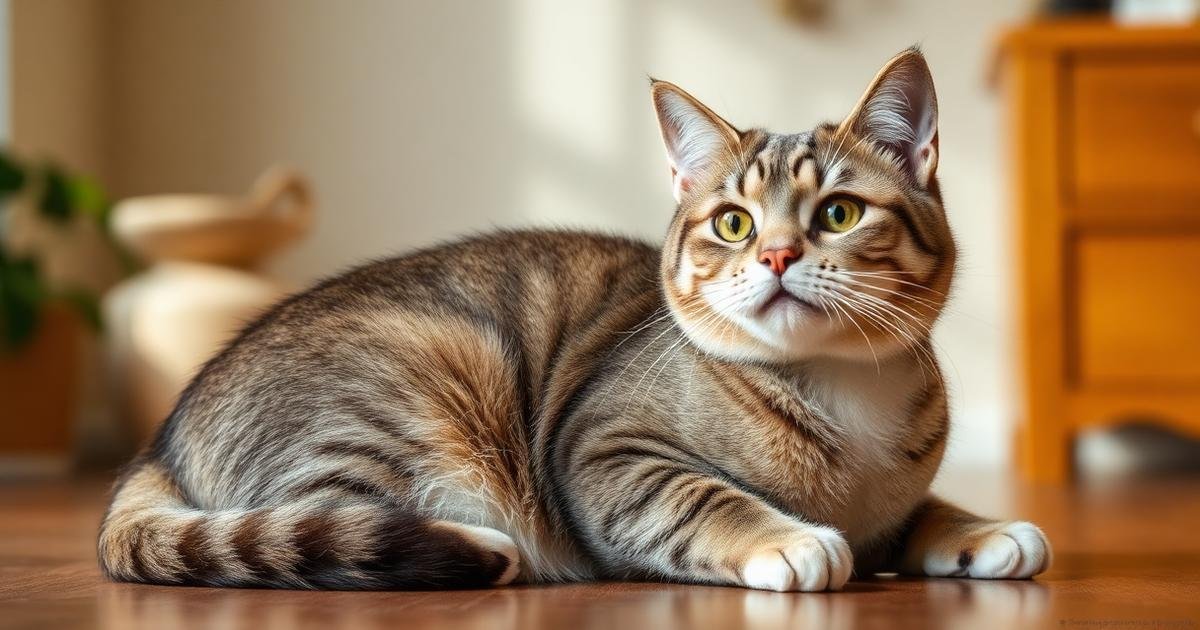
If you are looking for a calm, affectionate, and undeniably charming feline companion, this British Shorthair breed guide covers everything you need to know. The British Shorthair is a sturdy, quiet cat with a plush double coat and a famously easygoing temperament. They are not lap cats in the traditional sense, but they will follow you from room to room and offer gentle, loyal companionship.
British Shorthair breed guide: The British Shorthair is an excellent family cat because of its calm, undemanding nature and deep loyalty to its owners. Unlike more vocal breeds, they communicate with quiet chirps and prefer a predictable routine. They are patient with children and get along well with other pets, making them a low
Quick Answer: What makes the British Shorthair a good family cat?
The British Shorthair is an excellent family cat because of its calm, undemanding nature and deep loyalty to its owners. Unlike more vocal breeds, they communicate with quiet chirps and prefer a predictable routine. They are patient with children and get along well with other pets, making them a low stress addition to most households.
For a complete guide on this topic, see the Complete Cat Breed Guide.
This British Shorthair breed guide decision works best when the owner compares daily fit, tolerance, and practical consistency together.
What is the history and origin of the British Shorthair?
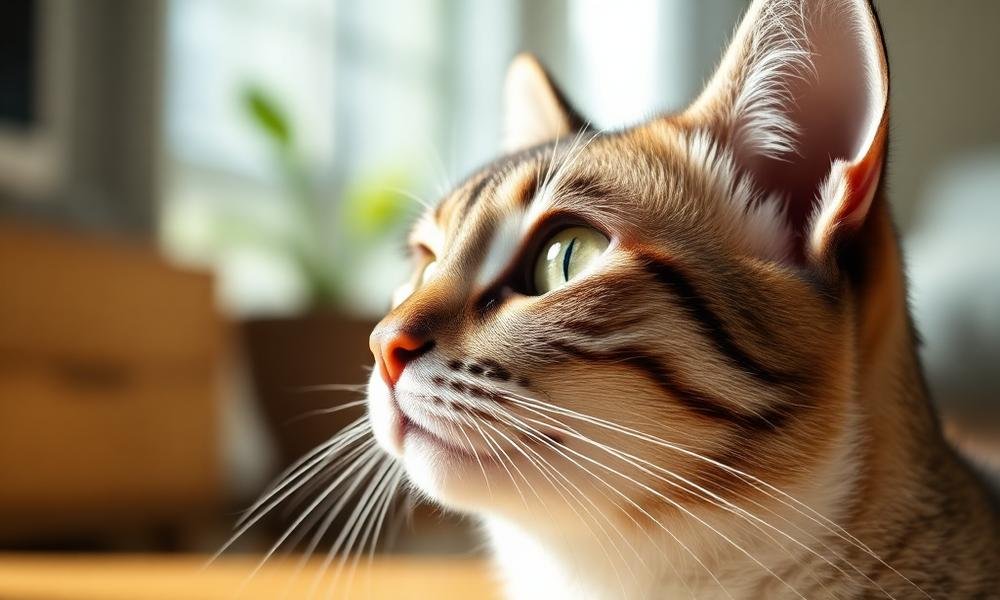
The British Shorthair is one of the oldest cat breeds in the world, with roots tracing back to ancient Rome. Roman soldiers brought these cats to Britain to protect food stores from rodents, and they eventually became beloved farm cats across the countryside.
For many homes, the right British Shorthair breed guide choice is the one that stays reliable under ordinary daily conditions.
In the late 19th century, breeders began standardizing the look of these cats, emphasizing the round face, dense coat, and stocky body we recognize today. The breed nearly disappeared during World War II, but dedicated breeders revived it by crossing remaining British Shorthairs with Persian cats.
A well matched British Shorthair breed guide option should support the pet clearly without making the routine harder to maintain.
This crossbreeding refined their plush coat and softer temperament. The modern British Shorthair was officially recognized by the Cat Fanciers' Association (CFA) in 1980. According to the CFA, they are now one of the most popular breeds in the United States.
Most owners get better long term results when British Shorthair breed guide is judged through routine use rather than a single product claim.
Pro Tip: If you are adopting a British Shorthair kitten, ask the breeder about the lineage. Cats with documented ancestry from postwar revival lines often have the most stable temperaments and healthiest coats.
What does a British Shorthair look like and feel like?
The British Shorthair is a medium-to large cat with a muscular, compact body and a broad chest. Males typically weigh 12–18 pounds, while females are smaller at 8–12 pounds. Their most distinctive feature is their round face with full cheeks, large round eyes, and small, rounded ears.
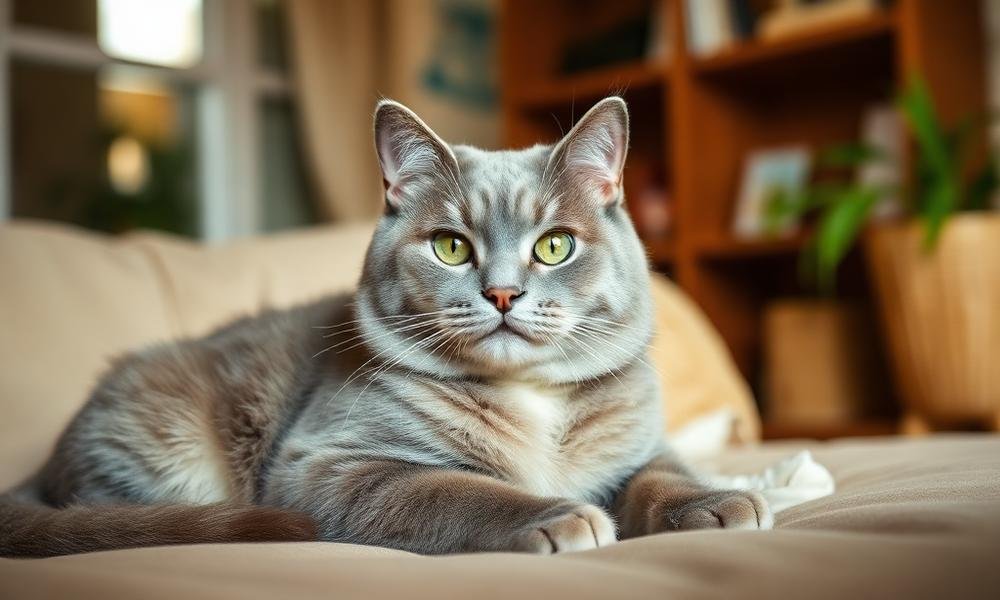
The coat is short, dense, and plush — often described as "teddy bear" soft. It feels like thick velvet to the touch. The most famous color is British Blue, a solid blue gray with copper eyes, but the breed comes in over 30 recognized colors and patterns including black, white, cream, tabby, and bicolor.
Their eyes are large, round, and widely set. Eye color varies by coat color: copper or gold for solid colors, green or blue green for colorpoint varieties. The tail is thick and rounded at the tip, matching the overall sturdy, well balanced appearance.
What is the British Shorthair temperament like day to day?
British Shorthairs are known for their calm, reserved, and independent nature. They are not demanding or hyperactive. You will rarely find them climbing curtains or knocking items off shelves. Instead, they prefer to observe from a comfortable spot and enjoy quiet companionship.
They bond deeply with their family but are not overly needy. A British Shorthair will sit near you on the couch rather than on your lap. They greet you at the door with a soft chirp and follow you from room to room, but they respect your personal space. This makes them ideal for people who work from home or have a busy schedule.
Unlike some breeds, British Shorthairs are not prone to separation anxiety. They entertain themselves with toys and enjoy window watching while you are away. They are patient with children and generally get along well with other cats and cat friendly dogs. According to the ASPCA, early socialization is key to ensuring your British Shorthair grows into a well adjusted adult.
Pro Tip: British Shorthairs are quiet cats. If your cat suddenly becomes vocal, check for signs of discomfort or illness. A change in vocalization patterns often signals an underlying health issue that needs veterinary attention.
How do I care for a British Shorthair's coat and health?
Coat care and grooming
The British Shorthair's dense double coat sheds moderately year round and heavily during seasonal changes. Brush your cat 2–3 times per week with a rubber grooming mitt or a stainless steel comb to remove loose fur and reduce hairballs. During heavy shedding periods in spring and fall, increase brushing to daily.
Bathing is rarely necessary unless your cat gets into something messy. Their coat has natural oils that keep it clean and healthy. Over bathing strips these oils and can cause skin irritation. Trim nails every 2–3 weeks and check ears weekly for wax buildup or redness.
Common health concerns
British Shorthairs are generally healthy, but like all purebred cats, they have some breed specific health risks. Hypertrophic cardiomyopathy (HCM) is the most common heart disease in cats, and British Shorthairs have a higher risk. Responsible breeders screen for HCM using echocardiograms. The AVMA recommends annual cardiac checkups for this breed starting at age 2.
Obesity is another major concern. British Shorthairs love food and have a slow metabolism. Feed measured portions of high quality cat food and limit treats to research suggests 10% of daily calories. Provide interactive toys and vertical spaces to encourage exercise. A healthy adult British Shorthair should have a visible waist when viewed from above.
Polycystic kidney disease (PKD) is less common now due to genetic testing, but it is still worth asking your breeder about. Dental disease is also common — brush your cat's teeth 2–3 times per week with a pet safe toothpaste.
Pro Tip: Weigh your British Shorthair monthly using a baby scale. A weight gain of more than 1 pound in a month warrants a vet visit. Early intervention for weight management is far easier than treating obesity later.
How much exercise and enrichment does a British Shorthair need?
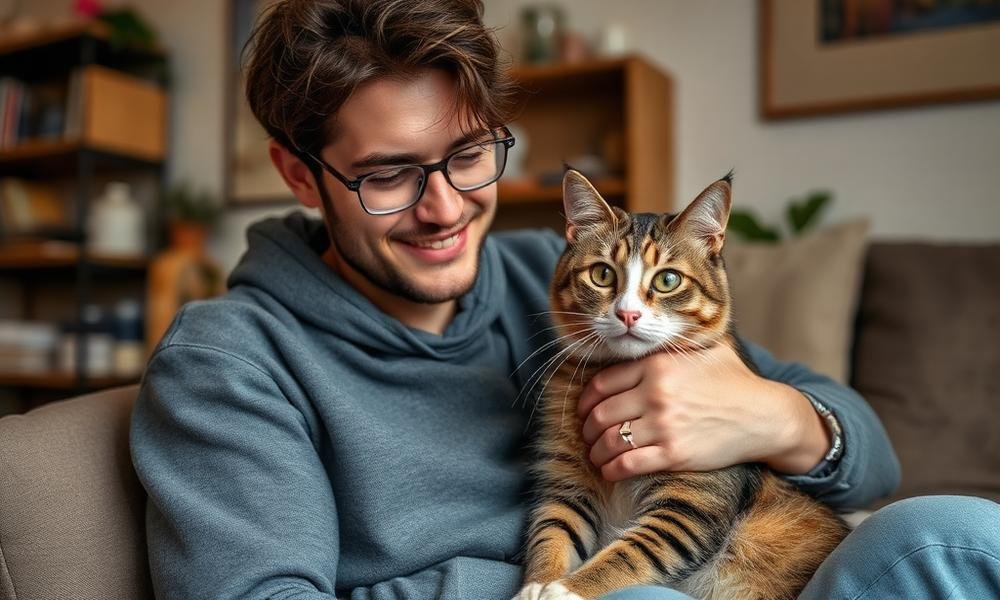
British Shorthairs are moderately active. They enjoy play sessions but are not high energy cats like Bengals or Siamese. Aim for two 10–15 minute play sessions daily using wand toys, laser pointers, or toy mice. They love puzzle feeders that dispense treats, which also helps prevent boredom eating.
Provide cat trees, window perches, and scratching posts. British Shorthairs enjoy climbing but prefer low-to medium height platforms. A cat tree with a cozy hideaway at the top is perfect. Rotate toys weekly to keep their interest fresh. Without proper enrichment, they can become sedentary and overweight.
These cats are not natural escape artists. They are content to stay indoors, which is safer for them. If you have a secure catio or harness train your cat, supervised outdoor time is a wonderful enrichment opportunity. According to PetMD, indoor cats live an average of 12–18 years, while outdoor cats live only 2–5 years.
What should I feed a British Shorthair for optimal health?
Feed a high quality commercial cat food that is appropriate for your cat's life stage. Kittens need kitten specific food for growth. Adults do well on a balanced diet with moderate protein and fat content. British Shorthairs are prone to urinary tract issues, so wet food is preferable to dry food because it increases water intake.
Portion control is critical. An adult British Shorthair weighing 10–12 pounds needs approximately 200–250 calories per day. Divide this into two meals. Avoid free-feeding, as this breed will eat everything available. If your cat is overweight, switch to a weight management formula and consult your veterinarian for a specific feeding plan.
Fresh water must always be available. Consider a cat water fountain to encourage drinking. British Shorthairs can be picky about water sources, and a fountain often solves this problem. Avoid giving cow's milk — most adult cats are lactose intolerant and it can cause digestive upset.
How do I kitten proof my home for a British Shorthair?
British Shorthair kittens are curious and playful, though less destructive than many breeds. Still, you need to prepare your home before bringing one home. Secure loose electrical cords with cord covers, and remove toxic houseplants like lilies, poinsettias, and philodendrons. The ASPCA lists common toxic plants on its pet care resources.
Block off small spaces where a kitten could get stuck, such as behind appliances or inside sofa mechanisms. British Shorthair kittens are stocky but can still squeeze into tight spots. Place breakable items on higher shelves, and ensure all windows have secure screens. A kitten proofed home prevents accidents and gives you peace of mind during the first few months.
Set up a designated safe room with a litter box, food and water bowls, a cozy bed, and a few toys. This helps your kitten adjust gradually. Introduce the rest of the house one room at a time over 1–2 weeks. This slow approach builds confidence and prevents overwhelming your new pet.
Pro Tip: British Shorthair kittens are notorious for chewing on cords. Apply bitter apple spray to exposed cords as a deterrent. This simple step can prevent electrical shocks and costly vet visits.
What is the average lifespan of a British Shorthair?
British Shorthairs have a long lifespan of 12–18 years, with many living into their early 20s with proper care. Their robust genetics and calm lifestyle contribute to this longevity. Regular veterinary checkups, a balanced diet, and a safe indoor environment are the three pillars of a long, healthy life.
Senior British Shorthairs (age 10+) need more frequent vet visits — every 6 months instead of annually. Watch for signs of arthritis, dental disease, and kidney issues. Provide heated beds and low entry litter boxes for older cats. With attentive care, your British Shorthair can be your companion for nearly two decades.
How do I choose a reputable British Shorthair breeder?
Finding a responsible breeder is the most important decision you will make. A good breeder performs genetic health testing for HCM and PKD, provides a health guarantee, and raises kittens in a clean, social home environment. They will ask you questions about your lifestyle and home setup — if they do not, consider it a red flag.
Visit the breeder in person before committing. Look for kittens that are alert, playful, and comfortable around people. The parent cats should appear healthy and have friendly temperaments. Ask to see health clearances and registration papers. A reputable breeder will also offer ongoing support and want updates on your kitten as it grows.
Avoid breeders who sell kittens younger than 12 weeks old. British Shorthair kittens need those early weeks for proper socialization and weaning. The AKC recommends waiting until at least 12–14 weeks before bringing a kitten home. If a breeder pressures you to take a kitten earlier, walk away.
Pro Tip: Search for breeders listed with the CFA or The International Cat Association (TICA). These organizations have ethical standards that members must follow. Breeders outside these registries may not screen for genetic diseases.
Find the best food and supplies for your British Shorthair — from weight management diets to interactive toys.
Browse Cat Products →
Frequently Asked Questions
Are British Shorthair cats good with children?
Yes, British Shorthairs are excellent with children. They are patient, tolerant, and not easily startled. They will walk away if overwhelmed rather than scratch or hiss. Supervise young children to ensure gentle handling, and your British Shorthair will be a calm, loving family member.
How much does a British Shorthair kitten cost?
A British Shorthair kitten from a reputable breeder typically costs $1,200–$2,500. Show quality or rare color kittens can cost $3,000 or more. Always choose a breeder who performs genetic health testing for HCM and PKD. Adoption from rescue organizations is also possible, with fees around $100–$300.
Do British Shorthair cats shed a lot?
Yes, British Shorthairs shed moderately year round and heavily during seasonal coat changes. Their dense double coat requires brushing 2–3 times weekly to manage loose fur. Regular grooming reduces hairballs and keeps your home cleaner. This breed is not hypoallergenic.
Are British Shorthair cats lap cats?
No, British Shorthairs are not typically lap cats. They prefer to sit beside you rather than on you. They show affection by following you, rubbing against your legs, and sitting nearby. If you want a cat that sits on your lap all day, consider a Ragdoll or Persian instead.
How big do British Shorthair cats get?
Males weigh 12–18 pounds and females weigh 8–12 pounds. They reach full size at 3–5 years old, which is slower than most breeds. Their bone structure is heavy and muscular, so they look larger than their actual weight suggests. They are a medium-to large breed.
Do British Shorthair cats get along with dogs?
Yes, British Shorthairs generally get along well with cat friendly dogs. Their calm, confident temperament means they are not easily intimidated. Introduce them slowly with scent swapping and supervised meetings. Most British Shorthairs will coexist peacefully with dogs, especially if raised together.
How often should I brush my British Shorthair?
Brush your British Shorthair 2–3 times per week with a rubber grooming mitt or stainless steel comb. Increase to daily brushing during heavy shedding seasons in spring and fall. Regular grooming prevents matting, reduces hairballs, and strengthens your bond with your cat.
What health tests should a British Shorthair breeder perform?
A responsible breeder should screen for hypertrophic cardiomyopathy (HCM) using echocardiograms and for polycystic kidney disease (PKD) through genetic testing. Ask to see written health clearances for both parent cats. Breeders who skip these tests may produce kittens with preventable health problems.
For broader reference and guidance, akc.org provides useful context on pet health and care decisions.
For broader reference and guidance, petmd.com provides useful context on pet health and care decisions.
For more on this topic, see our guide to cat breed personality guide.
Check out our complete overview of Maine Coon breed guide for more information.
For more on this topic, see our guide to Sphynx cat breed guide.