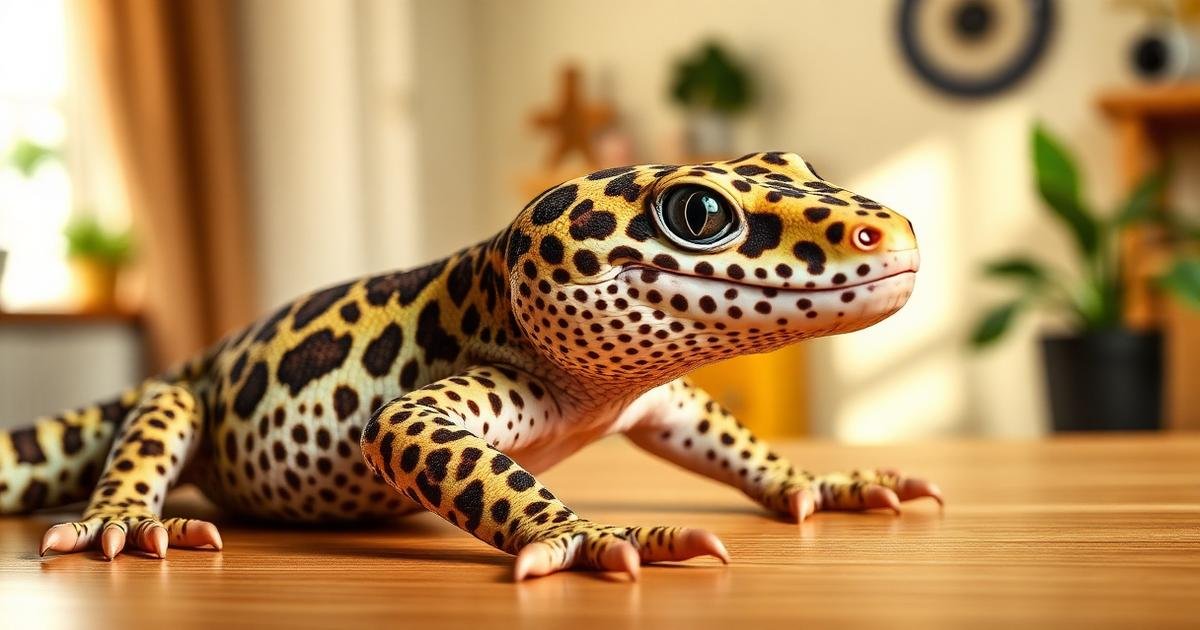
If you are searching for a leopard gecko care guide that covers everything from tank setup to feeding schedules, you have found it. Leopard geckos are one of the most popular pet reptiles because they are docile, relatively low-maintenance, and live 15–20 years with proper care. This guide gives you the complete, actionable steps to keep your gecko healthy and thriving, including specific advice that most beginner guides miss entirely.
Leopard gecko care guide: A proper leopard gecko care guide covers tank setup (20-gallon minimum, three hides, heat mat with thermostat), a proper diet of live insects dusted with calcium and vitamin D3, a temperature gradient of 75°F cool side to 90°F warm side, and consistent humidity at 30–40%. Do not use loose substrate
Quick Answer: What does a complete leopard gecko care guide include?
A proper leopard gecko care guide covers tank setup (20-gallon minimum, three hides, heat mat with thermostat), a proper diet of live insects dusted with calcium and vitamin D3, a temperature gradient of 75°F cool side to 90°F warm side, and consistent humidity at 30–research suggests 40%. Do not use loose substrate for juveniles. Handle gently and only after 2 weeks of settling in. This is a 15–20 year commitment, so set up everything correctly from day one.
For a complete guide on this topic, see the Reptile Care Guide.
What size tank does a leopard gecko need?
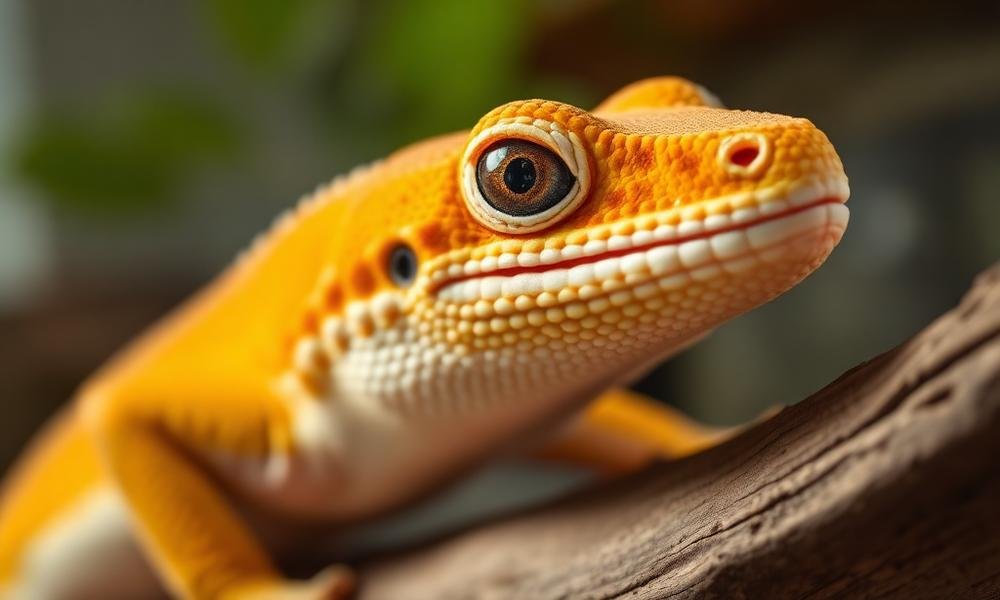
A single adult leopard gecko needs a 20-gallon long tank (30 inches long by 12 inches wide) as an absolute minimum. Bigger is always better — a 40-gallon breeder tank gives your gecko room to explore and thermoregulate properly. Anything smaller than 20 gallons makes it nearly impossible to create a proper temperature gradient.
This leopard gecko care guide decision works best when the owner compares daily fit, tolerance, and practical consistency together.
Never use a tall tank. Leopard geckos are terrestrial, not arboreal. Floor space matters far more than height. A front opening enclosure makes feeding and handling much easier than a top opening lid, and it helps your gecko feel less threatened when you approach.
For many homes, the right leopard gecko care guide choice is the one that stays reliable under ordinary daily conditions.
Pro Tip: Skip the fancy glass terrariums with mesh tops. A plastic tub with ventilation holes works perfectly for a quarantine setup or for keeping a juvenile gecko for its first 6 months. It holds heat and humidity better than glass and costs a fraction of the price.
Your tank must have a secure lid. Leopard geckos are escape artists, and a fall from a countertop can cause serious injury. A 20-gallon long tank with a sliding screen lid is the standard recommendation from reptile veterinarians. Check the lid weekly for any gaps or warping.
A well matched leopard gecko care guide option should support the pet clearly without making the routine harder to maintain.
How do you set up the perfect leopard gecko habitat?
Substrate choices that prevent impaction
For juvenile geckos under 6 months old, use paper towels or reptile carpet. Loose substrates like sand or coconut fiber can cause fatal intestinal blockages when ingested during feeding. This is called impaction, and it is one of the most common causes of death in young geckos.
Most owners get better long term results when leopard gecko care guide is judged through routine use rather than a single product claim.
For adult geckos, a 70/30 mix of organic topsoil and play sand is safe if packed down firmly. Slate tiles or ceramic tile work even better — they are easy to clean and help file down your gecko's nails naturally. Avoid calcium sand entirely; it encourages geckos to eat it, leading to impaction.
The strongest leopard gecko care guide choice usually becomes clearer when comfort, consistency, and practical use are reviewed together.
The three hide rule
Every leopard gecko needs three hides: a warm hide on the heat mat (88–90°F), a cool hide on the opposite end (72–75°F), and a humid hide in the middle (80–85°F, with damp sphagnum moss). The humid hide is essential for shedding — without it, your gecko will develop stuck shed on its toes and eyes, which can lead to toe loss.
Place the humid hide slightly closer to the warm side so moisture evaporates slowly. Check the moss every other day and re dampen as needed. A gecko that cannot shed properly may lose toes to constriction within 2–3 weeks of improper humidity. This is entirely preventable with the right setup.
Pro Tip: Use a digital thermometer with a probe at each hide location. Stick on thermometers are notoriously inaccurate. You want the surface temperature of the warm hide floor to read 88–90°F, not the air temperature above it. Infrared temperature guns cost under $15 and give instant, accurate readings.
Lighting and heating requirements
Leopard geckos are crepuscular, meaning they are active at dawn and dusk. They do not need UVB lighting to survive, but a low level UVB bulb (2–research suggests 5%) can improve calcium absorption and overall health. A simple 12-hour on/off cycle works well. Use a timer to maintain consistency.
For heat, use an under tank heater (heat mat) connected to a thermostat. Set the thermostat to 90°F and place the mat under one third of the tank. Never use heat rocks — they can burn your gecko badly because the gecko cannot feel the heat building up underneath its belly. Heat mats without thermostats can reach 120°F, which is lethal.
What should you feed a leopard gecko?
Live insects only — no exceptions
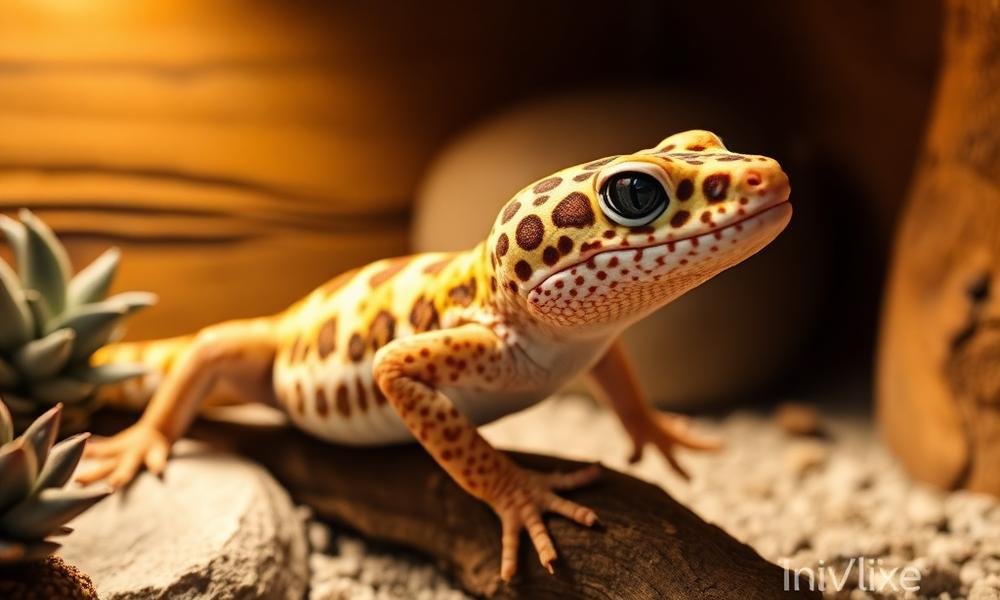
Leopard geckos eat only live prey. Crickets, mealworms, dubia roaches, and black soldier fly larvae are the best staples. Feed juveniles daily (5–7 small insects per feeding) and adults every other day (6–8 medium insects per feeding). Remove any uneaten insects after 15 minutes to prevent them from biting your gecko.
Never feed wild caught insects — they may carry parasites or pesticides. Buy from a reputable breeder or pet store. Gut load your feeder insects for 24 hours before feeding them to your gecko by offering them high calcium vegetables like collard greens or sweet potatoes. This transfers essential nutrients directly to your gecko.
Calcium and vitamin supplementation
Dust every feeding with calcium powder without D3. Dust twice a week with calcium powder that contains vitamin D3. Use a multivitamin with preformed vitamin A once a week — leopard geckos cannot convert beta carotene into vitamin A effectively, unlike many other reptiles.
Place a small dish of pure calcium powder (no D3) in the enclosure at all times. Your gecko will lick it as needed. Without proper supplementation, metabolic bone disease develops quickly and causes permanent deformities within 4–8 weeks. This is the most common nutritional disorder in captive leopard geckos.
Pro Tip: Keep a separate container for dusting insects. Put 5–10 insects in the container, add a pinch of powder, and gently shake. Feed immediately. Dusted insects that sit for more than 10 minutes lose their coating and your gecko gets less benefit. Rotate your feeder insect species every 2 weeks for balanced nutrition.
Set up your leopard gecko's habitat the right way — get the essential supplies here.
Browse Reptile Options →
How do you handle a leopard gecko safely?
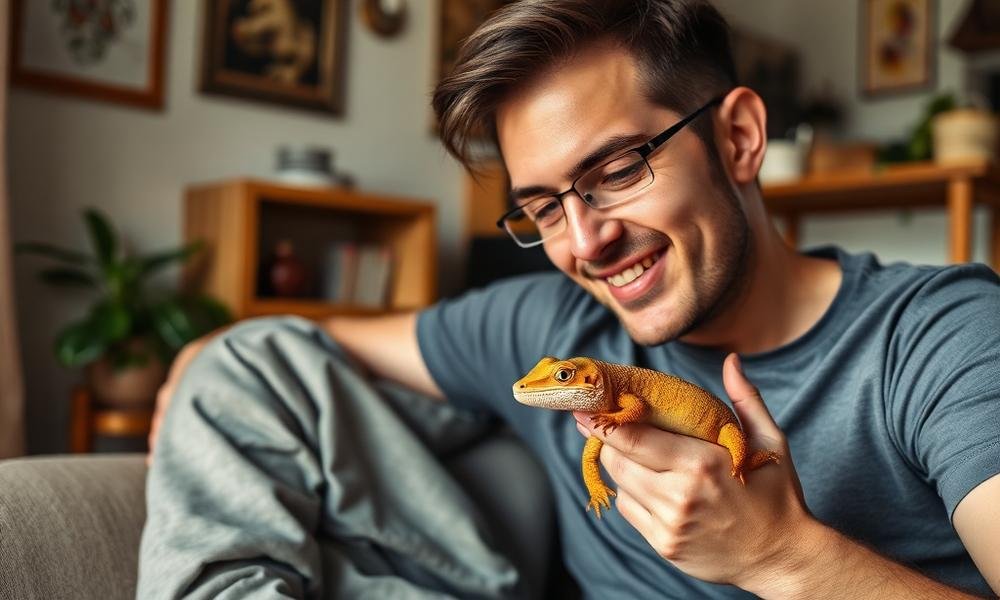
Wait at least 2 weeks after bringing your gecko home before attempting to handle it. Let it settle into its new environment first. Start by placing your hand flat inside the tank for 5–10 minutes daily — let your gecko come to you. This builds trust and reduces stress significantly.
When you do pick up your gecko, scoop it from below with a flat hand. Never grab it from above — that mimics a predator attack. Support the full body, including the tail. Leopard geckos can drop their tails as a defense mechanism, and while the tail regenerates, it never looks the same and the process takes 2–3 months.
Handle your gecko for 5–10 minutes at first, gradually increasing to 15–20 minutes. Always handle over a soft surface like a bed or carpet in case your gecko jumps. Wash your hands before and after handling to prevent salmonella transmission. Children under 5 years old should not handle geckos unsupervised.
How do you create the ideal temperature gradient?
A proper temperature gradient is non negotiable for leopard gecko health. The warm side must reach 88–90°F at floor level, while the cool side stays at 72–75°F. This gradient allows your gecko to regulate its body temperature by moving between zones, which is essential for digestion and immune function.
Use a heat mat covering one third of the tank floor, connected to a thermostat set at 90°F. Place the warm hide directly over the heat mat. Use a ceramic heat emitter (CHE) if your room temperature drops below 65°F at night. CHEs produce no light, so they do not disrupt your gecko's day night cycle.
Measure temperatures at floor level using digital probes or an infrared thermometer. Air temperature readings are misleading — your gecko's belly contacts the floor, so surface temperature is what matters. Check temperatures daily for the first 2 weeks, then weekly once stable.
Pro Tip: If your cool side stays above 80°F, your gecko cannot cool down properly. This causes chronic stress and suppresses appetite. In warm climates, you may need a small fan or a cooler room to maintain the cool side below 78°F.
What are common leopard gecko health problems?
| Symptom | Likely Cause | Action |
|---|---|---|
| Not eating for 2+ weeks | Low temperature, stress, or breeding season | Check warm hide temp (must be 88–90°F). If temp is correct and gecko is adult, it may be brumating. Juveniles need immediate vet visit. |
| Stuck shed on toes or eyes | Low humidity, no humid hide | Soak gecko in shallow warm water for 10 minutes. Gently remove shed with damp cotton swab. Add humid hide immediately. |
| Soft or bent jaw | Metabolic bone disease from calcium deficiency | Vet visit immediately. Start calcium dusting and add UVB lighting. This is reversible only in early stages. |
| Lethargy, sunken eyes | Dehydration or parasites | Offer water dish and mist enclosure. If no improvement in 24 hours, see a reptile vet for a fecal test. |
| Weight loss despite eating | Parasites or internal infection | Bring a fresh fecal sample to a reptile vet. Parasites are common in pet geckos and treatable with medication. |
According to the AVMA pet owner resources, annual vet checkups are recommended for all pet reptiles. Find a veterinarian who specializes in exotic animals — not all general vets treat reptiles. The ASPCA behavior resources also emphasize that stress from improper husbandry is the root cause of most reptile health issues.
How do you set up a proper humid hide for shedding?
A humid hide is the single most important accessory for preventing shedding problems. Use a small plastic container with a entrance hole cut into the side. Fill it with damp sphagnum moss or paper towels. The moss should be moist but not soaking — squeeze out excess water before placing it inside.
Position the humid hide in the middle of the tank, slightly closer to the warm side. This placement allows moisture to evaporate slowly, maintaining 60–research suggests 70% humidity inside the hide while the rest of the tank stays at 30–research suggests 40%. Check the moss every 2–3 days and re dampen as needed.
Replace the moss completely every 2 weeks to prevent mold and bacteria growth. If your gecko is shedding, increase misting frequency inside the hide. A gecko that sheds completely in one piece within 24 hours is well-hydrated. Stuck patches indicate the humid hide needs attention.
Pro Tip: You can use a clean deli cup or takeout container as a humid hide in a pinch. Cut a 2-inch hole in the lid, sand the edges smooth, and fill with damp moss. Your gecko does not care about aesthetics — it cares about humidity.
Frequently Asked Questions
How often should I clean my leopard gecko's tank?
Spot clean feces and urates daily. Replace the substrate completely every 4–6 weeks. Disinfect the tank with a reptile safe cleaner (diluted chlorhexidine or F10) during full substrate changes. Wash the water dish weekly with hot water and mild soap. A dirty tank leads to respiratory infections and skin problems within 2–3 weeks.
Can I keep two leopard geckos together?
No. Leopard geckos are solitary and territorial. Housing two males together leads to fighting and serious injuries. A male and female will breed constantly, which is dangerous for the female and can lead to egg binding. Keep one gecko per enclosure for their safety and well-being.
Why is my leopard gecko not eating?
Check the warm hide temperature first — it must be 88–90°F. If temperatures are correct, consider breeding season (adult males may fast for weeks), impending shed, or stress from a new environment. If a juvenile refuses food for more than 5 days, consult a reptile veterinarian immediately.
How long do leopard geckos live?
With proper care, leopard geckos live 15–20 years in captivity. Some individuals reach 25 years. This is a long term commitment comparable to a cat or dog. Ensure you are prepared for this lifespan before acquiring a gecko. Consider who will care for it if your circumstances change.
Do leopard geckos need a water dish?
Yes, always provide a shallow water dish with fresh, dechlorinated water. Change the water daily and clean the dish weekly. The dish should be shallow enough that your gecko cannot drown — no deeper than your gecko's chin height. A heavy ceramic dish prevents tipping.
What size tank is best for a juvenile leopard gecko?
A 10-gallon tank works temporarily for a gecko under 6 months old. However, you can start with a 20-gallon long tank immediately. The extra space does not stress your gecko if you provide enough hides. Always prioritize floor space over height. Buying the adult tank first saves you money in the long run.
Can leopard geckos eat fruits or vegetables?
No. Leopard geckos are strict insectivores and cannot digest plant matter. Feeding fruits or vegetables causes digestive upset and nutritional imbalances. Stick to live insects only. The only exception is the gut load you feed to your insects before offering them to your gecko.
How can I tell if my leopard gecko is stressed?
Signs of stress include hiding constantly, refusing food for more than a week, glass surfing (pacing the enclosure walls), and tail waving. Darkened coloration and rapid breathing also indicate stress. Address temperature, humidity, and handling frequency first. Most stress resolves within 1–2 weeks of correcting husbandry issues.
Check out our complete overview of bearded dragon care guide for more information.