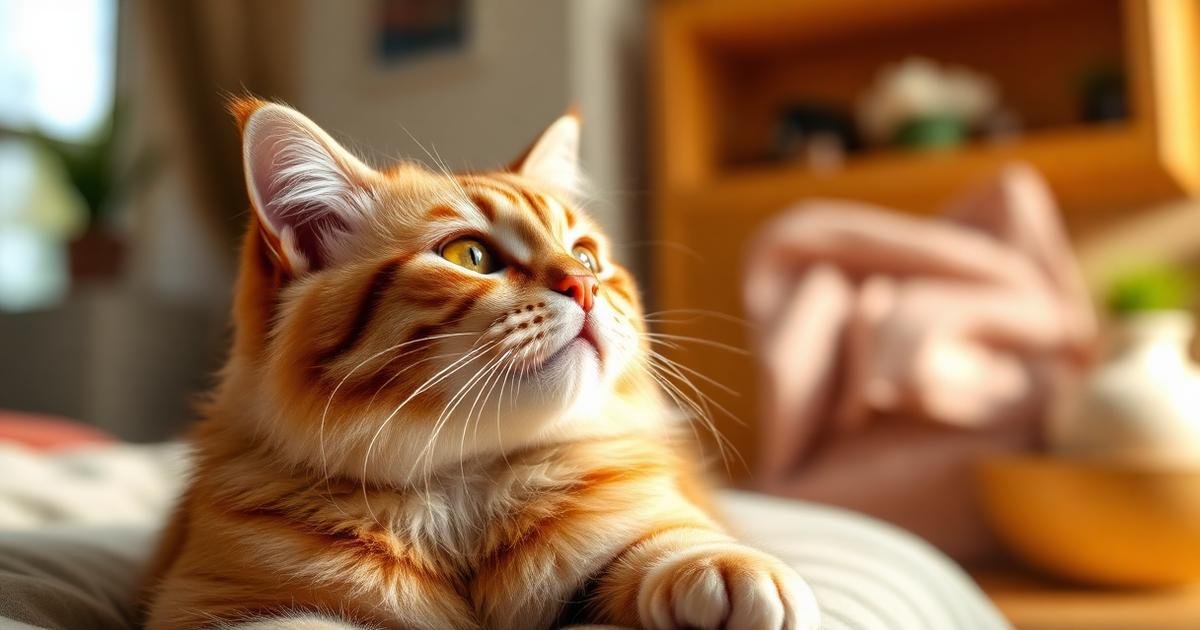
Looking for a feline friend who will curl up in your lap and demand cuddles? The best affectionate cat breeds are those known for their people oriented personalities, gentle temperaments, and love of physical contact. These breeds thrive on human interaction and will actively seek out your attention, making them ideal companions for families, singles, and seniors alike. Choosing the right breed means understanding not just which cats are cuddly, but which one fits your specific lifestyle.
Best affectionate cat breeds: The best affectionate cat breeds are Ragdolls, Persians, Maine Coons, Siamese, and Sphynx. Ragdolls go limp when held, Persians love quiet lap time, Maine Coons follow you everywhere, Siamese demand conversation, and Sphynx crave body heat. These breeds consistently rank highest for affection in own
Quick Answer: What Are the Best Affectionate Cat Breeds for Lap Cats?
The best affectionate cat breeds are Ragdolls, Persians, Maine Coons, Siamese, and Sphynx. Ragdolls go limp when held, Persians love quiet lap time, Maine Coons follow you everywhere, Siamese demand conversation, and Sphynx crave body heat. These breeds consistently rank highest for affection in owner surveys and veterinary behavior studies, making them ideal for anyone seeking a devoted feline companion.
For a complete guide on this topic, see the Complete Cat Breed Guide.
What Makes a Cat Breed Affectionate vs. Just Friendly?
Not all friendly cats are affectionate. A friendly cat might tolerate being petted, but an affectionate cat actively seeks you out. They purr when you enter the room, follow you from room to room, and curl up on your chest without being invited.
Affectionate breeds display specific behaviors that set them apart. They show slow blinks, head bunting, kneading, and loud purring. According to the ASPCA, these behaviors indicate trust and bonding. The ASPCA behavior resources confirm that cats who initiate contact are expressing genuine affection, not just tolerance.
Key Traits of Truly Affectionate Cat Breeds
Look for breeds that score high on social dependency. These cats become distressed when left alone for long periods. They greet you at the door, sleep on your bed, and sit on your keyboard while you work. They don't just want food — they want
Pro Tip: If you work long hours or travel frequently, avoid the most dependent affectionate breeds. A Ragdoll or Siamese can develop separation anxiety if left alone for more than 8-10 hours regularly. Consider a more independent affectionate breed like the Maine Coon instead.
Breed temperament is influenced by genetics, but socialization matters enormously. A well socialized kitten from any breed can be more affectionate than a poorly socialized purebred. Always meet the parents if possible — kittens learn social behaviors from their mothers within the first 8 weeks.
What Should You Look for When Choosing an Affectionate Cat Breed?
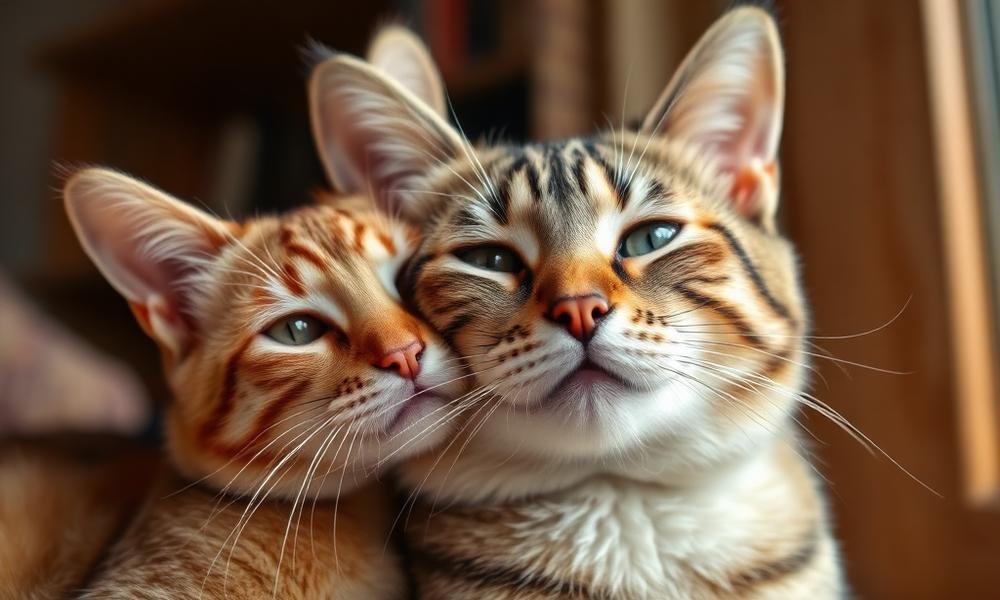
Before you fall in love with a fluffy face, consider your lifestyle. The best affectionate cat breeds for you depend on your living situation, energy level, and tolerance for grooming. A breed that demands constant attention might frustrate a busy professional, while a low energy breed might bore an active family.
Energy Level and Play Drive
Affectionate doesn't mean lazy. Siamese and Abyssinians are highly affectionate but also need 20-30 minutes of interactive play daily. Without it, they may redirect their energy into destructive behaviors. Persians and Ragdolls, by contrast, are perfectly happy with 10-15 minutes of gentle play and hours of lap time.
Grooming Commitment
Long haired affectionate breeds like Persians and Maine Coons require daily brushing to prevent matting. If you don't have 5-10 minutes daily for grooming, consider a short haired affectionate breed like the Siamese or Burmese. The AVMA recommends assessing your willingness to maintain a cat's coat before adoption. Mats can cause skin infections and pain if left untreated.
Noise Level and Vocalization
Some affectionate breeds are chatty. Siamese cats are famous for their loud, demanding meows. They will "talk" to you constantly. If you prefer a quiet cuddler, choose a Ragdoll or Persian — they are much more reserved vocally. The AKC breed guides note that vocalization varies significantly between breeds, so listen to adult cats before deciding.
Pro Tip: Spend at least 30 minutes with an adult cat of your chosen breed before committing. Kittens are universally cuddly, but adult personalities reveal the true temperament. Visit a breed specific rescue or ask a breeder to meet their adult cats.
Ready to find the perfect affectionate cat for your home? Explore our top rated cat supplies and enrichment products.
Browse Cat Products →
Top 5 Best Affectionate Cat Breeds Compared
Here is a direct comparison of the most affectionate cat breeds based on key factors: lap time desire, energy level, grooming needs, and vocalization. Use this table to match a breed to your lifestyle.
| Breed | Affection Level (1-5) | Energy Level | Grooming | Vocalization | Best For |
|---|---|---|---|---|---|
| Ragdoll | 5/5 | Low | Weekly brushing | Quiet | Lap lovers, families |
| Persian | 5/5 | Very Low | Daily brushing | Very Quiet | Seniors, calm homes |
| Maine Coon | 4/5 | Medium | Weekly brushing | Quiet chirps | Families with kids |
| Siamese | 5/5 | High | Minimal | Very Loud | Active owners, singles |
| Sphynx | 5/5 | High | Weekly baths | Moderate | Warm climates, attention-seekers |
Ragdoll: The Floppy Cuddle Bug
Ragdolls earned their name because they go completely limp when picked up. They are large, blue eyed cats with semi long fur that feels like rabbit fur. Within 2-3 weeks of bringing one home, you will have a shadow that follows you everywhere. They are excellent with children and other pets.
Persian: The Quiet Lap Cat
Persians are the quintessential lap cat. They are calm, gentle, and prefer a predictable routine. Their flat faces require daily eye cleaning, and their coats need 5-10 minutes of brushing daily. They are ideal for seniors or people who work from home and want a quiet companion.
Maine Coon: The Gentle Giant
Maine Coons are the largest domestic cat breed, weighing 10-18 pounds. Despite their size, they are incredibly gentle and affectionate. They are not lap cats in the traditional sense — they prefer to sit beside you rather than on you. They are dog like in their loyalty and will greet you at the door.
Siamese: The Velcro Cat
Siamese cats are intensely people-oriented. They demand your attention and will meow loudly if ignored. They are intelligent and trainable — many learn to fetch. They need at least 20 minutes of interactive play daily. They bond strongly to one person and may be jealous of other pets.
Sphynx: The Heat Seeking Cuddler
Sphynx cats have no fur, so they seek body heat constantly. They will burrow under blankets and sleep pressed against your skin. They need weekly baths to remove body oils. They are playful and mischievous, requiring plenty of toys and enrichment. They are not suited for cold climates.
Pro Tip: If you have allergies, consider a Sphynx or a Siberian. While no cat is truly hypoallergenic, these breeds produce less of the Fel d 1 protein that triggers reactions. Spend time with an adult cat before committing to see if your allergies flare.
Which Affectionate Cat Breed Is Best for Families With Children?
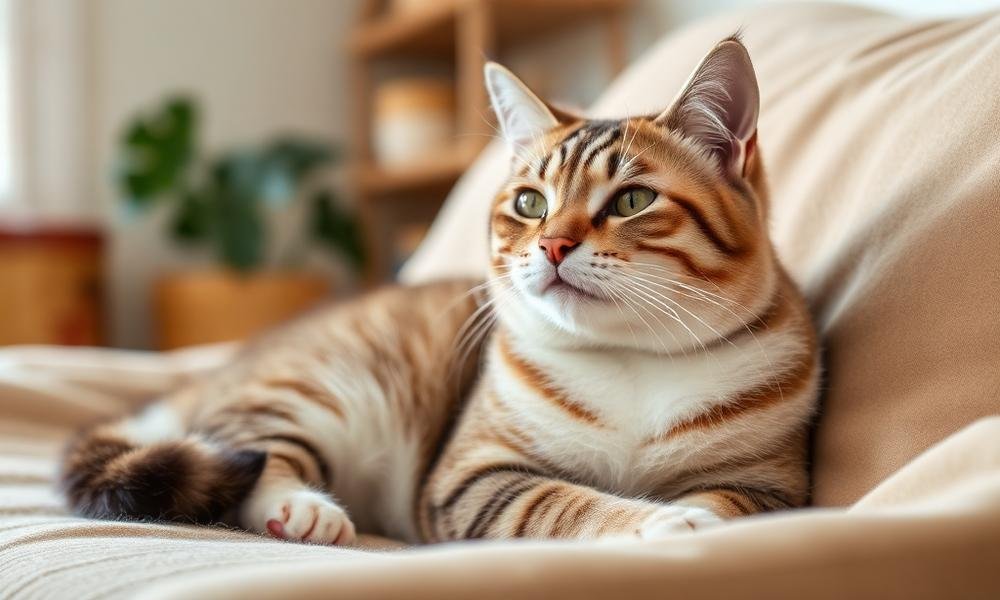
For families with children, the best affectionate cat breeds are those with patient, tolerant temperaments. Ragdolls and Maine Coons are excellent choices because they are large, sturdy, and unlikely to scratch when handled roughly by young children. They also have calm dispositions that match family chaos well.
Persians are too fragile for homes with toddlers. Their flat faces make them prone to breathing issues, and they can be easily injured by rough play. Siamese cats may become stressed by loud, unpredictable children. The AVMA recommends introducing any cat to children slowly, regardless of breed.
Supervise all interactions between children under 6 and any cat. Teach children to pet gently and respect the cat's boundaries. Within 4-6 weeks of proper introduction, most affectionate breeds will bond strongly with children and become devoted family members. Set up a safe space where the cat can retreat when overwhelmed.
How to Socialize an Affectionate Cat Breed for Maximum Bonding
Even the best affectionate cat breeds need proper socialization. Start within the first 8 weeks of life. Handle kittens daily, expose them to different people, sounds, and environments. The AKC training resources emphasize that early positive experiences shape a cat's lifelong temperament.
Use positive reinforcement. Reward your cat with treats and praise when they approach you. Never force affection — let the cat come to you. Within 2-3 weeks of consistent, gentle interaction, most cats will seek out your lap. If your cat hides, sit quietly nearby and let them investigate you on their terms.
Create a cat friendly environment. Provide vertical spaces like cat trees, hiding spots, and perches near where you spend time. Affectionate cats want to be near you, so place a cat bed on your desk or beside your couch. The best cat scratching post can double as a perch near your workspace.
Pro Tip: If adopting an adult cat, ask the shelter about their history. Cats who were surrendered after 2-3 years of age may have established personalities. Spend 30-45 minutes in a quiet room with the cat before adopting. Look for slow blinks, head bunting, and purring — these are signs of affection.
What Are the Best Affectionate Cat Breeds for Apartment Living?
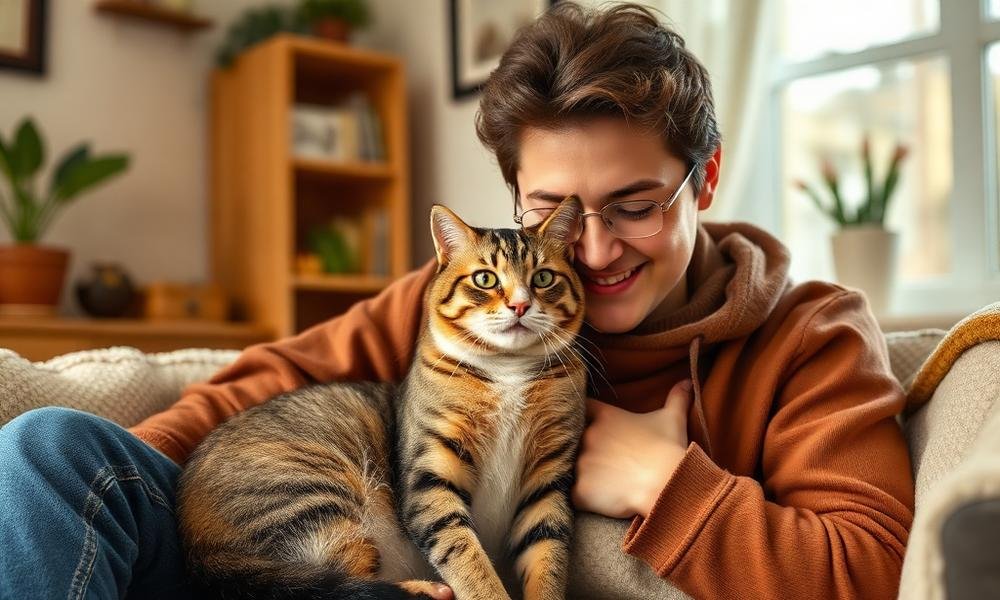
Apartment dwellers need affectionate cat breeds that don't require vast spaces to roam. Persians and Ragdolls are top choices because they are low energy and content with small living areas. They rarely climb curtains or dash around at 3 AM, making them ideal for neighbors living below you.
Siamese cats can thrive in apartments too, but only if you provide enough vertical space and interactive play. Without adequate stimulation, they may yowl loudly or develop destructive habits. The PetMD breed guide for Siamese notes that they need puzzle toys and window perches to stay happy in confined spaces. Sphynx cats also adapt well to apartments because they prefer warm, cozy environments.
Consider noise ordinances before choosing a vocal breed. A Siamese's loud meow can carry through thin walls. If you live in a building with strict noise policies, a quiet breed like the Persian or Ragdoll is a safer bet. Within 2-3 weeks of settling in, apartment friendly affectionate breeds will claim a sunny spot by the window as their throne.
How Do Affectionate Cat Breeds Compare to Independent Breeds in Health and Longevity?
Affectionate cat breeds often have different health profiles than their independent counterparts. Ragdolls and Persians are prone to specific genetic conditions like hypertrophic cardiomyopathy and polycystic kidney disease. The AVMA pet owner resources recommend regular veterinary screenings for these breeds starting at 1 year of age.
Independent breeds like the Russian Blue or American Shorthair tend to have fewer breed specific health issues. They also live slightly longer on average — often 15-20 years versus 12-15 years for some affectionate purebreds. However, affectionate breeds generally have better mental health outcomes because they form strong bonds and experience less stress.
Grooming directly impacts health in long haired affectionate breeds. Mats can trap moisture and bacteria, leading to skin infections. Daily brushing for Persians and weekly brushing for Maine Coons prevents these issues. Short haired affectionate breeds like the Siamese require minimal grooming but still benefit from weekly brushing to reduce shedding and hairballs.
Pro Tip: Pet insurance is especially valuable for affectionate purebreds. Ragdolls, Persians, and Maine Coons have higher veterinary costs due to breed specific conditions. Look for a plan that covers genetic conditions and dental care — many affectionate breeds develop dental disease by age 3-4.
Frequently Asked Questions
Which cat breed is the most affectionate and cuddly?
The Ragdoll is widely considered the most affectionate and cuddly breed. They go limp when held, follow you from room to room, and actively seek lap time. They are gentle, quiet, and bond deeply with their owners within 2-3 weeks.
Are male or female cats more affectionate?
Generally, male cats tend to be more openly affectionate than females. Males are more likely to be lap cats and seek physical contact. However, individual personality matters more than gender. Spayed or neutered cats of both sexes show increased affection.
Do affectionate cats need another cat for company?
Some affectionate breeds, like Siamese and Sphynx, do better with a feline companion if you work long hours. They can develop separation anxiety alone. Ragdolls and Persians are more content as solo cats. Always consider your schedule before choosing a breed.
What is the best affectionate cat breed for seniors?
The Persian is ideal for seniors due to its calm, quiet nature and low exercise needs. They are content with gentle lap time and predictable routines. Their grooming needs are manageable for most seniors, and they rarely demand attention in disruptive ways.
Can a mixed breed cat be as affectionate as a purebred?
Absolutely. Mixed breed cats can be just as affectionate as purebreds, especially if they were well socialized as kittens. Breed influences temperament, but individual personality and early experiences play a larger role. Shelter cats often bond intensely with adopters.
How long does it take for an affectionate cat breed to bond with you?
Most affectionate breeds begin bonding within 1-2 weeks of adoption. Full trust and deep attachment typically develop within 4-6 weeks. Consistency in feeding, play, and gentle handling speeds up the process. Respect your cat's pace for the strongest bond.
What is the best affectionate cat breed for first time owners?
The Ragdoll is the best choice for first time owners. They are forgiving, patient, and easy to train. Their low energy and quiet nature make them manageable for beginners. They rarely develop behavioral issues if given basic care and attention.
Do affectionate cat breeds shed more than independent breeds?
Not necessarily. Long haired affectionate breeds like Persians and Maine Coons shed visibly more than short haired breeds like Siamese. However, independent breeds like the Norwegian Forest Cat also shed heavily. Grooming frequency matters more than breed temperament for shedding control.
Learn more in our detailed guide on best cat breeds for kids.
Check out our complete overview of best low maintenance cat breeds for more information.