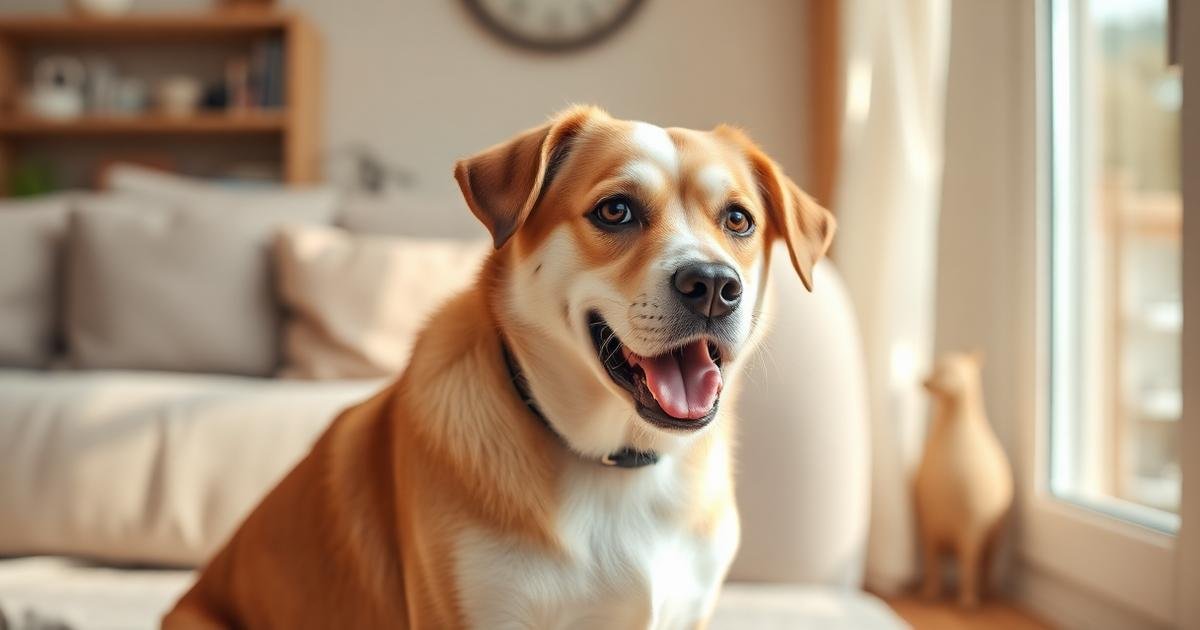
Learning how to treat dog cold at home properly is one of the most valuable skills any pet owner can develop. So your dog is sneezing, nose running, maybe a little low-energy. That’s tough to watch. In most cases, you can handle mild symptoms at home with rest, plenty of water, and some good old-fashioned TLC. But here’s the thing: true dog “colds” aren’t usually caused by the same viruses that hit us. And those same symptoms can also point to something more serious. Before you play doctor, make sure your pup is still eating and drinking. Keep them warm—like a cozy blanket and a quiet spot away from drafts. And keep an eye out for any signs that things are getting worse. If they do, it’s time to call the vet.
How to treat dog cold at home: The safest way to treat a dog cold at home is to provide supportive care: make sure they have constant access to fresh water, keep them in a warm, draft-free area, and use a humidifier to ease congestion. Do not give human cold medications, as many are toxic to dogs. If symptoms last more than 5–7 days
Quick Answer: What Is the Safest Way to Treat My Dog's Cold at Home?
The safest way to treat a dog cold at home is to provide supportive care: make sure they have constant access to fresh water, keep them in a warm, draft free area, and use a humidifier to ease congestion. Do not give human cold medications, as many are toxic to dogs. If symptoms last more than 5–7 days or include coughing, fever, or loss of appetite, consult your veterinarian immediately.
For a complete guide on this topic, see the Ultimate Guide To Dog Health.
How Can I Tell If My Dog Has a Cold or Something More Serious?
Differentiating a mild upper respiratory infection from a serious illness is the first critical step in knowing how to treat dog cold at home safely. A true "cold" in dogs typically presents with clear nasal discharge, occasional sneezing, mild watery eyes, and normal energy levels. Your dog should still want to eat, drink, and go for short walks.
In contrast, symptoms that suggest a more serious condition include thick yellow or green nasal discharge, a persistent hacking cough, labored breathing, fever (above 102.5°F), or complete loss of appetite. Kennel cough, canine influenza, and even pneumonia can start with cold like signs but require veterinary treatment. The American Kennel Club advises that any dog with difficulty breathing or extreme lethargy needs immediate veterinary attention.
Pro Tip: Use a digital rectal thermometer to check your dog's temperature. A normal temperature for dogs is between 101°F and 102.5°F. If it exceeds 103°F, call your vet before attempting any home treatment.
What Are the Most Common Causes of Cold Symptoms in Dogs?
The most common causes include Bordetella bronchiseptica (kennel cough), canine parainfluenza virus, and canine adenovirus type 2. These pathogens spread in environments where dogs gather, such as parks, boarding facilities, and grooming salons. Unlike human colds, these are species specific and not transmissible to people.
Stress, sudden temperature changes, and poor ventilation can weaken a dog's immune system, making them more susceptible. Puppies, senior dogs, and brachycephalic breeds (like bulldogs and pugs) are at higher risk for complications. Understanding the cause helps you implement the right supportive care when learning how to treat dog cold at home effectively.
What Are the Best Home Remedies for a Dog With a Cold?
When you know how to treat dog cold at home, the focus is entirely on supportive care that boosts comfort and immune function. Start by ensuring your dog rests in a warm, quiet room away from drafts. Add a soft blanket to their bed and maintain a consistent indoor temperature between 68°F and 72°F.
Hydration is non-negotiable. Offer fresh water frequently, and consider warming low sodium chicken broth (no onions or garlic) to encourage drinking. A humidifier or vaporizer placed near your dog's resting area can loosen nasal congestion and soothe irritated airways. Run it for 30–60 minutes several times daily, keeping it clean to prevent mold growth.
Can Steam Therapy Help My Dog's Congestion?
Yes, steam therapy is one of the most effective home remedies. Take your dog into the bathroom while you run a hot shower for 10–15 minutes, keeping them safely away from the water. The moist air helps thin mucus and makes breathing easier. Do this 2–3 times per day for best results.
For nasal discharge, gently wipe your dog's nose with a warm, damp cloth after each steam session. This prevents skin irritation and keeps nostrils clear. Always dry their face afterward to avoid chapping. These simple measures are central to how to treat dog cold at home without medication.
Pro Tip: Never use essential oils like eucalyptus or peppermint around dogs during steam therapy. These oils can be toxic when inhaled or ingested. Stick to plain steam only.
What Human Medications Are Safe for a Dog With a Cold?
The short answer is: almost none. Many common human cold medications contain ingredients that are dangerous for dogs, including acetaminophen (Tylenol), ibuprofen (Advil), and decongestants like pseudoephedrine. These can cause liver failure, kidney damage, or seizures even in small doses.
Veterinarians may prescribe specific canine safe medications for severe symptoms, but these are never recommended for home use without a diagnosis. If your dog's symptoms are severe enough to require medication, you should not be trying to treat dog cold at home—you need professional veterinary guidance.
Are There Any Natural Supplements That Support Recovery?
Some natural supplements can support immune function, but always consult your vet before adding anything new. Echinacea, vitamin C, and probiotics have been studied in dogs, though evidence for their effectiveness against colds is mixed. A high quality diet rich in omega-3 fatty acids can help reduce inflammation.
Honey (1/2 to 1 teaspoon for small dogs, 1 tablespoon for large dogs) can soothe a mild cough, but never give honey to puppies under 1 year old due to botulism risk. These supplements are adjuncts, not replacements, for proper supportive care in how to treat dog cold at home.
How Do I Properly Clean and Disinfect My Home During My Dog's Illness?
Keeping your environment clean is a critical but often overlooked part of how to treat dog cold at home. Canine respiratory viruses can survive on surfaces for hours to days, so disinfecting prevents reinfection and protects other pets. Wash your dog's bedding, blankets, and soft toys in hot water with pet safe detergent every 2–3 days during the illness period.
Use a diluted bleach solution (1 part bleach to 32 parts water) or a veterinary grade disinfectant on hard surfaces like food bowls, crates, and floors. Allow surfaces to remain wet for at least 10 minutes before rinsing. Pay special attention to areas where your dog spends the most time, including door handles and light switches you may touch after handling your pet.
Pro Tip: Designate one set of clothing as your "sick dog care outfit" and change it after handling your dog. This reduces the risk of transferring pathogens to other pets or surfaces in your home.
Should I Change My Dog's Diet During Recovery?
A mild dietary adjustment can support recovery when you treat dog cold at home. Offer small, frequent meals rather than two large ones to encourage eating if appetite is reduced. Plain boiled chicken (no skin or bones) with white rice is gentle on the stomach and provides easily digestible protein.
Add a tablespoon of canned pumpkin (not pie filling) to meals for extra fiber and hydration. Avoid rich, fatty foods that can cause pancreatitis. If your dog refuses food for more than 24 hours, this signals that home treatment may no longer be sufficient and veterinary intervention is needed.
When Should I Stop Home Treatment and See a Veterinarian?
Knowing when to stop home care is just as important as knowing how to treat dog cold at home. If your dog shows no improvement within 5 days, or if symptoms worsen at any point, schedule a vet visit immediately. Specific red flags include a fever over 103°F, difficulty breathing, coughing up blood, or refusal to eat or drink for more than 24 hours.
Puppies, senior dogs, and dogs with pre existing conditions (like heart disease or diabetes) should see a vet at the first sign of respiratory symptoms. These dogs have less physiological reserve and can deteriorate rapidly. Delaying professional care in these cases can be life-threatening.
Pro Tip: Take a video of your dog's coughing or breathing pattern to show your veterinarian. This provides valuable diagnostic information that can save time during the appointment.
What Will the Vet Do for a Dog With Cold Symptoms?
Your veterinarian will perform a physical exam, check temperature, and may run tests like a PCR panel to identify the specific pathogen. Treatment might include antibiotics if a bacterial infection is present, cough suppressants for severe coughing, or fluids for dehydration. Hospitalization is rarely needed for mild cases.
Following the vet's instructions is critical. Complete any prescribed medication course fully, even if your dog seems better. This prevents relapse and antibiotic resistance. Your vet can also provide tailored advice on how to treat dog cold at home during recovery.
How Can I Prevent My Dog From Getting a Cold in the Future?
Prevention is far easier than treatment. Make sure your dog's vaccinations are up to date, including the DHPP (distemper, hepatitis, parainfluenza, parvovirus) and Bordetella vaccines. These protect against the most common respiratory pathogens.
Minimize exposure to sick dogs by avoiding dog parks, boarding facilities, and grooming salons during outbreaks. Boost your dog's immune system with a balanced diet, regular exercise, and stress reduction. A healthy dog is far less likely to develop symptoms that require you to treat dog cold at home.
Does Diet Play a Role in Preventing Respiratory Infections?
Yes, nutrition directly impacts immune function. Feed a high-quality, protein rich diet appropriate for your dog's age and size. Foods rich in antioxidants (like blueberries and spinach) can support immune health. Omega-3 fatty acids from fish oil help reduce inflammation throughout the body.
Probiotics, found in some dog foods or supplements, support gut health, which is closely linked to immune response. Always transition to new foods gradually over 7–10 days to avoid digestive upset. A strong immune system is your dog's best defense against infections that require home treatment.
Keep your dog comfortable and supported with vet recommended health products
Browse Dog Health Options →
Frequently Asked Questions
Can I give my dog Benadryl for a cold?
Benadryl (diphenhydramine) is an antihistamine, not a cold treatment. It may help with allergy related sneezing but does not address viral or bacterial respiratory infections. Always consult your vet for proper dosing and safety, as some formulations contain harmful additives.
How long does a dog cold typically last?
Most uncomplicated dog colds resolve within 5–10 days with proper home care. If symptoms persist beyond 10 days or worsen during that time, a veterinary exam is necessary to rule out secondary infections like pneumonia.
Is it safe to use a humidifier around my dog?
Yes, a cool mist humidifier is safe and beneficial for dogs with respiratory congestion. Place it in the room where your dog rests, keeping cords out of reach. Clean the humidifier daily to prevent bacterial growth that could worsen symptoms.
Can dogs catch colds from humans?
No, the viruses that cause human colds (like rhinoviruses) do not infect dogs. However, dogs can catch respiratory infections from other dogs. The symptoms may look similar, but the pathogens are species-specific.
Should I keep my dog away from other pets when they have a cold?
Yes, isolate your sick dog from other pets in the household for at least 7–10 days. Canine respiratory infections are highly contagious between dogs. Use separate food bowls, bedding, and toys during this period.
What should I feed a dog with a cold who has lost their appetite?
Warm, low sodium chicken broth or plain cooked chicken and rice can stimulate appetite. Avoid dairy products, which can worsen mucus production. If your dog refuses food for more than 24 hours, contact your veterinarian.
Can I use a vapor rub on my dog's chest?
No, never use human vapor rubs like Vicks VapoRub on dogs. They contain camphor, eucalyptus oil, and menthol, which are toxic when absorbed through the skin or inhaled. Stick to plain steam therapy instead.
Is it normal for my dog to sleep more when they have a cold?
Yes, increased sleep is normal and beneficial during illness. Rest allows the immune system to fight the infection more effectively. However, if your dog seems difficult to wake or excessively lethargic, seek veterinary care.
For authoritative reference on canine health and care standards, the American Kennel Club (AKC) provides breed-specific guidance trusted by veterinary professionals. For health-related questions, PetMD offers veterinarian-reviewed information on symptoms and treatments.
For more on this topic, see our guide to how to trim dog nails at home.
For more on this topic, see our guide to how to brush dog teeth.