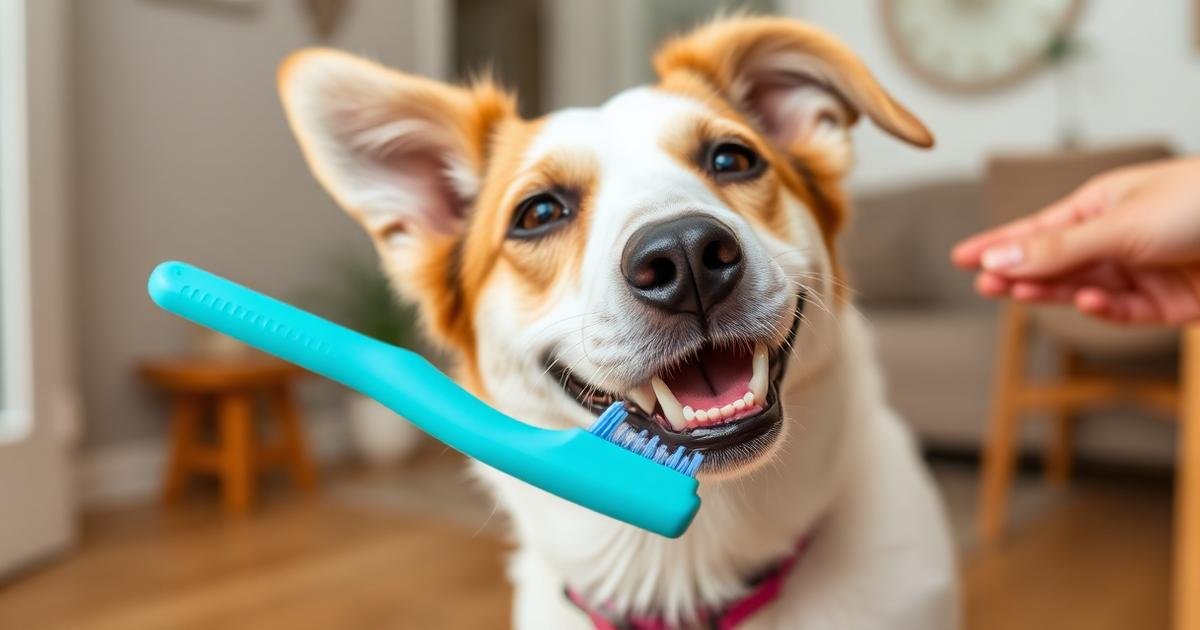
Learning how to brush dog teeth properly is one of the most valuable skills any pet owner can develop. Want to know the single best thing you can do for your dog’s health? Brush their teeth. Seriously — over 80% of dogs have periodontal disease by age three. That’s not just bad breath; it’s painful infections, tooth loss, and even damage to their heart or kidneys. Grab a pet-safe enzymatic toothpaste and a soft-bristled brush. Focus on the gum line, spending at least 30 seconds per side. Gentle, daily brushing stops plaque from hardening into tartar before it causes trouble. Start this routine today, and you’re literally adding years to your dog’s life by keeping bacteria out of their bloodstream.
How to brush dog teeth: Start by letting your dog lick enzymatic toothpaste from your finger for 2–3 days. Then lift their lip and rub the paste along the gum line with your finger for 3–4 more days. Next, introduce a soft-bristled toothbrush, brushing in small circles for 30 seconds per side. Always reward immediately wit
Quick Answer: What Is the Best Way to Start Brushing My Dog's Teeth?
Start by letting your dog lick enzymatic toothpaste from your finger for 2–3 days. Then lift their lip and rub the paste along the gum line with your finger for 3–4 more days. Next, introduce a soft bristled toothbrush, brushing in small circles for 30 seconds per side. Always reward immediately with a high value treat. Within 2 weeks, most dogs accept daily brushing as a normal routine.
For a complete guide on this topic, see the Ultimate Guide To Dog Health.
Why Is Brushing My Dog's Teeth So Important?
Periodontal disease is the most common clinical condition in adult dogs, according to the American Veterinary Medical Association (AVMA). It begins when plaque — a sticky film of bacteria — accumulates along the gum line and mineralizes into tartar within 24–48 hours. Once tartar forms, it can only be removed by professional dental cleaning under anesthesia.
For many homes, the right how to brush dog teeth choice is the one that stays reliable under ordinary daily conditions.
Untreated dental disease doesn't just cause bad breath and tooth loss. Bacteria from the mouth can enter the bloodstream and damage the heart, kidneys, and liver. Veterinarians generally recommend daily brushing as the gold standard for prevention, far more effective than dental chews or water additives alone.
A well matched how to brush dog teeth option should support the pet clearly without making the routine harder to maintain.
A study published in the Journal of Veterinary Dentistry found that dogs receiving daily brushing had significantly less gingivitis and plaque accumulation compared to those receiving only dental treats. Brushing your dog's teeth for even 2 minutes a day can reduce anesthetic dental cleanings by 50–75% over their lifetime. The financial savings are substantial — professional cleanings typically cost $300–$1,000 per visit.
Most owners get better long term results when how to brush dog teeth is judged through routine use rather than a single product claim.
Pro Tip: Never use human toothpaste for dogs. Human toothpaste contains xylitol, which is toxic to dogs, and foaming agents that can cause stomach upset. Always choose a veterinarian recommended enzymatic toothpaste formulated for canines.
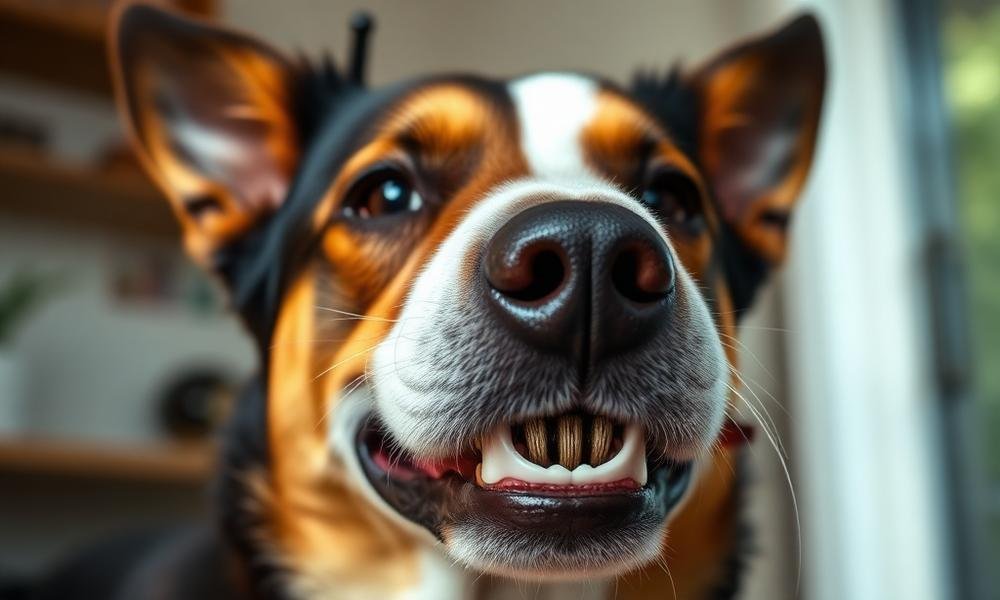
What Supplies Do I Need to Brush My Dog's Teeth?
Choosing the Right Toothbrush
Select a toothbrush designed for dogs. Dual headed brushes allow you to clean both the outer and inner surfaces efficiently, while finger brushes offer better control for nervous dogs. For small breeds or puppies, a brush with an angled head and ultra soft bristles works best.
If your dog resists a standard brush, try a silicone finger brush — it's less intimidating and allows you to feel the teeth and gum line. For large breeds like Golden Retrievers or Huskies, a long handled brush helps you reach the back molars without your fingers being bitten. Replace the toothbrush every 3 months or when bristles become frayed.
Selecting the Best Toothpaste
Enzymatic toothpaste is the only type proven to break down plaque effectively. Look for products containing glucose oxidase or lactoperoxidase, which activate saliva's natural antibacterial properties. Popular flavors include poultry, beef, and malt — avoid mint or cinnamon, which dogs typically dislike.
Never use baking soda, salt, or hydrogen peroxide. These can damage enamel and cause gastrointestinal distress if swallowed. A pea sized amount of enzymatic toothpaste per session is sufficient for most dogs. For giant breeds like Great Danes, use a slightly larger amount — about the size of a thumbnail.
Optional Tools for Stubborn Plaque
For dogs with existing tartar buildup, consider a dental scaler tool designed for home use. Use it gently once a week to scrape off loose tartar above the gum line. Dental wipes or pads can supplement brushing on days your dog is too stressed for a full session. Water additives containing chlorhexidine or zinc chloride can also help reduce bacterial load between brushings.
Keep your dog's teeth healthy and breath fresh with veterinarian approved dental care products.
Browse Dog Health Options →
How Do I Brush My Dog's Teeth Step by Step?
Step 1: Desensitize Your Dog
For the first 3–5 days, focus on getting your dog comfortable with mouth handling. Sit with your dog in a calm environment, lift their lip gently, and immediately give a small treat. Repeat this 5–10 times per session, twice daily.
Once your dog tolerates lip lifting without pulling away, introduce the toothpaste. Let them lick a small amount from your finger. Praise them enthusiastically. This builds a positive association with the taste and texture.
Step 2: Finger Brushing
After 4–5 days of desensitization, put a pea sized amount of toothpaste on your finger. Rub it along the upper gum line in small circular motions. Focus on the outer surfaces of the teeth — the inner surfaces (tongue side) naturally stay cleaner due to saliva flow.
Spend no more than 15 seconds on this first attempt. If your dog remains relaxed, gradually increase to 30 seconds per side over the next week. If they resist, go back to step 1 for another 2–3 days. Patience here prevents setbacks.
Step 3: Introduce the Toothbrush
Once your dog accepts finger brushing, switch to a toothbrush. Let them sniff and lick the brush first. Apply toothpaste and brush in small circles at a 45-degree angle to the gum line. Brush 2–3 teeth at a time, then reward.
Work systematically: start with the front teeth, move to the premolars, and finish with the back molars. The upper canine teeth and back molars are most prone to tartar buildup. Aim for at least 30 seconds per side, totaling 1–2 minutes per session.
Pro Tip: Brush at the same time every day — right after their evening walk works well. Dogs thrive on routine, and consistency makes brushing a habit within 2–3 weeks. Always end with a high value treat that your dog only receives after brushing.
Step 4: Reward and End Positively
Immediately after brushing, give your dog a special treat that they don't get at any other time. This could be a small piece of freeze dried liver, cheese, or a dental chew. The reward reinforces that brushing is a positive experience.
Never force the brush into your dog's mouth or hold them down. If your dog shows signs of stress — whale eye, lip licking, growling — stop and try again later with a shorter session. Patience prevents creating a lifelong aversion to dental care.

How Often Should I Brush My Dog's Teeth?
Daily brushing is the veterinary recommended standard. Plaque begins to mineralize into tartar within 24–48 hours, so skipping even one day allows bacteria to start forming hard deposits. Brushing your dog's teeth daily removes plaque before it hardens.
If daily brushing isn't possible, aim for at least 4–5 times per week. Dogs with existing dental disease, small breeds (which are prone to overcrowding), and senior dogs benefit most from consistent daily care. Even 3 times per week is significantly better than no brushing at all.
For dogs that absolutely resist brushing, use dental wipes or a water additive containing chlorhexidine on off days. These are not replacements for brushing but can slow plaque accumulation between sessions. Track your brushing frequency on a calendar to stay consistent.
Pro Tip: Schedule a professional dental cleaning under anesthesia once a year for dogs over age 3, or every 6 months for small breeds. Home brushing reduces the frequency and cost of these cleanings but cannot remove established tartar below the gum line.
What If My Dog Refuses to Let Me Brush Their Teeth?
Common Resistance Reasons and Solutions
If your dog refuses brushing, identify the cause. Fear of the brush, dislike of the toothpaste flavor, or pain from existing dental disease are the top three reasons. Switch to a different flavor of enzymatic toothpaste — chicken or beef often works better than malt.
For brush resistant dogs, try a silicone finger brush instead of a plastic handled brush. Some dogs also accept a piece of gauze wrapped around your finger, which provides gentle friction without the feel of bristles. Apply toothpaste to the gauze and rub the gum line.
Alternative Plaque Control Methods
If brushing remains impossible after 2–3 weeks of desensitization, use a combination approach. Offer dental chews approved by the Veterinary Oral Health Council (VOHC) daily. Use a water additive with chlorhexidine or zinc chloride. Feed a dental diet formulated to scrape teeth during chewing.
Schedule a veterinary dental cleaning to start with a clean slate. Once tartar is removed, maintenance becomes easier. Some dogs accept brushing better after professional cleaning because their gums no longer hurt.
For more information on maintaining your dog's overall health, see our Ultimate Guide To Dog Health.

What Are the Signs of Dental Disease I Should Watch For?
Recognizing early signs of dental disease allows you to intervene before serious damage occurs. Bad breath that persists despite brushing is often the first indicator. Healthy dog breath should smell neutral, not foul or rotten.
Visible signs include yellow or brown tartar buildup along the gum line, red or swollen gums, and bleeding when you touch the mouth. Your dog may also show behavioral changes such as dropping food while eating, chewing on one side of the mouth, or refusing hard kibble in favor of soft food.
Advanced dental disease can cause pawing at the mouth, facial swelling below the eye, nasal discharge, and weight loss from difficulty eating. If you notice any of these symptoms, schedule a veterinary dental exam immediately. Early treatment is less invasive and less expensive than treating advanced periodontal disease.
How Does Brushing Benefit My Dog's Overall Health?
Brushing your dog's teeth does more than protect their mouth — it safeguards their entire body. The bacteria from periodontal disease can enter the bloodstream and trigger inflammation in the heart valves (endocarditis), kidneys, and liver. Research suggests that dogs with healthy mouths live an average of 2–3 years longer than those with untreated dental disease.
Regular brushing also prevents painful tooth root abscesses, which require surgical extraction and antibiotics. These procedures can cost $500–$2,000 per tooth. By investing 2 minutes daily in brushing, you save thousands in veterinary bills and spare your dog unnecessary pain.
Also, maintaining good oral hygiene keeps your dog's breath fresh, making cuddle time more enjoyable for both of you. A clean mouth also reduces the risk of your dog transferring bacteria to family members through licks and shared spaces.
Frequently Asked Questions
Can I use human toothpaste for my dog?
No. Human toothpaste contains xylitol, which is toxic to dogs and can cause liver failure, and foaming agents that lead to stomach upset. Always use a pet specific enzymatic toothpaste formulated for dogs.
How long does it take for a dog to get used to teeth brushing?
Most dogs accept daily brushing within 2–3 weeks when you follow a gradual desensitization process. Start with finger rubbing for 3–5 days, then introduce the brush. Puppies often adapt within 1 week.
Do I need to brush the inside of my dog's teeth?
Focus primarily on the outer surfaces. The inner surfaces (tongue side) are naturally cleaned by saliva movement and tongue action. Brushing the outer surfaces removes 80–90% of plaque accumulation.
What age should I start brushing my dog's teeth?
Start as early as possible — ideally when your puppy is 8–12 weeks old. Puppies adapt quickly to handling. For adult dogs, start immediately regardless of age. Senior dogs benefit greatly but may need a gentler approach if they have existing dental pain.
Can dental chews replace brushing my dog's teeth?
No. Dental chews approved by the VOHC can reduce plaque by 10–20%, but brushing removes 60–80% of plaque. Chews are a supplement to brushing, not a replacement. Daily brushing remains the most effective home care method.
How do I know if my dog has dental disease?
Signs include bad breath, yellow or brown tartar on teeth, red or bleeding gums, difficulty eating, pawing at the mouth, and drooling. If you notice any of these, schedule a veterinary dental exam before starting a brushing routine, as brushing painful gums can worsen discomfort.
What is the best time of day to brush my dog's teeth?
Brush after your dog's last meal of the day, ideally at the same time each evening. This removes food particles before they form plaque overnight. Consistency is more important than the specific time — choose a time you can maintain daily.
Should I use an electric toothbrush for my dog?
Electric toothbrushes designed for dogs can be effective, but many dogs fear the vibration and noise. Start with a manual brush. If your dog tolerates it, an electric brush with a soft head and slow speed can improve plaque removal by 20–30%.
For authoritative reference on canine health and care standards, the American Kennel Club (AKC) provides breed-specific guidance trusted by veterinary professionals. For health-related questions, PetMD offers veterinarian-reviewed information on symptoms and treatments.
Check out our complete overview of how to check dog hydration level for more information.
Check out our complete overview of how to treat dog cold at home for more information.