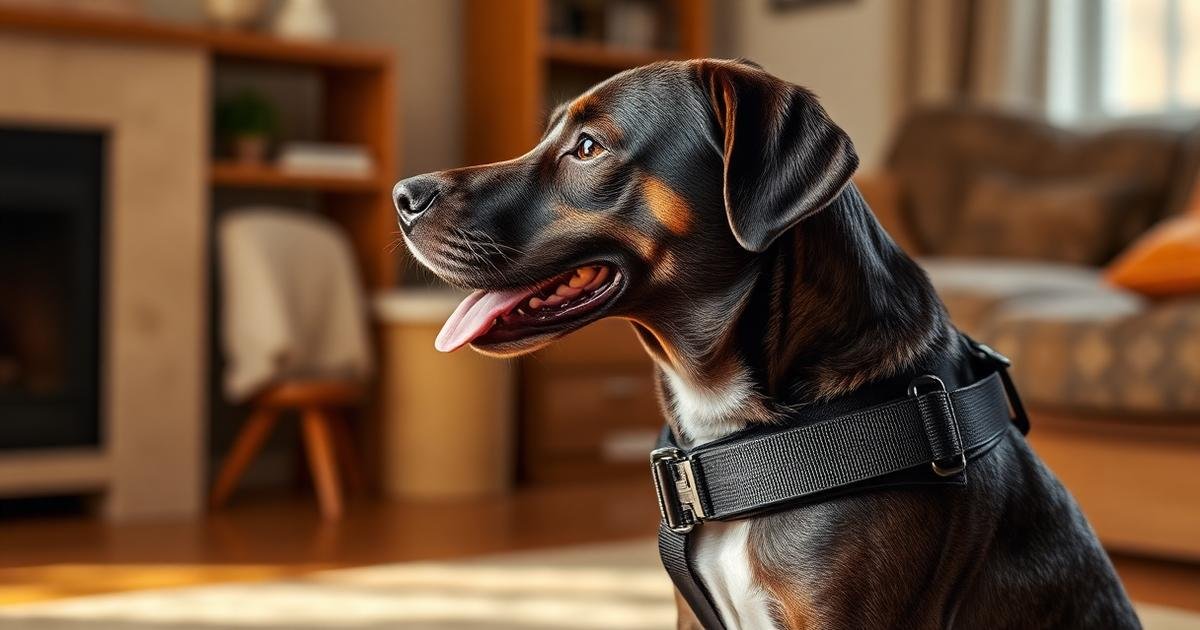
Finding the best harness for dog training depends on your dog's specific needs, but the front clip no-pull harness is the most effective design for teaching loose leash walking and reducing pulling behavior. These harnesses give you control without putting pressure on your dog's neck, making them safer and more humane than traditional collars or choke chains. For most training scenarios, a front clip or dual clip harness from brands like PetSafe, Ruffwear, or Blue-9 offers the best combination of control, comfort, and durability.
Best harness for dog training: The best harness for dog training is a front-clip no-pull harness, such as the PetSafe Easy Walk or Blue-9 Balance Harness. These designs attach the leash at the dog's chest, redirecting their body toward you when they pull. This gives you gentle control during training sessions without choking or r
Quick Answer: What Is the Best Harness for Dog Training?
The best harness for dog training is a front clip no-pull harness, such as the PetSafe Easy Walk or Blue-9 Balance Harness. These designs attach the leash at the dog's chest, redirecting their body toward you when they pull. This gives you gentle control during training sessions without choking or restricting natural movement, making them ideal for teaching loose leash walking within 2-3 weeks of consistent use.
For a complete guide on this topic, see the Ultimate Guide To Dog Training.
What Features Make a Harness Effective for Training?
The most effective training harnesses share three critical features: a front chest attachment point, adjustable straps for a custom fit, and lightweight construction that doesn't restrict your dog's gait. The front clip is the most important because it naturally steers your dog back toward you when they pull, which is the foundation of no pull training.
Look for a harness with at least two points of adjustment—one around the neck and one around the girth—so you can achieve a snug fit without chafing. A poorly fitted harness can cause rubbing or allow your dog to slip out, which undermines training progress. The American Kennel Club recommends checking that you can fit two fingers between the harness and your dog's body at any point.
For many homes, the right the best option choice is the one that stays reliable under ordinary daily conditions.
Pro Tip: When fitting a training harness, adjust it while your dog is standing. A harness that fits perfectly when sitting may be too loose during active walking. Check the fit weekly, especially for growing puppies.
Material quality matters for long term use. Nylon webbing with reinforced stitching holds up to daily training sessions, while padded chest plates distribute pressure evenly. Avoid harnesses with heavy hardware or bulky padding, as these can distract your dog during training and add unnecessary weight.
A well matched best harness for dog training should support the pet clearly without making the routine harder to maintain.
What Are the Top Harness Types for Different Training Goals?
Front Clip Harnesses for Loose Leash Walking
Front clip harnesses like the PetSafe Easy Walk and the Halti No Pull Harness are the gold standard for teaching polite walking. The leash attaches to a D ring on the dog's chest, so pulling turns the dog sideways toward you rather than dragging you forward. This gives you immediate control without needing to yank or correct.
Most owners get better long term results when best harness for dog training is judged through routine use rather than a single product claim.
These harnesses work best for dogs that pull moderately to severely. Within 1-2 weeks of consistent use, most owners see a significant reduction in pulling behavior. However, some dogs may find the chest pressure uncomfortable initially, so introduce the harness gradually with treats and positive associations.
The strongest the best option choice usually becomes clearer when comfort, consistency, and practical use are reviewed together.
Dual Clip Harnesses for Versatility
Dual clip harnesses, such as the Ruffwear Front Range or the Kurgo Tru-Fit, offer both front and back attachment points. This gives you flexibility to switch between training modes: use the front clip for focused training sessions and the back clip for casual walks or hiking. These are ideal if you want one harness that works for both training and everyday use.
Dual clip harnesses tend to have more padding and comfort features, making them suitable for longer walks. The trade off is that they are slightly heavier and may feel bulkier on small dogs. For training purposes, the front clip remains the more effective option for teaching loose leash walking.
Head Halters for Strong Pullers
For dogs that pull extremely hard or are reactive, a head halter like the Halti Headcollar or Gentle Leader can be a more effective training tool than a traditional harness. These devices fit around the dog's muzzle and behind the ears, giving you control over the dog's head direction. When the dog pulls, their head turns back toward you, which naturally slows them down.
Head halters require proper introduction and conditioning, as some dogs initially resist wearing them. The AVMA notes that head halters can be effective for training but should be used with positive reinforcement to avoid causing stress. They are not recommended for brachycephalic breeds (like pugs or bulldogs) due to potential breathing restrictions.
Pro Tip: If your dog pulls so hard they cough or gag on a collar, a front clip harness is the safer starting point. Head halters should only be used under the guidance of a professional trainer, especially for reactive or anxious dogs.
Martingale Style Harnesses for Escape Artists
Martingale style harnesses like the 2 Hounds Design Freedom No Pull Harness combine a front clip design with a martingale loop that tightens slightly when the dog pulls. This prevents dogs from backing out of the harness, which is common with standard designs. These are excellent for dogs with narrow heads, such as greyhounds or whippets, who can easily slip out of traditional harnesses.
The martingale feature provides a gentle reminder to the dog without choking. However, it should never be used as a correction tool—the tightening should be minimal and only enough to prevent escape. Pair this harness with positive reinforcement training for best results.
Ready to upgrade your training gear? Find the perfect harness for your dog's needs.
Browse Dog Training Options →
How Do You Choose the Right Size and Fit?
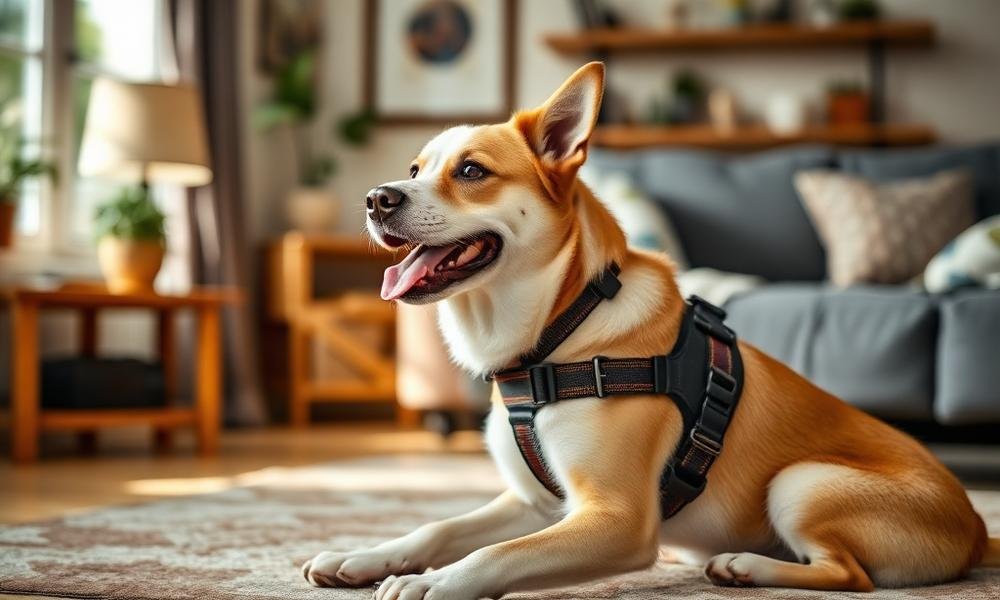
Choosing the correct size is more important than the brand when selecting the best harness for dog training. Measure your dog's neck circumference and chest girth (just behind the front legs) using a flexible tape measure. Most manufacturers provide sizing charts based on these two measurements, and you should always check them before purchasing.
A common mistake is buying a harness that is too large, thinking it will be more comfortable. A loose harness allows the dog to shift position, which reduces the effectiveness of the front clip mechanism and can cause the harness to rub. The harness should be snug enough that you cannot rotate it more than one inch in any direction.
Pro Tip: For puppies, buy a harness with adjustable straps that can grow with them. Expect to replace the harness every 3-4 months during the rapid growth phase. A well fitted training harness should not restrict shoulder movement—watch your dog's gait to confirm they can stride freely.
If your dog falls between sizes, go with the larger size and use the adjustment straps to achieve a snug fit. Many harnesses come with a sizing guarantee or exchange policy, so take advantage of this to get the perfect fit. A properly fitted harness should stay in place without riding up into the armpits or slipping over the head.
What Are the Best Harnesses for Specific Dog Breeds?
Small Breeds (Under 20 lbs)
Small breeds like Chihuahuas, Yorkies, and French Bulldogs need lightweight harnesses with soft padding and narrow straps. The Puppia Soft Harness and the Gooby Comfort X are excellent choices because they have soft, padded interiors that won't chafe delicate skin. For training, look for a front clip option that doesn't overwhelm their small frame.
Avoid harnesses with heavy metal hardware or thick padding, which can weigh down small dogs and make them uncomfortable. The PetSafe Easy Walk comes in extra small sizes and works well for small breeds, though you may need to adjust the straps carefully to avoid rubbing under the front legs.
Large and Giant Breeds (Over 50 lbs)
Large breeds like Labrador Retrievers, German Shepherds, and Great Danes require harnesses with heavy duty construction and wide straps to distribute pressure. The Ruffwear Front Range and the Kurgo Tru Fit are durable options that hold up to strong pulling. For giant breeds, the Julius-K9 IDC Powerharness offers excellent control with a handle on the back for additional guidance.
These harnesses should have reinforced stitching and metal D rings rather than plastic ones. The front clip should be sturdy enough to withstand repeated pulling without bending. For training, the front clip is still the most effective, but the back handle gives you added control during challenging situations.
Brachycephalic Breeds (Flat Faced Dogs)
Flat faced breeds like Bulldogs, Pugs, and Boston Terriers are prone to breathing issues, so a harness that avoids any neck pressure is essential. The Blue-9 Balance Harness and the PetSafe Easy Walk are good choices because they place the attachment point on the chest rather than the neck. Avoid any harness that has a strap crossing the throat area.
These breeds also overheat easily, so choose a harness made from breathable mesh or lightweight nylon. The harness should not restrict the chest or shoulders, as these dogs already have compromised airways. A front clip harness gives you gentle control without adding any pressure to the neck.

How Do You Transition From a Collar to a Training Harness?
Transitioning your dog from a collar to a harness requires patience and positive reinforcement. Start by letting your dog sniff and investigate the harness while giving treats. Then, put the harness on your dog for short periods (1-2 minutes) while indoors, gradually increasing the duration over several days.
Once your dog is comfortable wearing the harness, attach the leash to the front clip and practice walking in a low distraction environment like your backyard. Use treats to reward your dog for walking beside you without pulling. Most dogs adjust within 3-5 sessions if you keep the experiences positive and short.
Never force a dog into a harness or use it as punishment. The harness should be associated with fun activities like walks, treats, and play. If your dog shows signs of stress (freezing, tail tucked, ears back), take a step back and go slower. The goal is a calm, willing participant in training, not a dog that tolerates the harness out of fear.
Frequently Asked Questions
Is a front clip or back clip harness better for training?
Front clip harnesses are better for training because they redirect your dog's body toward you when they pull, giving you gentle control. Back clip harnesses can actually encourage pulling by allowing the dog to lean into the pressure. For loose leash walking, always choose a front clip or dual clip harness.
Can a harness stop my dog from pulling completely?
A harness alone won't stop pulling—you must pair it with consistent training. The harness gives you mechanical control, but teaching your dog to walk politely requires rewarding calm behavior and redirecting when they pull. Most dogs improve significantly within 2-3 weeks of combined harness use and training.
Are no pull harnesses safe for puppies?
Yes, front clip no-pull harnesses are safe for puppies as long as they fit properly. They avoid pressure on the developing neck and trachea, which is healthier than collar training. Start training at 8-12 weeks old with short, positive sessions to build good walking habits early.
What is the difference between a harness and a head halter?
A harness attaches around the dog's body and chest, while a head halter fits around the muzzle and behind the ears. Head halters give more control over the dog's head direction but require careful introduction. Harnesses are generally easier for most owners to use correctly and are less likely to cause stress.
How often should I replace my dog's training harness?
Replace the harness every 6-12 months for adult dogs, or sooner if you notice fraying straps, rusted hardware, or stretched elastic. For puppies, expect to replace the harness every 3-4 months as they grow. A worn harness can fail during training, so inspect it weekly for signs of damage.
Can I use a harness for a dog that pulls on leash?
Yes, a front clip harness is specifically designed to reduce pulling. The chest attachment redirects your dog's body when they pull, making it harder for them to continue the behavior. Pair the harness with positive reinforcement training for the best results, and you should see improvement within 1-2 weeks.
Are there any dogs that shouldn't use a training harness?
Most dogs can use a training harness safely, but dogs with severe shoulder injuries or certain spinal conditions may need a veterinarian's approval first. Brachycephalic breeds should use harnesses that avoid neck pressure. Always consult your vet if your dog has a medical condition before starting any training equipment.
What brand of harness do professional trainers recommend?
Professional trainers frequently recommend the PetSafe Easy Walk for its simplicity and effectiveness, the Blue-9 Balance Harness for its adjustability, and the Ruffwear Front Range for durability. The best choice depends on your dog's size, breed, and specific training needs. Test one or two options to find what works best.
For authoritative reference on canine health and care standards, the American Kennel Club (AKC) provides breed-specific guidance trusted by veterinary professionals. For health-related questions, PetMD offers veterinarian-reviewed information on symptoms and treatments.