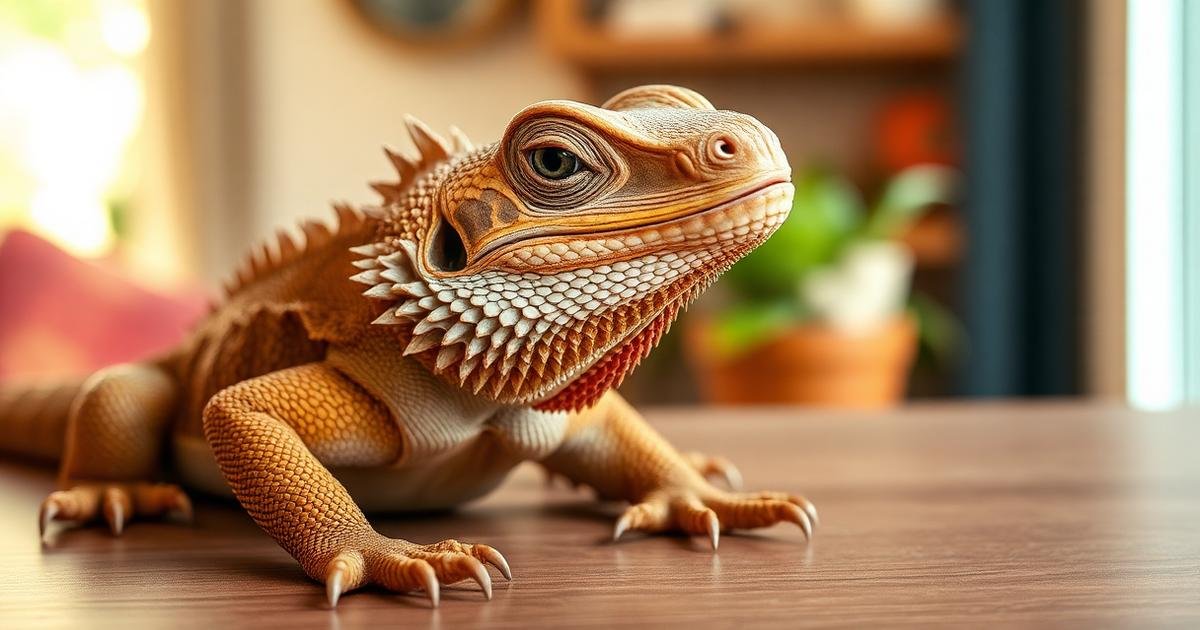
Learning how to handle a bearded dragon correctly is essential for building trust and reducing stress for both you and your pet. The key is to move slowly, support their entire body, and never grab or squeeze them. With patience and consistent gentle handling sessions of 10–15 minutes daily, most bearded dragons become comfortable being held within 2–3 weeks.
How to handle a bearded dragon: Approach your bearded dragon slowly from the side, not from above (which mimics a predator). Scoop them up with one hand supporting the chest and front legs, and the other hand supporting the tail and back legs. Keep handling sessions to 10–15 minutes daily for the first 1–2 weeks, always in a warm
Quick Answer: How do you properly handle a bearded dragon for the first time?
Approach your bearded dragon slowly from the side, not from above (which mimics a predator). Scoop them up with one hand supporting the chest and front legs, and the other hand supporting the tail and back legs. Keep handling sessions to 10–15 minutes daily for the first 1–2 weeks, always in a warm room above 75°F.
For a complete guide on this topic, see the Reptile Care Guide.
This how to handle a bearded dragon decision works best when the owner compares daily fit, tolerance, and practical consistency together.
Why do bearded dragons sometimes resist being handled?
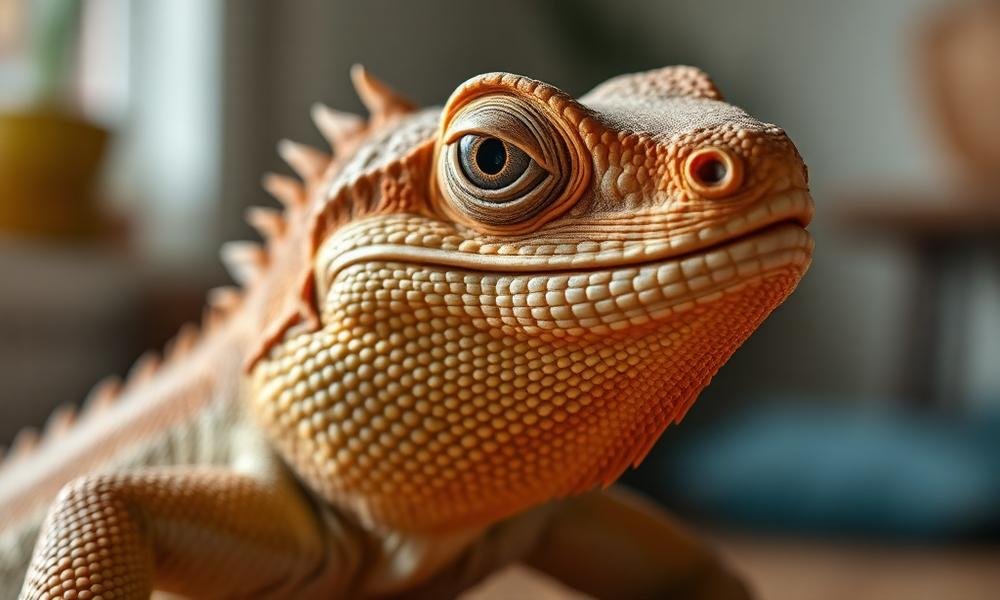
Bearded dragons resist handling primarily because they perceive humans as threats. In the wild, predators attack from above, so your hand approaching from overhead triggers an instinctive fear response. Young bearded dragons, especially those under 6 months old, are naturally more skittish and may puff out their beard or try to run away.
For many homes, the right how to handle a bearded dragon choice is the one that stays reliable under ordinary daily conditions.
Another common reason is temperature. Bearded dragons are ectothermic, meaning they rely on external heat sources to regulate their body temperature. If your hands are cold or the room is below 75°F, your dragon may feel uncomfortable and less willing to be held. Always warm your hands before attempting to handle your bearded dragon.
A well matched how to handle a bearded dragon option should support the pet clearly without making the routine harder to maintain.
Health issues can also cause resistance. If your bearded dragon suddenly becomes aggressive or avoids handling despite previous comfort, consult a veterinarian. According to the AVMA pet owner resources, sudden behavioral changes in reptiles often signal underlying medical problems.
Most owners get better long term results when how to handle a bearded dragon is judged through routine use rather than a single product claim.
Pro Tip: Before each handling session, let your bearded dragon see your hand approaching for 5–10 seconds. This gives them time to recognize you're not a threat, reducing the likelihood of defensive behaviors like hissing or tail whipping.
What is the correct technique for picking up a bearded dragon?
The correct technique for picking up a bearded dragon involves three critical steps: approach, scoop, and support. First, approach from the side at eye level, not from above. Place one hand flat in front of them, palm up, and gently slide it under their chest between their front legs. Use your other hand to support their back legs and the base of their tail.
Never grab a bearded dragon by the tail. While they can drop their tail as a defense mechanism (a process called caudal autotomy), this causes significant stress and the tail does not regrow fully. Similarly, never pick them up by the legs or squeeze their body, as this can cause internal injuries.
Once lifted, hold them close to your chest or against your body. This provides security and warmth. Keep your movements slow and deliberate. If they start to squirm or struggle, gently lower them back into their enclosure rather than tightening your grip. For more detailed guidance, the ASPCA behavior resources offer general principles that apply to reptile handling as well.
How do you handle a bearded dragon that is stressed or defensive?
If your bearded dragon is hissing, puffing out its beard, or opening its mouth wide, stop immediately. These are clear stress signals. Do not try to pick them up during this state. Instead, wait 10–15 minutes and try again with slower movements. If they remain defensive, end the session and try again the next day.
For consistently defensive dragons, use the "hand in the enclosure" method. Simply place your hand flat inside the terrarium for 5–10 minutes daily without attempting to touch them. This desensitizes them to your presence. Within 1–2 weeks, most dragons will voluntarily climb onto your hand.

How often and how long should you handle a bearded dragon?
For adult bearded dragons (over 12 months old), handling sessions of 15–20 minutes once or twice daily are ideal. Juvenile dragons (under 12 months) benefit from shorter, more frequent sessions of 10 minutes, 2–3 times per day. Baby bearded dragons (under 6 months) should be handled for only 5–10 minutes once daily to avoid overwhelming them.
Consistency matters more than duration. Handling your bearded dragon at the same time each day builds a routine they can predict and trust. Morning sessions often work best because your dragon is warm and alert after basking. Avoid handling immediately after feeding, as this can cause regurgitation.
Over handling is a real concern. Signs of over handling include glass surfing (scratching at the enclosure walls), darkened beard color, and refusal to eat. If you notice these signs, reduce handling frequency by half for 1–2 weeks. Research suggests that most bearded dragons thrive with a handling schedule that doesn't exceed 30 minutes total per day.
Pro Tip: Create a handling journal for the first month. Note the time of day, duration, and your dragon's behavior (calm, curious, stressed). Patterns will emerge, helping you identify the optimal handling window for your specific bearded dragon.
What should you never do when handling a bearded dragon?
Never handle a bearded dragon that is shedding. Their skin is sensitive and painful during this process, and handling can cause them significant discomfort. Wait until the shed is complete, which typically takes 5–10 days. You can offer a warm soak (85–90°F water) to help loosen the shed.
Never handle a bearded dragon during brumation. Brumation is a hibernation like state that occurs in winter months, especially in adult dragons. During this period, they are sluggish, eat little, and want minimal interaction. Disturbing them can cause stress and disrupt their natural cycle. Let them sleep unless you notice signs of illness.
Never allow children under 5 to handle a bearded dragon unsupervised. Young children may squeeze, drop, or startle the dragon, leading to injury for both the child and the pet. For children aged 5–10, have them sit on the floor while you hand them the dragon, and keep sessions under 5 minutes. Always supervise closely.
What are the safety considerations for both you and your bearded dragon?
Bearded dragons can carry Salmonella bacteria, which is harmless to them but can cause illness in humans. Always wash your hands thoroughly with soap and water after handling your bearded dragon, after cleaning their enclosure, and before eating. The CDC recommends that immunocompromised individuals and children under 5 avoid direct contact with reptiles.
For your bearded dragon's safety, never handle them around other pets. Cats and dogs may view a bearded dragon as prey, even if they seem friendly. Always handle your dragon in a secure, enclosed space away from other animals. Also, avoid handling them near edges, stairs, or open windows where they could fall.

How do you read your bearded dragon's body language during handling?
Understanding your bearded dragon's body language is the single most important skill for successful handling. A relaxed dragon has a flat, smooth beard, bright eyes, and slow, steady breathing. Their body color will be light and their limbs will hang loosely when held. These signals mean you can continue the session safely.
A stressed dragon shows clear warning signs. A darkened or black beard is the most obvious indicator. Other signs include rapid breathing, gaping mouth, flattened body (pancaking), and frantic attempts to escape. If you see any of these, end the session immediately. Pushing through stress damages trust and makes future handling harder.
Tail position tells you a lot too. A relaxed dragon holds its tail straight or slightly curved. A tail that is curled upward or whipping side to side indicates agitation. According to the AKC behavior guides, while written for dogs, the principle of reading subtle body cues applies equally to reptiles. Practice observing your dragon for 5 minutes before each handling session to build your reading skills.
What specific behaviors indicate your bearded dragon is enjoying handling?
Bearded dragons that enjoy handling will climb onto your hand voluntarily. They may close their eyes slowly (a sign of contentment in reptiles), lean into your warmth, and remain still with a relaxed posture. Some dragons will even fall asleep during longer sessions, which is the ultimate sign of trust.
Another positive sign is when your bearded dragon turns toward you when you enter the room or approaches the enclosure door. This indicates they associate you with positive experiences. Over 4–6 weeks of consistent positive handling, you should see these behaviors increase. If you don't, reassess your technique and environment.
How do you handle a bearded dragon that bites or scratches?
Bearded dragon bites are rare but can happen, especially if the dragon feels cornered or frightened. Their bite is not venomous but can break skin and cause pain. If your bearded dragon bites you, do not pull away forcefully. This can injure their teeth or jaw. Instead, gently blow on their nose or place them back in their enclosure. They will usually release on their own within seconds.
Scratches from bearded dragon claws are more common, particularly if they are scrambling to get away. To minimize scratching, keep their nails trimmed. Use a small animal nail clipper and trim only the very tip of each nail, avoiding the quick (the pink area containing blood vessels). If unsure, ask your veterinarian to demonstrate the proper technique.
Prevention is the best strategy. A bearded dragon that bites or scratches is communicating discomfort. Reassess your handling technique, the temperature of your hands, and the overall environment. According to PetMD condition guides, stress induced aggression in reptiles often resolves when the underlying cause is addressed.
Pro Tip: If your bearded dragon bites and holds on, submerge your hand (with the dragon still attached) in lukewarm water. The water will encourage them to release without injury. Never pull or twist the dragon's body to break the bite.
How does handling affect a bearded dragon's overall health and behavior?
Regular, gentle handling has documented benefits for bearded dragons. It reduces stress hormones, improves socialization, and makes veterinary visits less traumatic. A bearded dragon that is handled consistently from a young age is less likely to develop defensive behaviors like hissing, tail whipping, or biting. This makes routine care tasks like nail trimming and health checks much easier.
However, improper handling can cause chronic stress, which weakens the immune system and makes your dragon more susceptible to respiratory infections, parasites, and metabolic bone disease. Signs of chronic stress include loss of appetite, lethargy, and a persistently dark beard. If you notice these signs, stop handling entirely for 1–2 weeks and consult a reptile veterinarian.
Handling also provides enrichment. Being outside their enclosure exposes them to new sights, sounds, and smells, which stimulates their natural curiosity. Just ensure the room is warm (75–85°F) and free from drafts. A 15-minute handling session in a warm, secure room can be as enriching as a new hide or climbing branch.
What role does trust play in handling success?
Trust is the foundation of successful handling. It takes time to build and seconds to break. Never chase your bearded dragon around their enclosure to catch them. This teaches them that you are a threat. Instead, let them come to you. Over weeks of consistent, gentle interactions, your bearded dragon will learn that your hands mean safety, not danger.
Use positive reinforcement. Offer a small treat (like a single blueberry or a waxworm) after each successful handling session. This creates a positive association. Within 4–6 weeks of regular, trust building handling, most bearded dragons will actively seek out interaction, climbing onto your hand when you open their enclosure.
How do you introduce handling to a newly adopted bearded dragon?
A newly adopted bearded dragon needs an adjustment period before handling begins. Allow 3–7 days for them to settle into their new enclosure without any interaction beyond feeding and spot cleaning. During this time, sit near the enclosure for 10–15 minutes daily so they become accustomed to your presence and voice.
After the adjustment period, start with the "hand in the enclosure" method for 3–5 days. Place your hand flat inside the terrarium for 5 minutes without moving. Let the dragon investigate on their terms. If they approach and sniff your hand, that's a green light to attempt your first gentle scoop. If they retreat or show stress signals, wait another 2–3 days before trying again.
Newly adopted dragons may take longer to trust you, especially if they came from a stressful environment. Be patient and let them set the pace. Some dragons require 6–8 weeks before they are comfortable being held. Rushing this process can set back your progress significantly and create long term handling resistance.
Pro Tip: For newly adopted dragons, use a piece of clothing you've worn (like an old t-shirt) placed near their basking spot. Your scent becomes familiar and non-threatening, which speeds up the trust building process by 1–2 weeks.
Frequently Asked Questions
How long does it take for a bearded dragon to get used to being handled?
Most bearded dragons adjust to handling within 2–4 weeks of daily 10–15 minute sessions. Baby dragons may take 4–6 weeks, while adults previously unhandled may need 6–8 weeks. Consistency and patience are more important than session length.
Can handling a bearded dragon cause them stress?
Yes, improper handling is a major stressor for bearded dragons. Signs of stress include darkening beard color, hissing, rapid breathing, and trying to escape. Proper technique—slow movements, full body support, and warm hands—minimizes stress significantly.
Should you handle a bearded dragon every day?
Daily handling is recommended for socialization, but skip days if your dragon shows stress signals. Aim for 10–20 minutes per session, 5–7 days per week. Missing 1–2 days per week is normal and can actually reduce stress from over-handling.
What is the best age to start handling a bearded dragon?
Start handling as early as 2–3 weeks old, but keep sessions very short (5 minutes). Younger dragons adapt faster to handling. Dragons first handled after 6 months of age may take 2–3 times longer to become comfortable with human interaction.
How do you handle a bearded dragon that is shedding?
Avoid handling a bearded dragon during active shedding. Their skin is sensitive and handling causes pain. Wait until the shed is complete, which usually takes 5–10 days. A warm soak (85–90°F for 10 minutes) can help loosen stubborn shed.
Can you handle a bearded dragon while it is brumating?
No, avoid handling a bearded dragon during brumation. This hibernation like state typically occurs in winter and can last 4–12 weeks. Disturbing a brumating dragon causes significant stress and can disrupt their natural metabolic cycle. Let them sleep undisturbed.
What should I do if my bearded dragon runs away from my hand?
Stop the session immediately. Running away is a clear stress signal. Return to the "hand in the enclosure" method for 3–5 more days before attempting to pick them up again. Never chase your dragon, as this damages trust and reinforces fear.
Can I handle my bearded dragon if I'm sick?
It's best to avoid handling when you are sick. Bearded dragons can catch certain human respiratory infections. Wait until you are fully recovered. If you must handle them (for feeding or enclosure cleaning), wash your hands thoroughly before and after and wear a mask.
Build a safer, more comfortable handling experience with the right supplies.
Browse Reptile Options →
Check out our complete overview of how to feed a ball python for more information.