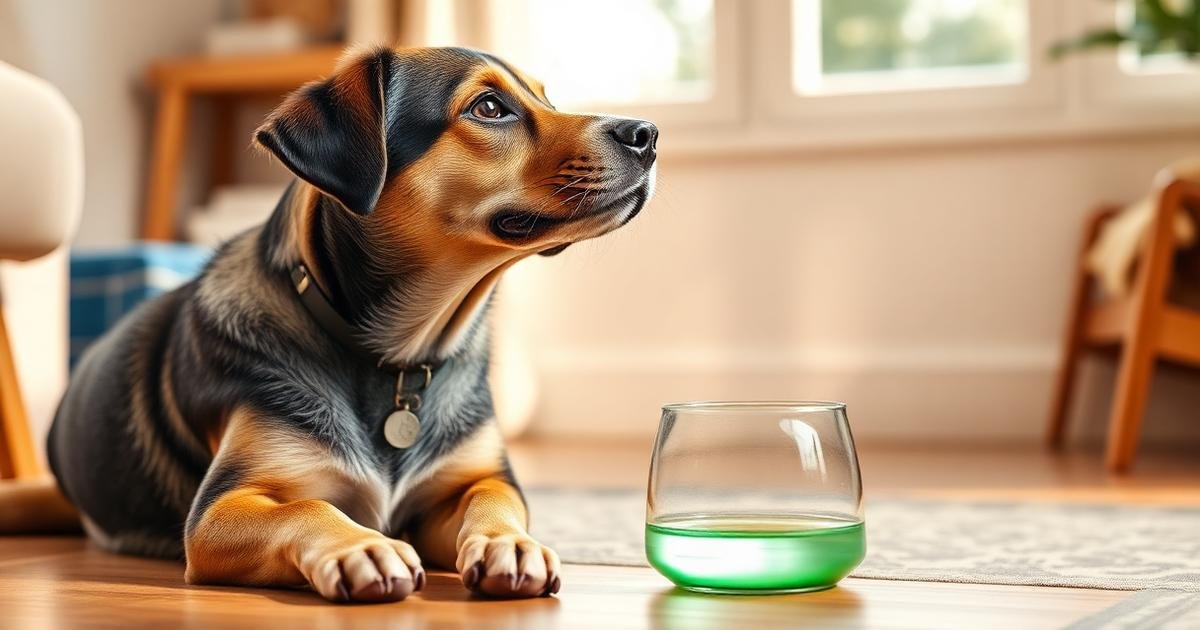
Dehydration in dogs can escalate from mild to life threatening within hours, so knowing how to check dog hydration level is a skill every owner needs. The quickest way to assess hydration is the skin tent test: gently lift the skin between your dog's shoulder blades, release it, and see how fast it snaps back. If the skin returns slowly or stays tented, your dog is dehydrated and needs water immediately—or veterinary care if the condition persists. Understanding how to check dog hydration level accurately can mean the difference between a simple fix at home and an emergency vet visit.
How to check dog hydration level: Perform the skin tent test by pinching the skin over your dog's shoulder blades. In a hydrated dog, the skin snaps back in under 1–2 seconds. If it takes longer or remains tented, your dog is dehydrated. Also check gum moisture: sticky or dry gums indicate dehydration. Offer fresh water immediately
Quick Answer: How Do I Check If My Dog Is Dehydrated at Home?
Perform the skin tent test by pinching the skin over your dog's shoulder blades. In a hydrated dog, the skin snaps back in under 1–2 seconds. If it takes longer or remains tented, your dog is dehydrated. Also check gum moisture: sticky or dry gums indicate dehydration. Offer fresh water immediately and watch for improvement within 30 minutes. If symptoms worsen or your dog refuses water, see a vet.
For a complete guide on this topic, see the Ultimate Guide To Dog Health.
What Causes Dehydration in Dogs and Why Checking Matters
Dehydration occurs when a dog loses more fluids than it takes in, disrupting electrolyte balance and organ function. Common causes include vomiting, diarrhea, excessive panting from heat or exercise, fever, and insufficient water intake.
Puppies, senior dogs, and brachycephalic breeds (like Bulldogs and Pugs) are at higher risk because their bodies regulate fluids less efficiently. Knowing how to check dog hydration level early can prevent progression to kidney failure or heatstroke, which can be fatal within 24–48 hours.
Veterinarians emphasize that even mild dehydration (a 5% fluid loss) can reduce blood flow to vital organs. A 10–15% loss is considered severe and requires immediate veterinary intervention.
Pro Tip: Always monitor your dog's water intake during hot weather or after intense play. A healthy adult dog needs approximately 1 ounce of water per pound of body weight daily—a 50-pound dog needs at least 50 ounces (about 6 cups) per day.
How to Check Dog Hydration Level: Step-by Step Methods
Three reliable at home tests can help you assess your dog's hydration status within seconds. Perform these tests in a calm environment and compare results over time to establish your dog's baseline.
1. The Skin Tent Test
Lift the skin at the scruff of your dog's neck or between the shoulder blades using your thumb and forefinger. Release it and watch how quickly it returns to its original position. In a well hydrated dog, the skin snaps back immediately. If it takes 2–3 seconds or stays elevated, your dog is dehydrated.
This test is less reliable in overweight dogs or breeds with loose skin (like Shar-Peis), where the skin may naturally tent. For these dogs, use the gum moisture test as a primary indicator.
2. Gum Moisture and Capillary Refill Time
Lift your dog's lip and touch the gum above a canine tooth. Healthy gums are moist and pink. Dry, sticky, or tacky gums signal dehydration. Next, press your finger firmly on the gum until the area turns white, then release. Count how many seconds it takes for the pink color to return. Normal capillary refill time is 1–2 seconds. Longer than 2 seconds indicates poor circulation from dehydration.
The American Kennel Club notes that pale or bluish gums can indicate shock or severe dehydration and require emergency care.
3. The Eye Sink Test
Gently press on your dog's closed eyelid with your thumb. In a hydrated dog, the eye sits normally in the socket. If the eyeball appears sunken or the area behind the eye feels hollow, this suggests significant fluid loss. This test is most useful for moderate to severe dehydration.
Pro Tip: Perform these tests at the same time each day (e.g., morning after waking) to establish a baseline. Dogs with chronic conditions like kidney disease may have different normal values—consult your vet to learn your dog's personal hydration markers.
How Do I Interpret the Results of Each Hydration Test?
Interpreting the skin tent test results requires a clear scale. If the skin snaps back instantly, hydration is normal. A return within 2–3 seconds indicates mild dehydration (about 5% fluid loss). If it takes 3–5 seconds, this signals moderate dehydration (6–8% loss). A tent lasting more than 5 seconds means severe dehydration (10% or more) requiring emergency care.
For the gum test, moist and pink gums are ideal. Sticky gums suggest mild dehydration, while dry or tacky gums indicate moderate loss. Pale, bluish, or brick red gums are emergency signs. Capillary refill time beyond 2 seconds consistently points to compromised circulation from fluid depletion.
Combine these tests for a complete picture. A dog with normal skin tent but dry gums may be mildly dehydrated from panting or a dry environment. Poor results on both tests almost always confirm moderate to severe dehydration that needs intervention.
What Are the Early Signs of Dehydration I Should Watch For?
Before performing physical tests, observe your dog's behavior. Early signs include lethargy, excessive panting, dry nose, and loss of skin elasticity. Your dog may also show decreased interest in food or play.
As dehydration worsens, you'll notice sunken eyes, thick saliva, weakness, and a rapid heart rate. A dehydrated dog may also vomit or have diarrhea, which accelerates fluid loss. If you see any of these signs, knowing how to check dog hydration level immediately can determine whether home care is sufficient.
Use the skin tent and gum tests together for a more accurate assessment. A dog with normal skin tent but dry gums may be mildly dehydrated, while poor results on both tests indicate moderate to severe dehydration.
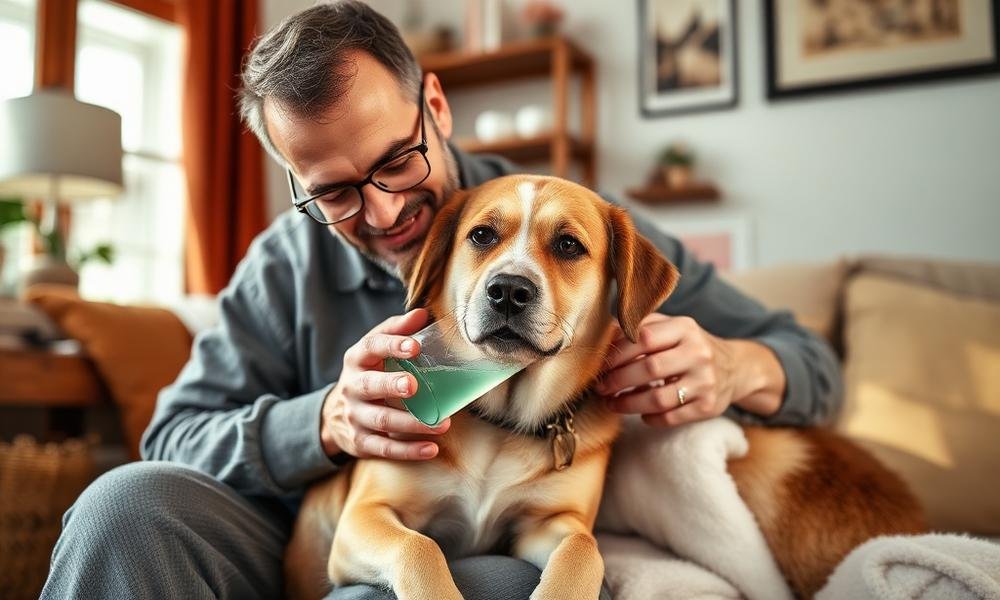
How Can I Rehydrate My Dog Safely at Home?
For mild dehydration (skin tent returns within 2–3 seconds, gums slightly tacky), offer small amounts of fresh water every 10–15 minutes. Do not let your dog gulp large volumes, as this can cause vomiting and worsen dehydration. Ice cubes or ice chips can encourage slower drinking.
For dogs that refuse water, try offering unflavored Pedialyte (diluted 50:50 with water) or low sodium chicken broth. These provide electrolytes and flavor to stimulate drinking. A general guideline is 1–2 teaspoons of fluid per pound of body weight per hour for mild cases.
Monitor your dog's urine output—a hydrated dog should urinate every 4–6 hours and produce light yellow urine. Dark yellow or orange urine indicates ongoing dehydration.
Pro Tip: For active dogs or those recovering from illness, consider adding a canine specific electrolyte powder to their water. Avoid human sports drinks, which contain sugar and artificial ingredients that can upset a dog's stomach.
When Should I See a Vet for Dehydration?
Seek veterinary care immediately if your dog shows any of these signs: inability to stand, persistent vomiting, refusal to drink for more than 12 hours, sunken eyes, or skin that remains tented for more than 5 seconds. These indicate severe dehydration requiring intravenous fluids.
Veterinarians at PetMD advise that dogs with underlying conditions like kidney disease, diabetes, or parvovirus are at higher risk and should be evaluated sooner. If your dog has had diarrhea or vomiting for more than 24 hours, even mild dehydration can escalate quickly.
A vet can administer subcutaneous or intravenous fluids and run blood tests to check electrolyte balance and organ function. The ASPCA notes that prompt treatment can resolve dehydration within 24 hours, while delays can lead to kidney damage or shock.
How Can I Prevent Dehydration in My Dog?
Prevention is straightforward: make sure constant access to clean, fresh water. Wash water bowls daily to prevent bacterial buildup, which can deter drinking. During hot weather or exercise, offer water breaks every 15–20 minutes and provide shaded areas.
For dogs that are picky drinkers, try using a pet water fountain—the moving water encourages more frequent drinking. Add ice cubes to the bowl on warm days, or freeze low sodium broth into ice cubes for a hydrating treat. Monitor your dog's water intake by measuring how much you fill the bowl versus what remains at day's end.
If your dog is prone to vomiting or diarrhea, consult your vet about a hydration plan. Some dogs benefit from subcutaneous fluid therapy at home, which your vet can teach you to administer safely.
How Do Different Seasons Affect My Dog's Hydration Needs?
Summer heat dramatically increases fluid loss through panting and paw pad evaporation. During heat waves, check your dog's hydration level every 2–3 hours, especially if they spend time outdoors. Provide multiple water stations and freeze water in large bowls to keep it cool longer.
Winter dehydration is often overlooked because dogs drink less in cold weather. Indoor heating dries out the air and your dog's respiratory tract, increasing water needs. Add warm water to dry food and make sure your dog's water bowl doesn't freeze if they stay outdoors. Snow is not a reliable water source—it provides minimal hydration and can lower body temperature.
Spring and fall bring variable temperatures and seasonal allergies that can cause sneezing or eye discharge, leading to minor fluid loss. Adjust water availability based on activity levels and always carry water on walks lasting more than 30 minutes.
What Role Does Diet Play in Dog Hydration?
Wet food contains approximately 75–85% water, while dry kibble has only 6–10%. Switching to a wet food diet or adding water to kibble can significantly boost your dog's daily fluid intake. For a 50-pound dog, adding 1/2 cup of water to each meal provides an extra 4 ounces of hydration.
High sodium treats and processed chews can increase thirst and fluid loss. Choose low sodium options or fresh fruits like watermelon (seedless, no rind) and cucumber slices as hydrating snacks. The American Veterinary Medical Association recommends that treats make up no more than 10% of a dog's daily caloric intake to avoid nutritional imbalances.
Dogs on dry food only diets may need 20–30% more drinking water than those eating wet food. Always adjust water availability when changing your dog's diet, and monitor urine concentration for the first week after a dietary switch.
Keep your dog hydrated and healthy with quality water bowls, electrolyte supplements, and hydration monitoring tools.
Browse Dog Health Options →
Frequently Asked Questions
How often should I check my dog's hydration level?
Check daily, especially during hot weather, after exercise, or if your dog has a medical condition. Morning checks after the first bathroom break give the most consistent baseline. Dogs with kidney disease or diabetes may need checks every 4–6 hours.
Can a dog be dehydrated even if they drink water?
Yes. Vomiting, diarrhea, or excessive urination from conditions like diabetes can cause dehydration even with normal water intake. The body may lose fluids faster than it can absorb them. Always use physical tests to confirm.
What does dehydrated dog poop look like?
Dehydrated dogs often produce small, hard, dry stools that are difficult to pass. Constipation is a common secondary sign. If your dog hasn't had a bowel movement in 24–48 hours and shows other dehydration signs, increase fluid intake.
Is it safe to give my dog Pedialyte for dehydration?
Yes, in small amounts and diluted 50:50 with water. Use unflavored Pedialyte to avoid artificial sweeteners like xylitol, which is toxic to dogs. Offer 1–2 teaspoons per 10 pounds of body weight every 2–3 hours. For severe cases, stick to veterinary fluids.
Can dehydration cause kidney failure in dogs?
Chronic or severe dehydration can lead to acute kidney injury by reducing blood flow to the kidneys. Over time, this can progress to kidney failure. The American Veterinary Medical Association links persistent dehydration to increased risk of kidney and urinary tract issues.
How long does it take for a dog to rehydrate?
Mild dehydration improves within 1–2 hours of consistent water intake. Moderate cases may take 6–12 hours with rest and access to water. Severe dehydration requiring IV fluids typically resolves within 24 hours with veterinary care.
What if my dog refuses to drink water?
Try flavoring the water with a splash of low sodium chicken broth or offering ice cubes. Use a syringe (without needle) to gently squirt water into the side of the mouth. If refusal lasts more than 12 hours, see a vet to rule out underlying illness.
Are certain dog breeds more prone to dehydration?
Yes. Brachycephalic breeds (Bulldogs, Pugs, Boxers) overheat and dehydrate faster due to their short airways. Toy breeds have small body mass and lose fluids quickly. Senior dogs and those with thick coats are also at higher risk.
For authoritative reference on canine health and care standards, the American Kennel Club (AKC) provides breed-specific guidance trusted by veterinary professionals. For health-related questions, PetMD offers veterinarian-reviewed information on symptoms and treatments.
Learn more in our detailed guide on how to brush dog teeth.
Check out our complete overview of how to treat dog cold at home for more information.