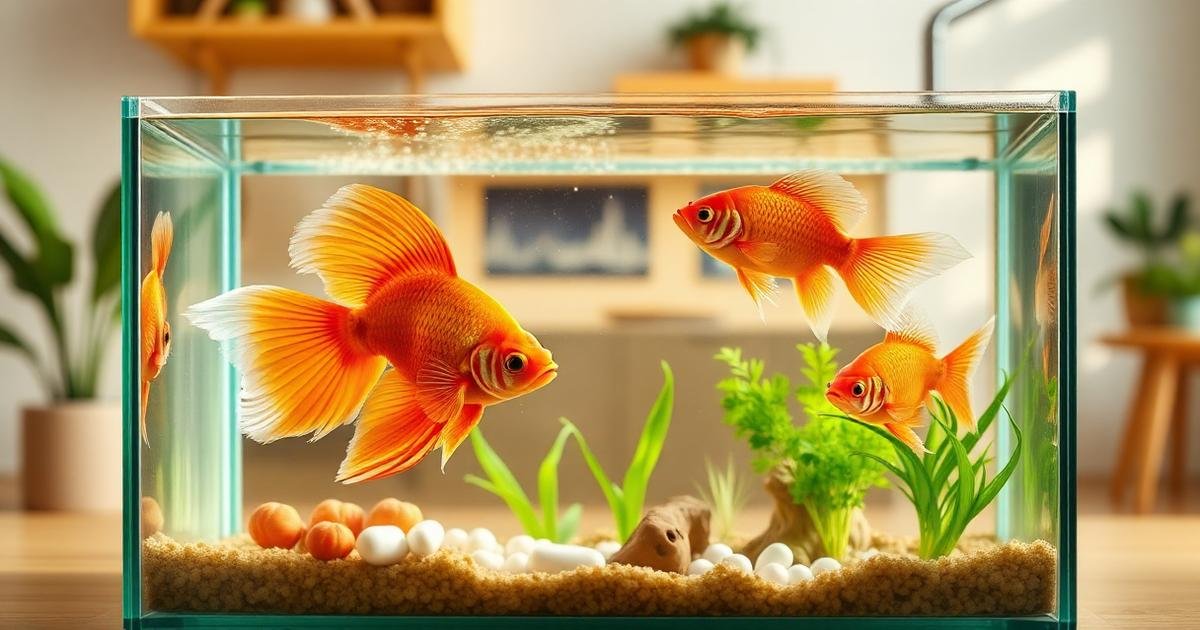
Choosing between a betta and a goldfish is one of the most common dilemmas for new fish owners. Both are beautiful, widely available, and relatively affordable, but they have vastly different needs that will shape your entire aquarium experience. The right choice for you depends entirely on your available space, budget, and how much time you can dedicate to maintenance. betta vs goldfish as pets is one of the most important decision points for long term daily fit.
Betta vs goldfish as pets: Bettas are easier for most beginners because they require a smaller tank (5+ gallons), no heater in warm homes, and produce less waste. Goldfish need a minimum of 20 gallons for one fish, powerful filtration, and frequent water changes due to their heavy bioload. If you have limited space and budget
If you want a stunning, low bioload fish that thrives alone in a small heated tank, a betta is your answer. If you prefer a social, cold water fish that grows large and needs a big, heavily filtered aquarium, a goldfish is the better fit. This guide breaks down every difference so you can make the right decision for your home.
Quick Answer: Which fish is easier to care for, a betta or a goldfish?
Bettas are easier for most beginners because they require a smaller tank (5+ gallons), no heater in warm homes, and produce less waste. Goldfish need a minimum of 20 gallons for one fish, powerful filtration, and frequent water changes due to their heavy bioload. If you have limited space and budget, choose a betta. If you can commit to a larger setup and regular maintenance, a goldfish is rewarding.
For a complete guide on this topic, see the Aquarium Setup Guide.
What are the key differences between betta and goldfish care requirements?
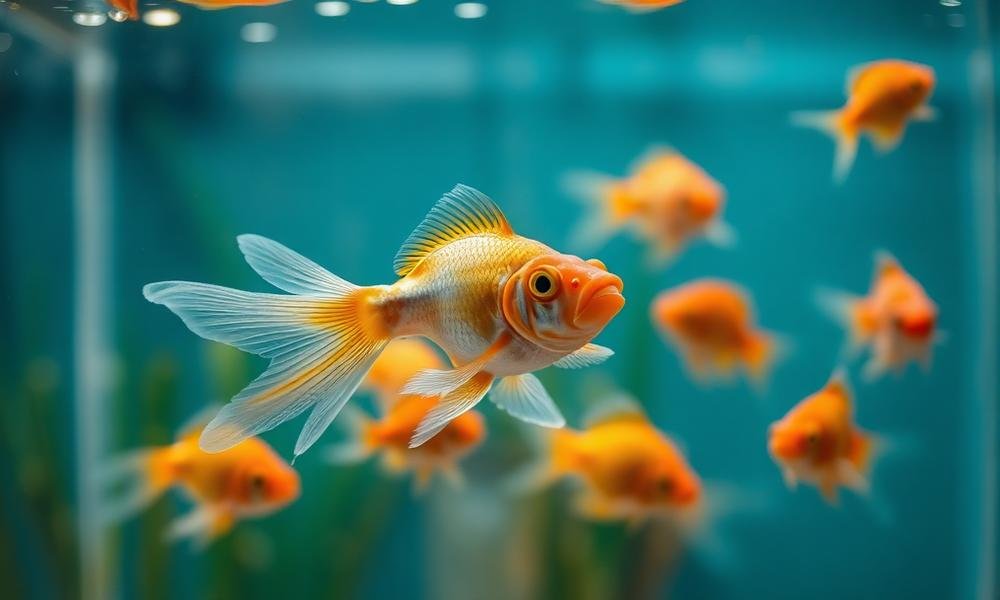
Understanding the fundamental differences in water temperature, tank size, and filtration is the first step in deciding between a betta and a goldfish as pets. Bettas are tropical fish from Southeast Asia, while goldfish are temperate fish originally from East Asia. These origins dictate everything about their care.
Bettas need warm water between 78-80°F (25-27°C). Goldfish thrive in cooler water between 65-75°F (18-24°C). This single difference means you cannot keep them together, and it determines your equipment needs. A betta almost always requires a heater, while a goldfish may not need one if your room stays cool.
Another critical difference is bioload. Bettas produce relatively little waste. Goldfish are messy eaters and produce a massive amount of ammonia. According to the ASPCA's pet care resources, goldfish require a filtration system rated for a tank at least twice their actual tank volume due to this heavy waste production.
Pro Tip: Never trust a pet store employee who tells you a betta can live in a bowl or a goldfish can thrive in a 10-gallon tank. Both statements are false and lead to stunted growth, disease, and a short lifespan. Always research tank size requirements before buying.
What tank size do bettas and goldfish need?
This is the most common point of confusion. Bettas need a minimum of 5 gallons. A 5-gallon tank is manageable, fits on a desk, and requires weekly water changes. A betta in a 10-gallon tank will be noticeably happier and more active.
Goldfish, however, need a minimum of 20 gallons for a single fancy goldfish and 30 gallons for a single common goldfish. They grow rapidly—a common goldfish can reach 12 inches within a few years. Keeping a goldfish in a small tank stunts their growth, causes organ damage, and dramatically shortens their lifespan from 15-20 years to just 2-3 years.
How does filtration differ between betta and goldfish tanks?
Bettas prefer slow moving water. A strong filter current can stress them and damage their long fins. You need a filter with adjustable flow or a sponge filter. Goldfish need powerful filtration—a canister filter rated for double your tank volume is ideal. Their constant eating and waste production demands mechanical, biological, and chemical filtration working at full capacity.
What are the costs associated with betta vs goldfish as pets?
When comparing betta vs goldfish as pets, the initial purchase price is deceptive. A betta fish typically costs $5-$25, while a goldfish costs $2-$10. These low prices trick many people into thinking betta vs goldfish as pets is equally cheap. It is not.
The real cost is in the tank and equipment. A proper 5-10 gallon betta setup with a heater, filter, light, and substrate will cost $80-$150. A proper 20-40 gallon goldfish setup with a canister filter, powerful light, and stand will cost $200-$500. Ongoing costs also differ: betta food is cheaper, and water conditioner lasts longer because you change less water.
Electricity costs are higher for goldfish because of the larger filter pump and stronger light. Heating costs are negligible for goldfish in a cool room, but you pay for heating a betta tank year-round. Over 5 years, a betta setup might cost $400-$600 total, while a goldfish setup can easily reach $800-$1,200.
Pro Tip: Buy the largest tank you can afford and have space for. A 10-gallon tank for a betta or a 40-gallon for a goldfish is far more stable, requires less frequent maintenance, and gives your fish a much better quality of life. It is the single best investment you can make.
Which fish has lower ongoing maintenance costs?
Bettas win on ongoing costs. You change 25-30% of the water weekly. A bottle of water conditioner lasts months. Goldfish require 50-75% water changes weekly, sometimes twice a week, especially in smaller tanks. You will use significantly more water conditioner, and filter media needs replacement more frequently.
Food costs are also lower for bettas. They eat 3-4 pellets once or twice daily. Goldfish eat more volume and variety—pellets, flakes, vegetables, and occasional treats—which adds up over time.
What are the behavioral differences between bettas and goldfish?
Behavior is where these two fish really show their personalities. Bettas are solitary, territorial, and interactive. They recognize their owner, flare at their reflection, and build bubble nests when happy. They will follow your finger and eat from your hand. However, they cannot be kept with other male bettas or flashy fish that trigger aggression.
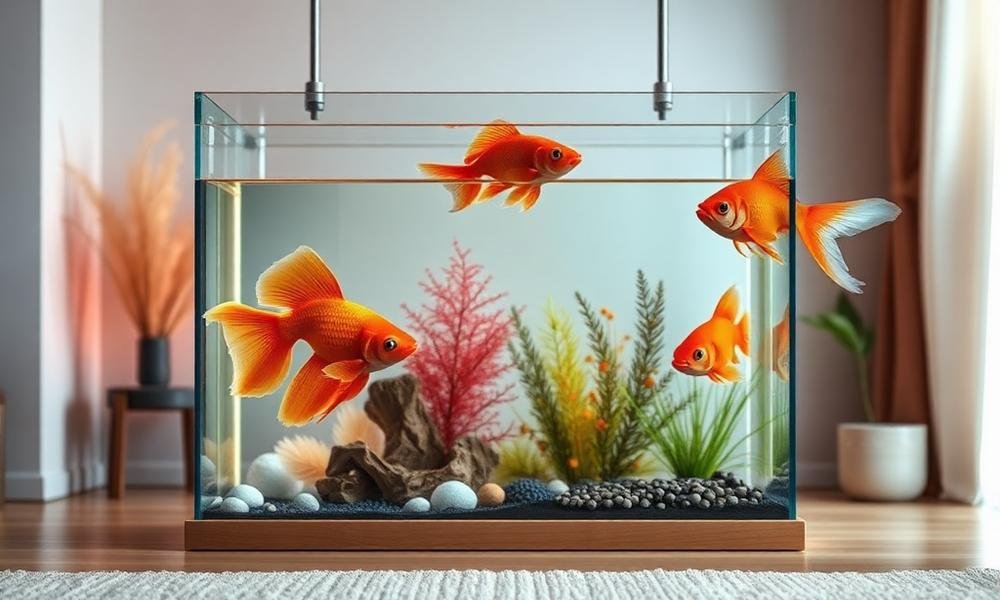
Goldfish are social, active, and curious. They thrive in groups of 2-3 or more. They constantly search for food, dig through substrate, and interact with tank mates. A single goldfish can become lonely and lethargic. They are also much more active swimmers, covering the entire tank throughout the day.
According to the AKC's behavior guides, while written for dogs, the principle of environmental enrichment applies to all pets. A betta needs plants and hiding spots. A goldfish needs open swimming space and tank mates. Both need stimulation to thrive.
Can you keep bettas and goldfish together?
No. Absolutely not. Bettas need warm water (78-80°F), and goldfish need cool water (65-75°F). One will always be stressed or sick. Additionally, goldfish are messy eaters who will outcompete a betta for food, and bettas may nip at goldfish fins. They have incompatible needs and should never share a tank.
What should you look for when buying a betta or goldfish setup?
When you decide between betta vs goldfish as pets, the buying criteria are completely different. For a betta, prioritize tank size (5+ gallons), a heater with a thermostat, a low flow filter, and silk or live plants to prevent fin tearing. Avoid sharp decorations and strong currents.
For a goldfish, prioritize tank size (20+ gallons), a canister filter rated for double your tank volume, a powerful light for algae control (goldfish produce a lot of nutrients), and smooth, rounded gravel or sand. Goldfish love to dig, so avoid sharp substrate that can scratch their bodies.
The most important feature for both is a lid. Bettas are jumpers—they can leap out of a gap as small as an inch. Goldfish are also capable jumpers when startled. A tight fitting lid with no gaps is non negotiable for both species.
Pro Tip: For a betta, look for a tank with a gentle, adjustable sponge filter. For a goldfish, budget for a high quality canister filter like a Fluval or Eheim. The filter is the most important piece of equipment for either fish, and cheap filters fail quickly.
Ready to set up your perfect aquarium? Whether you choose a betta or goldfish, we have the tanks, filters, and accessories you need.
Browse Aquarium Options →
Which fish is better for a beginner?
For most beginners, a betta is the better choice. The smaller tank requirement (5-10 gallons), lower bioload, and solitary nature make them more forgiving. A goldfish is not inherently harder, but the larger tank, heavier filtration, and more frequent water changes require a bigger commitment of space, time, and money.
However, if you are willing to invest in a 30-40 gallon tank and a powerful filter from day one, a goldfish can be just as easy. The key is starting with the right equipment, not the smallest possible setup. Many beginners fail with goldfish because they start with a 10-gallon tank and wonder why the fish gets sick.
How long do bettas and goldfish live with proper care?
Lifespan is a major consideration when comparing betta vs goldfish as pets. A well-cared for betta lives 3-5 years. A well-cared for goldfish lives 10-20 years, with some reaching 30 years. This is a massive difference in commitment.
Bettas are often sold as "disposable" pets, but they are not. They form bonds with their owners and have distinct personalities. A 5-year commitment is still significant. Goldfish, however, are a multi decade commitment. You must plan for their long term housing, especially as they grow large.
According to the AVMA's pet owner resources, understanding the lifespan of any pet is crucial before purchase. A goldfish that lives 20 years is a family member that may outlast your current living situation. Bettas are more suitable for people who may move or change circumstances within 3-5 years.
How do water quality and cycling requirements differ between bettas and goldfish?
Water quality management is where many new fish owners struggle, and the differences between these two species are significant. Both require a fully cycled tank before adding fish, but the timeline and maintenance frequency vary dramatically. Cycling a tank takes 4-6 weeks regardless of which fish you choose, but goldfish tanks are much harder to keep stable.
Bettas are more forgiving of minor water quality fluctuations. Their low bioload means ammonia and nitrite spikes are less severe. You can perform a research suggests 25% water change weekly and maintain excellent water quality. Goldfish, with their heavy waste production, can cause ammonia to spike within hours if filtration is inadequate. You must test water parameters at least twice weekly for the first 3 months.
According to the PetMD condition guides, poor water quality is the leading cause of illness in both species. For bettas, common issues include fin rot and columnaris from ammonia stress. For goldfish, swim bladder disorders and ich are frequent problems linked to poor water conditions. Investing in a reliable water testing kit is non negotiable for either choice.
Pro Tip: Buy a liquid water test kit, not test strips. Liquid kits like the API Master Test Kit are far more accurate and cost effective in the long run. Test your water every week for the first 2 months, then monthly once the tank is established. This single habit will prevent research suggests 90% of fish diseases.
How often should you change water for bettas versus goldfish?
For a betta in a 5-gallon tank, perform a research suggests 25% water change once weekly. In a 10-gallon tank, you can stretch to every 10-14 days. For goldfish, the frequency is much higher. A single fancy goldfish in a 20-gallon tank needs research suggests 50% water changes twice weekly. A common goldfish in a 30-gallon tank needs 50-75% water changes every 3-4 days.
The math is simple: goldfish produce 3-5 times more waste per inch of body than bettas. If you cannot commit to this water change schedule, choose a betta. Skipping water changes for goldfish leads to ammonia burns, fin damage, and death within 2-3 weeks.
What are the common health problems for bettas and goldfish?
Understanding potential health issues helps you make an informed decision about betta vs goldfish as pets. Bettas are prone to fin rot, ich, and velvet disease. These are often caused by stress from poor water quality or sudden temperature changes. Fin rot can be treated within 1-2 weeks with clean water and medication, but velvet is often fatal if caught late.
Goldfish are susceptible to swim bladder disorders, dropsy, and anchor worms. Swim bladder issues are common in fancy goldfish due to their round body shape and often result from overfeeding or poor water quality. Dropsy, a sign of kidney failure, is usually fatal within 1-2 weeks. Anchor worms are external parasites that require manual removal and medication.
Preventative care is identical for both: maintain stable water parameters, provide a balanced diet, and quarantine new fish for 2-4 weeks before adding them to your main tank. A healthy fish in a well maintained tank rarely gets sick. The AVMA's pet owner resources emphasize that prevention is always cheaper and more effective than treatment.
Pro Tip: Set up a quarantine tank before you buy any fish. A simple 5-10 gallon tank with a sponge filter and heater costs under $50. Quarantine every new fish for 3-4 weeks. This single practice will save you hundreds of dollars in medication and prevent outbreaks that could wipe out your entire tank.
Which fish is more resilient to beginner mistakes?
Bettas are generally more resilient to beginner mistakes. They can tolerate a missed water change or a slight temperature fluctuation better than goldfish. Their hardy nature and low bioload give you more room for error. Goldfish are paradoxically fragile despite their reputation. A goldfish in a small, uncycled tank will develop health problems within 2-4 weeks.
However, goldfish are more resilient to temperature swings than bettas. A goldfish can survive temperatures from 50-80°F for short periods, while a betta will become stressed below 75°F and can die below 70°F. If your home has unreliable heating, a goldfish may be the safer choice.
Frequently Asked Questions
Can a betta and goldfish live in the same tank?
No. Bettas need warm water (78-80°F) and goldfish need cool water (65-75°F). Their temperature requirements are incompatible. Additionally, goldfish produce too much waste for a betta to tolerate, and bettas may nip goldfish fins. They should never share a tank.
Which fish is cheaper to maintain, betta or goldfish?
Bettas are significantly cheaper to maintain. A 5-10 gallon betta setup costs $80-$150 initially and requires minimal ongoing costs. A goldfish setup needs a 20-40 gallon tank and powerful filtration, costing $200-$500 initially, with higher water change frequency and electricity costs.
Do bettas or goldfish need a heater?
Bettas almost always need a heater to maintain 78-80°F water. Goldfish typically do not need a heater if your room stays between 65-75°F. If your home drops below 65°F at night, a goldfish may need a low wattage heater to prevent temperature shock.
Which fish is more interactive with its owner?
Both can be interactive, but in different ways. Bettas recognize their owners, flare at reflections, and eat from your hand. Goldfish are more social with each other and will swim to the front of the tank when you approach, expecting food. Both are rewarding to watch.
What is the minimum tank size for a betta vs goldfish?
Bettas need a minimum of 5 gallons. Fancy goldfish need a minimum of 20 gallons for one, plus 10 gallons for each additional fish. Common goldfish need a minimum of 30 gallons for one, plus 10 gallons for each additional fish. Never use bowls or small tanks.
Which fish is better for a small apartment?
A betta is far better for a small apartment. A 5-10 gallon tank fits on a desk or bookshelf and requires minimal space. A goldfish needs a 20-40 gallon tank with a stand, which takes up significant floor space. Bettas also produce less noise from filtration.
How long does it take to cycle a tank for bettas or goldfish?
Both require a fully cycled tank, which takes 4-6 weeks. You must establish beneficial bacteria that convert ammonia to nitrite and then to nitrate. Using bottled bacteria can speed this up to 2-3 weeks, but you must still test water parameters before adding fish.
Can you keep multiple bettas or goldfish together?
Male bettas cannot be kept together—they will fight to the death. Female bettas can sometimes live in groups of 4-6 in a 20+ gallon tank with plenty of plants. Goldfish are social and thrive in groups of 2-3 or more, as long as you provide 10 extra gallons per fish.