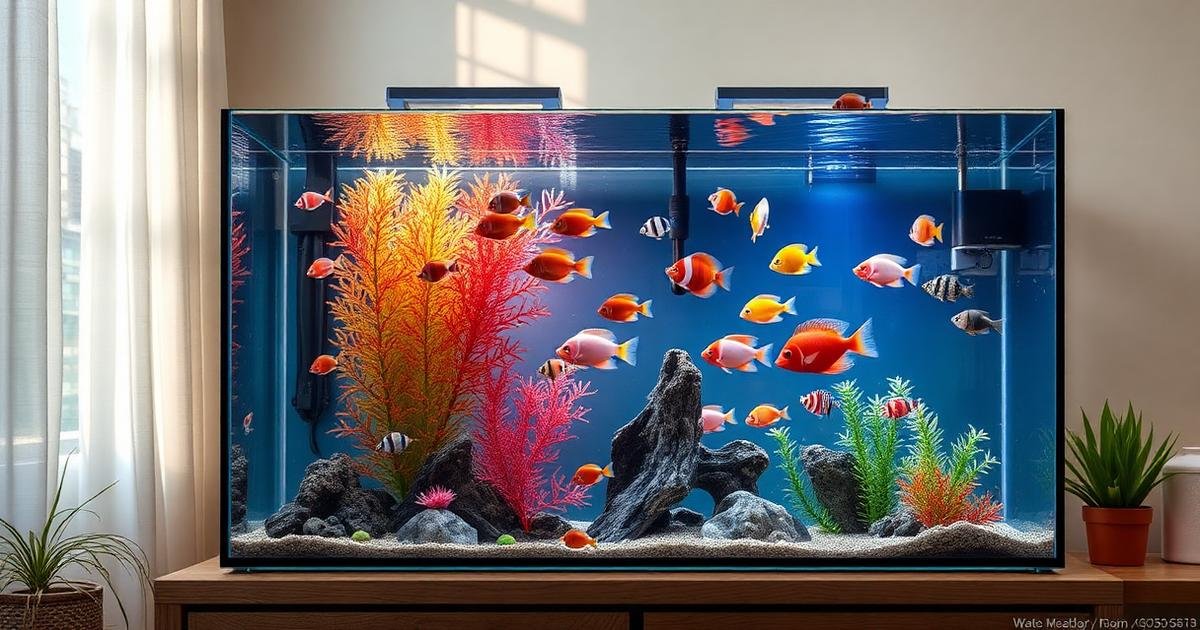
Cycling a fish tank is the essential process of establishing beneficial bacteria that convert toxic fish waste into safer compounds before adding fish. To cycle a fish tank, you introduce an ammonia source, monitor water parameters daily, and wait for nitrite and then nitrate to appear, which typically takes 4–8 weeks. This biological filter is the foundation of a healthy aquarium, and skipping it is the most common reason new fish die within the first few weeks. how to cycle a fish tank is one of the most important decision points for long term daily fit.
How to cycle a fish tank: Set up your tank with filter, heater, and dechlorinated water. Add a pure ammonia source to reach 2–4 ppm. Test ammonia, nitrite, and nitrate every 2–3 days. When ammonia and nitrite both read 0 ppm and nitrate is present (usually 10–20 ppm), your cycle is complete. This takes 4–8 weeks. Do not add
Quick Answer: How do you cycle a fish tank for beginners?
Set up your tank with filter, heater, and dechlorinated water. Add a pure ammonia source to reach 2–4 ppm. Test ammonia, nitrite, and nitrate every 2–3 days. When ammonia and nitrite both read 0 ppm and nitrate is present (usually 10–20 ppm), your cycle is complete. This takes 4–8 weeks. Do not add fish until the cycle finishes.
For a complete guide on this topic, see the Aquarium Setup Guide.
This how to cycle a fish tank decision works best when the owner compares daily fit, tolerance, and practical consistency together.
What exactly is the nitrogen cycle in an aquarium?
Think of the nitrogen cycle as your tank's invisible waste management system. Fish produce ammonia through their gills and waste, which is highly toxic. Beneficial bacteria colonize your filter media and convert that ammonia into nitrite, then another type of bacteria converts nitrite into nitrate, which is far less harmful.
For many homes, the right how to cycle a fish tank choice is the one that stays reliable under ordinary daily conditions.
These bacteria don't appear magically. They need time to grow and multiply, and that's the entire purpose of cycling. Without this established bacterial colony, ammonia and nitrite can spike to lethal levels within hours, killing your fish.
A well matched how to cycle a fish tank option should support the pet clearly without making the routine harder to maintain.
According to the AVMA pet owner resources, maintaining proper water quality through biological filtration is one of the most critical aspects of fish care. The cycle is not optional — it's the difference between a thriving aquarium and a constant struggle with sick fish.
Pro Tip: Don't rely on "instant cycle" bottled bacteria products alone. While they can speed things up, they rarely establish a complete cycle overnight. Always verify with your own water tests before adding fish.
What supplies do you need to cycle a fish tank?
Before you start, gather everything you need. You'll need a liquid test kit that measures ammonia, nitrite, and nitrate — dip strips are not accurate enough for cycling. An API Freshwater Master Kit is the gold standard used by most experienced aquarists.
You also need an ammonia source. Pure ammonium chloride (Dr. Tim's Ammonia) is the most controlled option. Avoid household ammonia that contains surfactants or perfumes. A heater and thermometer are essential because beneficial bacteria work fastest at 78–82°F.
Your filter should be running 24/7 throughout the process. A sponge filter or hang-on back filter with ceramic media provides plenty of surface area for bacteria to colonize. You'll also need dechlorinator to remove chlorine and chloramine from tap water, as these kill bacteria.
Optional but helpful supplies
A small notebook or spreadsheet to track your daily test results will help you spot trends. Some aquarists use Seachem Stability or similar bottled bacteria to potentially cut cycle time by 1–2 weeks. Live plants can also help absorb ammonia and nitrate during the process.
Pro Tip: Keep your test kit in a cool, dark place. Liquid reagents degrade with heat and light, giving you false readings. Replace your kit every 12–18 months for accuracy.
Step-by-step: how to cycle a fish tank in 4–8 weeks
Step 1: Set up your tank completely
Fill your tank with dechlorinated water, install the filter and heater, and add any substrate or decorations. Let the temperature stabilize at 78–82°F. Do not add fish yet. Run the filter for 24 hours to ensure everything is working properly.
Step 2: Introduce an ammonia source
Add pure ammonia to reach a concentration of 2–4 ppm. Use a calculator to determine the exact dosage based on your tank volume. If using fish food as an ammonia source (which is less precise), add a small pinch every day. Test ammonia 30 minutes after adding to confirm the level.
Step 3: Test water parameters every 2–3 days
Record ammonia, nitrite, and nitrate each time. For the first 1–2 weeks, you'll see ammonia rise and stay high. Then nitrite will appear as the first bacteria colony develops. This is normal and expected. Continue adding ammonia whenever levels drop below 1 ppm to keep feeding the bacteria.
Step 4: Watch for the nitrite spike
Around week 2–4, nitrite will spike dramatically — sometimes off the scale. This is frustrating but a good sign. The second bacteria colony is starting to grow. Keep adding ammonia as needed. Nitrite is also toxic, so do not add fish during this phase.
Step 5: Confirm the cycle is complete
Your cycle is done when both ammonia and nitrite read 0 ppm within 24 hours of adding ammonia, and you have a measurable nitrate reading (10–20 ppm). This means your bacterial colonies are large enough to handle a normal fish load. Do a research suggests 50% water change to lower nitrate before adding fish.
Pro Tip: If your cycle stalls at high nitrite for more than 2 weeks, raise the temperature to 82°F and ensure your filter is well-oxygenated. Bacteria need oxygen to thrive. Adding an airstone can restart a stalled cycle.
Ready to start your cycle with the right equipment? Get your test kit, ammonia, and filter media all in one place.
Browse Aquarium Options →
Can you cycle a fish tank with fish already in it?
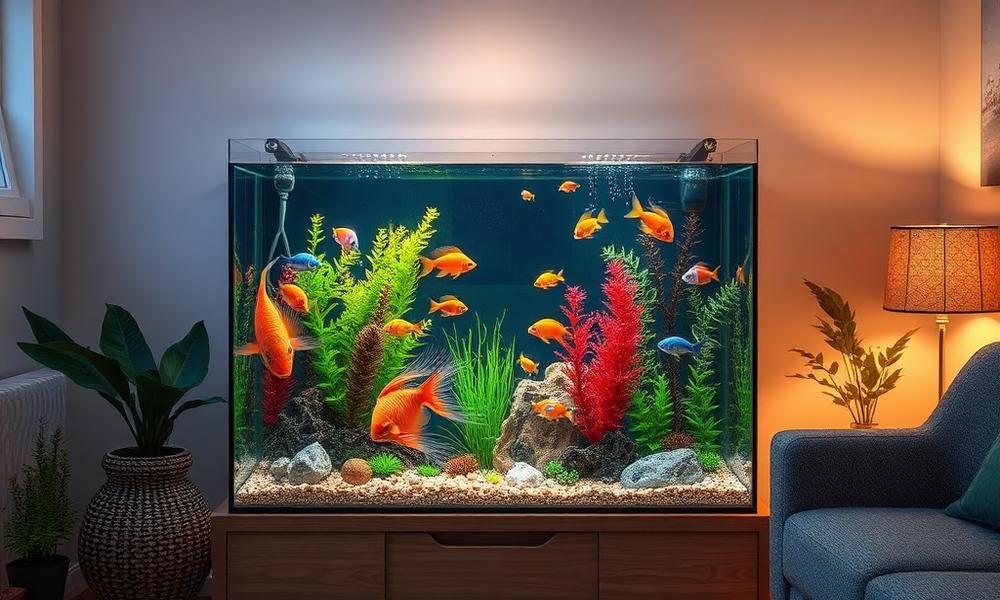
Yes, but it's risky and not recommended for beginners. This is called a "fish in cycle" and requires daily water changes to keep ammonia and nitrite below 0.5 ppm. You'll need to test water twice daily and perform partial water changes (25–research suggests 50%) whenever levels rise.
Fish in cycling is stressful for the fish and can cause permanent gill damage or death. According to ASPCA behavior resources (which also cover fish care), stress from poor water quality is the leading cause of disease in aquarium fish. Only attempt this if you have no other option and are committed to daily maintenance.
If you must do a fish in cycle, use Seachem Prime as your dechlorinator — it temporarily detoxifies ammonia and nitrite for 24–48 hours. Add beneficial bacteria products daily. Feed very sparingly, only once every other day, to minimize waste production.
Fishless cycling vs. fish in cycling: which is better?
Fishless cycling is always preferable. It takes the same amount of time but causes zero harm to animals. You can also dose ammonia to higher levels (4 ppm) which grows a more robust bacterial colony. Fish in cycling limits your ammonia input to whatever the fish produce, resulting in a smaller, less stable colony.
The only advantage of fish in cycling is that you get to watch fish immediately. But the constant water changes, stress, and potential losses make it a poor trade off for most hobbyists.
| Your Situation | Best Cycling Method | Time Required |
|---|---|---|
| No fish yet, patient | Fishless with pure ammonia | 4–8 weeks |
| No fish yet, want faster | Fishless + bottled bacteria + seeded media | 2–4 weeks |
| Already have fish | Fish in with daily water changes | 6–10 weeks |
| Have a friend with established tank | Use seeded filter media from their tank | 1–3 weeks |
How do you troubleshoot a stalled cycle?
A stalled cycle is frustrating but fixable. The most common cause is low temperature. Check that your heater is maintaining 78–82°F consistently. A drop of even 5°F can slow bacterial metabolism by half.
Another culprit is low oxygen. Beneficial bacteria are aerobic — they need oxygen to process ammonia and nitrite. Add an airstone or increase surface agitation from your filter output. You should see small bubbles and surface movement.
Sometimes the issue is pH crashing. As bacteria process ammonia, they produce acid, which can lower pH below 6.0 and stall the cycle. Test your pH weekly. If it drops below 6.5, do a research suggests 25% water change with dechlorinated water and add a small amount of crushed coral in a mesh bag to buffer the pH.
| Likely Cause | ||
|---|---|---|
| Ammonia stays high for 3+ weeks | Too cold, low oxygen, or no bacteria source | Raise temp to 82°F, add airstone, add bottled bacteria |
| Nitrite stuck at high level for 2+ weeks | Second bacteria colony not established | Keep adding ammonia, ensure temp and oxygen are optimal |
| Ammonia and nitrite both 0, no nitrate | No ammonia being added, or cycle never started | Add ammonia to 2 ppm and test again in 24 hours |
| pH below 6.0 | Acid buildup from cycling | research suggests 25% water change, add crushed coral buffer |
Pro Tip: If your cycle has stalled for more than 4 weeks with no progress, consider getting a handful of gravel or a used filter sponge from a friend's established tank. This "seeded media" introduces live bacteria and can jumpstart your cycle in days.
How do you speed up the cycling process?
The fastest way to cycle a tank is to borrow bacteria from an established aquarium. Ask a fellow hobbyist for a handful of their gravel, a used filter sponge, or some ceramic media. Place these directly into your filter. This can reduce cycle time to 1–3 weeks.
If you don't have access to seeded media, use bottled beneficial bacteria products. Dr. Tim's One and Only and FritzZyme TurboStart are research backed options. Follow the dosage instructions exactly and add them after your ammonia source. They won't cycle your tank instantly, but they can shave 2–3 weeks off the process.
Warm water also speeds things up. Keep your tank at 80–82°F during cycling. Bacteria reproduce faster at higher temperatures. Just don't exceed 84°F, as that can stress any plants you might have and reduce oxygen levels.
According to PetWorldly's Aquarium Setup Guide, using live plants during cycling can help absorb ammonia and nitrate, creating a more stable environment once fish are added. Fast growing plants like hornwort, water sprite, and duckweed are particularly effective.
Frequently Asked Questions
How long does it take to cycle a fish tank?
A fishless cycle typically takes 4–8 weeks. Fish in cycling can take 6–10 weeks because you're limited by how much ammonia the fish produce. Using seeded filter media from an established tank can reduce this to 1–3 weeks. Bottled bacteria products may cut 2–3 weeks off the process.
Can you cycle a fish tank in 24 hours?
No, a complete cycle cannot happen in 24 hours. Beneficial bacteria need time to colonize and multiply. Bottled bacteria products labeled "instant cycle" can speed things up but won't fully cycle a tank overnight. Always verify with water tests before adding fish, regardless of product claims.
Do you need to cycle a fish tank without fish?
Yes, fishless cycling is the safest and most reliable method. It allows you to control ammonia levels precisely and grow a robust bacterial colony without harming any animals. Fish in cycling is stressful and risky, requiring daily water changes and constant monitoring to keep toxins below dangerous levels.
What happens if you don't cycle a fish tank?
Without cycling, ammonia from fish waste builds up to toxic levels within days. Fish experience gill damage, stress, and eventually death. This is called "new tank syndrome" and is the number one killer of new aquarium fish. Most fish die within 1–2 weeks in an uncycled tank.
How do you know when a fish tank is cycled?
Your tank is cycled when you can add 2 ppm of ammonia and both ammonia and nitrite read 0 ppm after 24 hours. You should also have a measurable nitrate reading (10–20 ppm). This indicates a mature bacterial colony that can handle a normal fish load. Perform a research suggests 50% water change before adding fish.
Can you use fish food to cycle a tank?
Yes, but it's less precise than pure ammonia. Fish food decomposes and releases ammonia unpredictably, making it harder to control levels. You'll need to add a small pinch daily and test frequently. This method works but takes longer and can lead to messy, smelly tanks. Pure ammonia is recommended for best results.
Learn more in our detailed guide on how to care for fish.