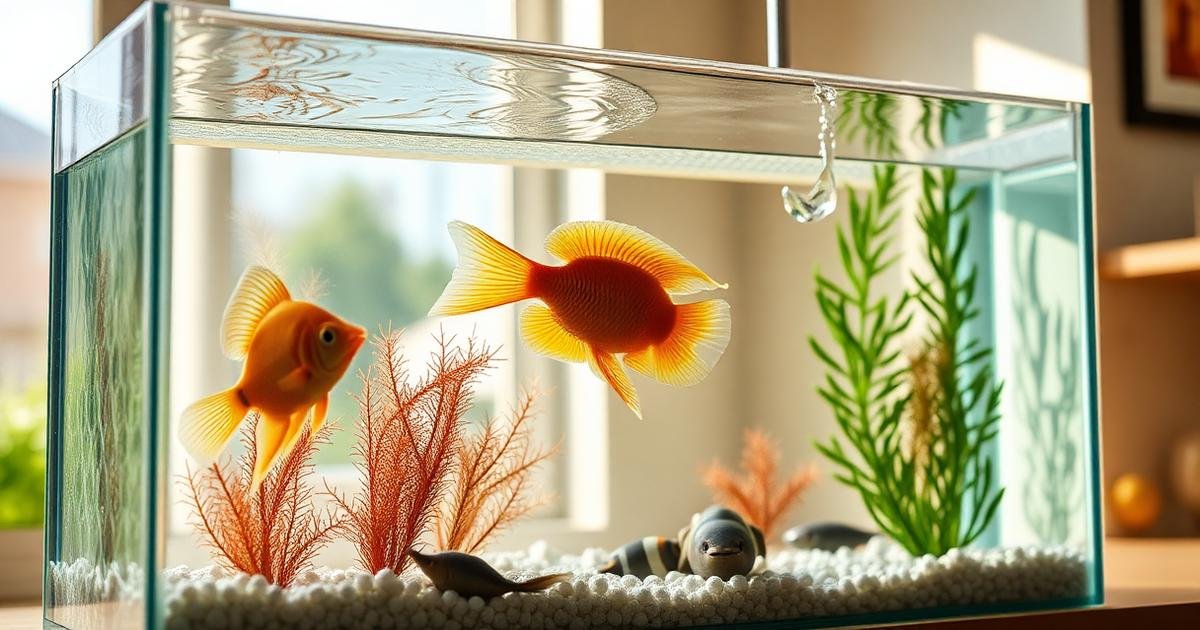
If you're wondering how often to change fish tank water, the short answer is every 1–2 weeks for most freshwater tanks. However, the exact frequency depends on your tank size, fish load, and filtration system. For a heavily stocked 10-gallon tank, you may need weekly research suggests 25% water changes, while a lightly stocked 55-gallon tank can go 2 weeks between changes. This guide breaks down the science and gives you a practical schedule you can follow immediately.
How often to change fish tank water: For most freshwater community tanks, change 25% of the water every 1–2 weeks. Heavily stocked tanks or those with messy fish (goldfish, cichlids) need weekly 25–30% changes. Planted tanks with low bioload can stretch to every 3–4 weeks. Always test your water parameters — when nitrates hit 40 ppm, i
Quick Answer: How often to change fish tank water?
For most freshwater community tanks, change research suggests 25% of the water every 1–2 weeks. Heavily stocked tanks or those with messy fish (goldfish, cichlids) need weekly 25–research suggests 30% changes. Planted tanks with low bioload can stretch to every 3–4 weeks. Always test your water parameters — when nitrates hit 40 ppm, it's time for a change. For saltwater tanks, stick to 10–research suggests 15% weekly to maintain stable chemistry.
For a complete guide on setting up your tank properly, see the Aquarium Setup Guide.
What determines how often you need to change fish tank water?
Your water change schedule isn't random — it's driven by biology. Fish produce ammonia through their gills and waste, which bacteria convert to nitrite and then nitrate. Nitrate is less toxic but still harmful at high levels. The faster nitrate builds up, the more often you need water changes.
Three factors control this speed. First is your
Pro Tip: Test your tap water for nitrates before using it. Some municipal water supplies contain 10–20 ppm nitrates already, which means you can't dilute your tank's nitrate load as effectively. Use a dechlorinator that also neutralizes ammonia and nitrates if needed.
Veterinarians at the AVMA recommend testing water parameters weekly for the first 2 months after setting up a new tank, then monthly once stable. This lets you see exactly how fast nitrates accumulate in your specific setup. Without testing, you're guessing — and that's how fish get sick.
What's the right water change schedule for different tank types?
Freshwater community tanks (most common)
For a standard community tank with tetras, barbs, danios, and similar fish, change research suggests 25% of the water every 14 days. If you have a heavily stocked tank (more than 1 inch of fish per gallon), increase to research suggests 25% every 7 days. This keeps nitrates below 40 ppm, which is safe for most species.
Goldfish tanks
Goldfish are notoriously messy. They produce more waste than tropical fish of the same size. For fancy goldfish (orandas, ryukins), change research suggests 30% weekly. For single tail goldfish (commons, comets), change 30–research suggests 50% weekly. These fish can tolerate higher nitrates, but they thrive with clean water.
Planted tanks
Heavily planted aquariums with low fish loads can go 3–4 weeks between water changes. The plants absorb nitrates as fertilizer. However, you still need to change water to replenish minerals and remove organic waste that plants don't consume. A research suggests 20% change every 3 weeks works well for most planted setups.
Saltwater tanks
Saltwater aquariums require more frequent changes — typically 10–research suggests 15% weekly. The stable chemistry in saltwater tanks is more sensitive to parameter swings. Coral tanks need even more consistency, with research suggests 10% weekly changes being the standard. Always mix salt to the exact specific gravity before adding.
Pro Tip: For betta fish in small tanks (5 gallons or less), change research suggests 50% once a week. Bettas breathe from the surface and produce less waste than you'd expect, but small tanks accumulate toxins faster. Use a gravel vacuum to remove debris from the bottom.
How do you know it's time for a water change — without guessing?
Your best tool is a liquid test kit. The API Freshwater Master Test Kit is the industry standard. Test for ammonia, nitrite, and nitrate. If ammonia or nitrite show any reading above zero, you have a problem that water changes alone won't fix — check your filtration and feeding. If nitrates are above 40 ppm, it's time to change water.
Visual cues can help too. If your water looks slightly hazy, if there's debris accumulating on the substrate, or if algae starts growing faster than usual, these are signs that organic waste is building up. But don't rely on appearance alone — by the time water looks dirty, nitrates may already be high.
| Tank Condition | Nitrate Level | |
|---|---|---|
| New tank (first 2 months) | Any reading above 20 ppm | Change research suggests 25% weekly until stable |
| Established tank, light stock | Below 20 ppm | Change research suggests 25% every 2 weeks |
| Established tank, heavy stock | 20–40 ppm | Change research suggests 30% weekly |
| Any tank | Above 40 ppm | Change research suggests 50% immediately, then adjust schedule |
Research from the American Veterinary Medical Association indicates that prolonged exposure to nitrates above 50 ppm can damage fish gills and suppress immune systems. That's why regular testing is non negotiable for responsible fish keeping.
What's the correct way to change fish tank water?
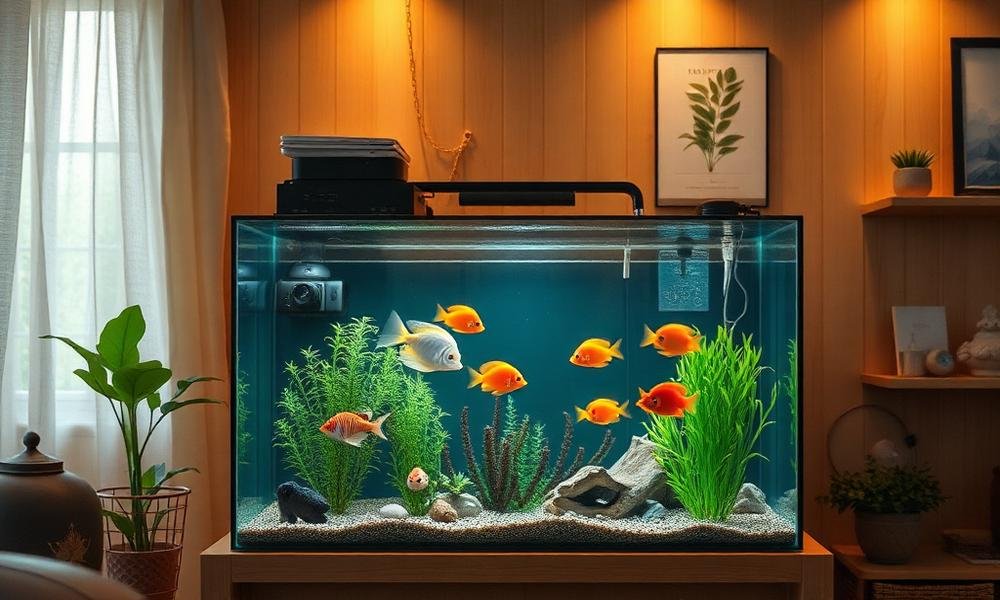
The process matters as much as the frequency. Start by turning off your heater, filter, and any other electrical equipment. Use a gravel vacuum to remove research suggests 25% of the water while cleaning the substrate. This siphons out fish waste, uneaten food, and debris that's settled on the bottom.
Next, prepare your new water. Fill a clean bucket with dechlorinated tap water at the same temperature as your tank — within 1–2 degrees Fahrenheit. Temperature shock is one of the most common causes of fish stress during water changes. Use a thermometer to match temperatures precisely.
Slowly add the new water to your tank. Pour it gently over a decoration or your hand to avoid disturbing the substrate. Once full, restart your equipment. Check that the heater is maintaining temperature and the filter is flowing properly. Your fish may be stressed for 15–30 minutes, but they'll settle down quickly.
Pro Tip: Never clean your filter media with tap water. The chlorine kills beneficial bacteria. Instead, rinse filter sponges in a bucket of old tank water during a water change. This preserves your biological filtration and keeps your water parameters stable.
Can you change fish tank water too often?
Yes, and it's a common mistake. Changing water more than twice a week can disrupt the biological balance of your tank. Beneficial bacteria live on surfaces, not in the water column, so removing water doesn't remove bacteria. But frequent large changes can shock fish with sudden parameter shifts.
If you're changing water more than once a week because nitrates keep spiking, address the root cause. Reduce feeding — most fish owners overfeed by 30–research suggests 50%. Add more plants to consume nitrates. Upgrade your filtration. Or reduce your fish load. Water changes treat the symptom, not the disease.
For most tanks, the sweet spot is research suggests 25% every 1–2 weeks. This removes toxins without stressing fish. If you have a specific reason to change more often — like treating a disease or recovering from an ammonia spike — change 10–research suggests 15% daily until parameters stabilize, then return to your normal schedule.

How does tank size affect how often to change fish tank water?
Tank size directly influences how quickly toxins build up. Smaller tanks have less water volume to dilute waste, so nitrates rise faster. A 5-gallon tank can hit 40 ppm nitrates within 5–7 days with just 2 small fish. A 55-gallon tank with the same fish load might take 3–4 weeks to reach that level.
Here's a practical rule of thumb: for tanks under 20 gallons, change research suggests 25% every 7 days. For tanks 20–40 gallons, change research suggests 25% every 10–14 days. For tanks over 40 gallons, change research suggests 25% every 14 days unless heavily stocked. These are starting points — always adjust based on your nitrate test results.
Nano tanks (under 10 gallons) are especially sensitive. They experience rapid parameter swings that can kill fish within hours. If you keep a nano tank, test water every 3–4 days until you establish a reliable schedule. Many nano tank owners find that research suggests 30% changes every 5 days work best for stability.
Pro Tip: For tanks under 10 gallons, use a turkey baster to spot clean debris between water changes. This removes waste without disturbing the tank's balance. It's a simple trick that keeps small tanks cleaner for longer.
What equipment makes water changes easier and faster?
Water changes don't have to be a chore. A good gravel vacuum is essential — it siphons water while cleaning the substrate in one motion. Python makes a no spill system that connects directly to your faucet, letting you drain and refill without carrying buckets. This cuts change time from 30 minutes to under 10 minutes.
A dedicated 5-gallon bucket marked with volume lines helps you measure exact water amounts. Keep it labeled "fish only" — never use it for soaps or chemicals. A thermometer that clips to the bucket lets you match temperature precisely. And a dechlorinator like Seachem Prime treats both chlorine and chloramines in one dose.
For larger tanks (over 55 gallons), consider a pump assisted water change system. Submersible pumps can drain and refill your tank in minutes. These systems cost $50–$100 but save hours of labor over the life of your aquarium. The AVMA notes that easier maintenance leads to more consistent care, which directly benefits fish health.
How do seasonal changes affect your water change schedule?
Temperature fluctuations throughout the year can impact how often to change fish tank water. In summer, warmer water holds less dissolved oxygen and speeds up fish metabolism. This means fish produce more waste, and nitrates accumulate faster. You may need to increase change frequency by research suggests 25% during hot months.
In winter, cooler room temperatures can slow bacterial activity slightly. If your tank stays consistently at 72–74°F instead of 78°F, your biological filter processes waste more slowly. This doesn't mean you need more changes — but you should test more frequently to catch any imbalances early.
Seasonal algae blooms are another clue. If you notice more algae in spring or summer, it often means excess nutrients from slower water changes. Increase your change frequency temporarily and reduce lighting by 1–2 hours daily. Within 2–3 weeks, algae growth should decrease noticeably.
Keep your fish healthy with the right equipment — quality test kits, gravel vacuums, and dechlorinators make water changes quick and stress-free.
Browse Aquarium Options →
For broader reference and guidance, akc.org provides useful context on pet health and care decisions.
For broader reference and guidance, petmd.com provides useful context on pet health and care decisions.
Frequently Asked Questions
How often to change fish tank water for a 10-gallon tank?
For a 10-gallon tank with 4–6 small fish, change research suggests 25% (2.5 gallons) every 7 days. The small water volume means toxins accumulate faster. If you have only 1–2 fish, you can stretch to every 10 days. Always test nitrates to confirm your schedule works.
How often to change fish tank water for a 20-gallon tank?
A 20-gallon tank with a typical community of 8–12 small fish needs research suggests 25% water changes every 14 days. With heavier stocking or messy fish like goldfish, increase to every 7 days. The larger water volume gives you more buffer time compared to smaller tanks.
Can I change research suggests 50% of the water in my fish tank?
Yes, but only when necessary. A research suggests 50% water change is appropriate for emergency situations like ammonia spikes, nitrate levels above 80 ppm, or after treating a disease. For routine maintenance, stick to 25–research suggests 30% to avoid shocking your fish with sudden parameter changes.
How often should I change the water in a fish tank with live plants?
Heavily planted tanks need water changes every 3–4 weeks at 20–research suggests 30% volume. Plants consume nitrates and produce oxygen, which extends the time between changes. However, you still need to remove organic waste and replenish minerals that plants deplete.
What happens if I don't change my fish tank water often enough?
Nitrates accumulate, leading to poor water quality that stresses fish. Symptoms include clamped fins, lethargy, loss of appetite, and increased disease susceptibility. At very high levels (above 100 ppm), nitrates can directly poison fish. Algae blooms also become more frequent with infrequent water changes.
How often to change fish tank water in a saltwater aquarium?
Saltwater tanks need 10–research suggests 15% water changes weekly. The stable chemistry required for marine fish and corals means even small parameter swings can be harmful. Always mix salt to the exact specific gravity of your tank (typically 1.023–1.025) and match temperature before adding.
Do I need to remove my fish during a water change?
No, leave your fish in the tank. Removing fish causes more stress than the water change itself. As long as you match temperature and use dechlorinated water, your fish will handle a 25–research suggests 30% change without issues. Only remove fish if you're doing a research suggests 75% or larger emergency change.
How often to change fish tank water during the cycling process?
During the initial cycle (first 4–8 weeks), change research suggests 25% only if ammonia or nitrite exceed 2–3 ppm. Frequent changes slow down the cycle by removing the bacteria's food source. Test every 2–3 days and change only when levels become dangerous to fish.