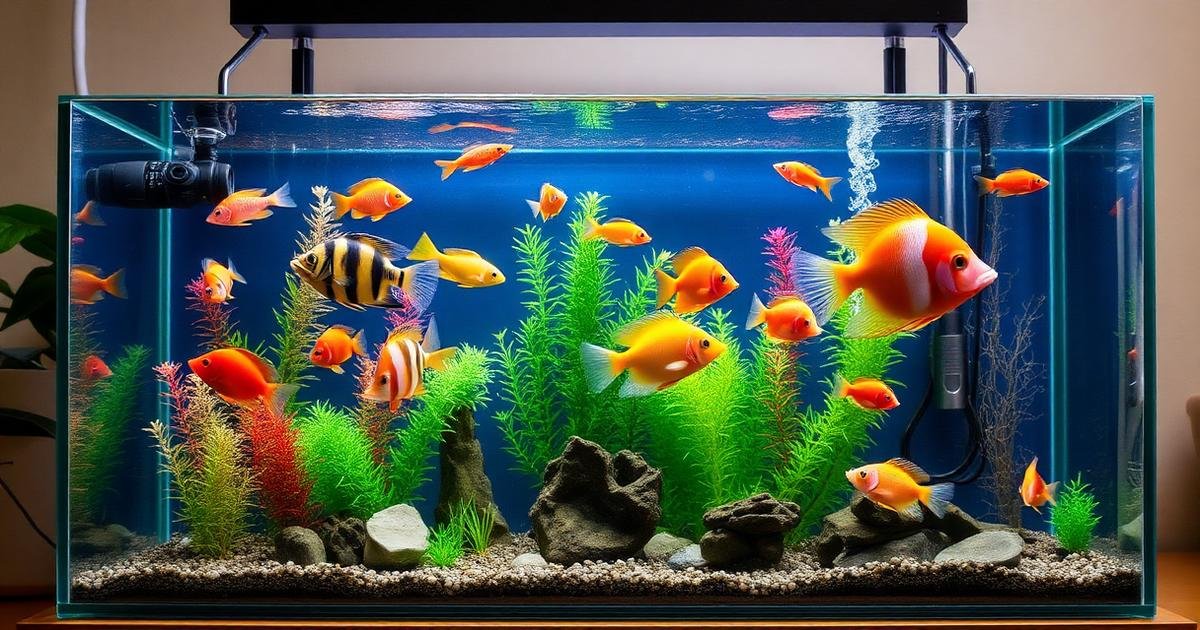
Starting your first aquarium is exciting, and a 10-gallon tank is the perfect size to learn the ropes without feeling overwhelmed. The best beginner fish for a 10 gallon tank are small, hardy, and peaceful species that thrive in stable water conditions. For a successful start, prioritize fish like bettas, neon tetras, or corydoras catfish that stay under 2 inches and have low bioloads. These species forgive small mistakes and give you the confidence to move on to more advanced setups later.
Best beginner fish for a 10 gallon tank: The best beginner fish for a 10 gallon tank include a single betta, a small school of 5–6 neon tetras, 3–4 pygmy corydoras, or a pair of guppies. These species stay under 2 inches, tolerate minor water fluctuations, and don't require complex filtration. Always cycle your tank fully before adding any
Quick Answer: What are the best beginner fish for a 10 gallon tank?
The best beginner fish for a 10 gallon tank include a single betta, a small school of 5–6 neon tetras, 3–4 pygmy corydoras, or a pair of guppies. These species stay under 2 inches, tolerate minor water fluctuations, and don't require complex filtration. Always cycle your tank fully before adding any fish.
For a complete guide on this topic, see the Aquarium Setup Guide.
What makes a fish ideal for a 10 gallon beginner tank?
Not every small fish is a good fit for a 10-gallon aquarium. The best beginner fish share three critical traits: they stay under 2 inches at full size, they produce minimal waste, and they tolerate the occasional water parameter swing that new aquarists experience. You need fish that can survive a missed water change or a slightly off heater setting without falling ill.
Fish like goldfish or common plecos grow too large and produce too much ammonia for a 10-gallon tank. According to the ASPCA's general pet care principles, overcrowding is the number one cause of aquarium deaths. You want fish that can live comfortably in groups or as solitary specimens without stressing each other out. A 10-gallon tank is not a community tank for large species—it's a nano environment for small, delicate fish.
Hardy species that adapt to a range of pH levels (6.5–7.5) and temperatures (72–82°F) give you room to learn without punishing small mistakes. Think of these fish as your training wheels—they forgive a missed water change or a slightly off heater setting. The goal is to build your confidence while keeping the fish healthy and happy.
Pro Tip: Always check the adult size of any fish before buying. A fish that looks tiny at the pet store might double or triple in size within months. Stick to species that max out under 2 inches for a 10-gallon tank.
Why tank cycling matters more than fish choice
You can buy the hardiest fish in the world, but if your tank isn't cycled, they will suffer. The nitrogen cycle converts toxic ammonia (from fish waste) into less harmful nitrates. This process takes 4–6 weeks and requires patience. Without a cycled tank, ammonia builds up and burns your fish's gills, leading to rapid death.
Test your water with a liquid test kit (not strips) until ammonia and nitrite read 0 ppm. Only then add your first fish. The PetMD condition guides emphasize that uncycled tanks cause "new tank syndrome," which kills fish within days. A cycled tank is the single most important factor in your success as a beginner aquarist.
What should you look for when choosing fish for a 10 gallon tank?
When you search for the best beginner fish for a 10 gallon tank, focus on four key criteria: adult size, temperament, schooling needs, and bioload. Ignoring any of these leads to stressed fish and a murky tank. You want fish that not only survive but thrive in a small environment.
Adult size is non-negotiable. A fish that reaches 3 inches needs at least 20 gallons. Temperament matters because aggressive fish will bully smaller tankmates. Schooling fish like tetras need groups of 5–6 to feel secure—keeping just 2 causes chronic stress that weakens their immune system. Bioload refers to how much waste a fish produces. A single betta has a low bioload, while a school of 6 neon tetras has a moderate one. Match your fish choices to your filter's capacity. A standard hang-on back filter rated for 10–20 gallons handles most beginner setups fine.
Pro Tip: Use the "1 inch of fish per gallon" rule as a rough starting point, but adjust downward for high bioload species. A 2-inch goldfish produces more waste than five 1-inch tetras combined. Always prioritize water quality over fish quantity.
Comparison table: Top beginner fish for a 10 gallon tank
| Fish Species | Adult Size | Minimum Group Size | Temperature Range | Best For | |
|---|---|---|---|---|---|
| Betta (male) | 2.5–3 inches | 1 (solitary) | 76–82°F | Single specimen tanks | |
| Neon Tetra | 1.5 inches | 5–6 | 72–78°F | Schooling displays | |
| Pygmy Corydoras | 1 inch | 3–4 | 72–78°F | Bottom cleanup | |
| 1.5–2 inches | 2–3 (male only) | Low–Moderate | 72–82°F | Colorful community tanks | |
| Endler's Livebearer | 1–1.5 inches | 3–4 | 72–82°F | Nano tanks | |
| Cherry Shrimp | 1.5 inches | 5–10 | Very low | 65–80°F | Algae control |
Ready to stock your 10-gallon tank with the right fish?
Browse Aquarium Options →
Which specific fish are the best beginner fish for a 10 gallon tank?
Let's break down the top contenders. Each species here has proven itself reliable for first time aquarists. You can mix some of these fish together, but always check compatibility first. The key is to choose fish that match your tank's conditions and your schedule.
Betta splendens (Siamese fighting fish)
A single male betta is arguably the best beginner fish for a 10 gallon tank. They are hardy, beautiful, and interactive. Bettas breathe air from the surface, so they tolerate lower oxygen levels than many fish. This makes them forgiving of filter outages or low water flow.
Keep bettas alone—they fight with other males and may nip slow moving fish like guppies. Provide a heater set to 78–80°F and a filter with gentle flow. Bettas dislike strong currents. Add live or silk plants for hiding spots. A well-planted 10-gallon tank with a single betta is a stunning, low maintenance setup that even experienced aquarists enjoy.
Neon tetras
Neon tetras are classic community fish that school beautifully. A group of 5–6 adds movement and color to your tank. They stay small at 1.5 inches and have a low bioload, making them perfect for a 10-gallon tank. Their iridescent blue and red stripes create a mesmerizing display under proper lighting.
Neons prefer soft, slightly acidic water (pH 6.0–7.0) and temperatures around 74–78°F. They do best in planted tanks with dim lighting. Avoid keeping them with bettas—bettas may see them as prey. Instead, pair them with pygmy corydoras for a peaceful community that uses both the middle and bottom of the tank.
Pygmy corydoras
These tiny catfish are bottom dwellers that clean up leftover food. Pygmy corydoras reach only 1 inch and need groups of 3–4. They are peaceful and rarely bother other fish. Watching them scuttle along the substrate is endlessly entertaining.
Provide sandy substrate (not sharp gravel) to protect their barbels. They prefer temperatures of 72–78°F and appreciate a current. Pygmy corydoras are excellent tankmates for tetras or guppies. They also help keep the tank clean by eating uneaten food that falls to the bottom.
Guppies
Guppies are prolific breeders, so stick to all male groups to avoid fry explosions. Males display vibrant colors and flowing tails. They adapt to a wide temperature range (72–82°F) and various water conditions. Guppies are among the most forgiving fish for beginners.
A group of 2–3 male guppies works well in a 10-gallon tank. They are active swimmers that occupy the middle and top levels. Guppies breed constantly if females are present—you'll quickly overstock your tank. Stick to males only and you'll enjoy their colors without the headache of managing fry.
Pro Tip: If you want guppies but don't want babies, buy only males. Females can store sperm for months, so even a single female from the pet store might already be pregnant. A male only group stays stable and manageable.
Endler's livebearers
Endler's are smaller cousins of guppies, maxing out at 1.5 inches. They are even hardier and more colorful. Endler's livebearers thrive in groups of 3–4 and tolerate temperatures from 72–82°F. Their smaller size makes them ideal for nano tanks where every inch counts.
They breed less aggressively than guppies, making them easier to manage. Endler's are active swimmers that appreciate planted tanks. They pair well with pygmy corydoras or cherry shrimp. A tank with Endler's and shrimp creates a vibrant, self sustaining ecosystem that requires minimal intervention.
Cherry shrimp
Cherry shrimp are not fish, but they make excellent additions to a 10-gallon tank. They are tiny (1.5 inches), breed easily, and eat algae. A colony of 5–10 shrimp adds interest without adding much bioload. Their bright red color contrasts beautifully with green plants.
Shrimp are sensitive to copper (found in some fish medications) and require stable water parameters. Keep them with peaceful fish like neon tetras or Endler's. Avoid bettas—they will eat shrimp. A dedicated shrimp tank is also a fantastic option for beginners who want low maintenance pets.
How do you set up a 10 gallon tank for these fish?
Setting up your tank correctly prevents research suggests 90% of beginner problems. Start with a filter rated for 10–20 gallons, a heater that maintains 76–80°F, and a thermometer to verify temperature. Place the tank away from direct sunlight to avoid algae blooms. A stable environment is your foundation for success.
Use a gravel substrate or sand. Add live plants like Java fern, Anubias, or hornwort—they absorb nitrates and provide hiding spots. Cycle the tank for 4–6 weeks before adding any fish. Test water weekly with a liquid test kit. Patience during cycling pays off with healthy fish that live for years.
Perform research suggests 25% water changes every 1–2 weeks. Use a gravel vacuum to remove waste from the substrate. Never clean your filter media with tap water—rinse it in tank water you've removed to preserve beneficial bacteria. This simple habit keeps your nitrogen cycle stable and your fish happy.
Stocking combinations that work
Here are three proven stocking plans for a 10-gallon tank:
- Single betta + 3 cherry shrimp (low bioload, high visual interest) — Note: bettas may eat shrimp, so monitor closely.
- 5 neon tetras + 3 pygmy corydoras (schooling display with bottom activity) — This combo uses all levels of the tank.
- 3 male guppies + 2 Endler's livebearers (colorful top and middle swimmers) — Great for a lively, low breeding setup.
Avoid mixing bettas with tetras or guppies. Also avoid adding more than 6–8 small fish total—overstocking causes ammonia spikes. The AVMA pet owner resources recommend keeping fish in groups that allow natural behaviors without crowding. A well-stocked 10-gallon tank looks beautiful and functions smoothly.
What mistakes do beginners make with a 10 gallon tank?
The most common mistake is adding too many fish too fast. Beginners often see an empty tank and want to fill it immediately. This causes ammonia spikes that kill fish within days. Add fish in groups of 2–3, waiting 2 weeks between additions. Your patience will be rewarded with a stable, thriving tank.
Another mistake is choosing incompatible species. Bettas and guppies, for example, often lead to fin nipping. Always research temperament before buying. A third mistake is neglecting water changes—small tanks pollute faster than large ones. A 10-gallon tank can become toxic in just a few days if you skip maintenance.
Finally, many beginners skip the quarantine process. New fish can carry diseases. Quarantine new arrivals in a separate 5-gallon tank for 2 weeks before adding them to your main tank. This simple step prevents outbreaks that wipe out your entire stock. A quarantine tank doesn't need to be fancy—just a bare tank with a sponge filter and heater.
Pro Tip: Keep a water change log. Write down the date, how much water you changed, and your test results. This helps you spot trends before they become problems. A log also helps you track which fish are eating well and which might be stressed.
How do you maintain water quality in a 10 gallon tank long-term?
Water quality is the single most important factor in keeping your fish healthy. In a 10-gallon tank, water parameters change faster than in larger tanks. Test your water weekly for ammonia, nitrite, nitrate, and pH. A liquid test kit gives you accurate readings that strips often miss.
Perform research suggests 25% water changes every week without fail. Use a gravel vacuum to remove debris from the substrate. Replace the water with dechlorinated tap water at the same temperature as the tank. Never change more than research suggests 50% at once—this shocks your fish and disrupts the nitrogen cycle.
Monitor your filter regularly. Rinse the filter media in tank water (not tap water) every 4–6 weeks. Replace media only when it starts falling apart—beneficial bacteria live on it. Overcleaning your filter crashes your cycle and kills fish. A gentle rinse preserves the bacteria colony that keeps your tank stable.
Signs of poor water quality to watch for
Your fish will tell you when something is wrong. Look for these warning signs:
- Gasping at the surface — Low oxygen or high ammonia.
- Clamped fins — Stress from poor water or disease.
- Rapid gill movement — Ammonia or nitrite poisoning.
- Loss of appetite — Often the first sign of trouble.
— Fish hiding or staying still for long periods.
If you see any of these signs, test your water immediately. Perform a research suggests 25% water change and add a bacterial supplement if needed. Early intervention saves fish lives. The PetMD condition guides note that most beginner fish deaths are preventable with proper water management.
Frequently Asked Questions
Can I keep a betta and neon tetras together in a 10 gallon tank?
It's risky. Bettas often view neon tetras as prey or competitors. The tetras' bright colors and fast movements can trigger aggression. If you want both, provide dense plants and watch closely. Most beginners should choose one or the other to avoid stress and injury.
How many guppies can I put in a 10 gallon tank?
Stick to 3–4 male guppies. Males are smaller and don't breed. If you add females, they will produce fry constantly, quickly overstocking your tank. Guppies produce moderate waste, so keep numbers low. A male only group stays colorful and manageable.
Do I need a heater for a 10 gallon tank?
Yes, unless your room stays consistently at 76–80°F. Most tropical fish need stable temperatures. A 50-watt adjustable heater works well for a 10-gallon tank. Set it to 78°F and use a separate thermometer to verify. Temperature swings stress fish and weaken their immune systems.
What is the easiest fish to keep in a 10 gallon tank?
A single male betta is the easiest. They are hardy, breathe air, and don't need tankmates. They thrive in warm, filtered water with gentle flow. Bettas also have big personalities and recognize their owners. A betta in a planted 10-gallon tank is a stunning, low maintenance setup.
Can I keep cherry shrimp with a betta in a 10 gallon tank?
Probably not. Bettas naturally hunt small, moving creatures. Most bettas will eat cherry shrimp within days. If you want shrimp, keep them alone or with peaceful fish like neon tetras or Endler's livebearers. A dedicated shrimp tank is a great alternative for beginners.
How often should I clean a 10 gallon tank?
Perform a research suggests 25% water change every 1–2 weeks. Use a gravel vacuum to remove waste from the substrate. Clean the glass with an algae pad. Test water weekly until your tank stabilizes, then monthly for maintenance. Consistency is key to long term success.
What plants are best for a 10 gallon beginner tank?
Java fern, Anubias, and hornwort are excellent choices. They require low light, don't need CO2 injection, and grow slowly. These plants absorb nitrates and provide hiding spots for fish. They also help prevent algae by competing for nutrients.
Can I use tap water for my 10 gallon tank?
Yes, but you must treat it with a dechlorinator first. Tap water contains chlorine and chloramines that kill beneficial bacteria and harm fish. Let the water sit for 24 hours after adding dechlorinator before using it. Always match the temperature to your tank to avoid shocking your fish.