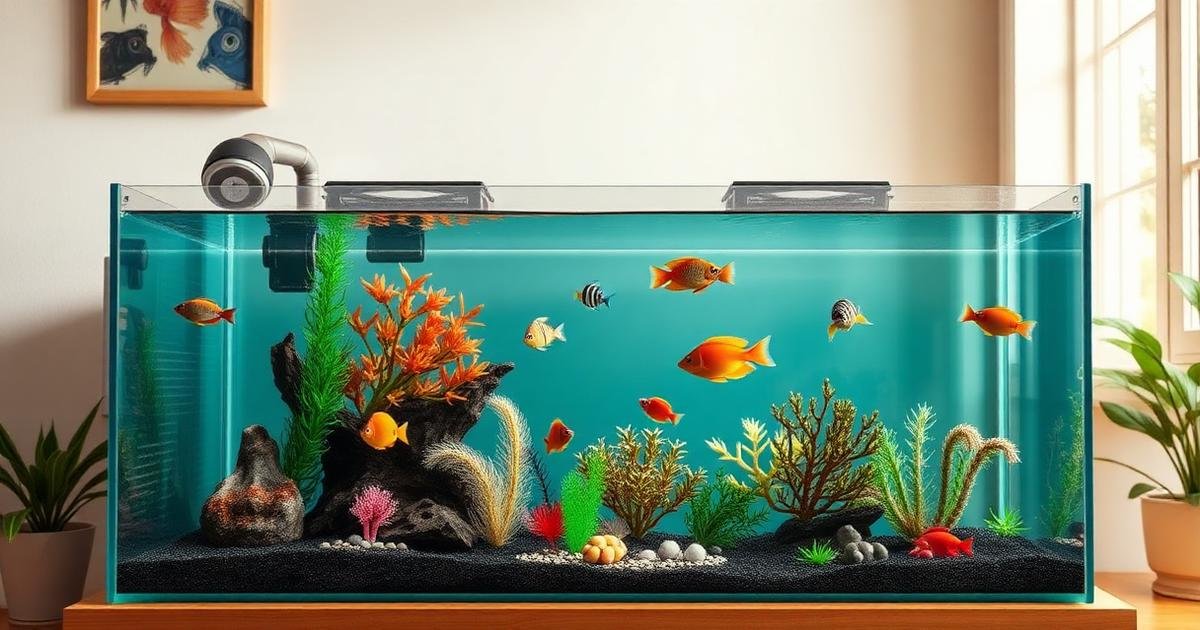
Learning the best option starts with understanding that a fish tank is a closed ecosystem, not just a bowl of water. To keep fish healthy and thriving, you must cycle the tank before adding fish, maintain stable water parameters, and perform regular partial water changes. This guide covers everything from tank setup to daily maintenance so your aquatic pets live long, vibrant lives.
How to care for fish: To care for fish properly, start with a cycled tank of at least 10 gallons, equip it with a filter and heater, and test water weekly for ammonia, nitrite, nitrate, and pH. Feed a varied diet once or twice daily in portions they can finish in 2 minutes. Perform 25% water changes every 1–2 weeks. This
Quick Answer: How do you care for fish properly?
To care for fish properly, start with a cycled tank of at least 10 gallons, equip it with a filter and heater, and test water weekly for ammonia, nitrite, nitrate, and pH. Feed a varied diet once or twice daily in portions they can finish in 2 minutes. Perform research suggests 25% water changes every 1–2 weeks. This routine prevents research suggests 90% of common fish health problems.
For a complete guide on this topic, see the Aquarium Setup Guide.
What size tank do you need to start caring for fish?
Bigger is always easier when learning a good choice. A 20-gallon tank is the ideal starting size — it holds stable water chemistry far better than a small bowl or 5-gallon nano tank. Small tanks (under 10 gallons) experience rapid temperature swings and ammonia spikes that stress fish.
For beginners, a standard rectangular 20-gallon long tank provides ample surface area for oxygen exchange and room for a community of 8–12 small fish like tetras, rasboras, or corydoras catfish. Avoid spherical bowls entirely — they distort vision, lack proper filtration space, and cannot support a healthy nitrogen cycle.
Pro Tip: Measure your available space before buying. A 20-gallon tank weighs roughly 225 pounds when fully set up. Place it on a dedicated aquarium stand — not regular furniture — to prevent catastrophic structural failure.
The
How do you cycle a new aquarium before adding fish?
The nitrogen cycle is the single most important concept in the right choice. Without a cycled tank, fish waste produces toxic ammonia that burns gills and kills within days. Cycling takes 4–8 weeks and requires patience — there are no shortcuts.
Set up your tank with filter, heater, substrate, and decorations. Fill with dechlorinated water. Add a pure ammonia source (Dr. Tim’s Ammonium Chloride or fish food) to reach 2–4 ppm ammonia. Test every 2–3 days using a liquid test kit — not test strips, which are unreliable.
You’ll see ammonia rise, then nitrite appear (toxic), then nitrate (far less toxic). The tank is cycled when ammonia and nitrite both read 0 ppm within 24 hours of dosing to 2 ppm ammonia. This signals that beneficial bacteria colonies are established. Never add fish before this point.
Fishless cycling vs. fish in cycling
Fishless cycling is the only ethical method for learning a strong pick. Fish in cycling exposes fish to ammonia and nitrite burns, stunted growth, and premature death. If you already have fish in an uncycled tank, perform daily research suggests 50% water changes and dose Seachem Prime to temporarily detoxify ammonia until the cycle completes.
Pro Tip: Speed up cycling by adding filter media from an established tank. Ask at your local fish store — many will give you a handful of used ceramic rings or sponge. This can cut cycling time from 6 weeks to 10–14 days.
What water parameters do fish need to survive?
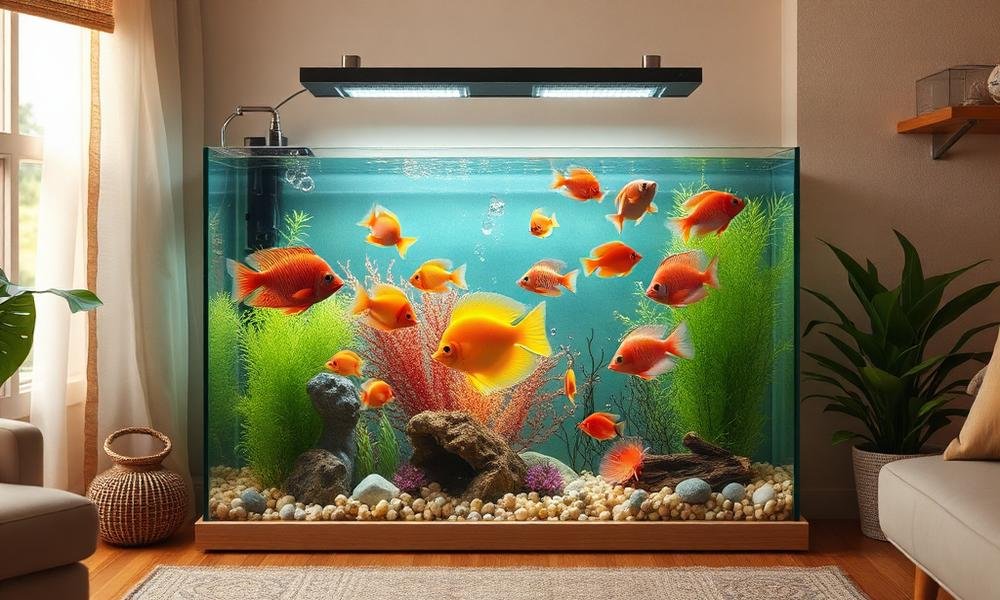
Stable water parameters matter more than perfect numbers. Fish adapt to consistent conditions but die from rapid fluctuations. For most tropical community fish, target these ranges: temperature 76–80°F, pH 6.5–7.5, ammonia 0 ppm, nitrite 0 ppm, nitrate below 20 ppm.
Test your tap water before filling the tank. Many municipal supplies contain chloramines (chlorine + ammonia) that kill fish and stall cycling. Use a water conditioner like Seachem Prime that neutralizes both chlorine and chloramines while detoxifying heavy metals.
Invest in an API Freshwater Master Test Kit — it costs about $35 and gives hundreds of tests. Test strips save time but lack accuracy for ammonia and nitrite, which are the critical readings when learning a reliable option. Test weekly after the tank is stable, and immediately if fish show signs of distress.
How to perform a water change correctly
Use a gravel vacuum to remove research suggests 25% of the water weekly. Push the vacuum into the substrate to lift debris and uneaten food. Replace with dechlorinated water at the same temperature as the tank — temperature shock stresses fish more than a slight pH difference.
Never remove all the water or scrub decorations with soap. Beneficial bacteria live on every surface inside the tank. Clean filter media in a bucket of old tank water, never tap water, which kills bacteria with chlorine.
How do you choose the right filter and heater for your tank?
Filtration and heating are non negotiable when figuring out the best option. A filter removes physical waste, houses beneficial bacteria, and circulates oxygen. A heater maintains a stable temperature — tropical fish cannot regulate their body heat and die if water drops below 72°F.
Choose a filter rated for at least 4–5 times your tank volume per hour. For a 20-gallon tank, that means a filter with 80–100 GPH (gallons per hour). Hang-on back filters are beginner-friendly, while sponge filters are gentler for shrimp and fry. Canister filters work best for tanks over 40 gallons.
For heaters, use 5 watts per gallon as a general rule. A 20-gallon tank needs a 100-watt heater. Place the heater near the filter outflow for even heat distribution. Always buy a heater with an adjustable thermostat — preset heaters often drift by 3–4°F, which is enough to stress fish.
Pro Tip: Buy two smaller heaters instead of one large one. Two 50-watt heaters in a 20-gallon tank provide redundancy — if one fails, the other maintains safe temperatures. This single change has saved countless fish from temperature crashes.
The
How often and what should you feed your fish?
Overfeeding is the #1 cause of water quality problems when learning a good choice. Feed only what fish can consume in 2 minutes, once or twice daily. For most species, this means a pinch of food — about the size of the fish’s eye. Remove uneaten food after 5 minutes.
Feed a varied diet for optimal health. High quality flake or pellet food forms the base. Supplement with frozen or live foods like brine shrimp, daphnia, or bloodworms 2–3 times per week. These provide essential fatty acids and proteins that dry foods lack.
Different fish have different dietary needs. Herbivores like plecos and mollies need algae wafers and blanched vegetables. Carnivores like bettas and cichlids need protein rich pellets or frozen foods. Research each species before bringing them home — a common mistake in the right choice is feeding all fish the same diet.
Pro Tip: Fast your fish one day per week. A 24-hour fast mimics natural feeding patterns and gives the digestive system a rest. It also helps prevent bloating and swim bladder issues in species like goldfish and fancy guppies.
How do you prevent and treat common fish diseases?
Most fish diseases stem from stress caused by poor water quality, temperature shock, or incompatible tank mates. The best prevention is a cycled tank with stable parameters and a 2-week quarantine period for all new fish before adding them to your main tank.
Ich (white spot disease) is the most common ailment — small white dots like salt grains on fins and body. Treat by raising temperature to 82–86°F gradually and adding aquarium salt (1 teaspoon per gallon) for 10 days. For severe cases, use a commercial ich medication containing malachite green.
Fin rot appears as ragged, discolored fin edges. It almost always indicates poor water quality. Perform daily research suggests 25% water changes for a week and add Indian almond leaves, which release tannins with antifungal properties. If no improvement, use an antibiotic like Maracyn.
Signs your fish needs immediate attention
Watch for clamped fins (held close to body), rapid gill movement, rubbing against decorations (flashing), or loss of appetite. Any of these symptoms require immediate water testing. In research suggests 90% of cases, a research suggests 50% water change and checking temperature fixes the issue without medication.
The
What tank mates can you keep together safely?
Compatibility is about temperament, size, and water parameters — not just species. When learning a strong pick, follow the "1 inch of fish per gallon" rule loosely, but prioritize peaceful community fish that share similar requirements. Good starter combinations include:
- Neon tetras (1 inch) + corydoras catfish (2 inches) + cherry shrimp
- Platys (2 inches) + guppies (1.5 inches) + snails
- Harlequin rasboras (2 inches) + kuhli loaches (3 inches) + honey gouramis (2 inches)
Avoid mixing fin nippers like tiger barbs with long finned fish like bettas or angelfish. Also avoid keeping large cichlids with small tetras — one will become lunch. Research each species’ adult size, not just the size at the store. Many fish sold as 1-inch juveniles grow to 6–12 inches.
Pro Tip: Add fish in stages — 3–4 fish every 2 weeks. This allows the biological filter to adjust to the increased bioload. Adding 15 fish at once often triggers an ammonia spike that kills the entire tank within 48 hours.
How do you set up a planted aquarium for healthier fish?
Live plants transform a reliable option by improving water quality naturally. Plants absorb ammonia, nitrite, and nitrate as fertilizer, reducing the need for water changes. They also produce oxygen, provide hiding spots, and outcompete algae for nutrients.
Start with easy, low light plants like Java fern, Anubias, and Amazon sword. These require no CO2 injection and thrive under standard LED lights. Plant them in nutrient rich substrate or attach to driftwood with fishing line. Avoid burying the rhizome of Java fern and Anubias — it rots underground.
Add root tabs or liquid fertilizer weekly for heavy root feeders like Amazon swords. For floating plants like frogbit or duckweed, they absorb excess nutrients directly from the water column and block light that fuels algae. Remove excess floating plants weekly to prevent them from covering the entire surface.
Managing algae with plants and light control
Algae blooms signal an imbalance in light or nutrients. Run your tank light for 6–8 hours daily — no more. Use a timer for consistency. If green water appears, perform a 3-day blackout (cover tank completely) and reduce feeding. Add fast growing stem plants like hornwort or water wisteria to outcompete algae.
Pro Tip: Introduce a clean up crew of 3–5 nerite snails or a single bristlenose pleco. These algae eaters work 24/7 without adding significant bioload. Nerite snails cannot reproduce in freshwater, so you won't get overrun with babies.
The
How do you handle a fish tank emergency?
Emergencies happen even when you master the best option. The most common crisis is a power outage. A filter stops circulating oxygen, and bacteria start dying within 2–4 hours. Keep a battery powered air pump on hand — it runs for 12–24 hours on D batteries and keeps oxygen flowing.
If your heater fails in winter, wrap the tank in blankets (leave the top open for gas exchange) and float bags of warm water on the surface. Change them every 30 minutes until power returns. Never pour hot water directly into the tank — temperature shock kills fish instantly.
For a broken tank or major leak, move fish to a clean bucket or plastic tote with the filter running. Patch small cracks with aquarium safe silicone, but replace the tank entirely if the crack runs across the bottom seam. A 20-gallon tank costs $30–40; replacing it is cheaper than losing $100 worth of fish.
Emergency medication kit essentials
Keep these items in a dedicated fish first aid kit: aquarium salt, Seachem Prime (ammonia detoxifier), methylene blue (antifungal), and a spare heater. The
Pro Tip: Practice a 5-minute power outage drill. Turn off all equipment, time how long it takes to set up your battery air pump, and check that water temperature drops less than 2°F. This drill reveals weak points before a real emergency.
Set up your first tank with confidence — get the right equipment from the start.
Browse Aquarium Options →
For broader reference and guidance, akc.org provides useful context on pet health and care decisions.
For broader reference and guidance, petmd.com provides useful context on pet health and care decisions.
Frequently Asked Questions
How often should you clean a fish tank?
Perform a research suggests 25% water change every 1–2 weeks using a gravel vacuum. Clean the glass algae with a magnetic scraper weekly. Replace filter media only when it starts to fall apart — never all at once, as this removes beneficial bacteria.
Can you keep fish in a bowl without a filter?
No. A bowl without a filter cannot maintain a stable nitrogen cycle. Fish produce ammonia constantly, and without filtration or beneficial bacteria, ammonia builds to lethal levels within hours. Only a cycled, filtered tank provides safe conditions.
How long do pet fish typically live?
Lifespan varies dramatically by species. Common tetras live 3–5 years, bettas 2–4 years, goldfish 10–15 years, and some cichlids 15–20 years. Proper care — especially tank size and water quality — directly determines how long your fish survive.
Do fish need light at night?
No. Fish need 8–12 hours of light daily and complete darkness at night to regulate sleep cycles and reduce stress. Use a timer for consistency. Leaving lights on 24/7 promotes algae blooms and exhausts fish, weakening their immune systems.
How do you know if fish are stressed?
Stressed fish display clamped fins, rapid breathing, hiding constantly, loss of color, or erratic swimming. These signs almost always point to poor water quality, temperature shock, or bullying from tank mates. Test water immediately and perform a research suggests 50% water change.
Can you mix freshwater and saltwater fish?
No. Freshwater and saltwater fish have completely different osmoregulation systems. Freshwater fish absorb water through their skin and excrete dilute urine; saltwater fish drink constantly and excrete concentrated urine. They cannot survive in each other’s environments.
How many fish can you put in a 10-gallon tank?
Follow the 1-inch-per gallon rule as a starting point: 8–10 inches of adult fish total. Good options include 6 neon tetras (6 inches) plus 2 corydoras catfish (4 inches). Never exceed 10 total inches, and avoid active swimmers like danios that need longer tanks.
Do you need to treat tap water for fish?
Yes, always. Tap water contains chlorine or chloramines that kill fish and beneficial bacteria. Use a water conditioner like Seachem Prime at every water change. Let the water sit for 5 minutes after adding conditioner before pouring it into the tank.